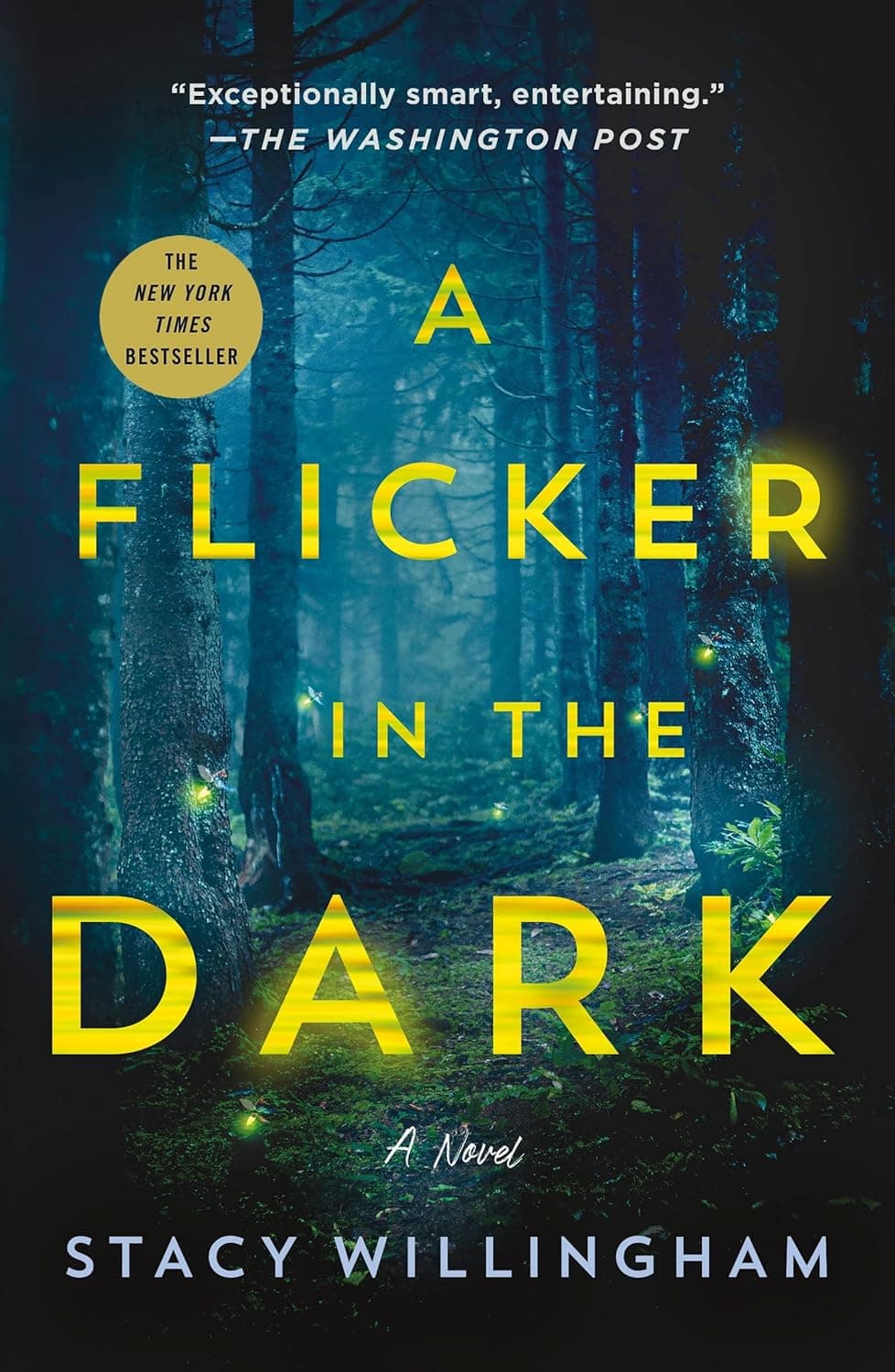
Opening
Chloe’s world tilts from paranoia to certainty as home alarms shriek, a dream blurs into memory, and a pearl necklace appears and vanishes. Every comforting gesture from her fiancé curdles into suspicion, her estranged family reenters with terrible clarity, and the first victim’s face connects directly to the man she plans to marry.
What Happens
Chapter 26
Back home, Chloe Davis spirals, imagining Bert Rhodes everywhere. She downs a Xanax and wine before her brother, Cooper Davis, shows up. When he sees the Xanax bottle prescribed to Daniel Briggs, Chloe lets him believe Daniel gave her the pills. The fight turns raw: Cooper accuses, Chloe defends, and he leaves his spare key on the counter. A door closes not just on the night, but on their trust.
Intoxicated, Chloe dozes on the couch and dreams the summer of 1998. A figure drags a shovel through her backyard. When it steps into the light, it isn’t her father—it’s her grown self, embodying the fear at the center of The Nature of Evil and Monstrosity. She wakes to her house alarm screaming. Convinced someone’s inside—Bert, she thinks—she scrambles for Daniel’s gun in the closet but instead finds a small box. Inside glints a silver necklace with a single pearl and three diamonds: the exact necklace Aubrey Gravino wears in her missing-person photo.
Chapter 27
The bedroom door opens—not Bert, but Daniel, home a day early. Chloe shoves the box deep under clothes as the alarm blares; he shouts that he called, her phone was off. Silence returns. He holds her, smelling of sweet unfamiliar perfume. “I’ve got you,” he whispers.
The words detonate an old memory of her father, Richard Davis, saying the same thing in the woods—comfort turned threat, the past bleeding into the present under The Lingering Trauma of the Past. Chloe pretends to sleep. In the dark, she hears Daniel rise and slide the closet door shut—soft, deliberate, as if he knows what’s inside.
Chapter 28
Morning breaks with bacon, music, and the illusion of normalcy. Chloe goes straight to the closet. The box—and the necklace—are gone. Did she hallucinate, mixing Xanax and wine? The case for doubt under Memory, Paranoia, and Unreliable Narration is strong, but so are the facts: Daniel is a pharma rep with access to drugs like the Diazepam found in Lacey Deckler’s system; he travels constantly; evidence vanished overnight.
Daniel proposes a surprise day together. Before Chloe can answer, Cooper calls to apologize—then tells her their mother is refusing to eat. The nursing home thinks she’s dying.
Chapter 29
Chloe rushes to leave, but Daniel insists on coming; he palms her keys for a beat too long, concern shading into control. At the facility, the tension between him and Cooper crackles. A doctor says there’s no medical cause—Chloe’s mother has simply stopped eating.
Alone with her, Chloe takes her hand and feels the faint press of a familiar pattern against her wrist: tap, tap—a private code revived after years of silence. Her mother’s eyes open and fix on her. Heart pounding, Chloe asks about the murders. The taps answer. Yes. She knows something.
Chapter 30
Chloe raids the game room for Scrabble tiles. Letter by letter, tap by tap, her mother confirms a link to the Breaux Bridge killings from twenty years ago. When Chloe asks how to prove it, the taps guide her hand: D. Then A. She’s spelling “Daniel”—just as Cooper walks in. Chloe sweeps the tiles away.
Later, Daniel’s surprise takes them deep into the woods. No cell service. He lifts a long object from the trunk, scraping the ground—she braces for a shovel—and it’s an oar. Relief floods in. They kayak to a stunning view of Cypress Stables, their wedding venue. On the water, a memory snaps into focus: months ago, standing on that porch, Chloe saw a young woman the owner called her granddaughter—Aubrey Gravino. The first victim and Daniel share a scene, a place, and now, in Chloe’s mind, a deadly connection.
Character Development
Chloe shifts from numbed paranoia to active investigation, forced to trust her instincts over her substances and her fiancé’s charm.
- Chloe: Doubts her own senses, then chooses to believe them; decodes her mother’s taps and reclaims agency even as fear escalates.
- Daniel: The perfect fiancé cracks—controlling flashes, unexplained perfume, access to drugs, and proximity to Aubrey sharpen him into the prime suspect.
- Cooper: Protective and frustrated, he draws a boundary (returning the key) but remains a crucial ally.
- Chloe’s mother: Awakens as the story’s buried witness; her taps and letters become the first clear signal pointing at Daniel.
Themes & Symbols
Appearances fracture under Deception and Appearance vs. Reality. Breakfasts, surprises, and wedding venues mask a lattice of drugs, lies, and missing evidence. The domestic is a stage; the backstage is lethal.
Family Secrets and Dysfunctional Loyalty resurfaces as Chloe defends Daniel the way her mother once defended Richard. Her mother’s sudden clarity, however, models a different loyalty—one that risks everything to protect.
Symbols sharpen the suspense:
- The Shovel vs. the Oar: Terror primes Chloe to see burial tools; the oar’s reveal only postpones dread, a misdirection that mirrors the novel’s structure.
- The Necklace: A “smoking gun” that appears, implicates, and disappears—proof flickering in and out of reach, matching Chloe’s unstable memory.
- The Alarm and the Closet Door: Mechanical sounds puncture denial. Each shriek and slide marks the moment suspicion becomes concrete.
Key Quotes
“I’ve got you.” Daniel’s echo of Richard’s words collapses time, turning comfort into a trigger. The line fuses past and present and reframes Daniel as a potential continuation of the family’s violence rather than an antidote to it.
“D—A—” Spelled through taps and tiles, the broken name is both revelation and interruption. It is the mother’s first successful alarm to her daughter and the narrative’s pivot from paranoia to accusation.
Why This Matters and Section Significance
These chapters tip the novel from atmospheric unease into direct confrontation. The trail of gestures—perfume, pills, vanishing evidence, and a mother’s taps—reorients the investigation toward Daniel and binds the new murders to the Breaux Bridge past. Chloe gains an ally in her mother and a sharpened purpose: to test love against proof. The pace quickens toward the endgame as the wedding façade and the killer’s mask threaten to come off at the same time.