Opening
In a kitchen staged like a crime scene, Chloe Davis forces the truth into the open and draws her brother Cooper Davis into a confession he can’t escape. The revelations that follow rewire every memory—about their father, about the murders, about love and loyalty—culminating in a quiet, luminous choice to let the past go.
What Happens
Chapter 46
Chloe waits in her kitchen with a bottle of pills and two glasses of wine. When Cooper arrives, she slices through his concerned act and goes straight for the nerve: did he know Tyler Price? Did he bring Tyler to Baton Rouge to reenact the Breaux Bridge murders? He denies it, but Chloe holds the line, explaining exactly how the pieces finally click.
She recounts an earlier conversation with Daniel Briggs. Daniel has long suspected that their father’s behavior never fits a predator of girls: he locks the windows after the first girl goes missing and hovers protectively over Chloe. The detail that breaks everything open is their father’s last words as he’s led away: “Be good.” Chloe understands now that Richard Davis isn’t speaking to her; he is looking at Cooper—pleading with his son.
Chloe accuses Cooper outright: he killed the girls in Breaux Bridge, he killed Lena Rhodes. She explains that Daniel knew their father was innocent, and Cooper, aware of Daniel’s suspicions, planted Aubrey’s necklace to frame him. Cornered, Cooper cracks and begins to confess by echoing their father’s old, false confession word for word: “I have a darkness inside of me... Sometimes I think it might be the devil himself.” The mimicry confirms the truth—Richard took the fall to shield his son.
Chapter 47
Resigned, Cooper unspools the history. The jewelry box is his; Richard finds it under Cooper’s floorboard, wipes it clean, and hides it in his own closet, where Chloe later discovers it. At the festival, Richard isn’t stalking Lena—he is watching Cooper watch her, terrified because he recognizes the look in his son’s eyes. Cooper admits his first victim is Tara King, a runaway he kills a year before the others. Getting away with it makes him feel untouchable. Lena sees him with Tara and taunts him; he decides she has to go.
Chloe sees the pattern at last: Cooper isn’t driven by compulsion so much as by control—the godlike rush of choosing who lives and who dies. It fuels his wrestling dominance, his charisma, his lifelong manipulation of everyone around him. He orchestrates Richard’s “confession,” and he scripts Chloe’s life to keep himself safe, embodying the chilling core of The Nature of Evil and Monstrosity.
When Chloe says she’s calling the police, Cooper’s mask rips. He grabs her wrist, grip tightening; she knows he will kill her. He lunges—then stumbles and collapses. Chloe has drugged his wine with her prescription pills, the same method Tyler used on her. She looks to the hidden camera and signals Detective Thomas and Daniel, waiting in a car outside with the live feed. In the calm that follows, she realizes where the Breaux Bridge bodies are: the secret childhood cavern only she and Cooper know.
Chapter 48
It’s July 2019—the day Chloe and Daniel were supposed to be married. Chloe drives to Hattiesburg, Mississippi, to a small house and knocks. Sophie Briggs opens the door—alive. Daniel faked his sister’s death years ago to free her from their abusive mother: he saved money, sent Sophie away, and joined her after graduation. The revelation reframes Daniel’s secrecy as protection, not deception. Chloe returns the engagement ring—their mother’s—to its rightful owner.
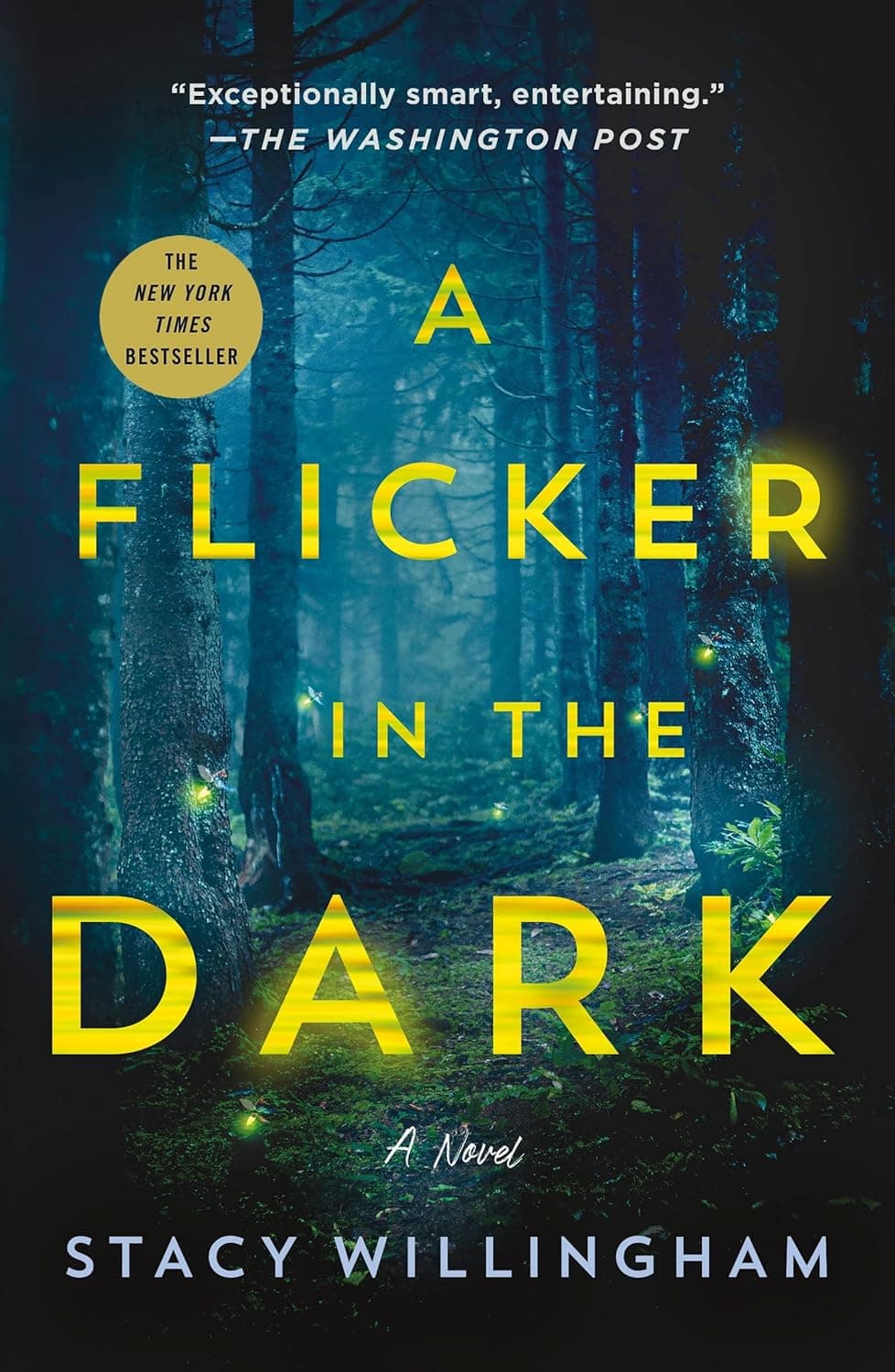
Sophie tells her Richard Davis is being released. The recorded confession Chloe captures from Cooper clears him. Chloe sits with what Richard does—throwing away his life to protect his son—and the cost of that choice. She steps outside at dusk and watches a firefly spark in the dark. For a heartbeat as Cooper fell, she felt the power he craved—a dangerous flicker within. She cups the firefly, then opens her hands and lets it go, choosing light over the darkness that haunted her family.
Character Development
Chloe sheds the last of her paralysis and takes total command of the narrative, forcing truth to the surface and securing justice. Around her, masks fall: the “golden brother,” the “monster father,” and the “suspicious fiancé” all transform under the light of evidence.
- Chloe: Orchestrates the confession, survives Cooper’s attack, identifies the burial site, and closes the loop by freeing the firefly—her act of release and self-determination.
- Cooper: The charming protector reveals himself as a calculating killer who prizes control above all and shows no remorse.
- Daniel: Vindicated. His volatility and secrecy resolve into a consistent pattern of protection—of Sophie first, then Chloe.
- Richard: Recast from predator to tragic parent whose catastrophic loyalty enables further harm; his exoneration is bittersweet.
Themes & Symbols
Two illusions collapse at once, sharpening the theme of Deception and Appearance vs. Reality. The beloved son turns out to be the murderer; the condemned father is a man trying, disastrously, to shield the family; the suspicious boyfriend is a protector. Evidence—especially the camera’s recording—strips performance away and restores order.
The family’s core lie dramatizes Family Secrets and Dysfunctional Loyalty: Richard’s sacrifice doesn’t save anyone; it prolongs the violence and warps his children’s lives. By forcing the truth into view and by choosing not to hoard power herself, Chloe ends the cycle, advancing The Lingering Trauma of the Past toward healing.
- The Firefly: A pulse of life and innocence—Lena’s memory and the book’s titular glimmer. Holding it mirrors Cooper’s desire to control life; releasing it rejects that darkness and affirms freedom.
- The Hidden Camera: Objective truth in a story clouded by fear and manipulation. It fixes memory to evidence and anchors justice.
Key Quotes
“Be good.”
Richard’s last words, long misread as a plea to Chloe, target Cooper. The line reframes the entire case: a father begging his son to stop, not a predator cloaking guilt in fatherly advice. It’s the hinge that swings the story toward truth.
“You killed those girls in Breaux Bridge. You killed Lena.”
Chloe’s direct accusation pierces years of denial and performance. Naming the crimes out loud seizes narrative control and forces Cooper to confront the person he really is.
“I have a darkness inside of me... Sometimes I think it might be the devil himself.”
Cooper parrots Richard’s false confession, exposing how the script of guilt is manufactured. The echo proves Richard’s sacrifice and underscores how evil hides behind borrowed words and masks.
“I have to call the police.”
This simple line marks Chloe’s final break from fear. Instead of spiraling into doubt, she acts—with a plan, a recording, and witnesses—aligning her will with justice rather than trauma.
Why This Matters and Section Significance
These chapters deliver the novel’s decisive unmasking and its moral reset. They answer every central question—who killed the girls, why Richard confessed, why Daniel kept secrets—while transforming Chloe from haunted witness to architect of truth. The confession, the camera, and the firefly together chart the book’s movement from manipulation to evidence, from coercive control to chosen freedom, and from darkness to a steady, chosen light.