Memory, Storytelling, and Perspective
What This Theme Explores
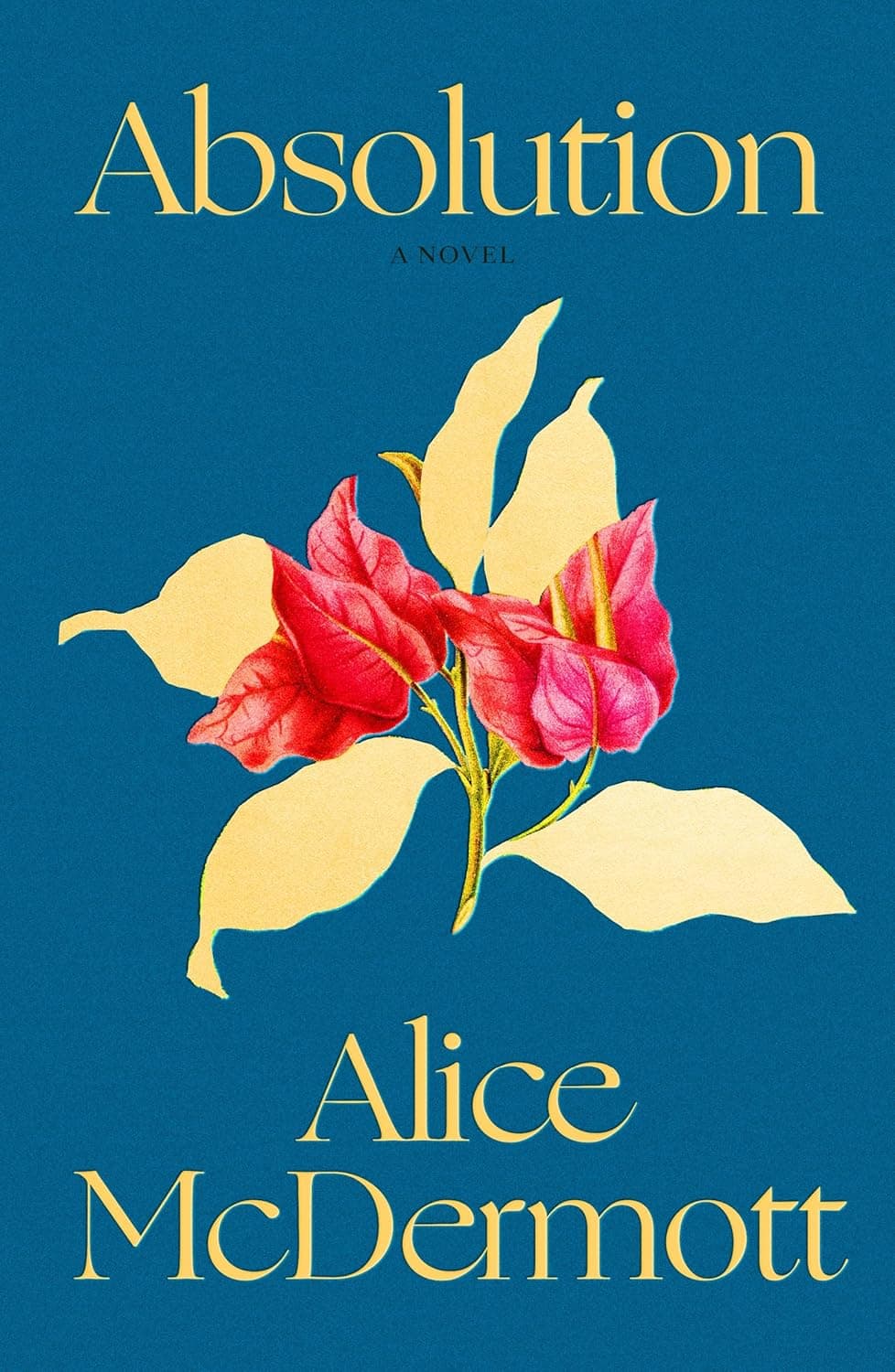
Absolution treats memory not as a repository of facts but as a living narrative we assemble to endure, to explain ourselves, and to be understood. Framed as a long letter from Patricia "Tricia" Kelly to Rainey, the novel examines how perspective shapes what counts as “true,” how recollection refracts emotion and self-interest, and how stories become the architecture of identity. It probes the ethical stakes of storytelling: when we revise our pasts, are we seeking clarity, comfort, or absolution? And it insists that history—personal and political—is never singular, only a chorus of partial, resonant voices.
How It Develops
From the first pages, the novel makes its method visible: a story told in hindsight, stitched with qualifiers and self-corrections, where the teller knows that telling changes what is told. In Part 1, Tricia’s voice, alert to its own gaps and embellishments, recreates Saigon through the uneasy lens of a 23-year-old wife and the rueful candor of her older self. Her aside-laden sentences acknowledge the heat of what was felt then and the coolness of what is understood now, inviting the reader to watch memory at work.
Part 2 opens the frame: Tricia’s letter is a reply to Rainey’s query about Dominic Carey, and a second perspective begins to press against the first. The book’s most explicit disagreement—over which language the American doctor spoke—exposes how authority, fear, admiration, and cultural positioning can alter the basic sensory data of the past. Even when everyone is trying to be truthful, the “truths” diverge.
In Part 3, Rainey speaks for herself, and the narrative blooms into counterpoint. Her memories of her mother, Charlene, transform what Tricia’s account seemed to fix: the same gestures read as manipulative to one witness and protective to another. The section ends with a revelation—Tricia’s admission that she invented a pivotal scene—that turns form into theme. Storytelling does not merely preserve experience; it edits, reframes, and sometimes creates it.
Key Examples
-
The Epistolary Framework. The book is itself a crafted performance of memory: Tricia writes to a specific listener, shaping scenes to meet Rainey’s need and her own. Her meta-commentary—“in recollection,” “I think now”—makes visible the choices that go into turning life into narrative.
Here it all starts to feel like a fairy tale, in recollection. Me in that fragrant silk kimono and you in your golden garden-party dress, looking on as Lily carried the doll to the sewing table... (p. 16) That “fairy tale” aura signals both enchantment and distortion, reminding us that beauty and unreliability often travel together in memory.
-
Conflicting Recollections. On the leper-colony trip, characters cannot agree on what language the American doctor spoke; Tricia hears English, Charlene hears French, and Lily (Ly) remembers both French and Vietnamese.
“His French,” she said.
I was still uncertain. “But he spoke English,” I said. “He’s an American.”
She was smoking a cigarette, and I saw the fingers beneath it move together. “No, he didn’t,” she said. “Not in the truck. He spoke French.” (p. 219) The scene dramatizes how identity and desire contour perception: each woman hears the language that fits her worldview, revealing that even “facts” arrive tinted by the listener. -
Rainey’s Counter-Narrative. When Rainey recalls Charlene’s “inconsequential good” (p. 248), ordinary acts accrue moral weight that Tricia had overlooked. The same mother appears domineering in one account, fiercely protective in another, proving that a person can be plural because witnesses are plural. By setting these voices side by side, the novel refuses a final verdict and instead models a reparative reading of the past.
-
Tricia’s Narrative Invention. In her final letter, Tricia confesses that she fabricated the intimate scene in which she and Peter Kelly agreed to leave Saigon.
In truth, there had been no whispering in the dark, no shared consideration. We’d never discussed it at all. No fault of Peter’s, really. What it was like for us, in those days. Us wives. (p. 238) The admission reveals storytelling as a shelter built after the fact—an artful correction to the pain of powerlessness—and turns the letter itself into an artifact of longing as much as memory.
Character Connections
Tricia is both subject and curator of the past. Her letter arranges fear, admiration, shame, and tenderness into a coherent arc, suggesting that self-knowledge is less recovered than composed. By acknowledging her own inventions, she reframes authorship as moral labor: to tell the truth about one’s untruths is its own kind of absolution.
Rainey complicates the archive. As the once-child listener who becomes a speaker, she asserts the right of the remembered to remember back. Her version of Charlene—intimate, ambivalent, loving—exposes the blind spots in Tricia’s account and insists that emotional truth can correct, not merely contradict, another’s memories.
Charlene exists largely as a remembered figure, and that is the point: she is made and remade by the stories told about her. The tension between her calculated “dynamo” persona and her private tenderness shows how reputation is a narrative others construct—sometimes to elevate, sometimes to defend themselves against her force—and how a person’s legacy is the sum of competing claims on who she was.
Symbolic Elements
The Letters. The exchange of letters—and Tricia’s long missive itself—embodies memory as a gift prepared for someone else. Her regret over shredding Charlene’s letters (p. 100) marks the irrevocable loss of a rival narrative, a literal erasure of a voice that might have altered the story.
The Barbie Doll. Initially a charming souvenir, the doll becomes a storytelling engine: for Rainey, a portal to childhood joy; for Tricia, an initiation into Charlene’s glittering world; for Charlene, a fundraising instrument. Outfitted in Lily’s ao dai, it materializes the women’s entwined histories, a miniature body carrying multiple, sometimes competing meanings across decades.
Souvenirs. Called “stays against forgetfulness” (p. 99), keepsakes like the doll or the stone bodhisattva function as external hard drives for memory. They stabilize fragile recollections, but also risk ossifying a single, flattering version of the past, reminding us that objects curate as much as they recall.
Contemporary Relevance
In an age of feeds and curated personas, Absolution’s meditation on self-narration feels uncannily current. The novel anticipates the way people edit their lives for legibility and solace, while also arguing for multiplicity—especially the necessity of women’s voices in recounting eras dominated by men’s official histories. Amid “fake news” and contested archives, McDermott’s focus on the sincere but partial witness urges humility: even our most cherished truths are interpretations, and honoring others’ versions is part of ethical remembering.
Essential Quote
In truth, there had been no whispering in the dark, no shared consideration. We’d never discussed it at all. No fault of Peter’s, really. What it was like for us, in those days. Us wives. (p. 238)
This confession crystallizes the theme’s core claim: storytelling retrofits the past to supply the intimacy and agency reality denied. By exposing the edit, Tricia does not invalidate her letter; she teaches the reader how to read it—attentive to longing, power, and the pressures that shape a woman’s “truth.” The moment is less a lapse than an ethics: honesty about invention becomes the novel’s truest form of memory.