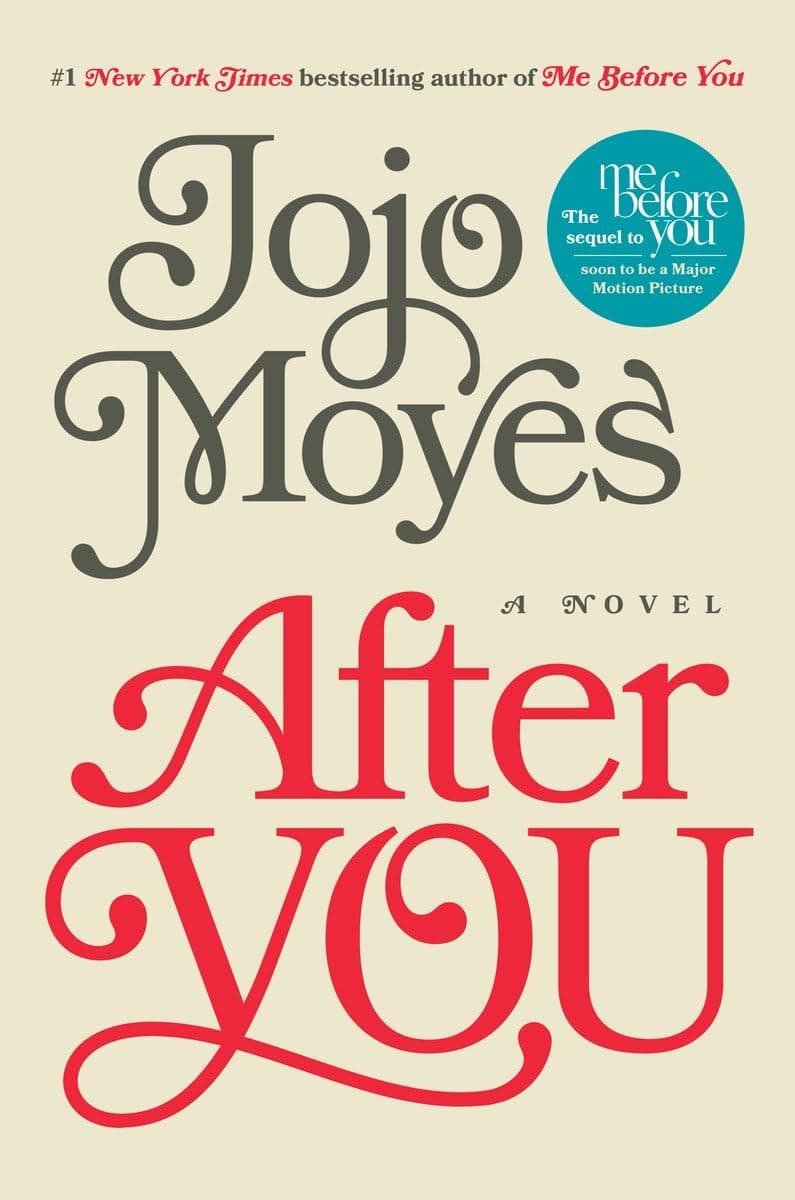
Opening
Louisa Clark’s world tilts between fragile hope and raw heartbreak as she tries to rebuild her life. With Lily Houghton-Miller under her roof and a spark with Sam Fielding, Lou reaches for connection—only to collide with grief, humiliation, and betrayal rooted in the long shadow of Will Traynor.
What Happens
Chapter 11: Side by Side
At the Moving On Circle, Lou arrives disappointed that Jake—and by extension, Sam—aren’t there. The meeting veers from quirky to intimate as members overshare, and when it’s Lou’s turn, she admits she misses having Will to talk to, someone who just “got” her, exposing the ache at the center of Grief and Moving On. Back home, Lily is sunk into silence on the sofa. Lou calls her sister, Katrina 'Treena' Clark, who suggests a “side-by-side” activity instead of a face-to-face confrontation.
Lou buys paint. Rolling color onto walls loosens tight shoulders and tighter secrets. Lily talks. They laugh about the looming prospect of meeting Camilla Traynor. On a happy impulse, they go clubbing; Lou dances until she feels the thrum of her old self returning—a spark in the long process of Finding a New Purpose and Identity. On the way home, Sam spots them and offers a lift in his ambulance. An emergency call cuts the ride short: a bar fight. From the ambulance, Lou watches Sam stay calm as a drunk man spits on him. His partner, Donna, mentions Sam is on a final warning after a caution for decking a man who was assaulting his girlfriend—complication and volatility under the steady surface.
Chapter 12: A Tour of Will
Lou writes to Mrs. Traynor to arrange a visit, keeping Lily out of it for now. Lily moves in for two weeks while her mother, Tanya Houghton-Miller, and stepfather vacation in Tuscany. Lou grows protective and angry at Tanya’s neglect, sharpening the novel’s focus on Family and Responsibility.
Lou takes Lily to Stortfold for a day-long tour of Will’s old haunts. The tattooist gives them a photo of Will’s “Best Before” date—Lily finally holding a piece of the father she never met, and Lou remembering him without drowning in sorrow. Over lunch, Lily jolts Lou with an observation: her life seems to have stalled since Will died. The drive home confirms it; Lou’s car overheats on the motorway, and while they wait on the embankment, Lily cracks open. She describes Martin, the man she once believed to be her dad; then Francis—“Fuckface”—who replaced him; the boarding school exile; a forced name change; the gnawing sense of being a “leftover.” The confession reframes her defiance as loneliness and trauma.
Chapter 13: The Nondate
News arrives: Mr. Traynor’s new baby girl is born. Lily’s response is muted. Sam later appears at Lou’s airport bar and invites her to a “nondate” dinner at his railway-carriage home. A downpour forces Lou into his spare clothes, and the evening becomes warm, easy, and intimate. Over food and wine, she admits the mess of Lily, and Sam listens. The attraction grows.
Lou kisses him. The kiss rushes into a charged encounter that jolts her back to life, a daring step into New Love After Loss. Then doubt sweeps in: what if she’s just one more conquest? Walking home together, they find Lily drunk, wearing Lou’s most intimate clothes—most painfully, the bumblebee tights Will gave Lou. The sight detonates Lou’s temper. The night’s fragile magic collapses; Sam leaves; Lou is left with fury, grief, and a wrecked boundary.
Chapter 14: Humiliation and Confrontation
At the next Moving On Circle, Lou, cautiously hopeful, shares that she had a date. Then Jake talks about his dad. Sam, he says, has met someone he “properly likes” and wants to “make a go of it.” Lou blushes, then freezes as Jake describes the brunch woman as a “total nightmare” trying too hard. Humiliation slams into her; she bolts and runs into Sam outside, spitting “wanker” before driving off.
Determined to do something right, Lou schedules the visit to Mrs. Traynor. Camilla is a spectral version of herself—gaunt, gray, home stripped of photographs. Lou and a rattled Lily prepare to leave without saying anything when Camilla overhears. Lily blurts out that she’s Will’s daughter. Disbelief hardens into denial; Lily’s anger spikes; the visit implodes. In the car, Lily hurls the cruelest line Lou can imagine—that Lou watched Will die and did nothing. Silence swallows the rest of the drive.
Chapter 15: Kicking Out
Back at the flat, Lou and Lily orbit each other in brittle quiet. Lou retreats to Stortfold, where home has shifted: her mother, fresh from a poetry class, embraces feminism and refuses to make the traditional Sunday lunch, baffling Lou’s father. At the pub, Lou, Treena, and their mother speak as three women, not roles. Mrs. Clark credits Will’s mantra—“You only get the one life”—for her awakening. The visit steadies Lou.
Days later, Lou returns from a late shift to chaos. Lily has thrown a party—strangers, alcohol, weed, devastation. After clearing the flat, Lou discovers her grandmother’s irreplaceable jewelry and her emergency cash are gone, lifted by Lily’s “friends.” This is the line. Lou tells Lily to leave, gives her taxi money, asks for the keys, and lands the final blow: Lily may be Will’s daughter, but she doesn’t share his kindness.
Key Events
- Lou and Lily bond while painting, then go clubbing; Lou feels her old joy stirring.
- Sam gives them a lift; an on-call bar fight reveals his calm under pressure and a risky past at work.
- Lou takes Lily through Will’s Stortfold; they receive a photo of his “Best Before” tattoo.
- Stranded by a breakdown, Lily reveals years of abandonment and identity erasure.
- Lou and Sam spend the night together; the bumblebee tights incident blows up the aftermath.
- At the support group, Jake’s story publicly humiliates Lou and detonates her trust.
- Lou and Lily’s disastrous visit to Camilla ends in denial and rage.
- Lily’s party leads to stolen heirlooms; Lou finally kicks her out.
Character Development
Louisa Clark Lou reaches for life—dancing, risking intimacy, asserting limits—then reels from public humiliation and private betrayal. By driving Lily out after the theft, she stops defaulting to caretaker and reclaims her own space.
- Sets boundaries for the first time since Will’s death
- Experiences a reawakening of desire and selfhood
- Confronts lingering guilt when Lily weaponizes Will’s death against her
Lily Houghton-Miller Lily’s armor cracks to reveal profound abandonment. Her honesty on the motorway deepens sympathy, yet her spiraling choices—culminating in the party—show she’s still unready for responsibility.
- Shares her history of instability, name erasure, and displacement
- Seeks connection through provocation (wearing the tights)
- Self-sabotages with the party, burning the fragile trust with Lou
Sam Fielding Warmth and steadiness meet volatility. The ambulance scene shows discipline; Donna’s remark hints at a dangerous edge. After the “nondate,” his mixed signals leave Lou—and readers—uncertain.
- Professional composure under abuse contrasts with a history of lashing out
- Genuine intimacy with Lou collides with poor timing and perception
- Becomes a pivot point for Lou’s hope and humiliation
Camilla Traynor Grief calcifies into isolation. Camilla’s stripped home and disbelief of Lily show a life paused in mourning, the inverse of Mr. Traynor’s reinvention.
- Denies the possibility of Will’s daughter
- Erases memory to survive, but diminishes herself in the process
Themes & Symbols
Grief and Moving On Grief runs in crooked lines. Lou tells her support group she misses Will as a confidant even while she dances and sleeps with Sam. Camilla is grief fossilized; Mr. Traynor forges forward with a new child. The Moving On Circle frames grief’s halting, often humiliating steps—hope, misread signals, and backslides.
Family and Responsibility Chosen family and biological family clash. Lou assumes responsibility for Lily because of Will; Tanya abdicates hers. The failed visit to Camilla proves blood ties don’t guarantee belonging. In Stortfold, Lou’s own family—flawed but loving—models accountability and growth.
Finding a New Purpose and Identity Lou’s identity stretches beyond caretaker and grieving girlfriend. The club, the “nondate,” and the boundary she sets with Lily point toward a self who risks, chooses, and changes. Her mother’s feminist awakening mirrors Lou’s slow pivot from survival to authorship.
The Bumblebee Tights Will’s gift symbolizes the vibrant, quirky life he saw in Lou. When Lily wears them, she trespasses on Lou’s most sacred memory. Lou’s explosive reaction shows how tightly her identity still knots around loss—and what it takes to protect the self she’s reclaiming.
Key Quotes
“He’s met someone he properly likes… wants to make a go of it with her.”
- Jake’s comment turns Lou’s private hope into public humiliation. Dramatic irony sharpens the sting: readers feel the misunderstanding snap shut before Lou does, underscoring how fragile and exposed her attempts at moving on are.
“You sat there at my dad’s bedside and you watched him die and you did nothing about it.”
- Lily hurls Lou’s deepest wound back at her. The line crystallizes the unresolved guilt from Will’s choice and shows how grief can become a weapon when pain looks for someone to blame.
“You only get the one life.”
- Will’s mantra, echoed by Mrs. Clark, connects past to present. It propels both women—Lou toward risk and boundaries, her mother toward reinvention—marking grief as a catalyst for change rather than a tomb.
“You know the real difference between you and your dad? Even when he was at his unhappiest he wouldn’t have treated anyone like this.”
- Lou’s final line to Lily is both judgment and declaration of self-respect. It draws a bright line between honoring Will’s memory and enabling harm, signaling Lou’s shift from appeasement to agency.
Why This Matters and Section Significance
These chapters form the novel’s storm center. Lou’s fragile steps toward love and guardianship collapse under the weight of grief, miscommunication, and betrayal. The failed introduction to Camilla slams a door Lily longs to open; Jake’s story at the support group shatters Lou’s budding trust in Sam; the party theft forces Lou to choose herself over a promise to the past.
By the end, Lou stands stripped of illusions—about Sam, about easy family bonds, about her capacity to fix the broken. That clarity hurts, but it resets her arc: moving on isn’t about preserving Will’s world or rescuing Lily; it’s about claiming a life that belongs to her.