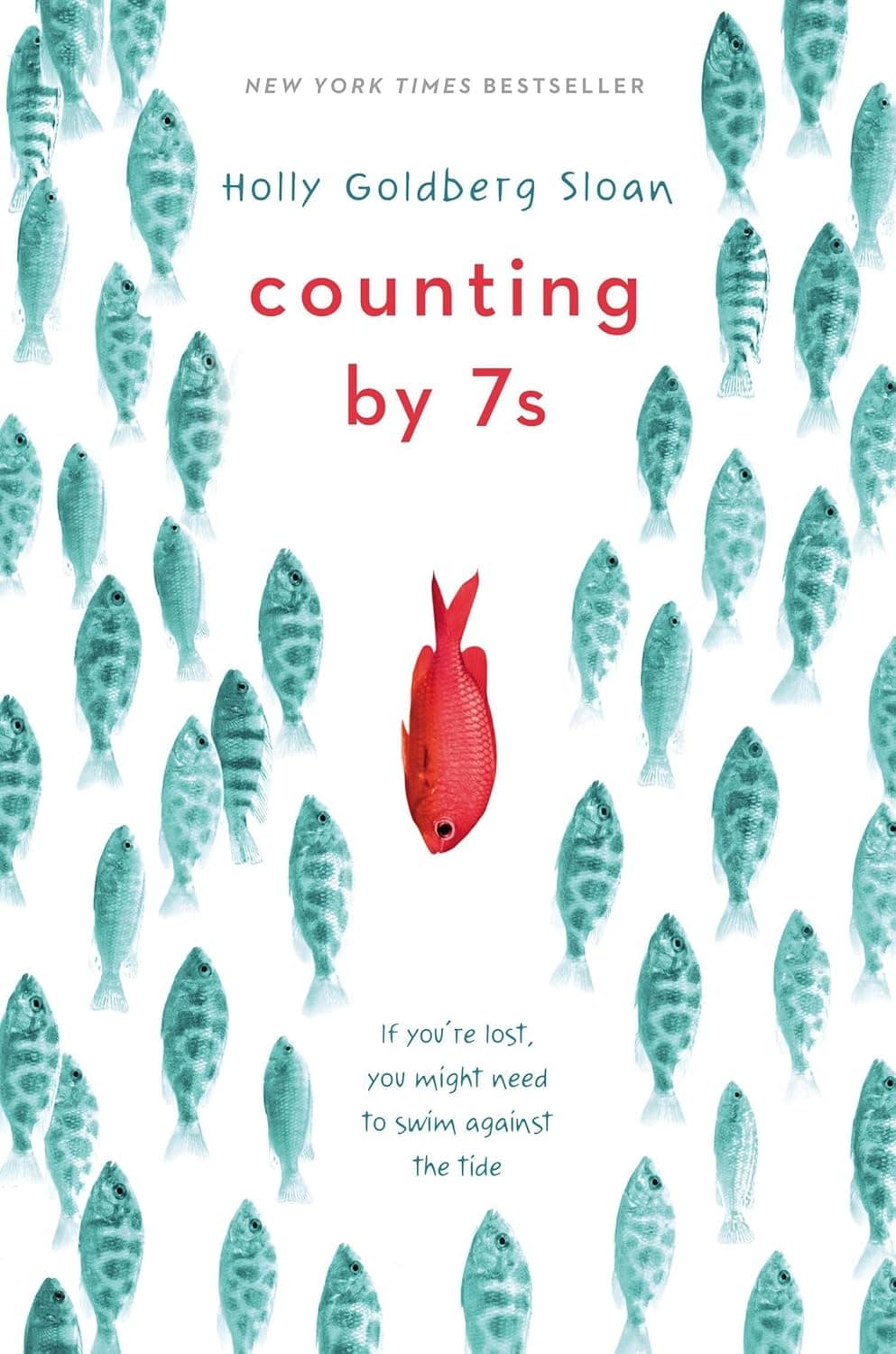
Opening
In these chapters, Willow Chance moves from a mischievous detour to a life-shattering loss, then into the arms of people who choose her. The story pivots hard into Grief, Loss, and Healing while seeding the beginnings of Found Family and Community.
What Happens
Chapter 16: The Beginning of Something Else
Outside the counseling trailer, Willow and Mai Nguyen wait for Dell Duke and Quang-ha Nguyen. Mai takes control, informing the flustered Dell that Willow doesn't want a session and proposing ice cream instead. Dell sputters about mandatory counseling; Willow calmly replies she was sent under "false pretense," and Quang-ha notices.
Mai presses her advantage, suggesting Dell can "counsel" in the car on the way to Fosters Freeze. She speaks to Willow in Vietnamese; Willow answers, startling both Dell and Quang-ha and tipping the balance. Dell gives in. As they drive from the district office, Willow senses a shift in their old dynamic and thinks, "And endings are always the beginnings of something else."
Chapter 17: Back in the Now
The narrative snaps to the present. Willow sits on her front steps, police officers asking for her "next of kin." Her adoptive parents, Roberta and Jimmy Chance, have been killed in a car crash. She inventories her nonexistent family: a grandmother with dementia, a grandfather gone, an uncle presumed dead. The shock is total; even counting by 7s fails her.
Mai keeps a steady hand on Willow’s shoulder, cooing softly—a small act of Kindness and Compassion that holds Willow together. Dell tries to help the police. When Willow goes inside to use the bathroom, the house reads like a "museum of the past," and she realizes, "I will forever be someone else now."
Chapter 18: A Lie for a Friend
Shifting to third person, the focus lands on Mai. While Willow is in the bathroom, Mai steps into her room and takes in floor-to-ceiling bookshelves and a microscope. On the nightstand: a library book, Understanding Vietnamese Customs and Traditions. The discovery clarifies who Willow is—curious, intentional, reaching toward connection—and steels Mai’s resolve.
Mai tells the police that her family and Willow’s are close friends and that her mother will take Willow in. Dell, rattled and complicit in the ice cream break, doesn’t contradict her. With a police escort, Dell drives them to the nail salon, rolling past the ash marks from the accident flares. He attempts “counseling” in the car; his words land badly. He recognizes the harm and calls it a "total meatball move."
Chapter 19: Pattie Nguyen
At Happy Polish Nails, Pattie Nguyen sees her children arrive with Dell and a police car and assumes Quang-ha is in trouble. Inside, Mai and Quang-ha argue in Vietnamese until Mai cuts through the noise, pulls Pattie outside, and opens the car door to reveal Willow—mute with grief.
Pattie reads the scene instantly. Memories of parentless children from her past in Vietnam come to the surface; her "arms reached out wide." She signs temporary custody paperwork without hesitation, closes the salon, and takes charge. Dell, dismissed and undone, collapses into sobs in his car, his head hitting the horn—a raw, blaring admission that nothing is the same.
Chapter 20: The Garage
Back in Willow’s voice, Pattie’s hug finally lets her breathe. They bring her to the Nguyens’ home, a garage behind the salon. Willow registers the details with clinical clarity: mats on concrete, hot plates for cooking, an overloaded outlet.
Grief tightens to the point of dysphagia; she can’t swallow. A dark thought flickers—that a fire might end everything. Pattie and Mai tend to her, change her into pajamas, coax sips of soup. Incense burns. The three cry together, sharing sorrow that needs no translation. Willow resolves to erase the memory of this night even as, quietly, the first steps toward Growth and Renewal begin.
Character Development
These chapters fracture identities and forge new roles under pressure.
- Willow: From verbal prodigy to near-silent survivor; her self-concept shatters and reformulates around loss and care.
- Mai: Emerges as strategist and protector—decisive, empathetic, and unafraid to bend rules for someone who needs her.
- Pattie: Reveals a fierce, practical compassion; she becomes a stabilizing center and lawful guardian without pause.
- Dell: His incompetence shows plainly; his breakdown hints at humility and the possibility of change.
- Quang-ha: Sardonic and distant, yet he becomes part of the unlikely constellation forming around Willow.
Themes & Symbols
The narrative tears down and rebuilds community in real time. Found family grows not from blood but from action: Mai’s lie, Pattie’s signature, a shared meal, a place to sleep. Grief, Loss, and Healing drives the structure—an abrupt narrative cut mirrors the crash’s violence, while small, sensory anchors (a hand on a shoulder, the smell of incense) mark the slow work of survival. Kindness and Compassion proves most powerful in what’s unsaid: a hug, a presence, a room offered without conditions.
Symbols deepen this arc. The book on Vietnamese customs crystallizes Willow’s reaching for Belonging and Human Connection; it convinces Mai that Willow is someone to claim. The Nguyens’ garage—improvised, overloaded, resilient—stands as both hardship and haven, transforming into a sanctuary where a new family takes shape. Dell’s blaring horn turns accidental noise into a sonic marker of rupture, signaling that old patterns have ended.
Key Quotes
"And endings are always the beginnings of something else." This line foreshadows the novel’s hinge: the playful rebellion of ice cream gives way to irrevocable loss, and then to a different kind of beginning—chosen kinship.
"I will forever be someone else now." Willow names identity change as an immediate consequence of grief. The sentence captures how loss rewrites selfhood, not just circumstance.
"False pretense." Willow’s precise language slices through Dell’s authority; it frames the earlier counseling referral as misclassification and sets up Mai’s counter-move.
"Total meatball move." Dell’s self-indictment strips away his defensive posture. Humility is the first honest step in his path toward usefulness.
Pattie’s "arms reached out wide." A simple physical action becomes an ethic: acceptance without interrogation. It anchors the section’s movement from isolation to community.
Why This Matters and Section Significance
Chapters 16–20 deliver the novel’s inciting catastrophe and its counterforce. The crash ends Willow’s life as she knows it; Mai and Pattie’s choices begin the life that follows. These events reframe the book from a story about a gifted outsider to an exploration of how people assemble care out of nothing—how a counselor fails, a teenager leads, a mother steps forward, and a garage becomes a home. The alliances formed here become the engine of Willow’s healing and the foundation for every transformation to come.