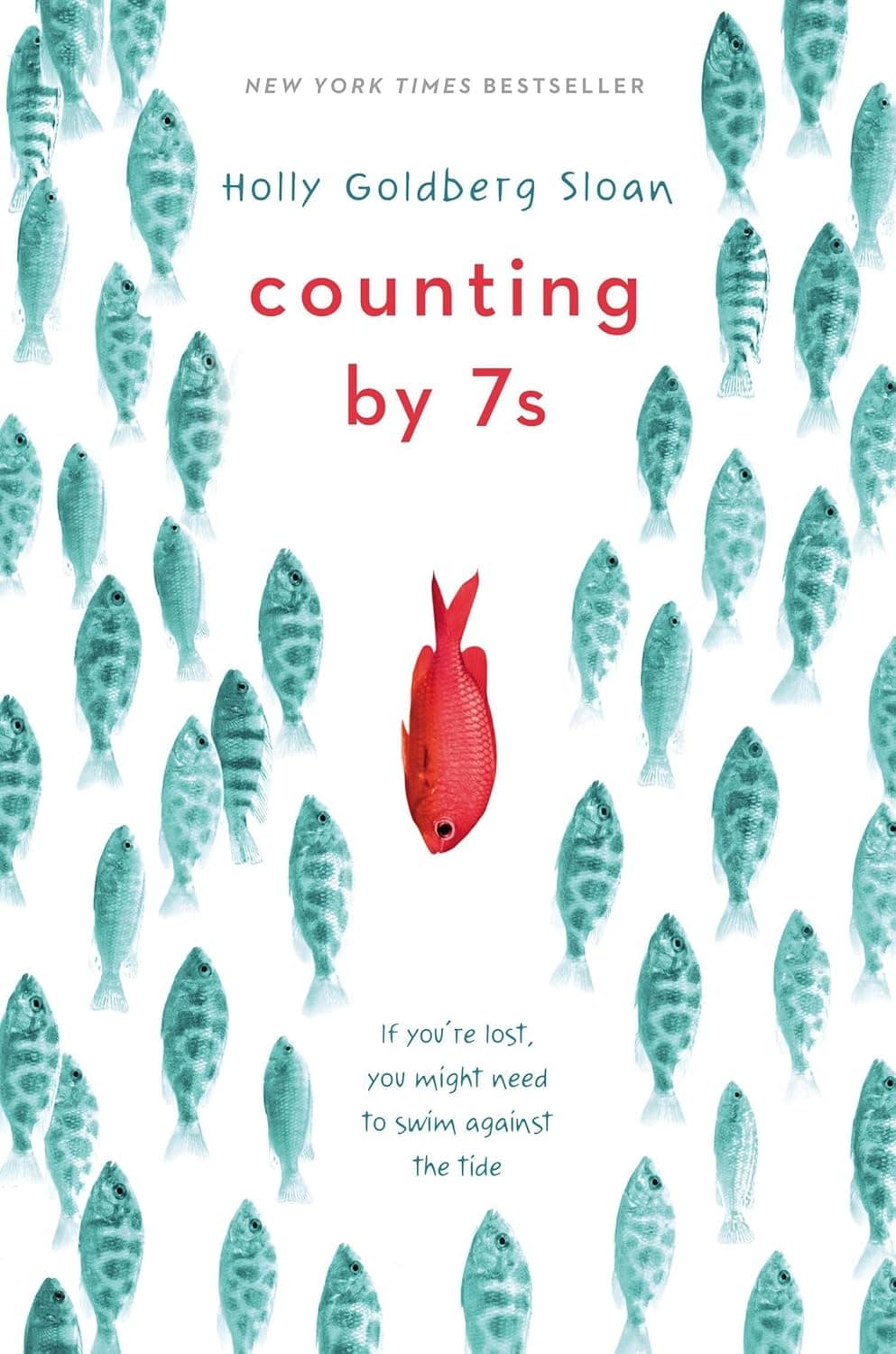
Opening
A family on the brink pulls closer as a goodbye turns into a beginning. Over five chapters, Willow Chance faces separation, confronts the system, and discovers that the love gathered around her is strong enough to make a new home.
What Happens
Chapter 56: The Eve of Departure
At the Gardens of Glenwood, tension sits like a storm cloud. Pattie Nguyen returns from the salon to find an apartment full of silence: Quang-ha Nguyen actually does homework, and Mai Nguyen hides with Cheddar, guarding the one creature she can hold. When Pattie calls Willow’s departure “temporary,” Quang-ha breaks. In a small, uncovered voice, he says, “We shouldn’t let her go,” and the three of them fold into a long embrace as the bamboo outside Willow’s window rustles like a living reminder of her touch.
Down in the courtyard, Dell Duke can’t sleep. He waters Willow’s garden, counting the honeysuckle that now stands taller than he is. When he spots a tight bud, he knows it will be “magnificent”—a quiet emblem of Growth and Renewal in a night that feels like loss.
Chapter 57: The Longest Second
Willow wakes at 4:27 A.M. and feels how the second before heartbreak stretches beyond time. She retreats to the bathroom with her pillow; Cheddar pads in and stays. She watches the sunrise and thinks of hummingbirds, organisms that “understand the importance of motion,” and she dresses in her old gardening clothes to anchor herself to who she is.
Goodbyes unravel the household. Mai, usually unshakable, dissolves. Willow hugs Dell and Pattie, nods to Quang-ha, and can’t manage a goodbye to Cheddar. She asks them to water the plants, her last instructions tying her to the life she’s made here. In the car with her social worker, Lenore, Willow returns to the blank space where her parents’ last day belongs and steps toward Grief, Loss, and Healing. Her mind shifts, as it often does, to the futures of Dell, Pattie, Mai, and Quang-ha; caring about them lightens her own pain and nudges her forward.
Chapter 58: The System of the Strange
Jamison Children’s Center feels sterile, monitored, and lonely. Willow isolates herself, secures the Wi‑Fi password, and, with ease, slips past the weak firewall. Reading Lenore’s emails, she flinches at the avalanche of other children’s trauma—pain that makes a larger, harsher map of the world.
She opens a file she once copied from Dell’s computer: “The Dell Duke System of the Strange,” with categories like Misfit, Oddball, Lone Wolf, Weirdo, Genius, Dictator, and Mutant. She sees Quang-ha listed as a Lone Wolf, Pattie as a Dictator, and Dell—alone—under Mutant. Repelled at first, Willow reframes it: Dell is trying to order chaos. Labels fail because people overlap and shift—she has been a “dictator” in the garden and a “weirdo” in public. The insight delivers her to Difference and Acceptance. When a grief counselor meets with her, Willow feels calm. She isn’t fearless; she’s decided to keep moving.
Chapter 59: Assembling for Battle
The narrative gathers her people. Dell buttons his suit—the waistband finally fits—and tells his boss an honest version of where he’s going. Purpose replaces the old fog of avoidance. Pattie dresses as if armor and blessing can be sewn: a white silk shirt with doves for love, a black skirt for respect, red slippers for luck. Every piece is a promise.
At school, Mai can’t focus. She engineers an exit, collects Quang-ha from class, and heads for court. On the way out, a sunflower decal blooms in a window, catching the sun like gold; Mai takes it as a good sign. Across the city, Willow’s Found Family and Community moves separately toward the same place, ready to stand beside her.
Chapter 60: More Than All Right
Inside the judge’s chambers, Willow expects bureaucracy. Instead, she finds everyone waiting—Dell, Pattie, Mai, Quang-ha, and Jairo Hernandez—dressed and steady. The judge announces that Pattie and Jairo have petitioned for joint guardianship. Willow, unable to tell whether she’s crying or laughing, sinks into a chair.
The pieces click: Pattie and Jairo have been quietly dating. Dell can’t qualify financially, but Jairo has prize money, and Pattie has been stockpiling cash for years. The judge, waving past procedural knots, grants temporary guardianship, with permanence on the horizon. Tension snaps when Dell attempts a celebratory split and tears his pants, and everyone bursts out laughing. They pile into Jairo’s taxi and head to Luigi’s. Amid the clatter of plates, Quang-ha leans over and asks Willow to help with his English paper on Moby-Dick. Ordinary talk seals an extraordinary day. The new family—legal and real—begins.
Character Development
Across these chapters, private grief becomes shared courage, and individual coping turns into collective action. Each character chooses Willow, then proves it.
- Willow: Moves from anticipatory dread to calm resolve; redirects pain into care for others; accepts help and belonging.
- Pattie: Reveals fierce, strategic love; marshals hidden resources and a relationship to secure Willow’s future; embodies steadiness under pressure.
- Dell: Trades avoidance for accountability; supports Willow publicly; shows self-awareness through his “System” and humor that diffuses pain.
- Mai: Channels determination into action—skips school, mobilizes her brother, refuses to stand aside.
- Quang-ha: Drops his guarded posture, voices need (“We shouldn’t let her go”), and later seeks Willow’s help, signaling sibling trust.
- Jairo: Steps from kind acquaintance to anchor; offers stability, resources, and quiet devotion to join Pattie in guardianship.
Themes & Symbols
These chapters bring the book’s ideas to fruition. The Found Family and Community that forms around Willow becomes not just emotional truth but legal fact; love organizes itself into paperwork, testimony, and a judge’s decision. Family here is not blood but consistency—people who show up, plan, and stay.
The garden threads through as an emblem of growth. Dell watering in the cold night and spotting a bud ready to burst captures Growth and Renewal as practice, not metaphor; tending creates the future. Willow’s time at Jamison clarifies Difference and Acceptance: Dell’s categories are a flawed map, but his need to map is human. People outgrow boxes. Grief, Loss, and Healing doesn’t vanish with the court order; healing is motion, the hummingbird logic Willow chooses—keep moving, and life meets you halfway.
Symbols
- The Garden: Life sustained in absence; a promise others choose to keep.
- Pattie’s Outfit: Love, respect, luck—intent made visible.
- The Sunflower: A bright omen that guides Mai forward.
- Dell’s Ripped Pants: Comic rupture that releases grief and bonds the group through shared laughter.
Key Quotes
“We shouldn’t let her go.” Quang-ha’s plea punctures his practiced detachment and crystallizes the household’s shared truth: Willow already belongs. The line catalyzes collective action.
Hummingbirds “understand the importance of motion.” Willow reframes survival as movement. The image guides her through departure, counseling, and the hearing—healing as forward momentum.
Dell is certain the bud will be “magnificent.” In a chapter about leaving, this word forecasts arrival. Attention and care make beauty inevitable; the garden mirrors the family’s next phase.
“It’s Pattie.” In court, a simple correction asserts identity over bureaucracy. Pattie refuses to be flattened into case language, modeling dignity and control.
“System of the Strange.” Dell’s taxonomy sounds clinical, even harsh, but it exposes his longing to comprehend complexity. Willow’s rejection of fixed labels marks her embrace of nuance—and of people.
Why This Matters and Section Significance
Chapters 56–60 deliver the novel’s emotional crescendo and its practical resolution. Willow’s crisis—homelessness after catastrophic loss—meets the durable answer of chosen family turned legal guardianship. The hearing consolidates every bond forged since the accident and converts private love into public commitment.
The final images—laughter in a judge’s chambers, a crowded taxi, homework talk at a restaurant—shift the story from survival to stability. The book doesn’t promise an end to grief; it offers a structure sturdy enough to carry it. This section closes one life and opens the next, proving that care, consistently applied, is transformative.