Opening
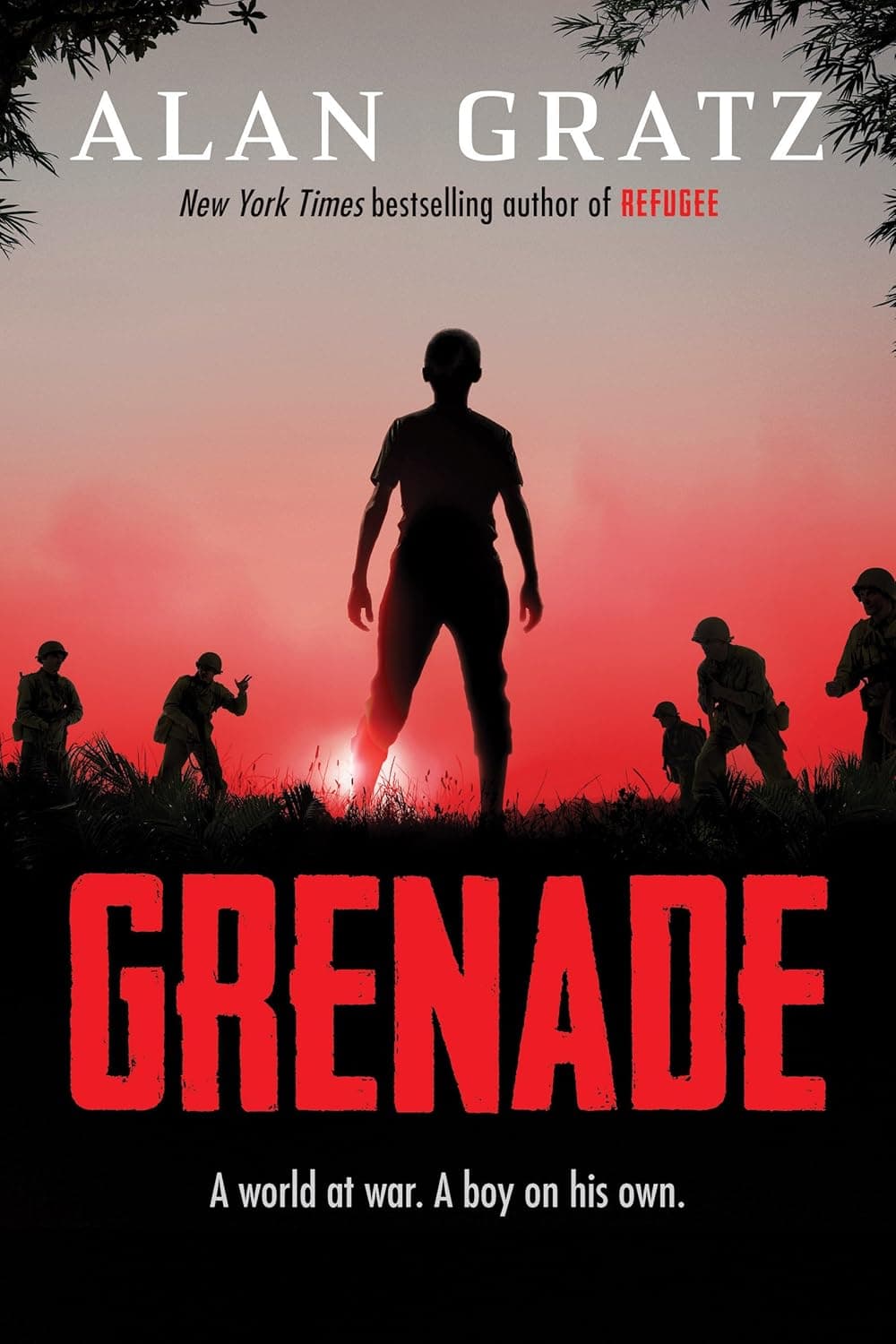
As the battle for Okinawa reaches its breaking point, a boy-turned-soldier chooses vulnerability over violence and leads survivors toward a fragile hope. These chapters turn raw fear into moral clarity, placing surrender, compassion, and spiritual healing against the machinery of war. The result is both a harrowing climax and a quietly defiant vision of renewal.
What Happens
Chapter 41: To Live
At dawn, Hideki Kaneshiro decides the only way to save the eleven survivors is to surrender. Remembering the “HOW TO SURRENDER” leaflets, he insists they appear harmless, even when Masako repeats the propaganda that Americans will kill them. Hideki, who knows terror makes monsters of men, orders everyone—including his sister Kimiko Kaneshiro and the youngest children—to strip to their underclothes.
Before undressing, Hideki removes the oilskin envelope of photographs from Rei’s pack, folds his uniform into his helmet, and sets his last grenade on top. He understands he must leave the weapon behind to live. In choosing exposure over defense, he sheds the imposed identity of a soldier and steps toward a braver, riskier peace—an act rooted in The Nature of Courage and Fear.
Chapter 42: Monsters
Hideki leads the eleven forward, nearly naked, toward the American barricade. The month-long rain suddenly stops, sunlight slices through the clouds, and for a heartbeat everyone—Okinawan civilians and American soldiers—stares. Then a sentry spots them. Rifles rise. Hideki’s hand reaches for a grenade that’s gone.
A towering “bear-man,” Big John Barboza, pushes to the front and barks orders in rough Japanese: don’t move, hands up. The group freezes, obedient and exposed. A single shot cracks the moment—PA-KOW!—and little Kazuo pitches face-first into the mud.
Chapter 43: The Gauntlet
Hideki drops beside the bleeding boy and sees the real cause: fear. War has corroded judgment until violence becomes reflex; “they were all monsters now.” The scene lays bare The Horrors and Dehumanization of War. Big John explodes at the young shooter, wresting away his rifle and roaring at him—proof of dissent, conscience, and leadership inside the “enemy” ranks.
Knowing the shot will draw Japanese soldiers and trigger a crossfire, Hideki rises—mud-caked, hands up—and meets Big John’s eyes. The American’s nod and lowered rifle read as apology and permission. Hideki lifts Kazuo and steps forward. Kimiko and Masako rally the others into a human chain. The group walks the long, exposed corridor between rifles and finally crosses into the American camp.
Chapter 44: Rei
Relief lasts for seconds. A Japanese machine gun erupts from the ridge, tearing into the barricade. Hideki and the children dive behind logs as Big John reloads. He glances at Hideki, startled, and says, “Rei?” He senses the mabui of Ray Majors clinging to Hideki, a spiritual recognition that bridges enemy lines and underscores Identity, Heritage, and Colonialism.
A medic with a red cross armband rushes in and takes Kazuo; others guide Kimiko and the children to safety. Hideki follows, his fear ebbing away from the front. He trusts that behind the lines the Americans turn human again. His body is safe, but his spirit is not. He understands he needs a yuta—a spirit medium—to mend the wound no camp can treat.
Chapter 45: A Beginning
Four days later, Hideki and Kimiko stand in the wreckage of Shuri Castle. The land looks dead. Hideki has spent days collecting photographs from Japanese and American corpses, framing them with rubble and hanging them on a surviving wall—a memorial not to soldiers, but to the men they were “before they became monsters.” Kimiko calls him brave. Hideki insists he was terrified; Kimiko answers that bravery is doing what you must despite fear.
The insight frees Hideki from his family’s shame. He realizes ancestor Shigetomo wasn’t a coward; fear was rational, endurance the real courage. Shigetomo’s mabui departs, finally at peace. Hideki admits he killed an American named Rei. Kimiko already knows—she can see Rei’s spirit on him. But she adds a devastating truth: in the act of killing, Hideki’s own mabui was knocked loose. To retrieve it, he must return to where he lost it.
Hideki chooses first to help Rei find peace. When Kimiko mourns that war’s ghosts will haunt Okinawa forever, Hideki frames the view with his fingers. He pictures a rebuilt island and tells her, “This isn’t the end. It’s a beginning.”
Character Development
These chapters complete a transformation from survival at all costs to purposeful, ethical living. Leadership, empathy, and spiritual accountability replace indoctrination and reflexive violence.
- Hideki Kaneshiro: Renounces the grenade and the soldier’s identity; leads a surrender that risks everything; realizes courage means acting through fear; forgives his ancestor and himself; accepts the spiritual work ahead despite losing his own mabui.
- Kimiko Kaneshiro: Sees spirits clearly and names what ails Hideki; reframes courage for him; steadies the group through the gauntlet; bears the weight of Okinawa’s spiritual trauma while remaining resolute.
- Big John Barboza: Appears as a frightening “bear-man” but proves morally anchored; stops his own man from compounding violence; recognizes Rei’s presence on Hideki, revealing grief and a human bond across enemy lines.
Themes & Symbols
Themes: Courage crystallizes as a choice to be vulnerable when violence feels safer. Hideki’s surrender—naked, unarmed, and deliberate—turns fear into moral action. His later understanding at Shuri Castle reframes family shame as survivorship, redefining heroism as endurance and responsibility.
War’s dehumanization peaks in the panicked shot that wounds a child and in Hideki’s thought that “they were all monsters now.” The photo memorial counters that erasure, restoring the names, families, and faces war tries to strip away. Identity and heritage surface in the shared language of spirits: mabui becomes a bridge between Okinawan belief and American grief, insisting that healing must be cultural and spiritual, not just physical.
Symbols:
- The Last Grenade: Leaving it behind marks a rejection of militarism and the embrace of life over “glorious” death.
- The Photographs: A gallery of common humanity that dissolves the enemy/ally divide and insists on remembrance.
- Shuri Castle: A ruin that becomes a foundation for memory and renewal, turning devastation into a site of beginnings.
Key Quotes
“They were all monsters now.” This thought captures how fear corrodes moral judgment on every side. It reframes the enemy as a condition—terror—rather than a nationality, preparing the ground for Hideki’s radical act of nonviolence.
“Rei?” Big John’s single word recognizes the mabui attached to Hideki and quietly collapses the distance between foes. It signals shared grief and suggests that the spiritual fallout of war crosses languages and uniforms.
“...being brave doesn’t mean not being scared. It means overcoming your fear to do what you have to do.” Kimiko translates experience into doctrine, giving the book its clearest definition of courage. The line releases Hideki from inherited shame and reframes his choices as strength, not failure.
“This isn’t the end, Kimiko. It’s a beginning.” Hideki’s final line turns ruin into intention. By choosing a future vision, he claims agency after being used as a pawn, and he names a path from survival toward rebuilding and reconciliation.
Why This Matters and Section Significance
These chapters deliver both climax and resolution: the perilous surrender completes Hideki’s physical journey, while Shuri Castle completes his moral and spiritual one. The sequence affirms that courage is not killing or dying well, but choosing humanity under maximum pressure. It also insists that the real aftermath of war lives in memory, culture, and spirit. Hideki’s hope, tempered by loss of his own mabui, makes the ending honest and restorative: peace demands remembrance, forgiveness, and the courage to imagine what comes next.