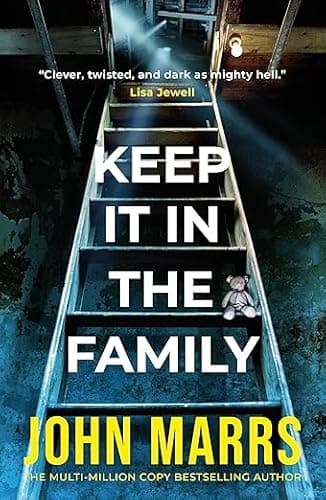
The novel throws the reader headfirst into a tense situation as Mia and her husband, Finn Hunter, arrive at the dilapidated Victorian house they impulsively bought at auction. The atmosphere is thick with unspoken anxiety as they confront the enormity of their decision. This fixer-upper represents their only escape from Finn's overbearing parents, but the state of the house suggests they may have bitten off more than they can chew.
Chapter 1: A Terrifying New Beginning
Mia tries to maintain a positive facade for Finn's sake, though she privately admits they may have made a "bloody huge mistake." The five-bedroom house, located in the village of Stewkbury, was purchased without an inspection after several previous deals fell through. The idea to buy the house came from Finn’s mother, Debbie Hunter, who wanted to renovate it herself, causing immediate tension when Mia and Finn decided to bid. Mia recognizes that the renovation will consume all their time and money, effectively ending their social lives. Despite her doubts, she puts on a brave face, knowing this house is their only path to independence.
Chapter 2: A House of Horrors
The narrative shifts to Finn’s perspective, revealing his equal terror. He feels guilty for taking the renovation opportunity from his parents, who he knows need the money. Like Mia, he hides his true feelings to avoid upsetting her, noticing her nervous habit of rubbing her fingers together. Together, they enter the dark, boarded-up house, documenting its extreme decay. They discover it has been empty for over forty years. The tour culminates in a disturbing discovery: a rope tied into a noose hanging from a hook in the final bedroom. Finn tries to dismiss it as a prank, but neither he nor Mia is convinced. The chapter ends with strained banter about the tension between Mia and Debbie, highlighting the complex family dynamics and the emerging theme of Family Secrets and Lies.
Chapter 3: A Cruel Remark
Back at Dave and Debbie’s house, Mia announces their purchase, but Debbie’s congratulations are cold. Mia resents Debbie’s constant presence and is irritated by a framed photo of Finn with his high school ex-girlfriend, Emma. Debbie belittles Mia’s understanding of the renovation, suggesting only Finn and Dave Hunter will do the "hard work."
The conversation turns cruel when Debbie makes a pointed remark about the house having too many bedrooms for them to fill, a painful reference to Mia and Finn’s struggles with infertility. Devastated, Mia storms out, referring to herself as the "defective daughter-in-law" with "broken bloody ovaries." In a fit of rage, she suggests they leave for a hotel immediately, but Finn calms her down. Mia resolves to have loud, passionate sex, defying Debbie's cutting words and asserting control in her relationship, rebelling against the theme of Manipulation and Control.
Chapter 4: A Father's Burdens
From Dave’s perspective, the aftermath unfolds. He acknowledges Debbie’s comment was cruel but feels Mia was looking for a fight. He worries Debbie’s hostility will drive Finn away. The chapter delves into Dave’s hidden struggles: his construction business has failed, forcing him to take odd jobs, and he is secretly drinking heavily and taking pills to manage a "gnawing physical pain" in his stomach.
Dave reveals his drinking began after "Debbie's diagnosis," a detail left unexplained. He feels a deep devotion to his wife, believing she saved his life. Watching Finn's video of the new house, Dave sees the massive project ahead but hopes it might repair his distant relationship with his son. His internal monologue reveals a man weighed down by secrets, financial pressure, and a protective love for his manipulative wife.
Chapter 5: The Watcher
The perspective shifts to an unnamed, mysterious narrator who is secretly watching Mia and Finn at the house. This individual reveals a deep, personal history with the property, stating they haven't been inside for thirty years but are intrinsically linked to it: "I am it and it is me." They recall a troubled childhood spent there with a brother named George Lewis, remembering their family as "cuckoos" who moved constantly before settling in that house.
The narrator is haunted by traumatic memories, including throwing a chair through one of the bay windows. They analyze Mia and Finn from a distance, noting Mia’s feigned confidence and her reliance on Finn. The chapter concludes with a chilling self-assessment: "To some, I’m a saviour, but to others, I’m a monster," introducing the central mystery and firmly establishing the theme of The Past Haunting the Present. A partial transcript from a podcast, Behind the Headlines, follows, in which a local pub landlady confirms the house has been empty for decades and had a creepy reputation, foreshadowing that something terrible was eventually found inside.
Key Events
- Mia and Finn purchase a dilapidated Victorian house at auction without seeing it first.
- They discover the house is in a state of extreme decay and find a noose-like rope hanging in a bedroom.
- Debbie makes a cruel comment about Mia's infertility, causing a major argument.
- Dave's secret struggles with alcohol, pills, and his failed business are revealed.
- A mysterious former resident of the house is introduced, who is now watching the new owners.
- Foreshadowing from a local resident in a podcast suggests a dark secret is hidden within the house.
Character Development
- Mia: She begins as determined and eager for independence but is deeply insecure about her infertility and her relationship with her mother-in-law. She hides her anxieties behind a facade of positivity.
- Finn: He is portrayed as a pragmatic peacemaker caught between his wife and his mother. He internalizes his stress and avoids confrontation, mirroring Mia's tendency to hide her true feelings.
- Debbie: She is immediately established as the primary antagonist: passive-aggressive, controlling, and capable of extreme cruelty, using Mia's deepest vulnerability against her.
- Dave: He is revealed to be more complex than he first appears, a man burdened by failure, secrets, and a fierce, possibly unhealthy, loyalty to his wife.
- The Narrator: This ominous and mysterious figure is defined by their traumatic past within the house and a chillingly ambiguous moral code.
Themes & Symbols
- Family Secrets and Lies: This theme is central from the outset. Mia and Finn hide their fears from each other, Dave conceals his drinking and financial ruin, and the entire history of the house is a looming secret.
- The Past Haunting the Present: The dilapidated house is a physical manifestation of a dark past that refuses to stay buried. The mysterious narrator's return and the town's collective memory of the "creepy" house show that the past is an active force in the story.
- Manipulation and Control: Debbie’s behavior towards Mia is a clear example of emotional manipulation. She uses personal attacks and passive-aggression to maintain control over her son and undermine her daughter-in-law.
- The House: The house itself is a powerful symbol. For Mia and Finn, it represents a dream of independence and a future family. However, its decaying state and hidden history symbolize the rotten foundations of the Hunter family and the dark secrets it will soon reveal.
Key Quotes
"To some, I’m a saviour, but to others, I’m a monster."
This quote, uttered by the mysterious narrator, encapsulates the moral ambiguity that permeates the novel. It suggests that their actions will be driven by a personal sense of justice or revenge, regardless of the consequences for others. This immediately establishes them as an unpredictable and potentially dangerous force.
"defective daughter-in-law" with "broken bloody ovaries."
Mia's self-deprecating outburst reveals the depth of her pain and insecurity regarding her infertility. Debbie's cruel comment has struck a nerve, exposing Mia's vulnerability and highlighting the power dynamics within the family. This moment underscores the emotional stakes of the story and Mia's desperate desire to be accepted.
Significance
These opening chapters masterfully set the stage for a psychological thriller rooted in domestic tension. They establish the central setting—a house that is both a goal and a source of dread—and introduce the key players and their complex, fraught relationships. The use of multiple perspectives immediately creates dramatic irony, as the reader is aware of the mutual anxieties Mia and Finn hide from each other. Most importantly, the introduction of the mysterious narrator in Chapter 5 shifts the story from a family drama into a suspenseful mystery, promising that the renovation of the house will unearth something far more sinister than just rot and decay.
John Marrs uses several literary techniques to build immediate suspense and intrigue. The shifting first-person perspectives are crucial, allowing the reader insight into the hidden thoughts and secrets of each character. This creates a powerful sense of dramatic irony, particularly between Mia and Finn, whose shared fears could unite them but instead isolate them due to their lack of communication. The house serves as a classic Gothic element—a decaying structure that contains a dark history and mirrors the psychological state of its inhabitants. The foreshadowing is heavy but effective, signaling that the house's history is one of violence and tragedy. The contrast between the mundane stress of a home renovation and the sinister undertones of the house's past creates a compelling narrative hook.