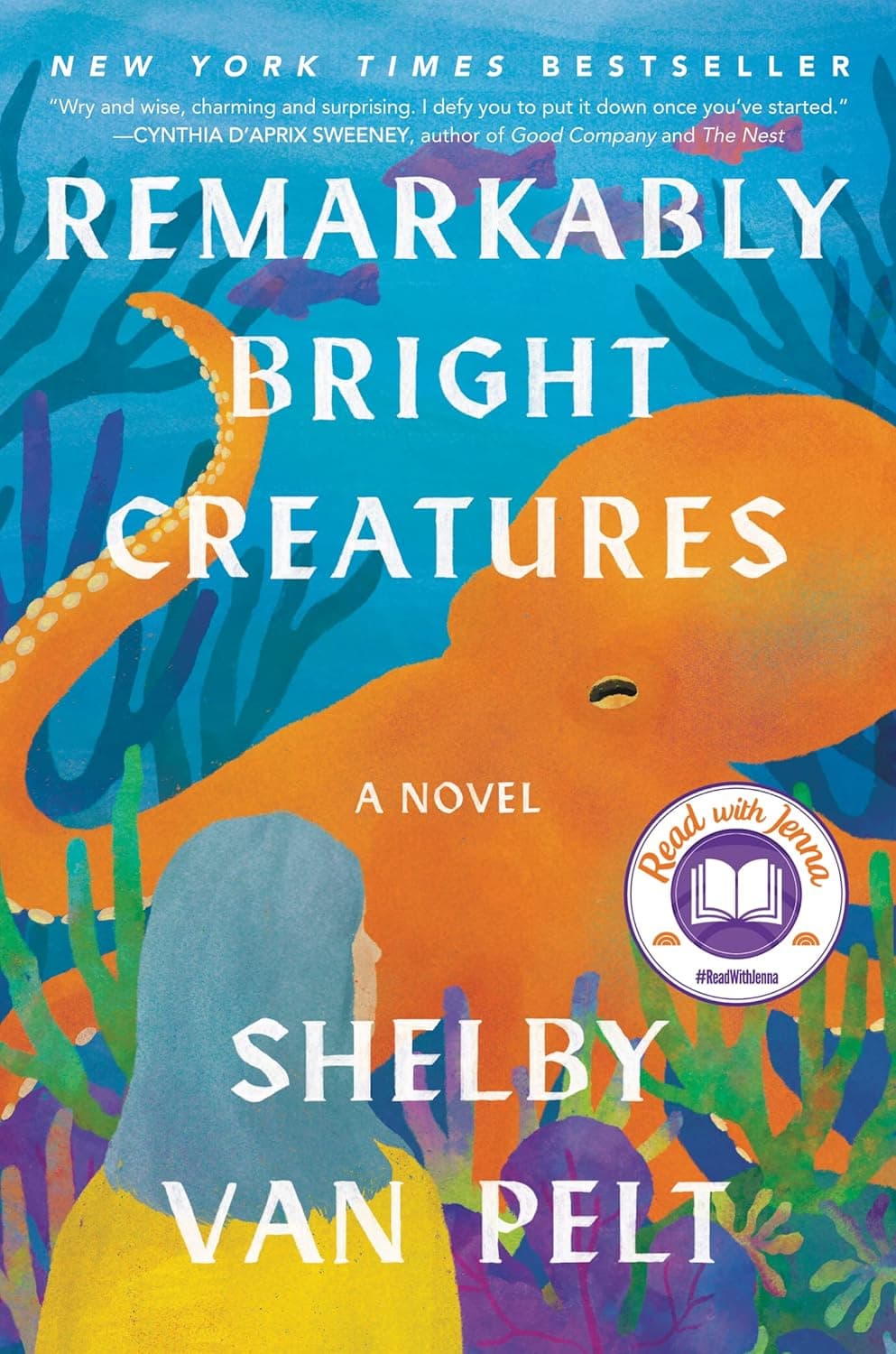
Opening
A foggy slice of Sowell Bay unfolds across four voices. Cameron Cassmore stumbles into responsibility despite himself, Marcellus catalogs captivity with razor wit, Tova Sullivan keeps grief tidy, and Ethan Mack tends a torch he’s afraid to carry. Loneliness hums beneath their days as secrets—some human, some from the sea—begin to surface.
What Happens
Chapter 6: The Welina Mobile Park Is for Lovers
Hungover and driving his friend Brad’s truck, Cameron answers a frantic call from his Aunt Jeanne at the Welina Mobile Park. He arrives to find Jeanne in a standoff with her landlord, Jimmy Delmonico, who cites neighbor Sissy Baker’s complaint about a snake with “yellow eyes blinking” in Jeanne’s towering clematis. Cameron cools the confrontation by dropping a precise fact—snakes can’t blink—an easy, surgical use of Intelligence in Unexpected Places that sends Delmonico scrambling for an exit.
Cameron spends an hour pruning the vine to Jeanne’s exacting instructions. Inside her cluttered, hoarder-ish trailer, coffee turns into an audit of his life. Jeanne already knows he was fired from the construction job she secured for him and laments that he is “so damn smart” yet drifting. They circle his childhood and Daphne Ann Cassmore, the mother who left when he was nine, leaving Jeanne to raise him—a stark portrait of Found and Biological Family.
When Jeanne steps away, Cameron sifts a paper pile and finds a prescription for chlamydia in her name. He confronts her; she shrugs, saying “it’s going around the park.” Before he goes, Jeanne offers a box of his mother’s things. He refuses, hard and flat, refusing the past along with the box.
Chapter 7: Day 1,302 of My Captivity
Marcellus narrates a sterile ritual: Dr. Santiago lures him with scallops into a bucket, doses him, and weighs him. The anesthesia’s “total nothingness” soothes like a temporary break from Confinement and Freedom. He has gained three pounds in a month—news that startles the humans, who mutter about abnormality—while he luxuriates in the superiority of being misunderstood. “What can I say? I am a special guy, after all.”
Chapter 8: June Gloom
Tova shops late at the Shop-Way. Ethan works the register, extends condolences for Lars, her recently deceased brother, and triggers Tova’s inward turn to the long estrangement that followed the death of her son, Erik Sullivan, a vein of Grief and Loss that never clots. Ethan notices the purplish sucker mark on her wrist—a quiet sign of her recent run-in with Marcellus—and Tova neatly repacks her bags after the new bagger’s sloppy job.
Home is silent until a scratch at the door reveals a scrawny gray cat. Tova warms, portioning out a ham-and-cheese gratin left by a well-meaning friend and christening the visitor “Cat.” She leaves it on the porch and returns to the low murmur of late-night news, her tiny act of care lighting the chapter’s pulse of Loneliness and Connection.
Chapter 9: Chasing a Lass
After closing, Ethan sits outside with his pipe, watching the fog and worrying about Tova’s drive home. The gray hush pulls him back to Scotland and to the American woman, Cindy, he once followed to New York. They crossed the country, married, and then—stranded in Aberdeen, Washington, with a dead van—she left. Ethan stayed, working the docks until retirement, then bought the Shop-Way. He grooms himself for Tova’s shifts yet does nothing; the memory that he “broke himself once, chasing a lass” keeps his hope quarantined. The chapter positions him for Second Chances and New Beginnings he still resists.
Chapter 10: Day 1,306 of My Captivity
Marcellus reasserts his vantage as observer and vault. The creatures around him are dull; humans, for all their “millions of words,” refuse to say what they mean. He, however, excels at silence and storage. He likens himself to the ocean—capacious, withholding—and plants a flag of foreshadowing, ushering in Secrets and Uncovering Truth:
The sea, too, is very good at keeping secrets. One in particular, from the bottom of the sea, I carry with me still.
Character Development
These chapters sketch four lives caught between habit and desire, each edging toward change without quite crossing the line.
- Cameron Cassmore: Uses knowledge as a shield and tool, protecting Jeanne with a cool fact, but refuses any bridge to his mother. Drifting at thirty, he’s fiercely loyal to Jeanne and equally rigid in his resentment.
- Tova Sullivan: Maintains immaculate routines to contain sorrow. Feeding “Cat” exposes a soft seam in her control and a readiness—however small—for companionship.
- Ethan Mack: A caretaker by habit and temperament, he tempers yearning with fear. His attentiveness to Tova and reticence to act mark an internal tug-of-war shaped by old abandonment.
- Marcellus: Wry, solitary, and proud, he revels in outthinking everyone. His claim to a sea-kept secret shifts him from comic observer to pivotal keeper of the plot’s hidden hinge.
Themes & Symbols
Loneliness and Connection threads through every scene. Cameron’s competence shows up for Jeanne but not for himself; Tova’s ritualized nights crack open for a stray; Ethan hovers at the Shop-Way’s threshold, caring from a distance; Marcellus basks in isolation while yearning to be understood. Small gestures—pruning a vine, repacking groceries, setting down a dish for “Cat”—become the currency of intimacy.
Secrets and Uncovering Truth gathers momentum. Cameron’s nosing through Jeanne’s papers uncovers a personal embarrassment, and Marcellus’s closing lines promise a deeper, older secret tied to the sea. Alongside this mystery, Found and Biological Family sharpens: Jeanne is Cameron’s true parent, while Daphne’s absence calcifies his anger. Confinement and Freedom shapes Marcellus’s inner world, and Second Chances and New Beginnings shadow Ethan’s story as he weighs the risk of moving toward Tova.
Symbol: The Stray Cat pads into Tova’s life like a test balloon for attachment. Naming “Cat” and feeding it represent a gentle breach in her self-protective solitude, a living reminder that connection might be simple, present, and ask to be let in.
Key Quotes
“So damn smart.” Jeanne nails Cameron’s paradox: intelligence unmoored from purpose. The line stings because it’s love and frustration in one breath, spotlighting how Cameron’s gifts curdle without direction.
“It’s going around the park.” Jeanne’s offhand explanation reframes shame as community truth. The blunt phrasing undercuts Cameron’s outrage and reveals Jeanne’s pragmatic, unflustered stance toward messy realities.
“What can I say? I am a special guy, after all.” Marcellus’s swagger rides on data (that sudden weight gain) and personality. The boast is humorous, but it also asserts his narrative authority—he knows more than the humans do.
He “broke himself once, chasing a lass.” Ethan’s self-indictment crystallizes how past hurt governs present caution. The line explains his tenderness and his paralysis, setting a high emotional bar for any future risk.
“The sea, too, is very good at keeping secrets. One in particular, from the bottom of the sea, I carry with me still.” This couplet turns atmosphere into plot. The ocean becomes an accomplice, and Marcellus moves from observer to custodian of the story’s central mystery.
Why This Matters and Section Significance
These chapters build the novel’s spine: four solitary lives circling the same bay, each constrained by habit, history, or glass walls. The multi-perspective structure seeds dramatic irony—we see the potential bridges long before the characters step onto them. Most crucially, Marcellus’s vow of a sea-kept secret promises convergence. His knowledge is the thread that will pull Cameron’s resistance, Tova’s grief, and Ethan’s caution into the same knot—and, eventually, loosen it.