Opening
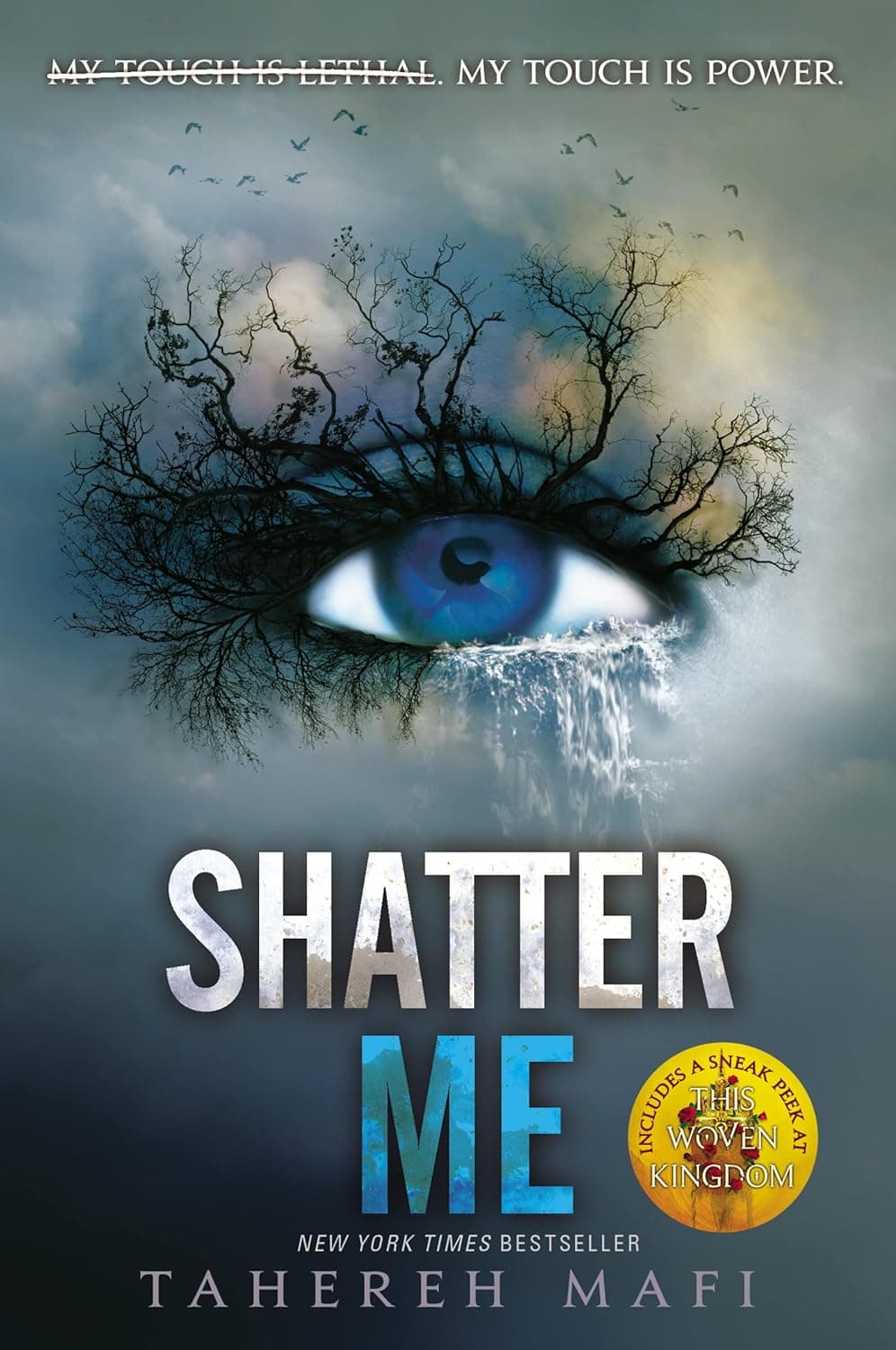
After the torture chamber, Juliette Ferrars breaks—until Adam Kent steps into the shower, into her despair, and tells her she is not a monster. His confession detonates the plot and her identity at once, pushing them into a high-stakes escape that forces a reckoning with Warner, power, and the possibility of love. These chapters pivot the story from captivity to flight, and from self-loathing to fragile hope.
What Happens
Chapter 26: My Bird
Juliette curls on the shower floor, wishing for oblivion and cursing a body she sees as a weapon. Adam enters fully clothed, holds her, and rejects Warner’s narrative: she is not monstrous; what happened is not her fault. When she asks why he would care for her, his answer is spare and irrevocable: he loves her. The confession floods her with disbelief and relief, and their first kiss feels like it knits split seams back together.
Touch, once terror, becomes salvation. The theme of Isolation vs. Human Connection crystallizes as Juliette asks to see Adam’s bird tattoo—the symbol she has clung to as the idea of freedom. “You’re my bird,” she tells him. “You’re going to help me fly away.” Their intimacy intensifies—until a blaring “CODE SEVEN” rips through the facility. Adam moves to protect her, but Warner arrives, clocking the ripped dress, the wet clothes, the truth of their closeness. He finds Juliette’s hidden notebook—her secret resistance—just before Adam reappears with a gun leveled at Warner’s head.
Chapter 27: Don't Underestimate Me
Adam holds Warner at gunpoint and demands safe passage. Warner draws on Juliette, forcing a sick equilibrium—until Juliette knocks his weapon away herself. In that instant she steps out of the victim role, a decisive stride toward Self-Acceptance and Identity. Unarmed, Warner pivots to manipulation, insisting Adam is using her and that only he can offer future, power, and even love.
Juliette clocks the truth about the “CODE SEVEN”: it’s a drill. Time is closing. She and Adam tie Warner to a chair and choose the window—literally—rappelling down fifteen floors. Warner unravels, screaming her name, and then sees Adam ready to catch her. The revelation lands: Adam can touch her. In a final lunge, Warner grabs Juliette’s bare leg—and nothing happens to him. The escape continues under the pressure of Freedom vs. Oppression, while Juliette prays Warner hasn’t processed what his touch means.
Chapter 28: Everyone Thinks I'm Dead
Sirens howl. Loudspeakers declare curfew and brand Adam and Juliette as armed insurgents. Adam’s training keeps them ahead, but Juliette’s body, starved by years of confinement, lags; he lifts her and carries her through forbidden zones where vehicles can’t follow. He leads her into a fenced wasteland: the ruins of a nuclear plant.
Here, his strategy unfolds. The radiation scrambles the tracking serum embedded in soldiers, tricking the system into registering him as dead. They gain time. He explains what he learned from Warner’s files: Juliette’s old medical records show she is immune to the radiation—another clue to the singular nature of her physiology and power. When Adam promises to take her “home,” the idea itself feels revolutionary, soaking the moment in Love and Hope.
Chapter 29: It's Always Good to Be Prepared
Adam’s plan has more layers. In a derelict shed, he reveals a working military tank he previously convinced Warner to abandon as “broken” by radiation. What once embodied oppression now becomes their vehicle to freedom, evidence of Adam’s foresight and his refusal to leave their fate to chance.
Inside the tank’s dark hull, adrenaline softens into intimacy. Adam cleans the cuts on Juliette’s legs from the rappel, and the quiet, enclosed space turns their flight into a cocoon where touch finally feels safe and wanted. He tells her they’re headed to his house—a word that holds heat, shelter, and the promise of belonging.
Chapter 30: Me and You Against the World
They drive in near-silence. Adam shares that his abusive father is dead, a shard of shared pain that deepens their bond. In the blacked-out sublevels of a parking structure, they stop, and emotions surge again. Adam admits he has loved her since childhood but never felt worthy. He praises her restraint: she could have turned her power on those who hurt her and never did.
A boy’s voice interrupts: “Adam?” The reunion is pure joy. Adam introduces him to Juliette as his brother—“Juliette, this is my brother, James Kent.” With James, the escape reframes itself. They are not only running from a regime; they are running toward a family—however hidden, however fragile.
Character Development
Juliette’s internal axis tilts. Adam’s unwavering care gives her enough light to see herself differently, and she acts on that new vision. Adam, in turn, reveals a mind as strategic as his heart is steady. Warner fractures, exposing obsession beneath control, while James embodies the life worth saving.
- Juliette: Moves from suicidal despair to self-assertion; disarms Warner; accepts care and begins to author her identity rather than submit to Power and Control.
- Adam: Confesses long-standing love; executes a multilayered escape (drill timing, radiation zone, hidden tank); protects both Juliette and James with tenderness and discipline.
- Warner: Shifts from icy command to fraying obsession; tries psychological coercion; unintentionally reveals he can touch Juliette without harm.
- James: Represents innocence and family; centers Adam’s choices and offers Juliette a glimpse of ordinary love and belonging.
Themes & Symbols
These chapters braid connection, liberty, and identity into action. Isolation collapses in the shower when touch becomes healing rather than harm, and that current runs through every choice that follows. Flight from Sector 45 literalizes the fight for freedom, while the standoff with Warner forces Juliette to declare who she is—by what she does.
Symbols sharpen the arc. The bird tattoo turns Adam into a living emblem of escape. Juliette’s notebook—seized but not silenced—marks her inner autonomy. The tank, reclaimed from the regime’s arsenal, becomes a moving thesis: tools of oppression can be repurposed for liberation.
Key Quotes
“Because I’m in love with you.”
- Adam’s confession replaces Juliette’s self-hatred with a new frame: she is wanted, not weaponized. It ignites both the romance and the escape, proving that emotional courage can reroute the plot.
“You’re my bird… you’re going to help me fly away.”
- Juliette fuses her private symbol with a person. Freedom stops being an abstract wish and becomes actionable—with Adam as both catalyst and companion.
“Don’t underestimate me.”
- Juliette’s disarming of Warner condenses her turning point into a single act and stance. She refuses the narrative assigned to her and chooses her own.
“Everyone thinks I’m dead.”
- Adam’s line at the irradiated zone reframes their flight as strategic as well as desperate. It underscores his tactical mind and the temporary safety of invisibility.
“Home.”
- This small word becomes a promise of safety and identity. For Juliette, it names the future she has never been allowed to imagine.
Why This Matters and Section Significance
This sequence is the novel’s hinge: the plot shifts from containment to pursuit, and Juliette shifts from object to agent. The romance doesn’t just sweeten the story; it powers decisions, risks, and a new self-concept capable of resisting a regime.
Two revelations cast long shadows over the series: Adam’s ability to touch Juliette, and Warner’s accidental immunity to her skin. Together, they complicate allegiance, destabilize a simple hero–villain binary, and deepen the mystery of Juliette’s body and fate. The world also widens—out of Sector 45 and into the ruined landscape—making space for found family and the cost of freedom.