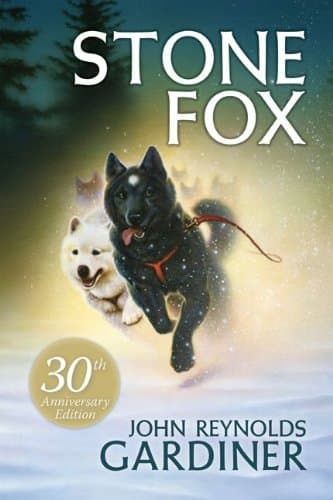
This curated set of quotes from Stone Fox traces the story’s beating heart—determination, love, and sacrifice—through lines that are spare yet devastating. Dialogue and narration work together to chart Little Willy’s moral growth and the community’s quiet witness, culminating in an ending that lingers because it is both just and unbearably tender.
Most Important Quotes
The Unbreakable Family Bond
"We're a family, don't you see? We gotta stick together!"
Speaker: Little Willy | Location: Chapter 2 | Context: Willy says this to Doc Smith after she suggests sending his grandfather to Mrs. Peacock and giving Searchlight to another farmer.
Analysis: Willy’s outcry is the emotional engine of the book, defining “family” not as a legal category but as a lived promise. His insistence that he, his Grandfather, and Searchlight remain together reframes the plot as a defense of a fragile home rather than a mere scramble for money. The line also signals his early step into adult burdens, a crucial move in his responsibility and coming of age. Its plainspoken urgency makes it memorable: a child’s creed that quietly commits him to the backbreaking work and perilous race to come.
The Sickness of Despair
"I'm sorry, child, but it appears that your grandfather just doesn't want to live anymore."
Speaker: Doc Smith | Location: Chapter 1 | Context: After examining Grandfather, Doc Smith tells a stunned Willy that the problem isn’t medical—Grandfather has lost the will to live.
Analysis: This diagnosis shifts the story from physical illness to a crisis of spirit, inaugurating the theme of Hope Against Despair. It elevates the stakes: a cure can’t be prescribed by medicine; it must be earned by restoring meaning and security. For a ten-year-old, the challenge is both abstract and enormous, forcing Willy to identify the true source of Grandfather’s despair—the crushing tax debt—and confront it directly. The line’s sober compassion also grounds the book’s tone: honest about hardship, yet open to grace.
The Ultimate Act of Compassion
"Anyone crosses this line—I shoot."
Speaker: Stone Fox | Location: Chapter 10 | Context: After Searchlight collapses near the finish, Stone Fox halts the race, draws a line in the snow, and protects Willy’s right to finish.
Analysis: Spoken by the silent, formidable champion, this threat becomes an instrument of mercy, crystallizing the theme of Compassion and Unexpected Kindness. The line’s starkness—part warning, part vow—turns a contest into an honor ritual, where victory is measured by dignity rather than time. Stone Fox’s choice to sacrifice certain triumph for a grieving child reframes him from antagonist to moral equal, even mentor-by-deed. The image of a single line in the snow becomes symbolic boundary and benediction, granting Willy a space to complete his promise.
Thematic Quotes
Determination and Perseverance
A Boy’s Vow
"I'll win!" little Willy said. "You'll see. They'll never take this farm away."
Speaker: Little Willy | Location: Chapter 5 | Context: After discovering the race poster and its $500 prize, Willy shows it to his bedridden grandfather.
Analysis: Willy converts fear into resolve, translating a financial crisis into a single, actionable goal. His promise is both childish and profound: naïve about odds, but unwavering about duty to home and family. That mixture—courage trimmed with innocence—propels the plot from reactive survival to purposeful striving. The line sets the tempo for the rest of the book, a steady drumbeat against doubt that echoes to the finish.
The Power of Will
"Grandfather says that those that want to bad enough, will. So I will. I'll win. I'm gonna beat you."
Speaker: Little Willy | Location: Chapter 7 | Context: Willy confronts Stone Fox in the barn the night before the race, explaining why he must win.
Analysis: Willy retools his grandfather’s maxim into a manifesto, turning desire into destiny. The repetition—“I will… I’ll win”—works like self-hypnosis, a rhetorical rhythm that emboldens a weaker competitor against a legend. Dramatic irony shades the scene: in declaring his need, Willy gives Stone Fox the very context that will later awaken his compassion. The moment fuses theme and character—unyielding will born from love—and lays the moral groundwork for the ending.
Love and Sacrifice
A Promise to a Friend
"I won't ever give you away. Ever. I promise."
Speaker: Little Willy | Location: Chapter 2 | Context: After Doc Smith suggests giving Searchlight to another farmer, Willy kneels and vows loyalty to his dog.
Analysis: Willy’s pledge formalizes what the book treats as sacred: the kinship between boy and dog. The promise also foreshadows the novel’s costliest gift, as Searchlight will run beyond endurance to keep faith with him. By staking everything on their bond, Willy defines “family” as chosen and kept, a value underscored in the Full Book Summary. The childlike wording deepens the pathos—simple words that bind, and later, break the heart.
A Final Farewell
"You did real good, girl. Real good. I'm real proud of you. You rest now. Just rest."
Speaker: Little Willy | Location: Chapter 10 | Context: Moments after Searchlight’s heart bursts, Willy cradles her and speaks these words.
Analysis: In the instant of loss, Willy offers praise, not protest, embodying love that comforts rather than clings. The repetition—“real good… real good”—reads like a lullaby, a rhetorical softening that grants peace to a life spent in service and speed. The tenderness heightens the tragedy by refusing melodrama; grief is intimate, not loud. This benediction turns victory hollow and holy at once, preparing the silence that follows.
Character-Defining Quotes
Little Willy
"I'll find out. I'll find out what's wrong and make it better. You'll see. I'll make Grandfather want to live again."
Speaker: Little Willy | Location: Chapter 1 | Context: Right after Doc Smith explains that Grandfather has lost the will to live, Willy makes this vow.
Analysis: Willy’s response to despair is action, not avoidance—childlike in its simplicity, heroic in its scope. The anaphora (“I’ll… I’ll… I’ll…”) stages his mindset as momentum, a linguistic push against paralysis. By assuming responsibility beyond his years, he becomes the story’s moral center, the one person unwilling to call the problem insoluble. This promise seeds every decision that follows, from the potato harvest to the starting line.
Grandfather
"Don't accept help unless you can pay for it... Especially from friends."
Speaker: Grandfather (recalled by Willy) | Location: Chapter 2 | Context: Willy remembers this advice when a friend offers help with the potato harvest.
Analysis: Grandfather’s creed reveals a man defined by pride and reciprocity, virtues that curdle into self-denial when debts mount. The guideline explains both his silence and his surrender: to owe is worse than to lose. It also shapes Willy’s ethic, pushing him toward self-reliance and away from charity, even when help is offered in love. The tension between integrity and survival fuels the book’s central conflict—taxes become not just a bill but a moral injury.
Stone Fox
"Stone Fox refused to speak with the white man because of the treatment his people had received."
Speaker: Narrator | Location: Chapter 6 | Context: The narrator recounts Stone Fox’s history and motives after he enters the race.
Analysis: This line reframes Stone Fox from obstacle to agent of justice, his silence a deliberate protest rather than a quirk. His purpose—to restore what was taken from his people—mirrors Willy’s mission to save his home, aligning rivals under a shared ethic of repair. The narrator’s concise exposition supplies moral depth without softening his aura of danger. Understanding this code makes his final mercy legible: compassion as an extension of honor.
Doc Smith
"First, I want you to know that I think you're a darn fool for using your college money to enter that race... But, since it's already been done, I also want you to know that I'll be rooting for you."
Speaker: Doc Smith | Location: Chapter 7 | Context: On the eve of the race, Doc Smith brings medicine for Grandfather and shares her frank opinion and support.
Analysis: Doc Smith marries realism to warmth, voicing adult caution while blessing a child’s brave gamble. Her bluntness gives the book ballast, acknowledging risk where others offer platitudes. Yet her quick pivot to encouragement recognizes that courage sometimes demands imprudence. She personifies the community’s arc—skeptical at first, then united behind steadfast effort.
Clifford Snyder
"You can't take our farm away!" little Willy screamed... "Oh, yes, we can," Clifford Snyder said, smiling, exposing his yellow, tobacco-stained teeth.
Speaker: Clifford Snyder | Location: Chapter 4 | Context: After revealing the $500 tax debt, the tax collector answers Willy’s plea with a cruel smile.
Analysis: Snyder embodies the unfeeling face of bureaucracy: legal authority stripped of empathy. The grotesque image of “yellow, tobacco-stained teeth” paints him as predatory, turning a rule into a threat. He is the book’s cold counterweight to Doc Smith’s kindness and Stone Fox’s honor, a reminder that not all power has a conscience. This exchange crystallizes the stakes: Willy isn’t just racing time—he’s racing a system.
Memorable Lines
The Cost of Victory
"She was a hundred feet from the finish line when her heart burst. She died instantly. There was no suffering."
Speaker: Narrator | Location: Chapter 10 | Context: The narrator describes the moment of Searchlight’s death at the end of the race.
Analysis: The clinical phrasing intensifies the blow, replacing sentiment with fact to let the reader supply the grief. “Her heart burst” reads as both literal and emblematic: a body spent in absolute devotion. The final reassurance—“There was no suffering”—is a thin comfort, emphasizing the swiftness that makes the loss so shattering. It’s a line you cannot unhear, the price of love laid bare.
Worth Fighting For
"Yes, sir... There are some things in this world worth dying for."
Speaker: Grandfather (recalled by Willy) | Location: Chapter 8 | Context: As Willy heads to town on race day, he looks back at the farm and remembers his grandfather’s words.
Analysis: This remembered creed elevates the coming race into a moral test: some loyalties outrank safety. It casts Willy’s journey as a defense of belonging—home, land, and the people and creatures bound to them. The line quietly foreshadows the sacrifice to come, aligning purpose with loss. In a book of few words, it’s the philosophy that explains them all.
Opening and Closing Lines
Opening Line
"ONE DAY GRANDFATHER wouldn't get out of bed."
Speaker: Narrator | Location: Chapter 1 | Context: The first sentence of the book.
Analysis: With stark economy, the opening sets the plot in motion and the mood in place—intimate, urgent, and spare. The capitalization of “ONE DAY” gives the plain sentence a tolling quality, like a bell marking before and after. Its simplicity invites readers directly into Little Willy’s problem-solving world without exposition. From this small sentence grows a story about obligation, love, and responsibility and coming of age.
Closing Line
"The town looked on in silence as little Willy, carrying Searchlight, walked the last ten feet and across the finish line."
Speaker: Narrator | Location: Chapter 10 | Context: The final sentence of the book.
Analysis: The image of a boy carrying his dog across the finish line seals the novel’s paradox: a victory emptied of triumph yet full of meaning. The town’s silence functions as communal witness, a collective acknowledgment of cost and courage. By finishing together, Willy honors the bond that defined his quest from the start. The line echoes after the book closes, a shared hush that includes even Stone Fox and the reader in its reverence.