Opening
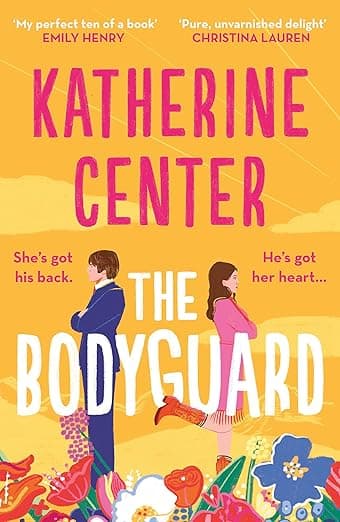
Hannah Brooks’ job is to keep her heart out of it—but the longer she protects Jack Stapleton, the more their fake romance starts to feel real. Across these chapters, danger escalates, family wounds reopen, and the private sanctuary they build together collides with a public storm. By the end, one vicious accusation detonates Hannah’s fragile trust, and everything she’s begun to hope for slips out of reach.
What Happens
Chapter 16: City Slicker
After the blowup between the brothers, Hannah Brooks sits in a hammock chair and admits the truth she’s been dodging: she has to quit. The real Jack Stapleton is too magnetic, and the “act” between them is bleeding into reality. She resolves to call Glenn Schultz and resign, knowing romance with a principal compromises judgment.
Gunshots crack across the ranch. Hannah sprints toward danger—only to find Jack’s father, Hank Stapleton (Doc), casually plinking bottles and calling her a “city slicker,” insisting the rifle is “a little tough for ladies to handle.” Stung, she steps up and annihilates a line of bottles from the hip, fast and flawless. When she glances up, Jack watches from a distance. He salutes; she nods back. The respect is real, even if she’s determined to walk away.
Chapter 17: Coerced Impregnation
At surveillance HQ, Hannah catches Robby and Taylor entangled, confirming their affair. Her call to Glenn goes to voicemail—and then the stalker case explodes: the “Corgi Lady” spray-paints hearts on Jack’s Houston house and leaves “gifts,” from a hand-knit sweater with his face to puppy photos to nude selfies. A note demands Jack impregnate her “sometime this spring.” Hannah pivots back to the job, updating protocols and postponing her resignation.
Back at the ranch, Jack runs to her and sweeps her into a hug for the parental audience in the window—another performance that feels true. When she briefs him, he laughs hard at the “coerced impregnation” note and admits he hasn’t laughed in years; she points out he laughs constantly around her. Clipper, a retired circus horse, ambles over; Jack vaults into acrobatic tricks, then coaxes Hannah into a gentle ride that steadies her. She opens up about the last family vacation—how her father abandoned them mid-trip. The moment breaks when Doc shouts that Connie Stapleton has collapsed.
Chapter 18: Scrubs
Hannah drives Connie to the hospital at high speed. Unmasked, Jack is recognized immediately, and tension spikes into a full-blown waiting-room altercation. Doc tells Jack he forfeited his place in the family and cocks his fist to punch. Hannah intercepts his wrist, neutral and effective, as camera phones rise around them.
To avoid a media spiral, Hannah pulls Jack into a supply closet. A text comes in: Connie is stable—dehydration and vertigo. In the dim quiet, Jack finally explains: Doc resents him because Drew Stapleton died while he lived. Jack says he was the “dumb one” growing up, hampered by learning disabilities, with Drew as his protector; without Drew, he’s adrift. Hannah finds scrubs to smuggle him out. When she suggests an eyeliner mustache, Jack dissolves into silent laughter—ridiculous and intimate relief in a too-bright day.
Chapter 19: Dream a Little Dream of Me
No hospital photos surface, and the ranch settles into a hush. Connie recovers, rescuing old dolls for a women’s shelter. Doc spins records in the evenings. Jack insists they dance in the kitchen—essential, he claims, for their “fake” relationship. Hannah starts to fall not just for him, but for the family warmth she’s never known.
Their conversations deepen. He talks about fame’s isolation and how it entangled with his grief over Drew, pushing him to step back. He recognizes the song she hums: “Dream a Little Dream of Me,” a memory key to her mother in happier times. The door opens to Hannah’s past: the abusive stepfather, the night he beat her mother, the closets where she still sleeps to feel safe. Jack listens, wipes her tears, and holds her as if the holding itself is a promise.
Chapter 20: A Catastrophically Bad Idea
The sanctuary ruptures when a hospital photo finally goes viral. Threat level jumps to orange. Hannah runs to HQ and walks into chaos: Glenn tearing into Robby and a sobbing Taylor—Robby has dumped her. Glenn rants about workplace romances, even citing Hannah and Robby’s old breakup, then calls Hannah the “gold standard” for getting dumped professionally.
Robby corners Hannah, confesses he wants her back, and admits watching her and Jack on the monitors is “torture.” When she refuses, he goes mean. He sneers that she’s idiotic to think a star like Jack could want her; he’s just bored and acting. The poison takes. Walking back to the ranch, Hannah reinterprets every touch as performance. Jack jogs toward her, says he missed her. She freezes him out: “I think you’re a much better actor than anybody gives you credit for.” The fantasy implodes. She understands, with a jolt of shame, the Corgi Lady’s delusion—and recognizes her own.
Character Development
Across these chapters, the personal becomes the plot. Professional boundaries erode into intimacy; intimacy meets old wounds; old wounds dictate new choices.
- Hannah Brooks: Moves from rigid professionalism to hard-won vulnerability—sharing her deepest trauma—then snaps back into self-protection when jealousy and shame are weaponized against her.
- Jack Stapleton: Shifts from charming principal to layered, grieving man. He reveals insecurity about his intelligence, dependence on Drew, and a moral weariness with fame, all while finding laughter and ease with Hannah.
- Robby: Exposed as possessive and manipulative—wanting Hannah back on his terms and, when rejected, dismantling her joy by exploiting her insecurities.
- Connie and Doc: Connie embodies resilience and care; Doc’s gruffness masks grief and bitterness. Together, they show a family stalled by loss but still capable of tenderness.
Themes & Symbols
The chapters entwine Love and Vulnerability with risk. Hannah proves that protection can’t coexist with intimacy without cost. Only when she lets Jack see the truth—closets, fear, and all—does their bond deepen. That same openness leaves her exposed to Robby’s targeted cruelty.
Appearance vs. Reality runs through the ranch like a live wire. The fake dating looks real because it is, in ways no camera can prove. Kitchen dancing and hospital scrubs read as cover stories, but they’re also how two people learn to trust. Then one bitter comment flips the frame, and what felt authentic suddenly looks staged.
The gravitational pull of Grief, Family, and Healing shapes every encounter. The Stapletons’ hierarchy rearranges in Drew’s absence; Doc’s anger is grief with its teeth bared. Jack and Hannah become each other’s soft landing, testing whether care can outpace sorrow.
Finally, Protection and Security widens from bodyguard protocols to emotional armor. Hannah can intercept a punch and outshoot Doc, but she can’t stop a sentence from detonating her trust. The supply closet and the ranch become provisional safe rooms—until they aren’t.
Symbols
- The Supply Closet: Once a childhood refuge, it becomes a shared sanctuary where secrets feel sayable. By transforming fear-space into trust-space, it marks a turning point in their intimacy.
- “Dream a Little Dream of Me”: A lullaby of lost safety that resurfaces as an emotional map. By naming the song, Jack helps Hannah locate and voice a part of herself she buried.
Key Quotes
“A little tough for ladies to handle.” Doc’s condescension spotlights the gendered doubt Hannah faces—and underestimates. Her pinpoint shooting flips the power dynamic, earning Jack’s salute and reframing her as not just a professional, but exceptional.
“Sometime this spring.” The stalker’s language is delusional and transactional, turning intimacy into an entitlement. It jolts the threat level and forces Hannah to reassert boundaries she’s losing elsewhere.
“I haven’t laughed in years.” Jack’s confession collides with his easy laughter around Hannah, signaling how their connection cracks open his grief-shell. Joy appears where he thought it couldn’t.
“Dream a Little Dream of Me.” The song ties memory to safety, mother to comfort. When Jack identifies it, he gives Hannah a bridge back to herself, enabling the confession that changes their relationship.
“I think you’re a much better actor than anybody gives you credit for.” Hannah’s line weaponizes Jack’s craft against him—and against herself. It’s self-sabotage born of humiliation and fear, turning intimacy into theater in a single stroke.
Why This Matters and Section Significance
These chapters are the novel’s emotional hinge. The fake-dating rom-com scaffolding yields to a deeper story about trauma, grief, and the terrifying courage it takes to be known. Hannah’s backstory clarifies her career choices and her guardedness; Jack’s reveals how love and loss coexist in him. Together, they build something tender and real inside a staged arrangement.
Then the exterior world intrudes—media, jealousy, surveillance—and one targeted taunt cracks the foundation. The central conflict now shifts inward: Hannah must decide whether to trust her own experience over a cynic’s narrative. The ranch’s dream dissolves, but the question remains: can the relationship survive outside the safe room?