What This Theme Explores
Belonging and Otherness in The Cruel Prince asks what “home” means when every system is built to reject you. For Jude Duarte, a mortal in a land of immortals, belonging is not the reward for good behavior but the prize of a successful power grab. The theme probes how exclusion shapes identity: otherness becomes both a wound and a weapon, hardening ambition even as it isolates. Ultimately, the story argues that when acceptance is rigged against you, belonging must be created—often by remaking the rules themselves.
How It Develops
At first, Jude experiences otherness as raw vulnerability. Torn from the mortal world and raised by her parents’ killer, Madoc, she and her twin, Taryn, absorb continual humiliation from the Gentry, especially Prince Cardan. Jude believes she can earn a place as a knight—merit as a bridge over the moat of her mortality—while Taryn pursues assimilation through romance and compliance.
The middle of the novel shatters that assumption. Denied knighthood and subjected to increasingly cruel games, Jude sees that playing by Faerie’s rules only keeps her in her assigned place. Her human qualities—ambition, adaptability, and the capacity to lie—emerge not as defects but as advantages. A visit to the mortal world reveals that she no longer belongs there either; Faerie has shaped her too deeply. The realization is brutal but clarifying: she cannot go back, so she must go forward by taking power.
By the end, Jude embraces the outsider’s edge. She builds leverage through secrecy and strategy, turning her difference into a tool that the Folk cannot anticipate. Instead of being invited into the circle, she draws her own—placing herself at the center by controlling the throne’s occupant. Belonging arrives not as acceptance but as indispensability and fear, a new identity forged from the very traits that once marked her as lesser.
Key Examples
Jude’s journey makes the theme visceral through repeated confrontations with her status as “other,” each encounter pushing her from yearning to ruthless agency.
-
Constant reminders of mortality: Cardan and his friends try to reduce Jude to dirt—temporary and contaminating—a worldview that denies her complexity and permanence. Their contempt hardens her resolve to claim a place they insist she cannot have.
“Dirt. It’s what you came from, mortal. It’s what you’ll return to soon enough. Take a big bite.” — Chapter 1-5 Summary
-
Alienation in both worlds: In the mortal world, Jude feels spectral, unable to inhabit the life she might have lived. When her Faerie-honed instincts erupt in sudden violence, she recognizes that she belongs nowhere—and therefore must make Faerie the place she fights to claim.
When I am here, though, I feel like a ghost. — Chapter 6-10 Summary
-
Weaponizing otherness: Prince Dain recruits Jude precisely for the human skills Faeries lack, reframing her mortality as an asset rather than a shame. With this invitation, otherness becomes utility, and utility becomes power.
“I need someone who can lie, someone with ambition. Spy for me. Join my Court of Shadows. I can make you powerful beyond what you might ever hope.” — Chapter 16-20 Summary
Character Connections
Jude is the theme’s crucible. As charted in the Full Book Summary, she begins by chasing legitimacy through service, only to learn that a rigged hierarchy will never reward her merit. Her ambition, forged by exclusion, redefines belonging as control; she chooses fear and leverage over the fickle currency of approval.
Taryn takes the opposite route, seeking acceptance through assimilation—pleasing, conforming, and aligning herself with Faerie custom and marriage. She reveals the cost of this strategy: to be admitted, one must disappear. Her path exposes how “belonging” can function as erasure, a bargain Jude ultimately refuses.
Vivienne inverts the dynamic. As Madoc’s biological daughter, she has a birthright in Faerie yet chooses the mortal world, demonstrating that belonging is as much a matter of allegiance and self-conception as lineage. Her refusal highlights the theme’s core question: Where do you claim yourself, and on what terms?
Cardan enforces otherness while wrestling with his own. His cruelty polices Jude’s boundaries, but it also masks insecurity—despised by his father and brutalized by Balekin, he lashes out to avoid being seen as powerless. Cardan’s arc underscores how hierarchies produce outsiders at every level; the humiliator and the humiliated are shaped by the same system.
Symbolic Elements
Mortality and physicality: Jude’s round ears, blunt fingers, and “mayfly” lifespan are constant, visible markers of exclusion. They make difference inescapable, turning her body into a frontier where belonging and denial are negotiated.
Faerie fruit: The everapple functions as an asymmetry of biology—mere sustenance for Faeries, intoxicant and coercive tool for humans. When Jude is forced to eat it, her agency is literally overwritten, dramatizing how power cultures strip outsiders of consent.
The mortal world: Malls, clothing, and human routines operate like a costume Jude can no longer wear. These spaces signify a home that is lost not by distance but by transformation; she has been remade by Faerie and cannot return to who she was.
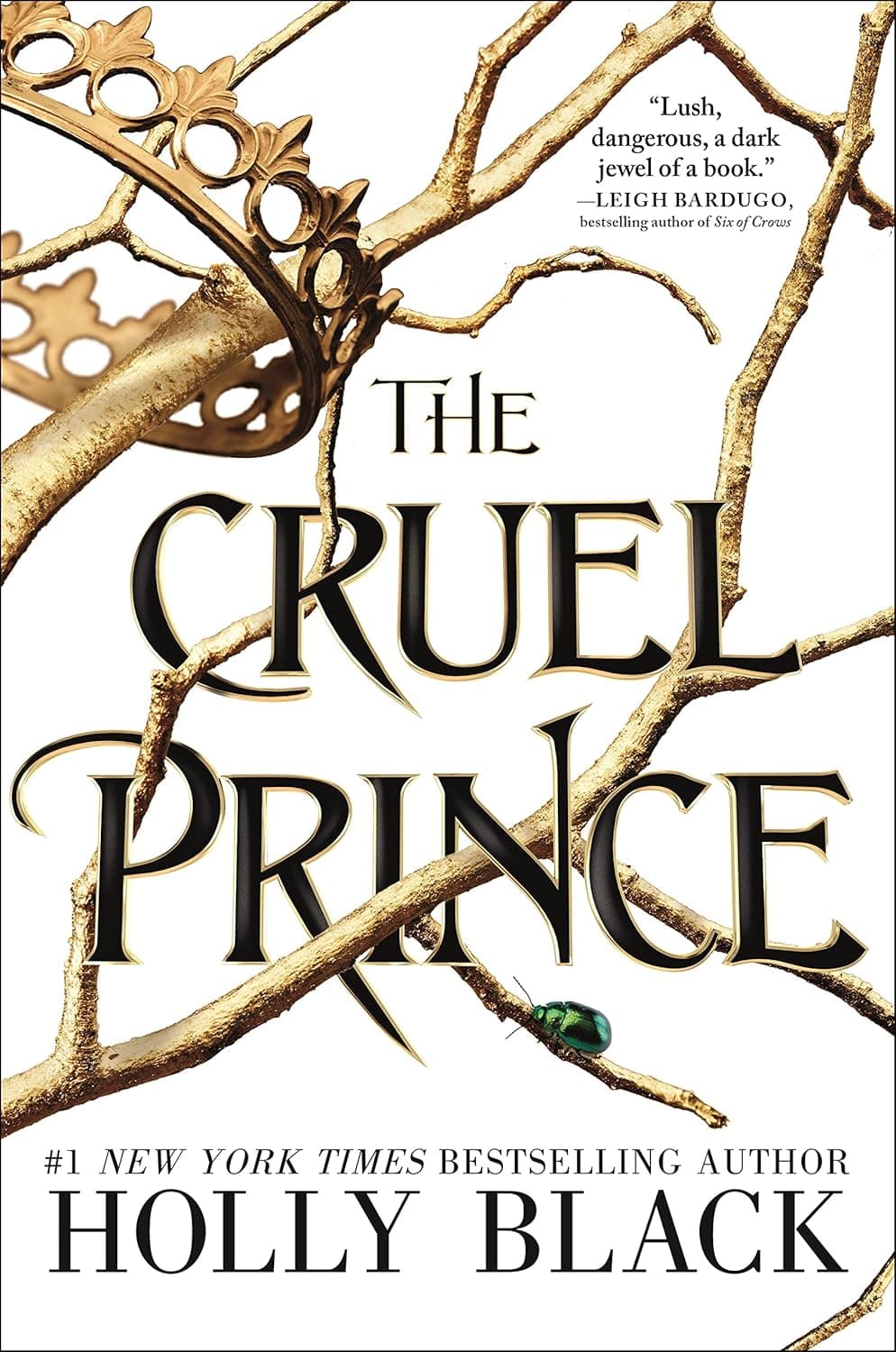
The crown: The Blood Crown embodies legitimacy, the visible seal of who belongs at the center of power. Though Jude cannot wear it, her ability to decide who does—culminating in the maneuver described in the Epilogue—reframes belonging as authorship over the system rather than admission into it.
Contemporary Relevance
The theme mirrors contemporary struggles with immigration, diaspora, and systemic exclusion, where institutions welcome compliance but resist true integration. Like Jude, many find that “fitting in” demands self-erasure, while embracing difference can be both stigmatized and strategically potent. The novel offers a hard-edged model of empowerment: turning stigmatized traits into leverage, building parallel forms of legitimacy, and redefining home as the place you actively shape. It acknowledges the psychic cost of otherness while insisting on the agency to transform it.
Essential Quote
“I need someone who can lie, someone with ambition.”
This line distills the theme’s pivot: the very trait that marks Jude as alien in Faerie becomes the basis of her value. Instead of suppressing her difference, she redirects it into influence, proving that belonging can be constructed from the strengths others dismiss. The quote reframes otherness from defect to design—an edge that cuts through a closed system.