Opening
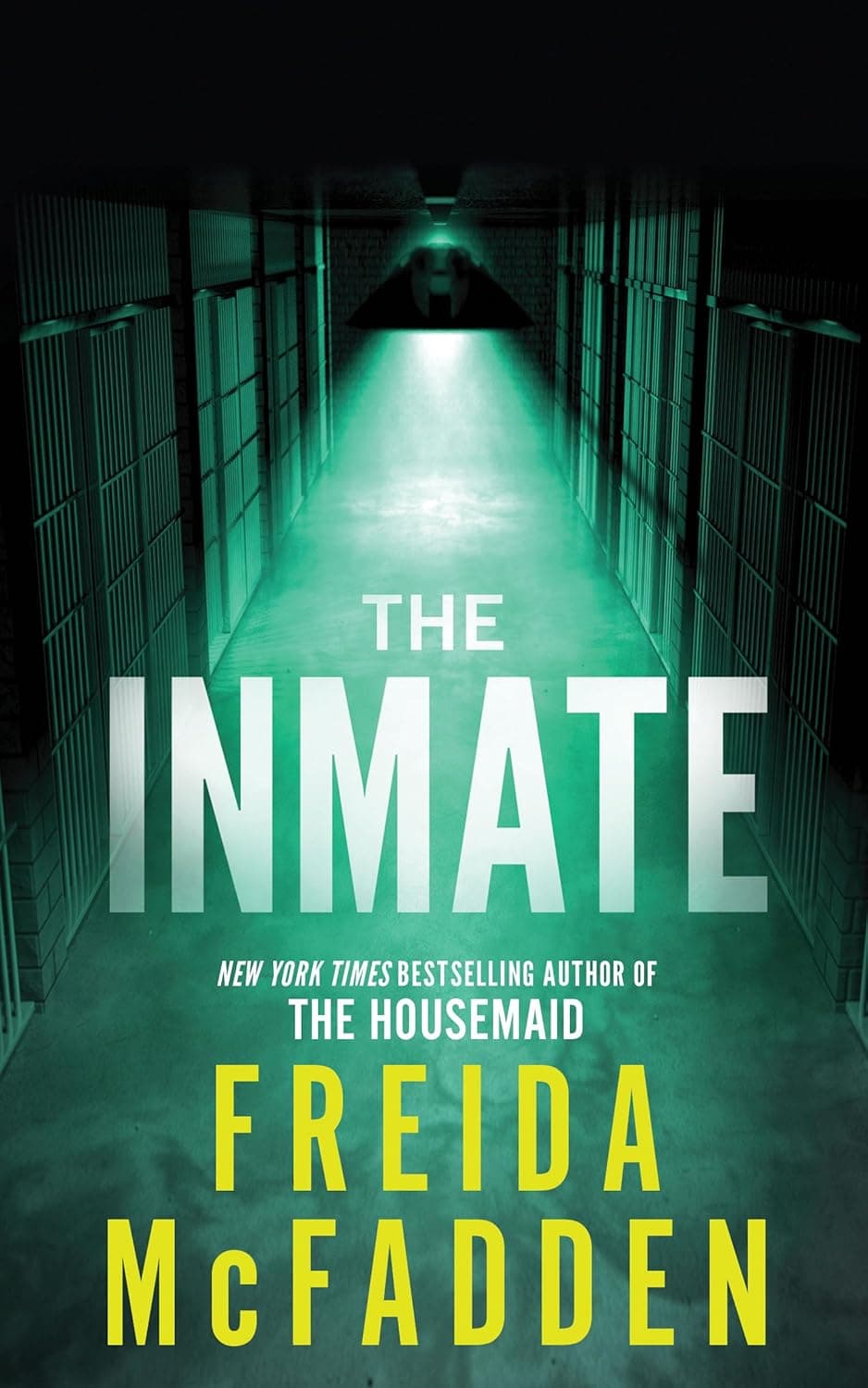
The ground shifts under Brooke Sullivan as routine care for Shane Nelson turns into a reckoning. Small details—a head injury, a joke from long ago, a guard’s hostility—puncture her certainty and pull the past into the present. What once feels settled now feels dangerous, intimate, and unfinished.
What Happens
Chapter 16: The Fall
Brooke heads into the exam room wrung out from nightmares. Shane arrives in full shackles, and Officer Marcus Hunt manhandles him. When she questions the restraints, Shane claims Hunt has a personal vendetta. Brooke tells herself he deserves it, but Hunt’s cruelty unsettles her.
During the stitches removal, Brooke slips and mentions her son’s black eye in preschool—revealing the existence of Josh Sullivan, whom she and her parents hid from Shane and the public through his trial. The weight of The Past Haunting the Present presses down as Shane averts his eyes, then apologizes for glancing at her chest, blurting that he’ll never be with a woman again. The vulnerability pokes holes in Brooke’s defenses.
Shane repeats his claim of innocence and points to Tim Reese as the real killer. Brooke’s temper spikes—bolstered by Elise’s note labeling him “manipulative.” Hunt storms in and yanks Shane off the table; shackled, Shane stumbles and smashes his head on Brooke’s desk. The thud snaps Brooke back to a high school memory of Shane’s football concussion—when she first fell for him. Head nurse Dorothy arrives, reprimands Hunt, orders the shackles off for medical care, and has Brooke admit Shane to the infirmary. Helping him down the hall, Brooke remembers Shane also had a head injury the night of the attack. For the first time, she lets herself consider that he might have been unconscious—and that her attacker may still be free.
Chapter 17: The First Time
The narrative flashes back eleven years to the farmhouse party. After “Never Have I Ever,” Tim makes out with Kayla, and Brandon and Chelsea Cho hook up on the couch. Shane invites Brooke upstairs. On the creaking stairs, she senses someone watching, but Tim is occupied.
In Shane’s room, a storm knocks out the lights. In the hush and darkness, Brooke admits she’s a virgin; Shane, to her shock, says he is too, explaining he’s waited for someone he truly cares about. The confession calms her. He shifts their inside joke—“I lope you”—into “I love you,” and she says it back. They have sex for the first time, tender and careful, a moment of trust that stands in stark contrast to the violence that follows in their timeline.
Chapter 18: Taco Tuesday
Before leaving for the day, Brooke checks on Shane in the infirmary. He’s asleep, the room dim and still; panic spikes that he might be bleeding in his brain. She wakes him—relief floods in—and he teases her for worrying. She runs a neuro exam. For the first time, there are no restraints between them, and she feels, surprisingly, safe.
Shane jokes about missing cafeteria “Taco Tuesday,” saying, “I lope tacos.” The word detonates a decade of memory. Brooke is forced to face the truth that before the hatred, there was love. Close enough to feel his breath as she adjusts his pillow, she briefly imagines kissing him—and recoils from herself. She wraps the exam quickly and leaves, aware of his gaze lingering. The moment spotlights the fog of The Unreliability of Memory and Perception: her tender past rubs harshly against her certainty of his guilt.
Chapter 19: A Warning
Shaken, Brooke crosses the prison lot. Hunt grabs her arm, then apologizes, insisting he needs to talk. He warns her that Shane is dangerous and manipulative, claiming Shane dragged Elise, the previous NP, into trouble. The warning sours when Hunt pivots to ask Brooke out for a drink. She recognizes the pattern: public dominance over Shane, private pressure on her. The theme of Manipulation and Control locks into place as she sidesteps the invitation without provoking a man she relies on for safety. Hunt’s parting shot—“Be careful”—lands like a threat.
Chapter 20: Haunted
In her parents’ old bedroom, Brooke lies awake in a house steeped in judgment and grief. After she became pregnant with Josh, her parents forced her out of Raker and insisted she hide him. Her Maternal Instinct and Protection kept her compliant for years—until she cut them off when they refused to allow visits.
She replays the last time she saw her father, when he drove to Queens to beg her not to return. She once heard only shame in his plea; now, studying an old photograph, she hears something else.
Can’t you just trust us for once, Brooke? We’re doing this for your own good.
What if it was fear, not pride? Why such terror about her return long after Shane was locked away? Brooke tells herself she’s safe, but doubt roots in the dark.
Character Development
Brooke’s clinical detachment fractures as the power dynamics shift and memory bleeds into the present. The removal of shackles opens a more human space where fear and longing coexist.
- Brooke: Moves from absolute certainty to destabilizing doubt; her anger gives way to empathy and curiosity. She begins to question Shane’s guilt and her parents’ motives.
- Shane: Appears vulnerable rather than monstrous—apologetic, persistent about his innocence, and marked by shared history (“lope”). The concussion and gentle past complicate his image.
- Hunt: Emerges as an antagonist who blends institutional power with personal desire. His “protection” doubles as control, making his warnings suspect.
Themes & Symbols
Memory versus certainty: The chapters braid past and present until they blur. Scenes of tenderness—first love, an inside joke, a football injury—intrude on Brooke’s fixed story of a cold-blooded killer. This erosion of confidence embodies The Unreliability of Memory and Perception and recasts evidence she once took for granted, like Shane’s head injury.
The past refuses to stay buried. The Past Haunting the Present surfaces through a single word (“lope”), a family photograph, and the literal removal of restraints. The shackles symbolize both incarceration and Hunt’s abuse of authority; Dorothy’s order to remove them signals a power shift and an “unlocking” of Brooke’s willingness to see Shane without the filter of punishment. Meanwhile, Manipulation and Control operates on two fronts—Hunt’s physical dominance and social pressure, and the long shadow of Brooke’s parents’ decisions—forcing her to ask who is shaping her reality and why.
Key Quotes
“I love you.”
Shane’s shift from the private joke to the real confession marks an emotional threshold. It anchors Brooke’s memory of him in tenderness, directly challenging the violent narrative that followed.
“I lope tacos.”
The reclaimed inside word detonates shared history in a sterile infirmary. Its playful intimacy collapses time, unsettling Brooke’s certainty and reopening a door she thought was sealed.
“Be careful.”
Hunt’s warning masquerades as concern while exerting control. The ambiguity—protection or threat—reveals his power play and makes his claims about Shane feel strategic rather than truthful.
Can’t you just trust us for once, Brooke? We’re doing this for your own good.
Her father’s plea, once heard as shame, now reads as fear. The reframe widens the mystery: what danger extends beyond Shane’s conviction, and who else is implicated?
Why This Matters and Section Significance
These chapters mark the novel’s pivot from aftermath to investigation. Brooke’s long-held belief in Shane’s guilt erodes under the pressure of intimacy, injury, and contradiction, turning a survivor’s story into a live mystery.
- The infirmary incident reshapes power dynamics: no shackles, more truth.
- Hunt becomes a clear secondary antagonist whose motives taint the institution.
- Brooke’s parents shift from flawed guardians to potential keepers of secrets.
- The question driving the next act crystallizes: If Shane isn’t the attacker, who is—and who wants Brooke to stop looking?