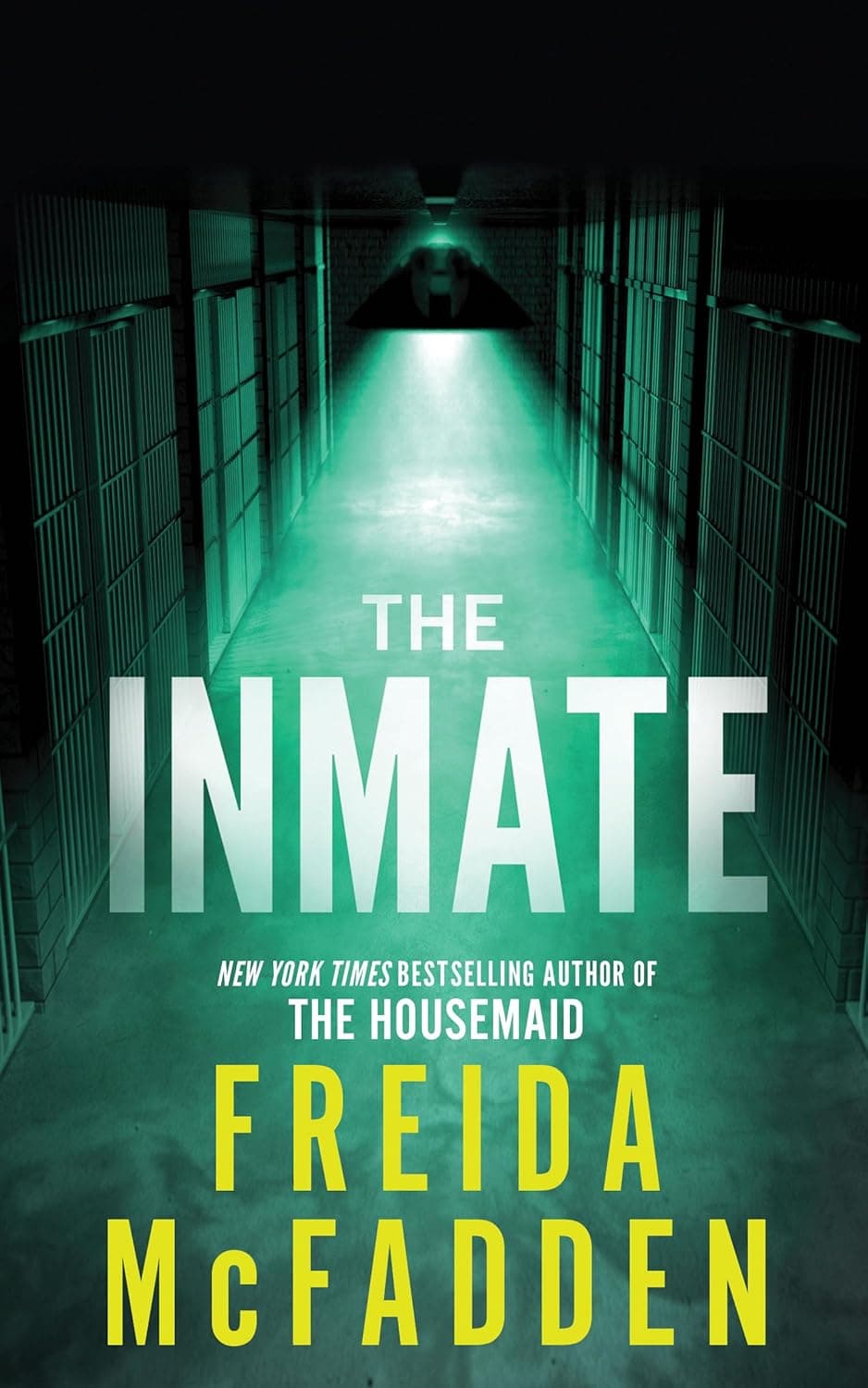
Opening
A past-nightmare collides with present threats as Brooke Sullivan struggles to protect her patients, her son, and herself. These chapters shift suspicion away from the obvious target and toward someone far closer to Brooke, while a single object—the snowflake necklace—collapses time and rattles her sense of what and whom to trust.
What Happens
Chapter 31: Eleven Years Earlier
The group stumbles on Kayla’s body, and panic detonates. Shane Nelson points straight at Tim Reese, arguing Tim was the only one left alone inside. Tim grips his baseball bat and fires back, accusing Shane of slipping in through an upstairs window. The boys square off, bat raised, accusation for accusation, until violence feels seconds away.
Caught between them, Brooke freezes as both plead their case. Before she can choose, Chelsea Cho yanks her away and slams Shane’s bedroom door, barricading it with furniture. Through the wood, Shane insists they’re safest together; Tim counters with a shaking “Stay inside.” The tremor convinces Brooke. The barricade locks the girls into fear—and locks one boy outside with a killer.
Chapter 32: Present Day
Brooke’s morning begins with coffee from Officer Marcus Hunt, and a confrontation she can’t postpone. In an exam room, Hunt drops the act and admits he knows exactly who she is. She accuses him of nursing a high-school grudge against Shane and abusing his power to settle it. He doesn’t deny it. He even offers to “take care of” Shane—arrange beatings, isolation, whatever Brooke wants.
She refuses. The refusal flips the switch: Hunt threatens her job, reveals he’s been watching her, and notes how often Tim is at her house. Then he mentions her fifth-grade son, Josh Sullivan, and asks who she was dating a decade ago. He threatens to tell Shane he has a son and demands Brooke bring him coffee instead—be “nicer” to him—or else. The balance of power tilts, and the blackmail begins.
Chapter 33: Present Day
Brooke tries to lighten the day with a corny joke for Officer Benton, but she’s summoned to Dorothy’s office. Dorothy is livid that Brooke ordered a pressure-relief mattress for Mr. Carpenter, a paraplegic with a severe wound, calling it wasteful. Brooke thinks of her mother’s control tactics, steadies herself, and refuses to back down. She lays out the medical necessity and the ethics.
Calmly, she adds leverage: if the mattress is withheld, she’ll contact the local paper about the prison’s substandard care. She also demands lidocaine for suturing—calling current practice inhumane. Faced with exposure and a lawsuit, Dorothy caves. The mattress is approved. Brooke walks out changed—no longer passive, but a nurse willing to fight for her patients.
Chapter 34: Present Day
It’s Brooke’s birthday. Life looks brighter: dinner with Tim, an easy talk with Josh about Tim as her boyfriend, the promise of a good night. Tim arrives with a small jewelry box. Inside: a gold necklace with a snowflake charm.
The sight ignites terror. Brooke drops it, throat tight—this is the exact kind of necklace Shane used to strangle her eleven years ago, a detail she testified to in court with Tim present. When she shrieks, Tim looks stunned. He says he forgot, that he chose it because it resembles a childhood gift he once gave her. He apologizes, swears it’s a mistake. Brooke calms herself and salvages the night—but a hairline crack opens in her trust.
Chapter 35: Eleven Years Earlier
Back in the barricaded bedroom, Brooke sobs, unable to accept that either Tim or Shane is a killer. Chelsea, steady and unsentimental, says it had to be one of them. Pressed for who, she names Tim. Her case is methodical: Tim had the only clear opportunity; he was with Kayla earlier; he’s linked to Tracy Gifford’s murder.
Then she lands the motive. Tim is in love with Brooke—has been for years—seething with jealousy over Shane. Brooke scoffs, then remembers the childhood pact to marry, the “practice” kiss that wasn’t so casual. The realization lands with a sickening clarity: Tim loves her, and that love could be the engine behind everything.
Character Development
Brooke finds her voice at work and sets boundaries with predators, yet her trauma still flares with visceral force. As suspicion pivots toward Tim, every shared memory becomes evidence—or a lie.
- Brooke: Becomes an advocate who leverages policy and the press to protect patients; refuses Hunt’s coercion; still vulnerable to triggers, as the necklace sends her into panic.
- Tim: Emerges as a plausible suspect with motive (longstanding love for Brooke); his “forgotten” necklace choice reads as chilling negligence or intentional cruelty.
- Marcus Hunt: Drops the flirtatious mask to reveal a vindictive abuser of power who surveils, threatens, and blackmails to get compliance.
- Chelsea: Cool-headed and perceptive; articulates the first coherent theory against Tim and pushes Brooke to reassess the past.
Themes & Symbols
The past doesn’t stay buried. In these chapters, The Past Haunting the Present drives every turn: Hunt’s teenage grudge fuels present cruelty; the snowflake necklace drags Brooke’s near-death into her birthday dinner; the farmhouse flashback reframes today’s relationships. Alongside it, The Unreliability of Memory and Perception destabilizes trust—Brooke reinterprets years of friendship with Tim, while his claim that he “forgot” the necklace’s meaning forces everyone to question what memory erases and what it refuses to release.
Power games close in from all sides. Manipulation and Control defines the prison and the farmhouse alike: Hunt weaponizes secrets and employment; the boys weaponize fear; even Dorothy tries to wield bureaucracy over patient care. In counterpoint, Brooke’s caregiving becomes agency: her choices in the infirmary extend a fierce Maternal Instinct and Protection beyond her son to the most vulnerable men under her watch.
The snowflake necklace becomes the story’s loaded emblem. Once a token of childhood innocence, it’s repurposed into a weapon and then resurfaces as a “gift,” fusing comfort and threat. It’s the object that collapses time, embodies Brooke’s trauma, and concentrates the novel’s questions about love, harm, and intent.
Key Quotes
“You can both go to hell!” Chelsea’s outburst severs the stalemate and asserts agency in a moment where the boys try to control the narrative. It also signals her refusal to be triangulated by competing male stories.
“Stay inside.” Tim’s trembling instruction through the barricaded door plays two ways: protective warning or performative innocence. The uncertainty primes readers to scrutinize his motives.
“Be nicer to me.” Hunt’s demand distills his coercion into a banal phrase that hides violence beneath politeness. The line exposes how abuse of power often masquerades as “requests.”
“I forgot.” Tim’s explanation for the necklace is either a human lapse or an alarming tell. Because Brooke’s memory of the object is indelible, his forgetfulness becomes a central fault line in the mystery.
Why This Matters and Section Significance
These chapters pivot the investigation: a credible, emotionally rooted alternative to Shane emerges, placing Tim at the center with means, opportunity, and motive. The juxtaposition of the birthday necklace with the farmhouse revelation intensifies suspicion, urging readers to re-evaluate every prior assumption.
At the same time, Brooke’s arc turns from survival to action. She confronts institutional neglect and personal predators, proving she can fight—but her victories invite backlash. With Hunt’s blackmail tightening and her trust in Tim fracturing, Brooke steps into a more dangerous, decisive stage of the story, where protecting others and uncovering the truth may come at a steep personal cost.