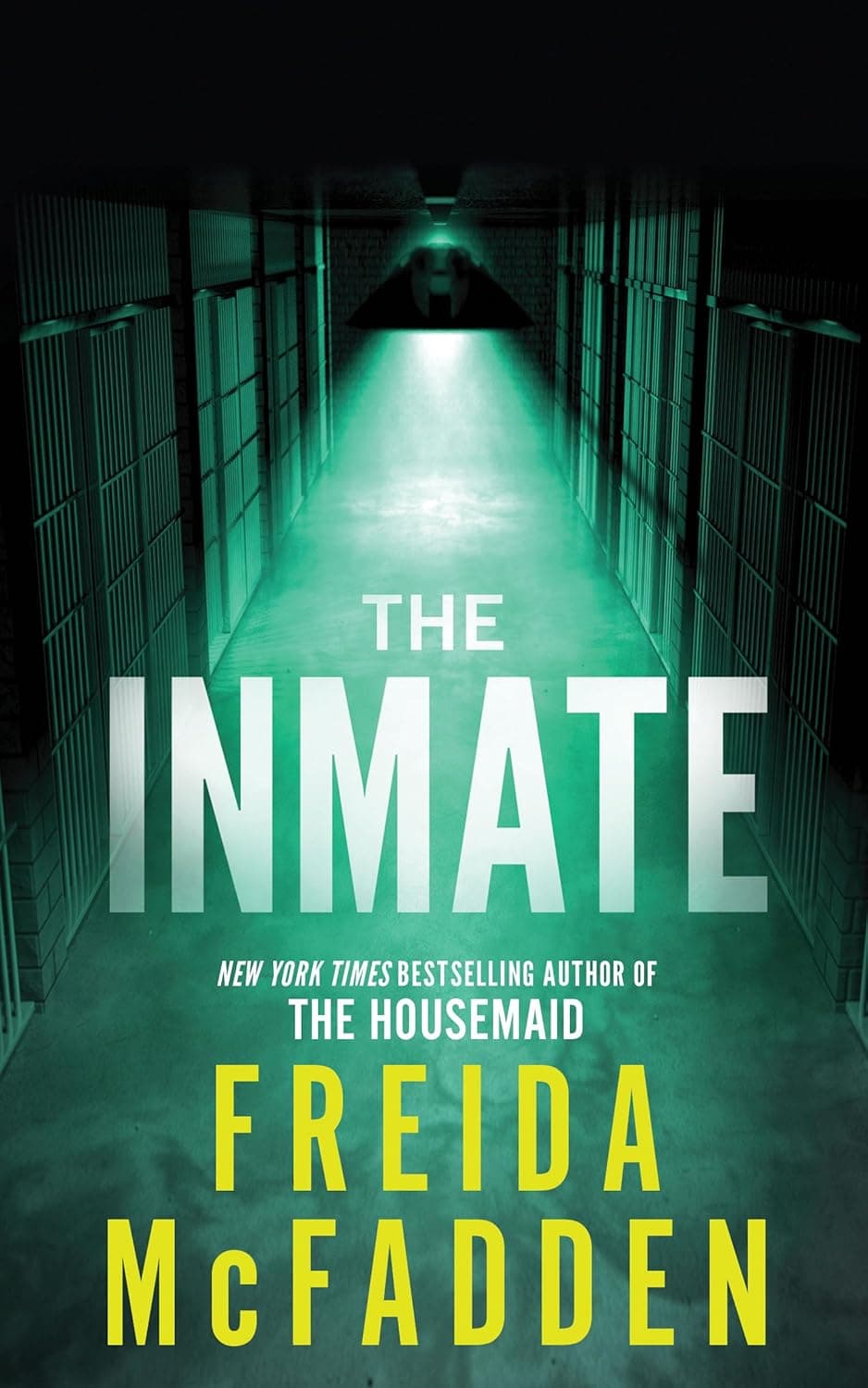
Opening
A single late-night phone call cracks open the life Brooke Sullivan has rebuilt. As Shane Nelson slides deeper into her home—and her past—Brooke’s memory finally stops protecting her, exposing a horrifying truth about Tim Reese, Shane, and the night at the farmhouse.
What Happens
Chapter 46: Barbara Reese
Brooke answers an unknown number and hears the devastated voice of Tim’s mother, Barbara Reese. Barbara begs Brooke to visit Tim, insisting the boy she practically helped raise could not be a killer. Brooke tries to hold the line—there was a body in his basement—yet the warmth Barbara showed her as a child complicates her resolve.
Shane walks in, clocks Brooke’s agitation, and takes the phone. He icily identifies himself, orders Barbara never to call again, and hangs up. When Brooke bristles, he shrugs it off as a mother’s delusion—adding, “Right, but I was innocent,” and arguing a mother would know if her child were a killer. The exchange invokes the pull of Maternal Instinct and Protection while also showcasing Shane’s control.
Chapter 47: The Farmhouse
Over pizza with Brooke and Josh Sullivan, Shane’s easy charisma lifts Josh’s mood. After Josh goes upstairs, Shane reveals he inherited his family farmhouse and plans to move back once he cleans it up. The thought of him living where the massacre happened makes Brooke recoil, cementing the pull of The Past Haunting the Present.
Josh later admits he feels uneasy around Shane and asks how long he’ll stay. Brooke lies to Shane, saying Josh liked him. In the guest room, Shane sneers at wearing Tim’s old clothes, then shifts tender: he regrets not protecting Brooke, calls her “the mother of my son,” and kisses her. Brooke, aching for a complete family, gives in, and they sleep together.
Chapter 48: Tire Tracks in the Snow
Brooke wakes hollow with regret, shaken by her recurring nightmare at the farmhouse—hands choking her with her necklace, a crucial sound drowned by thunder. She then hears a car engine and the garage door; fresh tire tracks crease the snow when she peeks outside. Shane is breathing deeply in the guest room, apparently asleep. Brooke almost checks her car for snow but talks herself down.
By morning, Shane is radiant—making pancakes from scratch, energetic, well-rested—while Brooke feels frayed, amplifying The Unreliability of Memory and Perception. He proposes cleaning the farmhouse that day. He has no license or car, he reminds her; she owes him. Despite dread, Brooke agrees to drive.
Chapter 49: A Family Trip
Brooke’s car keys sit on a different shelf than usual, fanning her unease from the night before. The farmhouse looks worse than she remembers—rotting, winter-bitten—and Josh calls it a haunted house. Shane reneges on letting her drop him off and coaxes Josh inside; Brooke follows, pulled by her son. The interior smells of mildew, the air is biting, and Brooke’s eyes go to the spot by the stairs where she was attacked. Seeing Shane’s hopeful look and wondering if facing the space might help her heal, she agrees to help clean. It’s a textbook use of Manipulation and Control, with Shane leveraging Josh to keep her there.
Chapter 50: The Missing Piece
They clean like a strange version of a family. Dust flares Josh’s allergies, so Shane suggests a walk into the woods to build a snowman. Brooke hesitates; Shane needles her—“Don’t you trust me?”—and Josh’s eagerness tips the balance. She watches them vanish into the trees.
Alone, Brooke’s weak cell signal loads a local headline: Local Prison Guard Found Murdered. The face finally resolves—Marcus Hunt. The tire tracks. The misplaced keys. Shane’s hatred for Hunt. Brooke realizes Shane must have taken her car in the night and killed him. Standing at the foot of the farmhouse stairs, the missing memory floods back: the weight on her, the body she knows by heart—Shane. Then the thunder-masked sound: a muffled scream from upstairs—Chelsea. If Shane is downstairs attacking Brooke, he can’t also be upstairs. The terrible truth lands: there was a second killer. Deeper than shock is betrayal as she understands: Tim was working with him. The deception of years finally unravels—Tim and Shane did it together.
Character Development
Brooke’s chapter-long tug-of-war between fear and longing snaps into clarity when her memory returns. The domestic veneer Shane engineers—pancakes, cleaning day, a father-figure glow—peels back to reveal a predator who shapes the environment, and the people in it, to get what he wants.
- Brooke: Moves from guarded sympathy to mounting paranoia to searing certainty. Her unreliable memory locks into place, recasting her role from survivor-in-denial to witness who holds the truth.
- Shane: The wronged-hero mask slips. His charm, guilt-tripping, and staged domesticity expose a calculating manipulator likely escalating to murder in the present.
- Josh: Intuitive and wary, he senses what Brooke resists. His eagerness becomes leverage for Shane, but his discomfort foreshadows the danger.
- Barbara Reese: A portrait of maternal loyalty that complicates blame, even as her plea becomes another tool Shane uses to assert control.
Themes & Symbols
The farmhouse operates as an externalized psyche: a decayed monument to trauma that traps Brooke in sensory flashbacks until shock—news of Hunt’s murder—blows the door off her repression. Returning there doesn’t heal her; it forces memory to finish its story.
Memory and perception fracture under stress and manipulation. Brooke’s mind protects her with a partial truth—Tim as attacker—until the present-day crime aligns sensation and fact. Once she remembers the feel of Shane’s body and hears Chelsea’s scream in her head, deception collapses: betrayal is not singular but double, and trust itself becomes the most dangerous terrain.
Key Quotes
“Right, but I was innocent.”
- Shane reframes Barbara’s plea to reinforce his own innocence while undermining Brooke’s doubts. It’s a power move that mixes charm with gaslighting, tightening his control over the narrative.
“the mother of my son”
- Shane weaponizes intimacy and family longing to lower Brooke’s defenses. By invoking shared parenthood, he reframes predation as devotion, accelerating her slide into compliance.
“Don’t you trust me?”
- A manipulator’s challenge disguised as vulnerability. The question pressures Brooke to prove faith rather than follow instincts, pushing her to ignore alarm bells at the moment of greatest risk.
I try to scream: Shane, no!
- The body remembers what the mind refused to see. This line is Brooke’s pivot from protective fiction to devastating truth, reorienting the entire mystery.
Tim and Shane did it together.
- The novel’s central betrayal, spoken as realization. It transforms the story from “wrong man in prison” to “conspiracy and collusion,” detonating every relationship in Brooke’s life.
Why This Matters and Section Significance
These chapters turn the book on its axis. The question shifts from whether Tim is innocent to how two trusted men coordinated violence—then and now—and how Brooke can protect her son within arm’s reach of a killer. The murder of Marcus Hunt binds past crimes to present danger, propelling the story into its endgame. Brooke’s recovered memory doesn’t just solve a mystery; it redraws the battlefield, with motherhood, truth, and survival on the line.