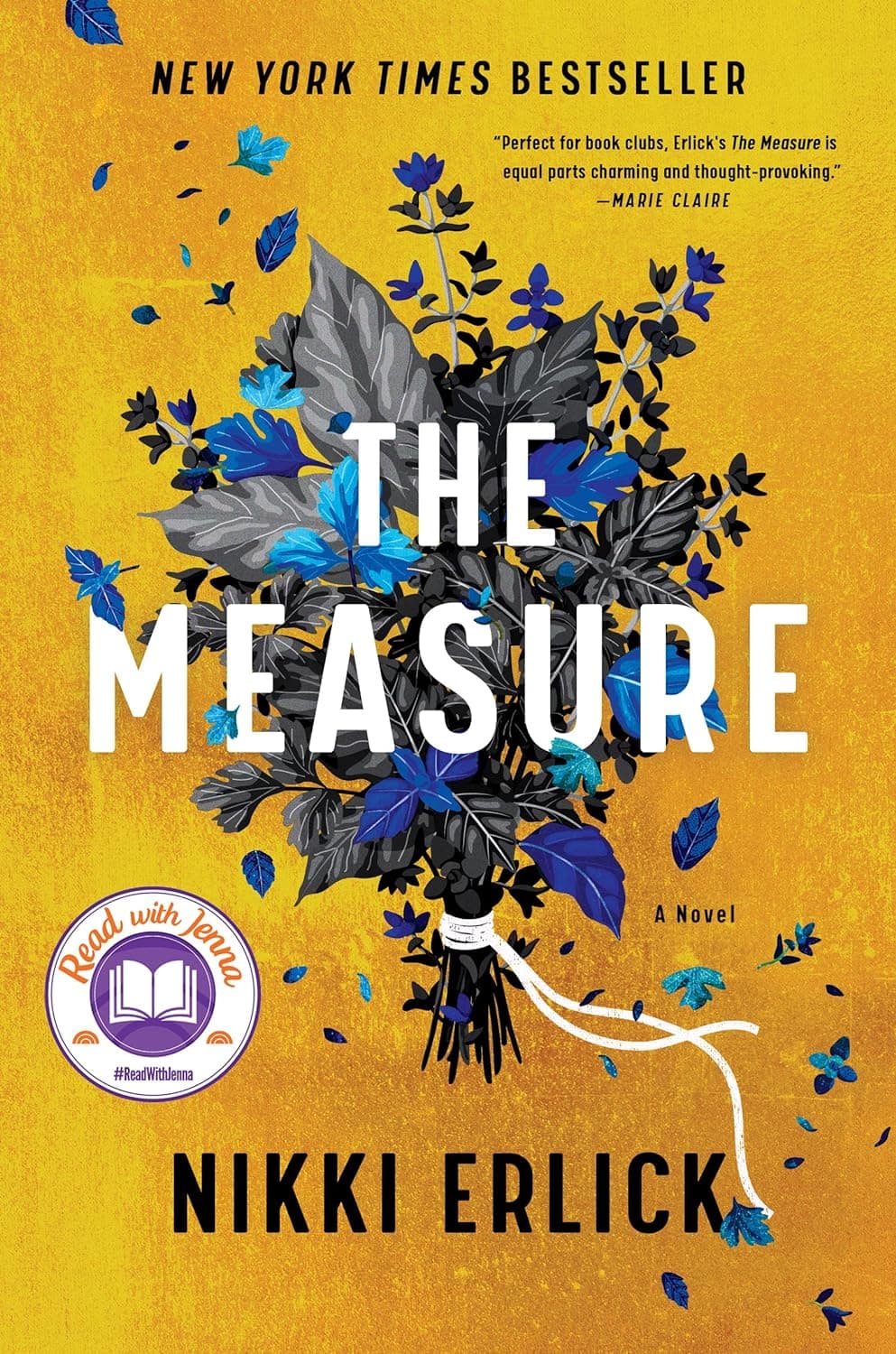
Opening
A city on edge turns into a crucible. As hospital doors close, classrooms whisper about forever, and an anonymous yellow note bridges two strangers, fear spills into violence that reshapes public life and private choices. These chapters move the story from private dread to a public reckoning that tests institutions, love, and the meaning of care.
What Happens
Chapter 11: Hank
In early May at New York Memorial Hospital, the staff enforces a new policy: no admitting asymptomatic “short-stringers” seeking reassurance or preventative care. Overcrowding and legal concerns drive the decision, but the effect is brutal. Hank, an ER doctor, watches people in panic get waved away, his own helplessness mounting with each turn of the nurse’s head and the lawyer’s caution.
A man named Jonathan Clarke arrives clutching his box, begging. At triage he pleads that his string is “so short,” that someone must stop his looming death. When the nurse asks about symptoms and hears “none,” she directs him to his primary physician. Jonathan erupts: “I need immediate attention! I don’t have any time!” Security steps in, and, catching sight of Hank’s white coat, Jonathan backs off—he doesn’t want to spend his last days in jail. Hank clocks the world cycling through grief: denial, bargaining, anger. Jonathan sits in anger; Hank sits in impotence.
The scene hardens something in Hank. If the system refuses comfort and answers, what is he doing here? At shift’s end, he tells his supervisor he’ll resign by month’s end.
Chapter 12: Amie
Amie crosses a bright Central Park that, for once, looks the same as before. In her fifth-grade classroom, she steers a discussion of The Giver. Meg wonders whether, when life is “scary and unfair,” there’s “a nicer place” to find—words that hit harder because Meg’s best friend has just left school to globe-trot with her short-stringer mother.
On her walk home, Amie calls her sister, Nina. They talk summer reading; Amie avoids anything that mirrors the strings too closely. Nina asks if she’s looked at her own string. Amie hasn’t. Because Nina’s is long, Amie assumes hers likely is too—shared genetics as a comfort—a quiet echo of Fear, Knowledge, and Uncertainty. Their parents also refuse to look.
Amie detours into a bookstore, her refuge. A TV blares an interview with the polished presidential hopeful Anthony Rollins. Bestseller tables are stacked with Greek myths, mortality meditations, and dystopias. Thinking of The Hunger Games, she feels oddly grateful that the only apocalypse they face is strings. Still, she wonders if not looking is cowardice or wisdom, even as the sealed box stays buried in her closet.
Chapter 13: Amie
Monday brings copies of Tuck Everlasting for Amie’s students—and a folded yellow note a custodian found in her room. She reads it: a letter written during a group exercise by someone who imagines himself like a WWII soldier writing home. He remembers a real letter from a museum addressed to a woman named Gertrude: “No matter what happens, I still feel the same.”
Amie flinches at invading privacy, yet the voice isn’t a child’s—too careful, too self-aware. Her school hosts short-stringer support groups at night and on weekends; the realization that a short-stringer sat in her classroom tightens her stomach. The anonymous writer becomes vivid in her mind, as does Gertrude, waiting on the other end of a distant war.
Chapter 14: Ben
At the next week’s support group in Room 204, Maura spots the folded yellow paper by the bookshelf and points it out to Ben. He pockets it, relieved to have recovered what he thought was lost. Only at home does he open it and find a response written beneath his words.
The reply—signed “—A”—turns the Gertrude line into a prism. It might be a vow of undying love, A writes, or a gentler way to confess he never loved her—“no matter what happens,” not even war changes that. A admits a tendency to find the sadness inside a possibly romantic story. Ben, caught between fate and longing, is intrigued by the mind on the other end of the page.
Chapter 15: Hank & Nina
On May 15, Hank hears gunshots. He triggers active-shooter protocol, ushers patients to safety, then runs toward the noise. The shooter is already downed by security; bodies leak bright pools across the floor. Hank kneels and compresses a wound, glances at the shooter’s face—and recognizes Jonathan Clarke. The desperate man who was turned away two weeks ago lies dead; five others are gone with him.
Two days later, Nina and her newsroom debate language. Is it a “tragedy”? A “mass shooting”? Someone notes this is the first shooting gun lobbyists can deflect by blaming the strings instead of guns. Their editor, Deborah, cuts through it: the real story is how this shifts the “new world order.” Then, simple and final: “five people died... You can call it a tragedy.”
At home, fear for Maura consumes Nina. In the new hierarchy, she worries a Black woman with a short string will be treated as a lost cause. She poses a brutal question: did a patient receive less care because her string was short, or was a patient’s string short because she received less care? Online she finds “String Theory,” a message board where short-stringers document discrimination—insurance denials, job losses, rejected loans. The theme of Discrimination and Social Division surfaces in full. Nina sees what Maura has said all along: the origin of the strings matters less than what people choose to do with them.
Character Development
The chapters pivot characters from interior unease to decisive action and alarming clarity. Private choices press against public systems, and each person’s coping strategy begins to sculpt their fate.
- Hank: Shift from simmering frustration to resignation. The ER policy exposes an institution that cannot salve panic or offer hope; Jonathan’s return and the shooting cement Hank’s belief that he can no longer practice the care he values.
- Amie: Steadfast in not looking, she seeks gentler stories for her students and herself. Her empathy and curiosity draw her into an intimate, anonymous exchange that bridges the divide between those who know and those who don’t.
- Ben: Thoughtful, isolated, and honest on the page, he opens a door to connection when “—A” answers—finding in dialogue a counterweight to his predetermined horizon.
- Nina: Protective instincts escalate into systemic awareness. The newsroom debate and the “String Theory” forum pull her from abstract fear into a concrete understanding of prejudice and power.
- Maura: A steady presence whose short string—and identity—make her the quiet center of Nina’s fear, crystallizing the stakes of unequal care.
Themes & Symbols
These chapters thrust discrimination to the forefront. Institutional policies—like the ER’s refusal to admit asymptomatic short-stringers—turn private dread into unequal access to care. After the shooting, the public reframes blame through the strings, enabling politicians and lobbyists to sidestep old arguments. Nina’s discovery of “String Theory” translates rumor into record, mapping how bias hardens into policy.
Fear, knowledge, and uncertainty braid through every choice. Jonathan’s certainty curdles into rage when the hospital can’t help him; Hank’s medical knowledge reveals his limits, not his power; Amie’s uncertainty steadies her, even as it leaves her restless. The classroom, the support group, and the ER become stages where mortality is confronted—with literature, with quiet, or with violence.
Symbols knot the personal to the political. The anonymous yellow letter is a lifeline—a fragile, handwritten bridge of empathy in a divided world. The hospital, once a sanctuary, morphs into a symbol of institutional failure and triage ethics warped by fear.
Key Quotes
“I need immediate attention! I don’t have any time!”
Jonathan’s plea collapses the abstract into the urgent. It captures the cruelty of a policy that defines “emergency” by symptoms rather than existential dread, and it hints at how certainty without support can become combustible.
“No matter what happens, I still feel the same.”
The museum line—relayed through Ben, refracted by “—A”—opens two doors: a promise of love that persists through catastrophe, or a refusal to love, immune even to war. Their readings reveal how people project hope and sorrow onto the same words, a microcosm of how society reads the strings themselves.
“five people died... You can call it a tragedy.”
Deborah’s statement strips spin from the newsroom debate. By insisting on the human bottom line, she indicts attempts to rebrand violence through policy, politics, or fate—and recenters the story on loss.
“Did a patient receive less care because her string was short, or was a patient’s string short because she received less care?”
Nina’s question punctures the inevitability of outcomes and points to feedback loops where bias shapes reality. It also sharpens the novel’s meditation on Fate vs. Free Will: knowledge isn’t neutral; it acts on people, who act back on the world.
Why This Matters and Section Significance
This stretch marks a turning point from private reckonings to public crisis. The hospital shooting exposes how fear and policy interact with deadly consequences and gives cover to those eager to weaponize the strings. In its wake, discrimination stops being hypothetical and becomes structural, redefining who receives care, opportunity, and protection.
At the same time, a fragile thread of hope takes shape: Amie and Ben’s anonymous correspondence models a humane countercurrent—listening, wondering, and refusing to sort people into “longs” and “shorts.” Hank’s resignation, Nina’s sharpened focus, and Maura’s looming vulnerability set the stakes for what comes next: whether compassion can outpace the systems being built in fear’s name.