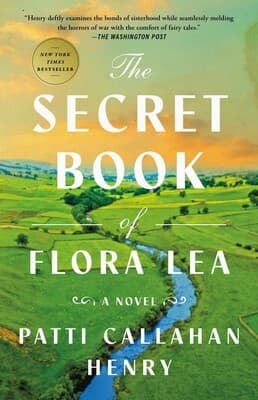
The narrative tension ratchets up as Hazel's quest to uncover the truth behind The Secret Book of Flora Lea intensifies. Flashbacks reveal the complex history between Hazel and Harry, while present-day confrontations expose the fault lines in Hazel's relationship with Barnaby. The power of stories, the weight of guilt, and the search for truth converge, propelling Hazel closer to the answers she desperately seeks.
Chapter 26: Dear Hazel
The chapter transports us back to November 1946, where Hazel Mersey Linden, now twenty-one and studying at Cambridge, grapples with the aftermath of war and the still-unsolved disappearance of Flora Lea Linden / Dorothy 'Dot' Bellamy. Hazel has retreated from storytelling, finding solace in the neat endings of books. A letter arrives from Harry Aberdeen, initiating a correspondence that spans three years.
Through their letters, Hazel and Harry cautiously share details of their lives, avoiding the central tragedy of Flora's vanishing. Hazel rediscovers her voice and her ability to weave magic through words, a vital part of her identity she thought lost. The correspondence ends abruptly when Harry suggests a visit. Paralyzed by a blood vow made in the church, Hazel cannot bring herself to respond, and Harry's letters cease. Interpreting his silence as a lack of effort, Hazel resolves to forge a new life, embracing the "magical" person Harry saw in her letters by accepting a job at Hogan's Rare Book Shoppe.
Chapter 27: Rougemont Castle
Back in March 1960, Hazel and her friend Kelty are on their way to St. Ives to find Harry. During a picnic stop at Rougemont Castle, Hazel reflects on Whisperwood, recalling Flora's belief that she had imagined their foster home into existence. Kelty suggests that Flora needed the escape of magical lands during the war's uncertainty, highlighting the protective nature of storytelling.
Arriving in St. Ives, they quickly locate Harry's art studio with Kelty's characteristic efficiency. The ease of their discovery contrasts sharply with the emotional weight of Hazel's twenty-year journey. Dressed in their best, they prepare to confront the past, Hazel feeling a mix of trepidation and anticipation.
Chapter 28: The Sloop Inn
Hazel and Kelty find Harry in his light-filled art studio, a communal space shared with other artists. The reunion is immediate and emotional, with Harry embracing them both. Also present is Ethan Baldwin, now a sculptor. After initial awkwardness, the four friends move to the Sloop Inn pub, catching up on the past two decades.
Ethan mentions that his twin brother, Adam, moved to America about ten years ago, a potential link for how Hazel's story could have traveled across the Atlantic. Seizing the moment, Hazel asks Harry to walk with her to the beach, where she directly asks if he ever knew the name "Whisperwood" or told their story to anyone. He denies it. Harry then confesses that he has always blamed himself for Flora's disappearance, explaining that he left her sleeping by the river for a few minutes to find Hazel after their argument. In that brief window, Flora vanished. Hazel is shocked to learn of his immense guilt, realizing they have both suffered under the weight of the same tragedy.
Chapter 29: St. Brigid's Day
This chapter flashes back to February 1, 1940, in Binsey. Bridgette 'Bridie' Aberdeen hosts a celebration for St. Brigid's Day, a festival marking the coming of spring. Hazel observes the townspeople, including the local nurses, and overhears one, Imogene Wright, recounting a horrific injury she witnessed on a young soldier.
Hazel also overhears some of the more judgmental nurses whispering that Bridie is a "pagan" and a "witch" for her nature-based rituals and for not attending church. Bridie delivers a powerful speech to Hazel about the nature of stories:
"Telling stories is one of the greatest powers we possess... The best stories are soul-making. But stories we tell about ourselves, and even the harrowing ones told by others about us, can also be soul-destroying. We have to choose what is good and true, not what will destroy."
This conversation solidifies Bridie's role as a mentor and provides the thematic core of the novel, articulating the profound responsibility and power inherent in storytelling.
Chapter 30: The Letters
Back in 1960, the emotional weight of the day's revelations gives way to the rekindled chemistry between Hazel and Harry. They dance at the pub and later sit on the beach for hours, sharing their life stories. Hazel acknowledges that their connection feels "dangerous" given her relationship with Barnaby Yardley. The next morning, despite Kelty's protests, a conflicted Hazel insists they leave immediately, feeling she has the answer she came for and that staying would only complicate things.
Upon returning to her flat in London, Hazel finds Barnaby waiting for her. He is angry and hurt, having discovered the old letters from Harry. He accuses her of hiding her feelings and of still being in love with Harry. Barnaby, scarred by the loss of his own infant daughter, cannot comprehend Hazel's quest, dismissing it as "chasing wild geese" and cruelly telling her she can't expect Flora to "rise from the dead." The confrontation leaves Hazel feeling utterly alone, realizing that the man she plans to marry cannot support her in the most important journey of her life.
Key Events
- Reunion and Revelation: Hazel and Harry reunite in St. Ives, where Harry reveals his long-held guilt over Flora's disappearance.
- New Lead: Ethan Baldwin mentions his twin brother, Adam, moved to America, providing a potential link to the story's origin.
- Bridie's Wisdom: A flashback reveals Bridie's profound lesson on the "soul-making" power of stories.
- Confrontation: Barnaby discovers Hazel's letters from Harry, leading to a major argument that exposes their fundamental incompatibility.
Character Development
- Hazel Linden: Hazel takes a more active role in her quest, confronting her past and her feelings for Harry. The fight with Barnaby solidifies her resolve and highlights her growing independence.
- Harry Aberdeen: Harry is revealed as a fellow victim of the tragedy, carrying his own secret guilt for twenty years. His confession allows for a moment of shared healing with Hazel.
- Barnaby Yardley: Barnaby's character shifts from supportive to antagonistic, his own unresolved grief making him unable to support Hazel's hope.
- Bridie Aberdeen: Bridie is cemented as the novel's moral and thematic center, her wisdom about storytelling providing the philosophical foundation for Hazel's journey.
Themes & Symbols
- Guilt, Blame, and Forgiveness: Hazel and Harry's mutual confession of guilt is a pivotal moment, shifting the narrative from blame to shared trauma and opening the door for forgiveness.
- The Power of Stories and Imagination: Bridie's speech emphasizes the responsibility and power inherent in storytelling, empowering Hazel to choose a narrative of hope over despair.
- Truth, Memory, and Secrets: The entire section is driven by the search for truth, with the discovery of Harry's letters and the confessions on the beach bringing long-held secrets to light.
- Symbol: The Letters: The letters symbolize Hazel and Harry's enduring connection, representing a part of herself she had to suppress.
Significance
This section marks a turning point in the novel, resolving the mystery of Hazel and Harry's past and providing the first concrete lead in Hazel's investigation. The revelation of Harry's guilt shifts the emotional core of the book, transforming their relationship and deepening their bond. The conflict between Hazel and Barnaby creates an irreparable rift, forcing Hazel to choose between a life of certainty and a quest for the truth.
Analysis
Henry masterfully uses the dual timeline to build suspense and emotional depth, strategically placing flashbacks to reinforce the novel's themes. The parallel guilt carried by Hazel and Harry explores the isolating nature of trauma, while the confrontation between Hazel and Barnaby explores how personal loss can either foster empathy or create barriers. Barnaby's perspective acts as a foil to Hazel's hope, forcing her—and the reader—to question the line between faith and delusion, and to ultimately champion the "soul-making" story of hope that Bridie advocated for years before.