What This Theme Explores
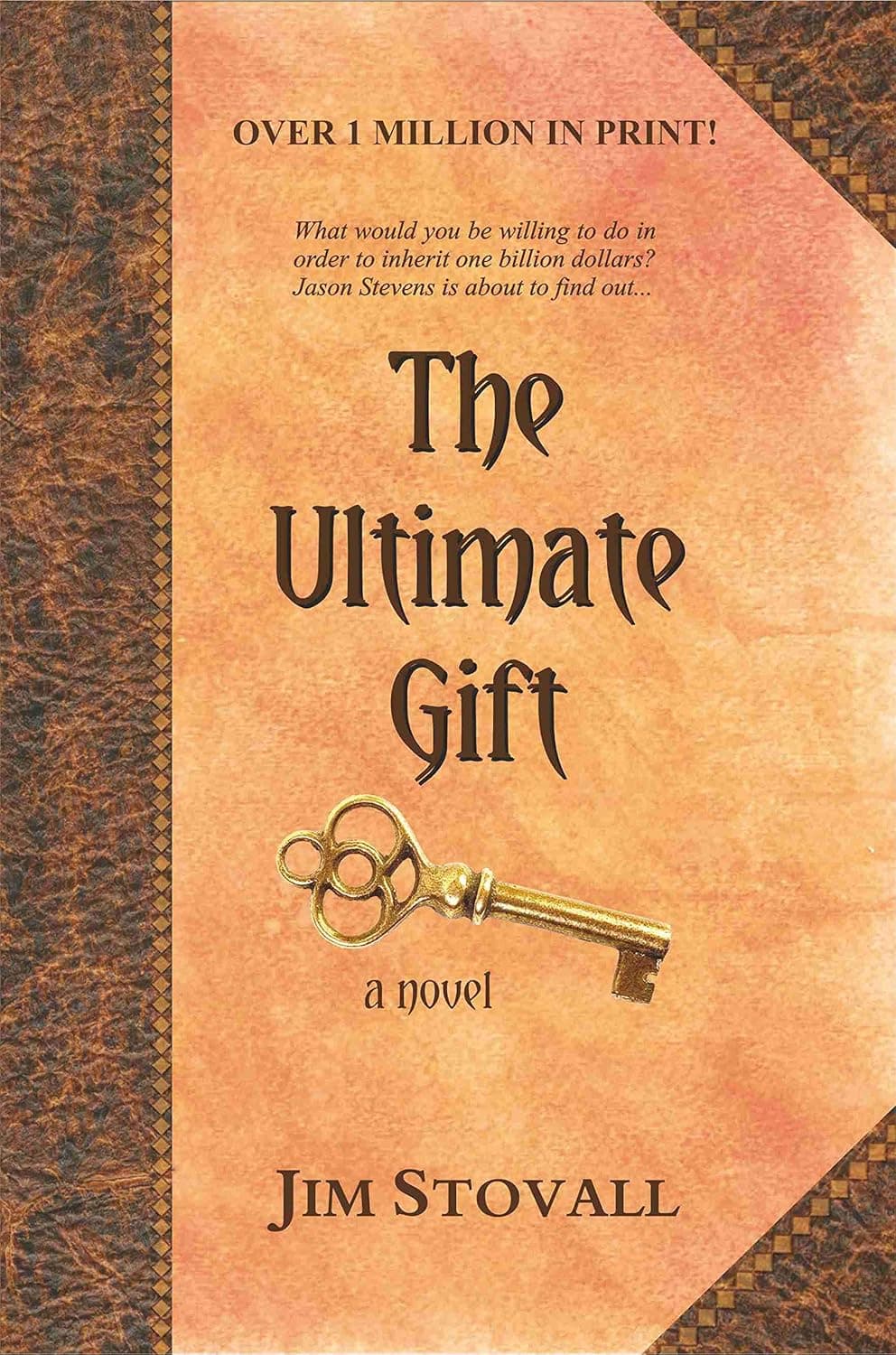
The Benefit of Problems and Adversity asks whether hardship is an obstacle to be evaded or the very engine of growth. In The Ultimate Gift, Howard "Red" Stevens regrets shielding his heirs from difficulty and contends that comfort without challenge hollows out character. His bequests are designed to prove that strength and joy arise not from ease, but from facing resistance with courage. Through this design, Jason Stevens discovers that adversity is not a detour from a meaningful life—it is the way into one.
How It Develops
The theme takes shape from the moment Red’s will reframes inheritance as a curriculum. In Chapter 2, Red admits that by giving his family “everything,” he took from them the struggle that makes achievement sweet. The journey that follows is intentionally rugged, a corrective to a life padded against friction.
The first assignment in Chapter 3—hard, sunbaked ranch labor—pushes Jason to earn rather than receive. The blisters and exhaustion function as tutors, teaching him that satisfaction flows from exertion and that dignity grows from doing difficult things well.
The idea becomes explicit in Chapter 7, where Red invokes the baby bird fighting free of its shell. Jason must seek out people facing real problems and learn from them, shifting the lesson from muscle to mindset. Hearing how others carry grief, illness, and loss reframes adversity as a source of wisdom rather than a fate to resent.
By the end, Jason recognizes that his greatest problem was the absence of problems. Naming his own sheltering as adversity, he redraws the map from which he lives: joy doesn’t come from insulation, but from engagement—overcoming what can be overcome and living well with what cannot.
Key Examples
-
Red’s philosophical foundation:
If we are not allowed to deal with small problems, we will be destroyed by slightly larger ones. When we come to understand this fact, we live our lives not avoiding problems, but welcoming them as challenges that will strengthen us so that we can be victorious in the future.
This credo turns difficulty into a training ground rather than an enemy, arguing that resilience is cumulative—built by meeting stress at manageable scales. It also diagnoses the failure of indulgence: protection without practice leaves people fragile.
-
Emily’s courage: Jason expects terminal illness to produce only despair, yet Emily delights in a simple day at the park. Her joy does not erase her condition; it reorients it, showing Jason that meaning can coexist with pain and that gratitude is often sharpened by limits.
-
Bill Johnson’s resilience: After losing his job, Bill’s family grows closer and his children learn responsibility. By calling himself “the luckiest man on earth,” he reframes setback as invitation, illustrating that perspective transforms loss into a classroom.
-
The widower’s celebration: At the cemetery, an elderly man chooses remembrance over bitterness, honoring sixty years of marriage. Grief becomes a conduit to gratitude, revealing how love’s endurance can make sorrow productive rather than paralyzing.
-
Jason’s epiphany: When asked to find a young person learning from a problem, Jason finally names himself. Identifying his cocooned upbringing as his defining adversity, he claims agency: facing hardship, not evading it, is what makes joy real.
Character Connections
Red embodies the theme’s hard-won wisdom. Having built his life through scarcity and struggle, he recognizes that character is formed under pressure; his greatest remorse is removing that pressure from his heirs. His “gifts” are a deliberate reintroduction of resistance, not as punishment but as a pathway back to purpose.
Jason begins as the symptom of Red’s mistake—entitled, untested, and unsatisfied. Each assignment forces him to trade passive comfort for active effort, then to expand beyond physical challenge into moral and emotional resilience. Through work, witness, and reflection, he learns to value the struggle not because it is pleasant, but because it makes him capable of love, gratitude, and responsibility.
Gus Caldwell serves as the story’s first agent of adversity. By demanding real labor with no shortcuts or special treatment, he becomes the crucible in which Jason’s self-image begins to melt and reform. Gus’s ranch is where theory becomes sweat, and where respect is earned rather than inherited.
Symbolic Elements
-
The eggshell: Red’s baby bird image clarifies that effort is not incidental to growth—it is constitutive of it. Breaking the shell for the chick is kindness that kills; likewise, unearned ease atrophies the very strength a person needs to live freely.
-
The fence posts: Digging holes, stretching wire, and aligning a straight fence literalize the cost and reward of effort. The sore muscles mark the price of resilience, while the taut, well-set line stands as a visible testament to pride earned through endurance.
Contemporary Relevance
In a culture optimizing for convenience and comfort—frictionless apps, on-demand solutions, and overprotective parenting—this theme argues for cultivated toughness and the willingness to be tested. It resonates with modern ideas like antifragility: systems (and people) that improve through stressors. Rather than glamorizing suffering, the story insists on a calibrated relationship to difficulty—seeking the right challenges, learning from unavoidable pain, and refusing the illusion that safety without struggle leads to fulfillment.
Essential Quote
I finally know that joy does not come from avoiding a problem or having someone else deal with it for you. Joy comes from overcoming a problem or simply learning to live with it while being joyful.
Jason’s words crystallize the shift from passivity to agency: joy is not the absence of struggle but the posture adopted toward it. This insight completes Red’s lesson, showing that adversity’s “benefit” is not automatic; it emerges when a person chooses to engage, persevere, and find meaning in what resists them.