Opening
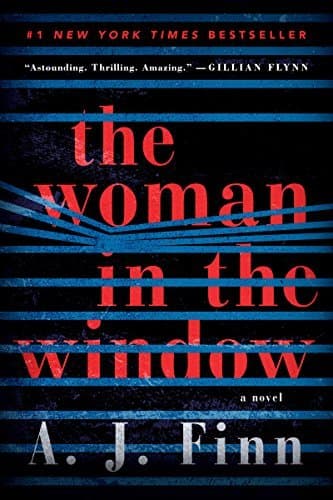
These chapters rip Anna’s world open. A murder across the park yanks her out of isolation and into a nightmare that blurs film, memory, and reality—just as a hidden past crashes into view and explains the guilt she can’t shake.
What Happens
Chapter 31: GrannyLizzie Has Left the Chat
On a late-night chess chat, Anna Fox edges toward the truth about her separation from her husband, Ed Fox. She types through the memory: after their confrontation, the two go to tell their daughter, Olivia Fox. Her hands hover over the keys—how much can she say, and how much does her anonymous confidante “GrannyLizzie” want to hear?
Silence answers. Then the screen blinks: “GRANNYLIZZIE HAS LEFT THE CHAT.” Anna sits frozen, forced to face the rest of the story on her own, a rupture that deepens her Isolation and Agoraphobia and leaves her stranded with her memory.
Chapter 32: Let Me In
Anna wakes on the sofa, dazed from two bottles of wine while Dark Passage murmurs from the TV. The film’s noir dialogue bleeds into her fog as she realizes her meds and drinking have spiraled. She looks out and spots her new neighbor, Jane Russell, arguing with someone out of frame in the living room across the park.
Reflex takes over. Pulled by her habitual Voyeurism and Observation, she lifts her Nikon and tightens the focus. The fight crescendos. Jane stumbles back into view, a dark stain spreading across her white blouse, a knife hilt jutting from her chest. She smears blood across the glass and points straight at Anna before falling out of sight.
Panic ignites. Anna’s landline is dead. Her tenant, David Winters, won’t answer the basement door. She scrambles for her cell, dials 911, and hears the operator coolly question her sobriety—“Did you stab your neighbor?” As Anna argues, a hand appears at the Russells’ window and wipes the blood away. Convinced Jane is alive and running out of time, she drops the phone and runs.
Chapter 33: My Sword and My Shield
Adrenaline and her therapist’s oath—“promote healing and well-being”—propel Anna to do the unthinkable: go outside. She seizes an umbrella, christening it her “sword and shield,” a flimsy weapon against the world beyond her door. At the threshold, terror clamps down. The outdoors feels predatory, poised to devour her.
She pivots to a different route—the side door to the park she hasn’t used in nearly a year. She shoulders aside a recycling bin, unlocks the door, and pockets the key in case she’s locked out. Umbrella extended like a talisman, she steels herself to step into open air for the first time in months.
Chapter 34: One, Two, Three, Four
Outside, everything tilts. The sky yawns too wide. She stumbles off the steps, collapses onto the grass, and tents the umbrella over her. To keep from coming apart, she counts—“One, two, three, four”—and forces herself toward the Russell house. The march dredges up an old patient with “selective emotional detachment,” whose warmth to strangers mirrors Anna’s desperate need to save a woman she barely knows.
Then the cruel realization: the Russells’ place has no park entrance. She must step onto the exposed street. Fear nearly buckles her, but the image of Jane dying pushes her forward. Sirens scream. Red light floods the underside of the umbrella. Overwhelmed, Anna crumples.
Chapter 35: Friday, November 5
Flashback. A ski lodge. Olivia has just found Anna with another man. The room detonates. Olivia sobs and screams “Fuck you” at Ed when he tries to comfort her. The family fractures in real time: a child broken, a father stunned, a mother drowning in guilt.
Anna insists they leave immediately despite a concierge’s warnings about a worsening snowstorm. Ed protests; she won’t hear it. They pack and head for the car, driving into danger that will shape everything that follows and harden into the core of Anna’s Grief and Trauma.
Character Development
Anna shifts from passive watcher to active participant. The near-murder jolts her out of stasis, and she defies her deepest fear to help—only for the flashback to reveal the guilt powering her pain.
- Crosses her threshold: Goes outside for the first time in months, using an umbrella as both armor and ritual object
- Accepts risk: Calls 911 despite intoxication and skepticism; tries to reach David; commits to reaching Jane
- Confronts origin guilt: The lodge memory reframes her agoraphobia as grief braided with self-reproach
Olivia emerges as more than a comforting voice on the phone; she’s a hurt child in acute distress whose trust is shattered.
- Expresses raw anger: Directs a profane outburst at Ed, misplacing rage born of betrayal
- Re-centers stakes: Her pain clarifies the high emotional cost of Anna’s choices
Jane becomes the plot’s catalyst—the victim whose blood on the window forces contact between Anna’s inner prison and the outer world.
Themes & Symbols
The novel tilts on Perception vs. Reality. Anna witnesses a stabbing while drunk, medicated, and primed by noir. The 911 operator’s doubt externalizes our own: is this murder, movie, or misread? The wiped window, like a screen being reset, hints at evidence that can be staged, erased, or seen wrong.
Voyeurism stops being safe. The camera that once mediated life becomes a conduit to horror. Isolation curdles into danger as the home that protects Anna also traps her, forcing a choice between panic and action. The umbrella, her “sword and shield,” functions as a portable sanctuary—a fragile bubble of house she carries into exposure. Film noir saturates the sequence, turning Anna’s reality into a stylized, menacing frame where identities blur and accusations stick.
Key Quotes
“GRANNYLIZZIE HAS LEFT THE CHAT.”
Anna loses her only confidante mid-confession, dramatizing abandonment and forcing her to shoulder memory alone. The abrupt exit underlines how precarious her support system is.
“Did you stab your neighbor?”
The operator’s question collapses help into suspicion, signaling how unreliable Anna appears to others. It crystallizes the theme of doubt and primes the coming credibility battle.
“My sword and my shield.”
Anna reframes the umbrella as armor, transforming an ordinary object into a symbol of courage. The language shows how ritual and naming help her manage terror.
“One, two, three, four.”
The counting mantra is a lifeline—an exposure therapy technique in miniature. It reveals the deliberate, cognitive work required for each step outside.
“Fuck you.”
Olivia’s outburst captures the family’s implosion in a single blast of pain. The misdirected fury at Ed exposes the chaos Anna’s betrayal unleashes and the stakes of her guilt.
Why This Matters and Section Significance
These chapters deliver the novel’s inciting incident and a personal breaking point. The apparent stabbing catapults Anna from screen-bound observer to imperiled witness, while the flashback anchors her panic in a history of betrayal and loss. Together, they set the trajectory: Anna must navigate a mystery that challenges what she sees and who she is, confronting danger across the park and the wreckage she carries within.