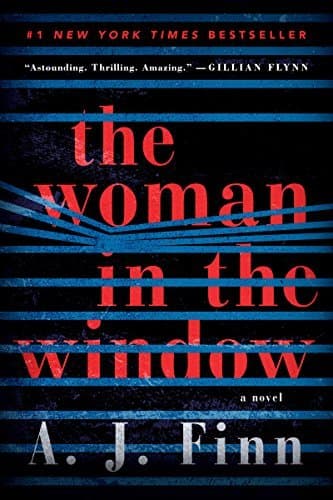
Opening
Anna Fox’s world narrows to the glow of screens, the frame of a window, and the rituals that keep panic at bay. Across five days, a cautious click of connection—online, by phone, on a doorstep—begins to fracture her isolation and pull her into the orbit of the new family across the park.
What Happens
Chapter 6: Friday, October 29
Anna Fox logs onto the Agora, a support forum for agoraphobia, and posts as “thedoctorisin.” Drawing on her experience as a child psychologist, she explains the disorder’s clinical contours and describes how it grips her: open spaces trigger a tidal rush of fear rooted in PTSD, the core of Isolation and Agoraphobia. The forum offers fellowship without exposure; she can help from the safety of her screen.
She chats with Sally, a young Australian survivor of assault who is starting to reclaim her life. The exchange stirs pride and pain—Anna can steady others even as she remains stuck. She thinks about her medications and their brutal side effects, remembering a gallows-humor joke with her husband, Ed Fox, a flicker of warmth swallowed by the cold weight of Grief and Trauma.
Therapy with Dr. Fielding becomes a battleground where small tools mean everything. Anna’s “secret weapon” is an umbrella she uses like a shield to block the sky, paired with breathing techniques as she attempts to step into her garden. Each attempt collapses into panic, measuring the distance between intention and capability in inches she can’t yet cross.
Chapter 7: Saturday, October 30
A storm presses at the windows while Anna retreats into ritual: classic films and lists. She remembers how she and Ed once built a marriage around black-and-white thrillers and film noir; now she catalogues alone—best noirs, best Hitchcock films not by Hitchcock, famous misquotes—to impose order on her scattered mind and empty hours.
Her gaze returns to the view, the engine of Voyeurism and Observation. She studies ordinary moments like clues: the Takeda boy’s cello practice, the Grays sprinting for cover. At the Russell house, Alistair Russell pads into the kitchen for water. Anna notes it all in the cool, clinical style of a psychologist who can watch but not join.
Chapter 8: Saturday, October 30
The doorbell shatters the spell. Ethan Russell, shy and careful, stands on the stoop with a lavender candle—a late housewarming gift from his mother. Unbrushed and startled, Anna still invites him in. The encounter rattles her until her training clicks on.
They talk. Sixteen, homeschooled, freshly uprooted from Boston, Ethan misses his friends and finds solace in teaching swimming to kids with developmental disabilities. Anna listens like a clinician and cares like a mother. She shows him a photo of Ed and their daughter, Olivia Fox, and explains the separation without inviting pity. Wanting to comfort him—and to anchor him to a future visit—she lends him the classic thriller Night Must Fall.
At the door, Ethan admits he’s been teary and coughing because he’s allergic to her cat—something he was too polite to say. The tiny confession nods to Deception and Secrets while deepening their bond. For the first time in months, Anna feels purposeful.
Chapter 9: Saturday, October 30
After Ethan leaves, Anna watches Laura, then breaks a boundary: she searches the internet for former child patients. It’s unethical, but grief pushes her: the career, the kids, the identity she lost. She counts nineteen lost patients and adds, with a dagger’s twist, “Twenty, if you count my daughter.”
Later, she and Ed talk about Olivia’s Halloween costume. The call flows easy—banter, parenting, routine—so ordinary it feels like a life she still lives. The warmth clashes with her reality, underscoring Perception vs. Reality and the stories she’s telling herself to survive.
At night, a light in the Russell house draws her again. She realizes Ethan’s window faces her bedroom. When he pulls off his shirt, she looks away—an uneasy line sketched within her habit of watching—and the observation becomes reciprocal. Someone can look back.
Chapter 10: Sunday, October 31
Halloween dawns heavy. A holiday of sidewalks and doorbells only sharpens Anna’s isolation. She plans to kill the porch light and skip trick-or-treaters, a choice her tenant, David Winters, judges as cynical during a clipped exchange that reveals how little they share beyond an address.
She seeks company online instead, reaching out to Andrew on a classic film forum—the man she once ignored. He logs off without replying. The slight feels outsized in her small world. She ends the day measuring loss by touch, wondering how long it’s been since anyone simply held her hand.
Character Development
Anna’s clinical mind and shattered present collide. She can diagnose her fears, soothe strangers, and still fail to cross her own threshold. Brief, real-world contact coaxes dormant instincts to life—therapist, mother, neighbor—without curing the pain underneath.
- Anna Fox: Reasserts competence on the Agora while revealing dependence on medication, wine, and controlled routines; her umbrella “shield,” ethical slip online, and careful withdrawal from Ethan’s window mark her as self-aware yet unreliable.
- Ethan Russell: Gentle, eager to please, and lonely; hides discomfort to avoid offense, opens up about service and loss; becomes a lifeline to the world beyond Anna’s walls.
- Ed Fox: Present through memory and phone; caring, steady, and familiar; their seamless co-parenting tone suggests intimacy even as the true nature of their separation remains opaque.
- David Winters: Irritated pragmatist; his dismissive pushback on Halloween highlights the gulf between sharing space and sharing life.
Themes & Symbols
Isolation and agoraphobia shape everything—from the way Anna curates safe online communities to the rituals that fence each day. Her house becomes both bunker and cell, and small tools (an umbrella, a list, a movie) serve as prosthetics for bravery. Ethan’s arrival punctures the bubble, reminding her that contact isn’t just terrifying; it’s necessary.
Voyeurism and observation turn ordinary neighbors into a narrative she can manage. Watching controls the chaos, but Ethan’s mirrored window reframes her role: observer and potential subject. Grief and trauma saturate her habits—wine, pills, films, lists, the phone calls to Ed—coping mechanisms that soothe symptoms while obscuring wounds. The umbrella stands as a literal shield and a fragile illusion of control: protection that works only when held tight.
Key Quotes
“Twenty, if you count my daughter.” This confession collapses professional distance into raw loss, revealing grief that warps ethics and memory. It reframes Anna’s maternal instincts with Ethan as attempts to fill an absence she can’t name aloud.
Her “secret weapon” is an umbrella. The phrase casts therapy like combat and the outdoors like a battlefield. The umbrella symbolizes a controlled field of vision—agency through narrowing—underscoring how survival depends on managing what she sees.
“thedoctorisin” The handle is both mask and mirror. It lets Anna inhabit the identity she’s lost—competent, useful, steady—even as her offline life proves how tenuous that identity has become.
Why This Matters and Section Significance
These chapters lock in the novel’s psychological scaffolding: Anna’s isolation, her coping routines, and the porous boundary between care and compulsion. Her steady stream of film references teaches us how she reads the world—in noir grammar, telegraphing twists and misdirection.
Ethan’s visit functions as the inciting breach, moving Anna from passive watcher to engaged participant in the Russells’ lives. The ordinary phone call with Ed, so warm and convincing, plants the seed of doubt that will grow into the book’s central destabilization. Window to window, screen to screen, voice to voice—the connections forged here will drive the mystery that follows.