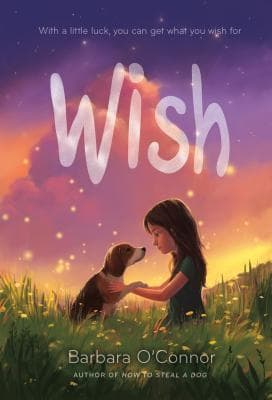
Charlie receives her first letter from Scrappy, who is in the "Wake County Correctional Center," a name that offers a sliver of hope. The letter is brief and emotionally distant, mentioning "lumpy gravy and lousy pillow," a visit from Jackie, and a simple "Love, Scrappy." Disappointed by the lack of warmth, Charlie traces the word "love" with her finger.
Chapter 16: Lumpy Gravy and Lousy Pillows
Bored on the first day of summer, Charlie Reese rides her bike to Howard Odom's house with Wishbone. She finds Howard doing a crossword puzzle and declines his offer to study for "Bible Detective." Charlie tells him about Scrappy's letter, defensively correcting Howard when he calls the correctional facility "jail." At the creek, Wishbone happily splashes in the water. When Charlie and Howard say "Look at him!" at the same time, Charlie insists they hook pinkies and make a wish, a ritual Jackie taught her.
Howard initially claims he has nothing to wish for, which astounds Charlie. After she prods him, he agrees to make one. In a moment of cruelty, Charlie guesses his wish: "You wished you didn’t have that up-down walk." The words hang in the air, and Howard's face turns pale. He wordlessly grabs his shoes and leaves. Consumed by guilt, Charlie watches as Wishbone spots a chipmunk, yanks the leash from her hand, and bolts into the woods. This chapter introduces the central conflict of Charlie's internal anger and its consequences, while exploring the theme of Wishing and Hope.
Chapter 17: Grits and Forgiveness
Charlie searches for Wishbone until dark before returning home, defeated. She avoids Bertha and cries herself to sleep on Wishbone's pillow. Bertha gently wakes her, offering her favorite meal—grits with cheese and bacon—as a comfort. Charlie confesses that Wishbone ran away and that she said something mean to Howard. Bertha is deeply compassionate, revealing that Gus is already out looking for the dog. She reassures Charlie that Wishbone knows he is loved and calls Charlie an "angel," a label that makes Charlie feel even more guilty.
Bertha offers a crucial piece of wisdom: "You can’t judge people for the mistakes they make. You judge them for how they fix those mistakes." This moment is a cornerstone of the theme of Healing and Overcoming Trauma. Just as Charlie is wallowing in guilt, Howard appears at the door. In an act of profound grace, he ignores the previous day's incident and simply asks if she wants to go pick wild strawberries. His quiet forgiveness is a powerful example of Friendship and Acceptance. When Charlie tells him Wishbone is missing, Howard immediately shifts focus, declaring, "What are you sitting here for? Let’s go find him!" His actions demonstrate the strength of their bond and the unconditional support that defines true The Meaning of Family.
Chapter 18: A Bird in a Cage
Charlie and Howard spend the entire day searching for Wishbone. The Odom family rallies to help: Burl drives them around town, while Dwight and Lenny make "Lost Dog" signs. Throughout the search, Charlie internally rehearses an apology to Howard but can't find the words to say it out loud. That afternoon, Jackie calls. The conversation is strained, as Jackie is preoccupied with her own life—Scrappy's new tattoo of a bird in a cage, her frustrating job at the Waffle House, and her breakup. She completely forgets to ask about Wishbone.
Charlie's frustration boils over. She yells at Jackie about Wishbone being gone and her misery in Colby with "a bunch of squirrel-eating hillbillies" before hanging up. Jackie calls back immediately, offering a sincere apology and trying to comfort Charlie by saying their Mama (Carla) seems to be getting better. That evening, Gus and Bertha drive Charlie around to continue the search. To boost her spirits, Bertha tells a story about a dog that found its way home from 400 miles away. As they pull into their driveway, their headlights illuminate Wishbone, waiting for them and wagging his tail. His return provides a moment of pure relief and joy, reinforcing the idea of finding one's way home.
Chapter 19: The Elephant in the Room
With Wishbone safely back, he is more spoiled than ever, even sleeping in Charlie's bed. Charlie spends her days at the Odoms', but she feels a "big ole elephant in the room" because she still hasn't apologized to Howard. She observes the loud, loving chaos of his family, a stark contrast to her own. Howard eventually persuades her to return to the creek, the site of her cruel remark. The memory of what she said hangs heavy in the air.
Finally mustering her courage, Charlie apologizes. Howard doesn't offer easy forgiveness. Instead, he says quietly, "I’m used to kids saying mean things about the way I walk." His response wounds Charlie, lumping her in with all the other bullies and forcing her to confront the full weight of her words. As she processes this, she spots a blackbird feather—another object for wishing. She offers it to Howard, but he refuses, saying, "'Cause I know my wish ain’t never coming true." This rare display of hopelessness from the ever-optimistic Howard reveals his own deep-seated pain. Charlie, ever faithful to her belief in wishing, sticks the feather in the ground and makes her wish anyway. Although the conversation is difficult, taking the step to apologize makes Charlie feel "a little bit lighter," signifying a crucial step in her emotional growth.
Chapter 20: The New Me
Bertha announces that Jackie is coming for a visit, leaving Charlie with a mix of excitement and resentment. She meticulously prepares her room, torn between wanting to impress her sister and hoping the room's meagerness will convince Jackie to take her back to Raleigh. At the bus station, Jackie emerges as a "new me," with blue streaks in her hair and a radiant happiness that feels alien to Charlie. Jackie and Bertha hit it off immediately, making plans and leaving Charlie feeling like an outsider.
Back at the house, Jackie's reactions continue to sting. She is dismissive of Wishbone and gushes about how much she loves Gus and Bertha's house and the mountains. She shocks Charlie by declaring, "Charlie is so lucky to be here with y’all." This statement highlights the vast difference in their perspectives; Jackie sees a peaceful escape, while Charlie feels abandoned and trapped. Later, they share a moment of their old sisterly bond, painting their nails and telling familiar jokes. But that night, as Charlie lies on the floor listening to Jackie sleep, she reflects on how much has changed. Jackie's visit forces Charlie to confront the reality that her old life, and the people in it, are moving on without her.
Key Events
- Scrappy's Letter: Charlie receives a short, impersonal letter from her father in the correctional center.
- The Insult: Charlie cruelly guesses Howard's secret wish, deeply hurting him.
- Wishbone Runs Away: Wishbone breaks free and runs off into the woods after Charlie's fight with Howard.
- The Search and Forgiveness: Howard implicitly forgives Charlie and helps her search for Wishbone. The Odom family and Gus and Bertha join the effort.
- Wishbone's Return: Charlie, Gus, and Bertha return home to find Wishbone waiting in the driveway.
- The Apology: Charlie apologizes to Howard at the creek.
- Jackie's Visit: Jackie arrives in Colby, appearing changed and happy.
Character Development
- Charlie Reese: Charlie's anger manifests as cruelty toward Howard, but she begins to take responsibility for her actions. Jackie's visit highlights her feelings of abandonment.
- Howard Odom: Howard displays grace and forgiveness, but also reveals his vulnerability and the pain he carries.
- Jackie: Jackie appears happy and self-assured, creating a distance between her and Charlie.
- Bertha: Bertha solidifies her role as Charlie's emotional anchor, offering comfort and wisdom.
Themes & Symbols
Themes
- Healing and Overcoming Trauma: Charlie's actions stem from unresolved trauma, and Bertha's advice provides a path to healing.
- Friendship and Acceptance: Charlie and Howard's friendship is tested and affirmed through forgiveness and support.
- The Meaning of Family: The contrast between Charlie's biological family and her found family in Colby is highlighted.
- Wishing and Hope: Charlie's belief in wishing is challenged, and Howard expresses pessimism.
Symbols
- The Creek: The creek transforms from a place of friendship to a symbol of guilt, but also a place of resolution.
- Scrappy's Tattoo: The "blackbird in a cage" symbolizes Scrappy's feelings of being trapped.
- Grits: Grits symbolize comfort and healing, representing Bertha's maternal care.
Key Quotes
"You can’t judge people for the mistakes they make. You judge them for how they fix those mistakes."
Bertha's statement encapsulates the theme of healing and overcoming trauma. She emphasizes the importance of taking responsibility for one's actions and making amends, rather than dwelling on past mistakes. This wisdom guides Charlie's journey toward emotional growth.
"I’m used to kids saying mean things about the way I walk."
Howard's quiet admission reveals the depth of his pain and resilience. His words force Charlie to confront the impact of her cruelty and recognize the casual cruelty he endures. This moment highlights the theme of friendship and acceptance, as Charlie learns to empathize with Howard's experiences.
Significance
This section marks a turning point for Charlie. Her outburst at Howard forces her to take responsibility for her behavior. The loss and return of Wishbone solidifies their bond, and Jackie's visit shatters Charlie's fantasy of returning to her old life. She begins to accept her present reality in Colby and build a new definition of home and family.
Analysis
Barbara O'Connor uses Charlie's narration to explore the internal conflict of a traumatized child. The reader empathizes with Charlie's intentions and impulsive behavior. Howard serves as a foil to Charlie, demonstrating resilience and forgiveness. Symbolism deepens the emotional landscape, reflecting Charlie's internal feelings. The structure of crisis followed by resolution mirrors the non-linear process of healing from trauma.