
Turbo AI Outside the Classroom

Ishan Chawla
Student, Northwestern University
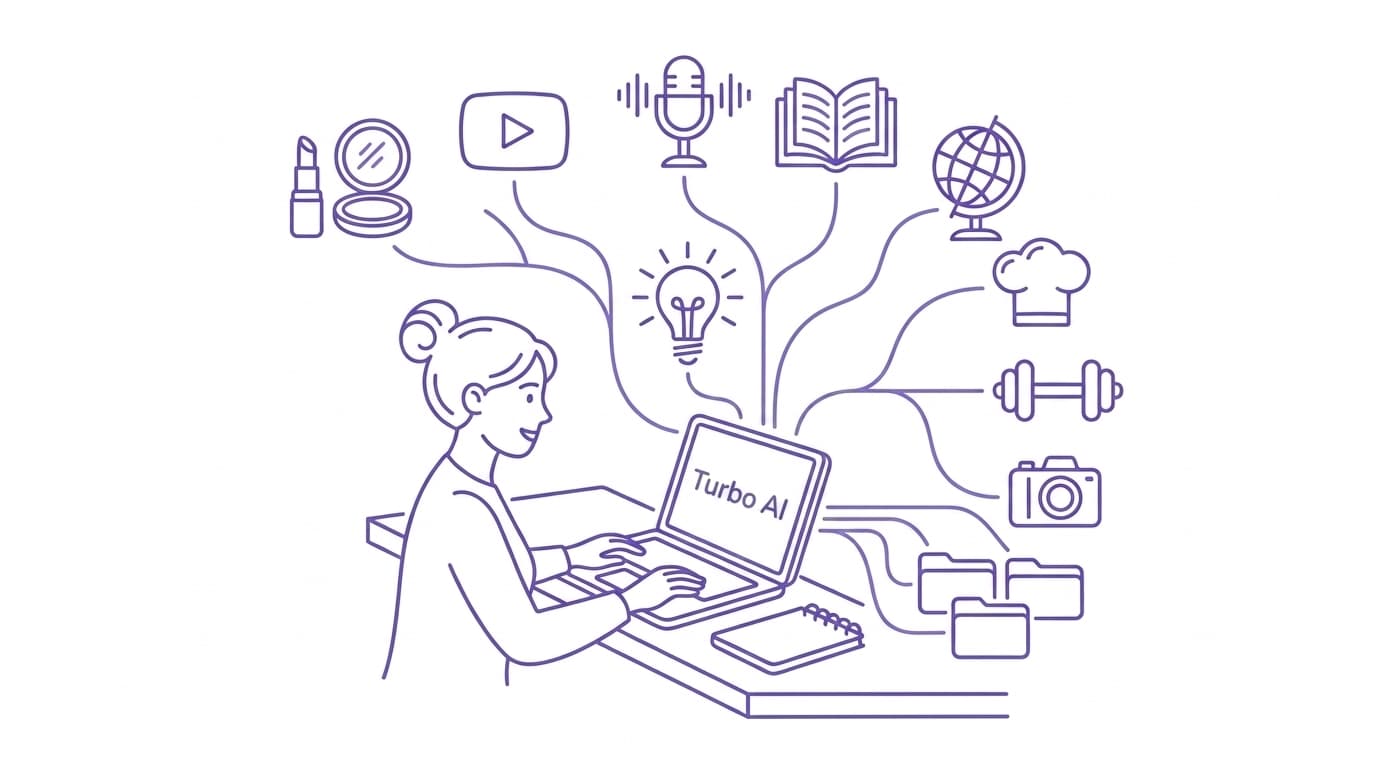
We built Turbo for students, with the core features aimed around uploading a lecture, generating notes, and making flashcards.
Then, I found out what Joohee has been doing with Turbo and decided her story could make for its own article.
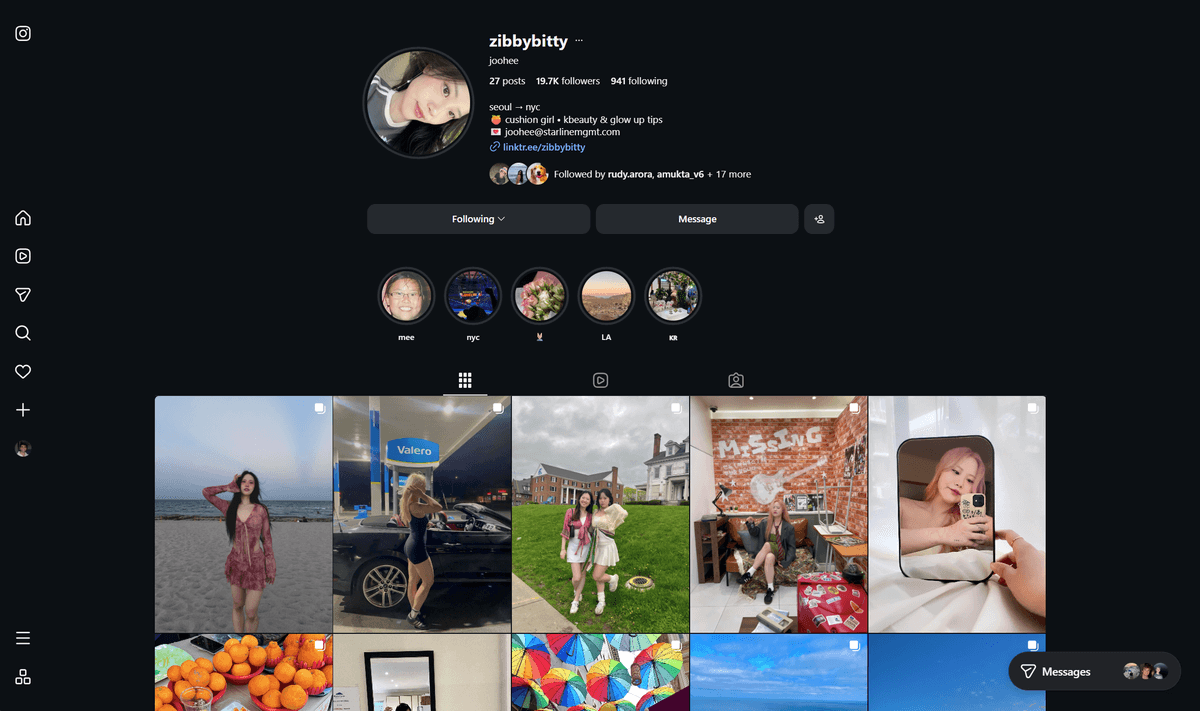
Joohee works here at Turbo in our marketing division; her desk actually sits right across from mine. And she's also an influencer in the beauty world, specifically with skincare products aimed at East Asian women.
TikTok
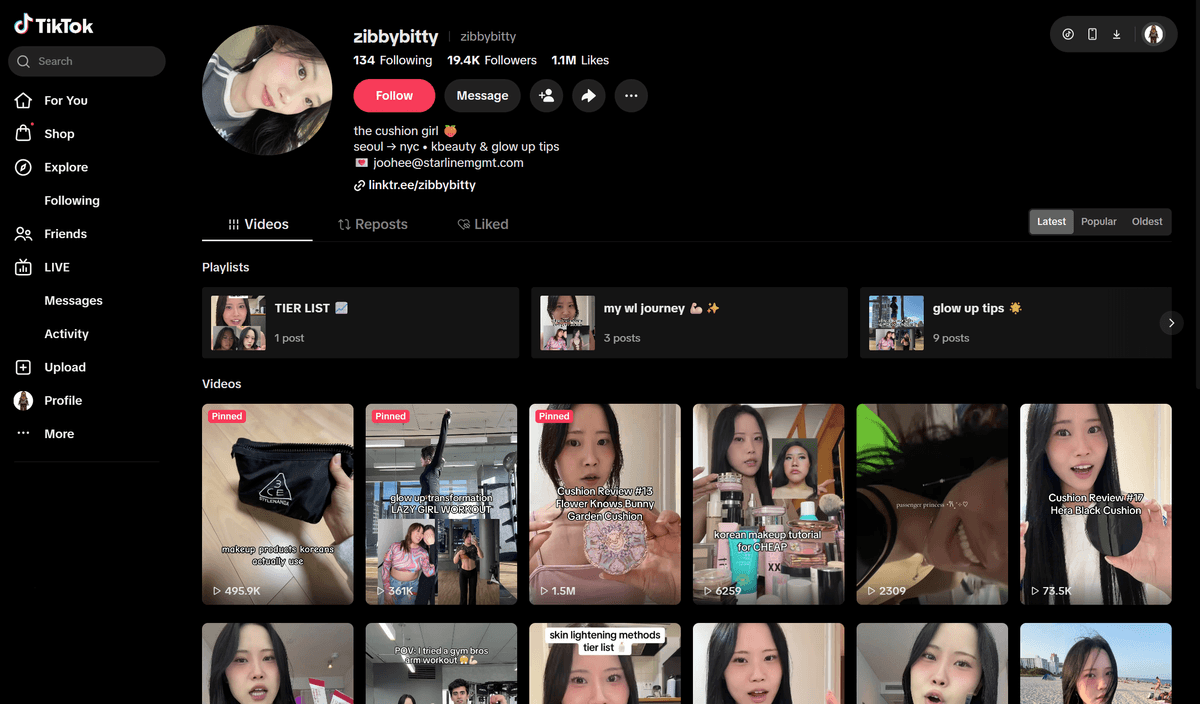
Joohee launched her Instagram and TikTok pages a few months ago, and has nearly 40k followers across the two platforms. While working at Turbo, she realized our product built for college lectures works just as well on a 22-minute cushion foundation review. When she showed me her setup, I immediately realized that I had been describing our product too narrowly in these blog articles.
So, this article outlines Joohee's system. If you only think of Turbo as an academic tool, as I did... think again!
Joohee's Method
Beauty YouTube, and the platform's videos in general, have an information density problem. A typical YouTube review runs fifteen to twenty-five minutes, with important parts (shade range, how it applies over other skincare products, what it looks like after six hours) scattered between an intro, a sponsor read, a storytime, and the creator's discount code. Like other women, Joohee watches these videos for personal needs, but unlike other women, she also must extract the relevant information and distinguish the truth from falsehoods for her own content.
As a full-time employee at Turbo, Joohee lacks the time to spend hours sorting through long YouTube videos or lengthy blog articles. Her fix, though, is that every review she'd normally watch goes into Turbo as a YouTube link instead.
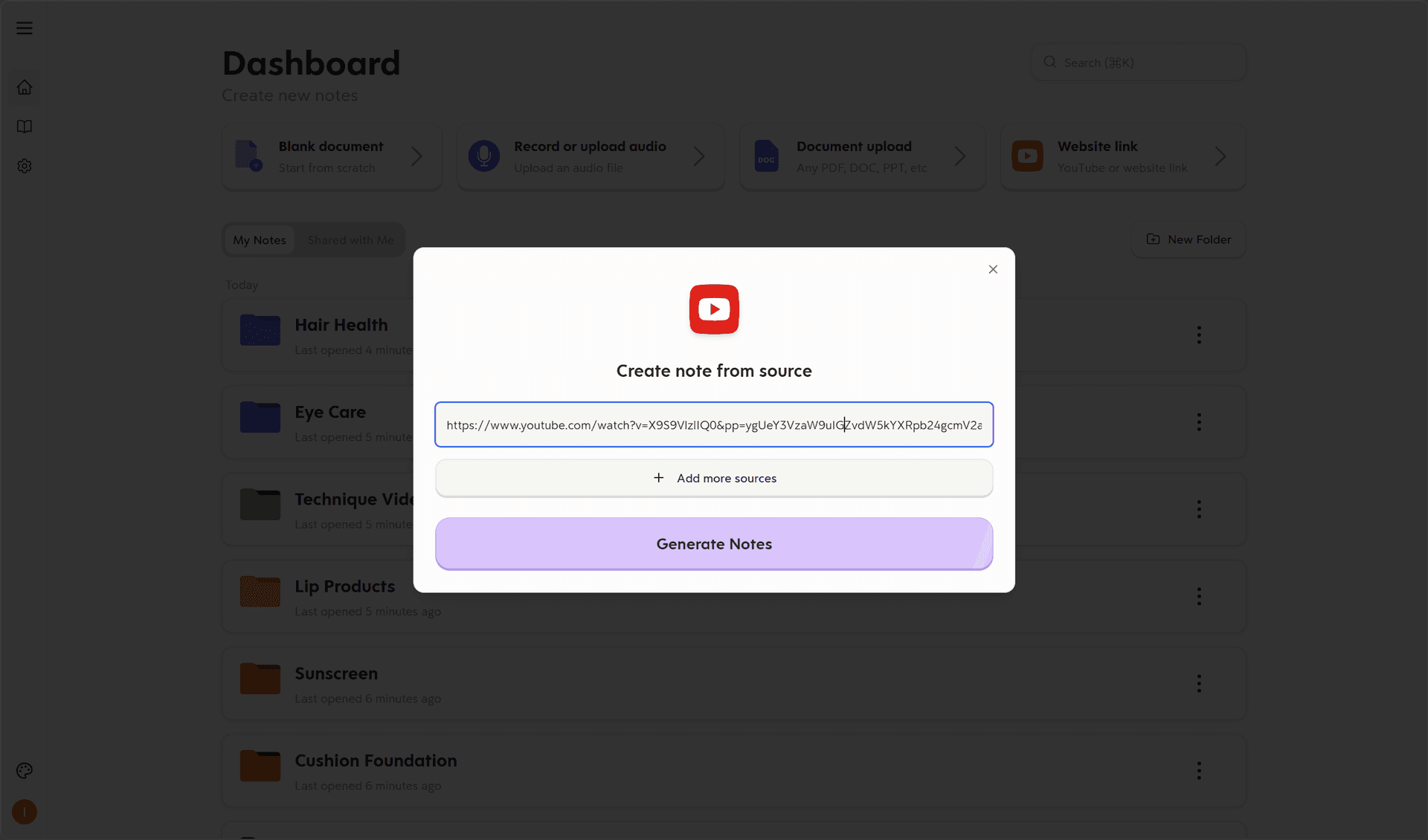
Turbo pulls the video and generates notes with all the necessary information present; product names, the reviewer's actual verdict, and the caveats, are organized and ready for her to collect and share.
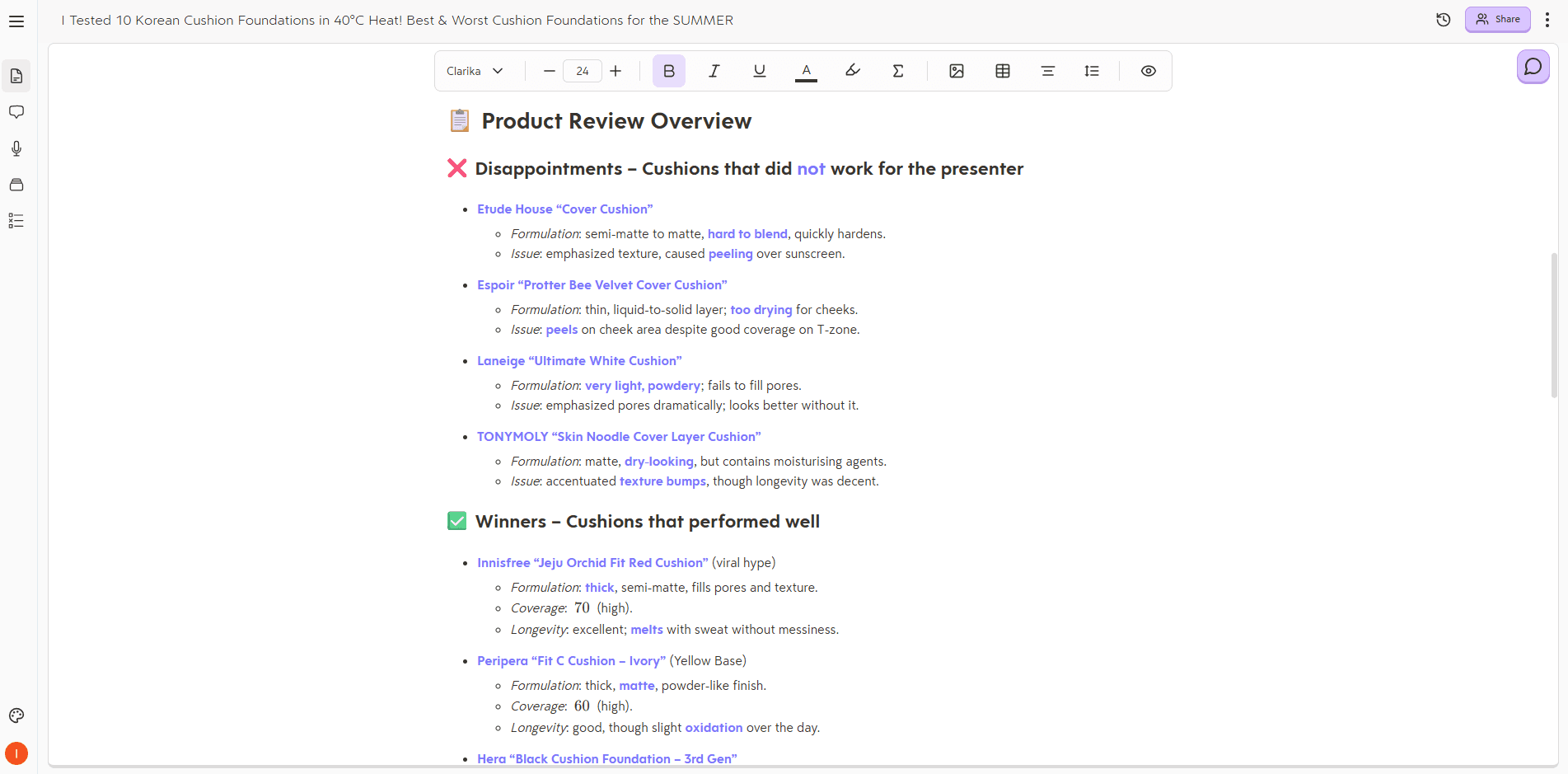
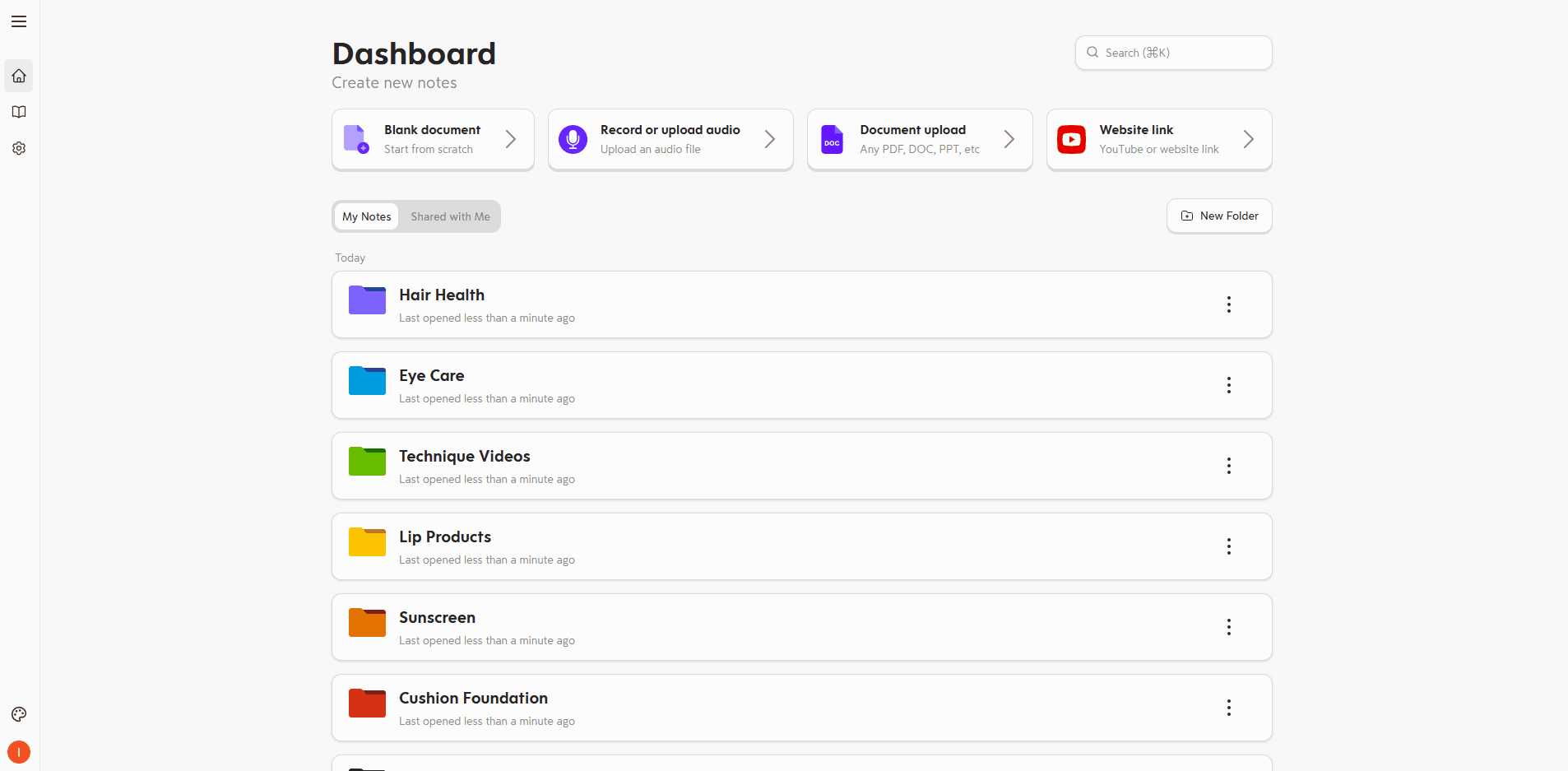
One video summarized is convenient, but Joohee's 100+ videos function more as a personal database for her brand. From this beauty notebook with months of accumulated reviews — cushions, sunscreens, lip products, technique videos — organized into folders the same way a student would organize a semester, Joohee is able to research her own content efficiently. She can now build on industry knowledge testing new products individually, in combination with others, and in different settings.
Additionally, Turbo's chat answers questions in the context of her collection. She's not asking the internet or a generic LLM, which would prioritize the biggest or cheapest products and give her sponsored answers, but her own curated library of reviewers she already trusts.
Real examples from her chat:
- "Which of the cushions I've saved did reviewers recommend for combination skin?"
- "Did anyone mention how L'Oréal mascara wears over sunscreen?"
- "Two reviews disagree about oxidizing. What did each one actually say?"
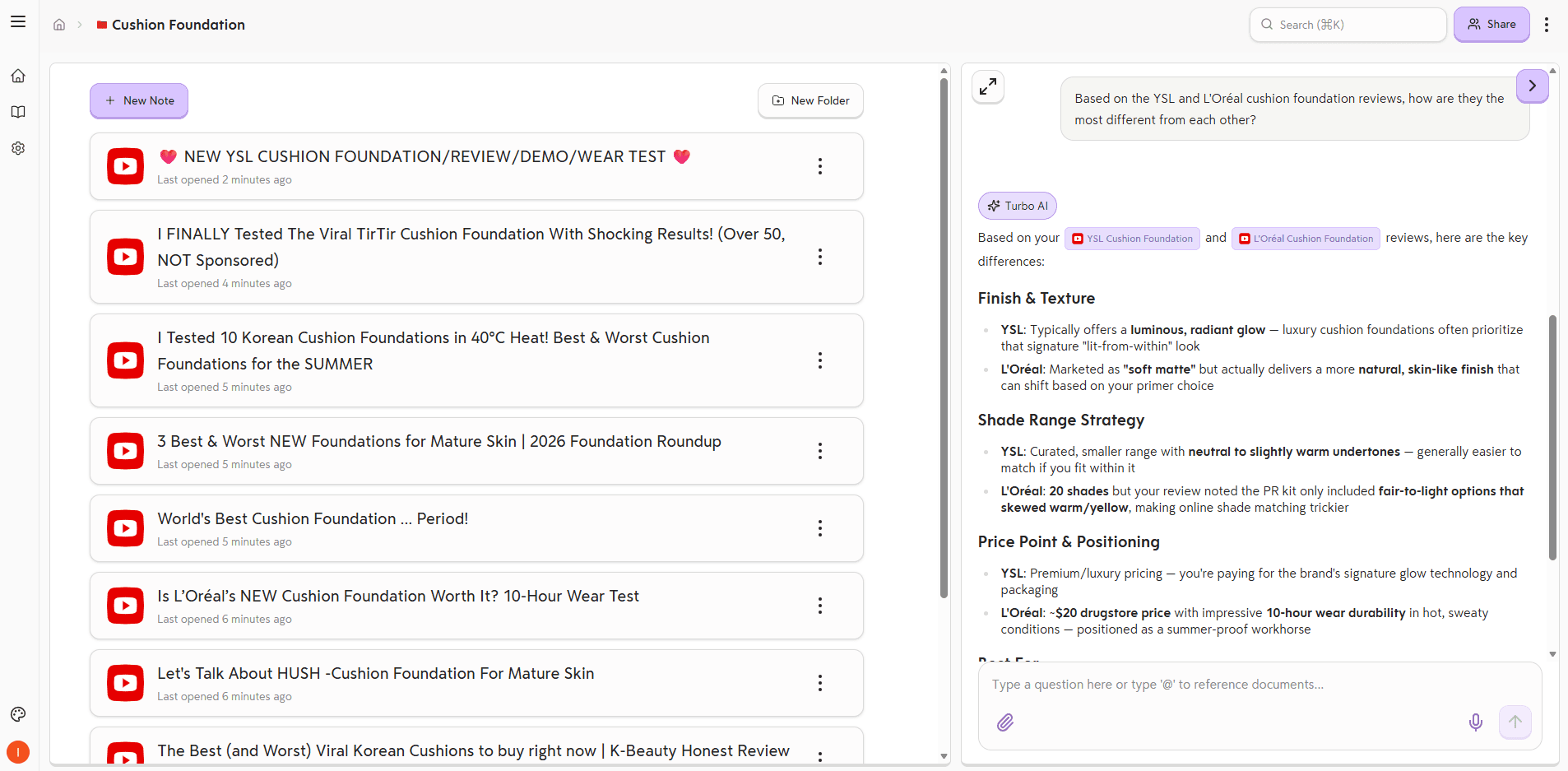
That last question, I think, is the most interesting because a platform like Turbo is the only place you could do this. Contradictory reviews usually mean rewatching both videos and hunting for the relevant thirty seconds in each. Joohee's workflow, after typing one sentence, arrives at the correct answer that cites what each reviewer claimed.
Follow her beauty content on Instagram and TikTok
The Takeaway
The point of this article is not necessarily to prove that Turbo is now a lifestyle app. It's still a study tool, and students remain our target audience as the people we build for first.
However, if you've got your own off-label Turbo workflow, tell us! You can just DM me personally on Instagram. Joohee is the first uncanny use case we have seen, but I suspect others are also using Turbo for something other than school, and I would love to write about you next.
Ishan Chawla
Student, Northwestern University