





I Used Turbo AI and Studley for a Semester. Here's the Difference

Ishan Chawla
Pre-Law Student @ Northwestern University

Brief Overview
Hi, I'm Ishan, a Northwestern student who uses AI tools every day. I decided to put two widely discussed platforms head to head. This article breaks down the strengths and shortcomings of both.
To be completely transparent, I work at Turbo AI. Obviously I'm not neutral, so I'm showing you screenshots of everything and letting you judge the outputs yourself. This article is not a sales pitch. It only consists of hands-on testing with college-level material. What follows is a breakdown of where each platform performs well, where each falls short, and which one I'd actually trust with difficult coursework.
I. Test Setup
To keep things fair, I uploaded the same material to both Turbo and Studley, including:
- Mathematics: Audio recording of a lecture from my course on multivariable integral calculus
- Economics: Lecture slides from a high-level, math-heavy undergraduate course on game theory
- Spanish: Audio recording of a lecture from my intermediate-level Spanish course
- Philosophy: Assigned YouTube video covering the works of the 19th-century philosopher Friedrich Nietzsche
I tested both tools on desktop and mobile, focusing on the quality of each platform's output.
Throughout this article, we will also keep a tally of which platform wins each category and create a running tally of the total number of points awarded.
II. Learn Mode
Let's start with the biggest difference between these two platforms. Turbo has a learn mode while Studley has nothing like it, and there is thus no Studley comparison in this section. Everything else in this article compares how well each tool handles the same job.
Turbo recently launched Learn Mode on its mobile app. Instead of starting from a file, you can start from nothing but a topic: Turbo researches the topic and builds you a complete, structured course from scratch.
Turbo's Homepage

As shown below, every screenshot in this section is about antitrust law. Since I'm planning a career in antitrust, I used Learn Mode the way I'd actually use it.
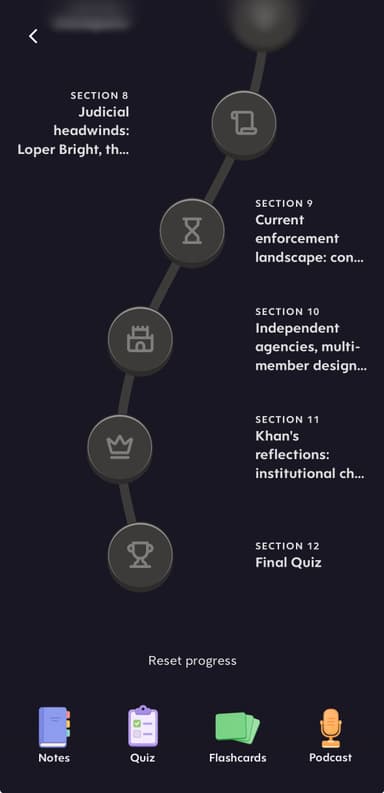
I typed in antitrust law. About a minute later, Turbo had generated a 12-section course, "Antitrust Law: Competition, Monopoly, and Market Power," laid out as a progress path that walks from an introduction and warm-up through the foundations of the subject, with a progress bar tracking completed sections.
Turbo's Antitrust Course

Turbo's Antitrust Course
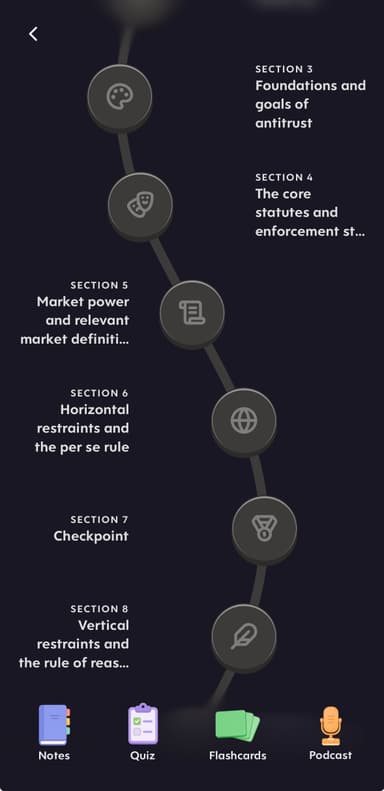
Turbo's Antitrust Course
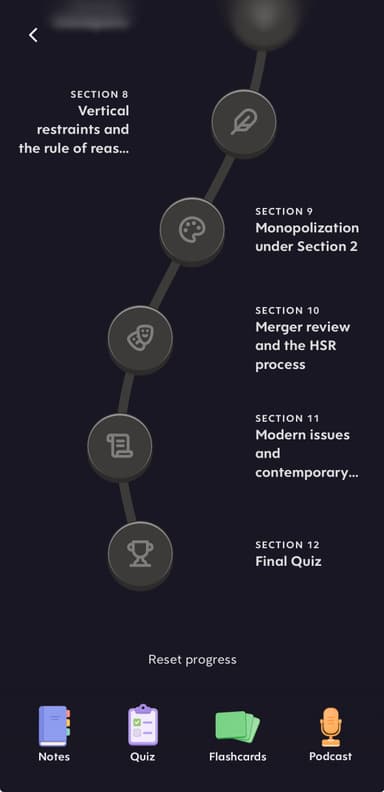
The path layout may look familiar; it works like a language-learning app, but for whatever you type in. Each course also comes with the full Turbo features attached: notes, quizzes, flashcards, and a podcast, all at the bottom of the course screen.
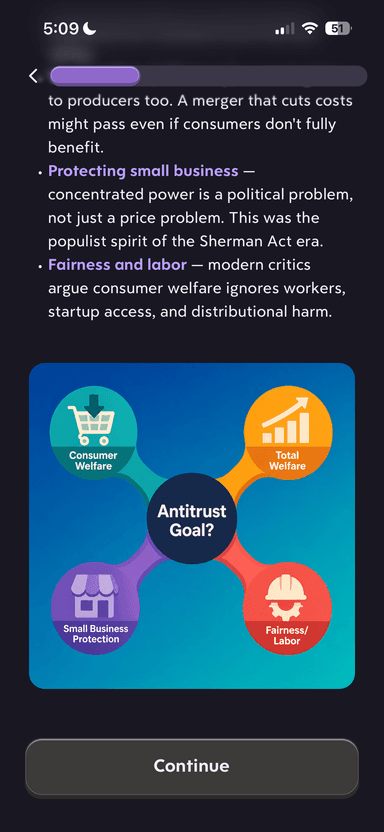
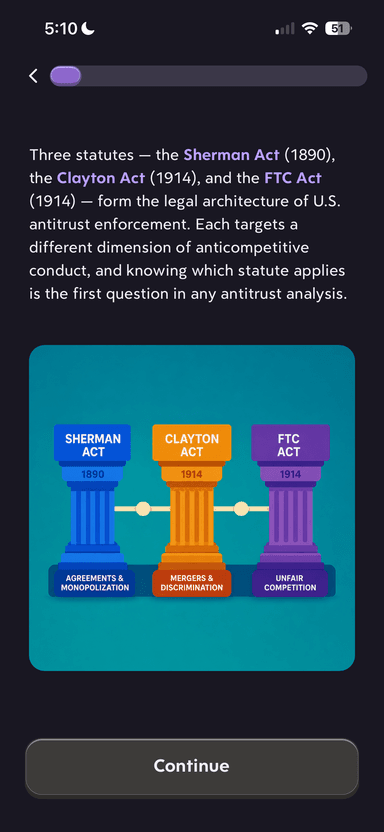
Below are a few screenshots of what the actual lessons look like:


Learn Mode isn't limited to typed topics either. The same screen accepts an audio recording, a YouTube link, or a PDF, so you can turn real course material into a guided lesson path rather than a static set of notes. To test that, I ran a YouTube conversation with Lina Khan, the former FTC chair, through it, and got a second 12-section course built from that specific video.
Turbo's FTC Course

Turbo's FTC Course
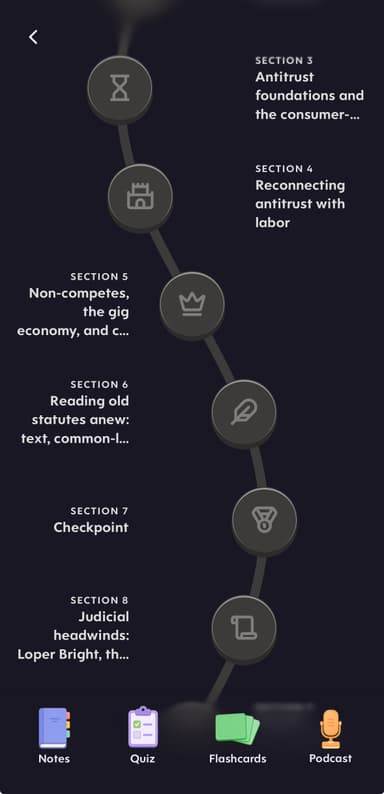
Turbo's FTC Course
Both courses now sit in my library alongside my regular class folders, sorted by year.
Turbo's Homepage

At the moment, however, Learn Mode is currently mobile-only, but it will be arriving on desktop shortly. Still, if you're using it the way I did, learn mode works just as well for the subjects your career depends on as the ones your GPA does.
Verdict: Turbo. This category is a walkover as one platform has a guided-course mode and the other doesn't, so we'll give the point to Turbo.
III. User Interface (UI) & Ease of Use
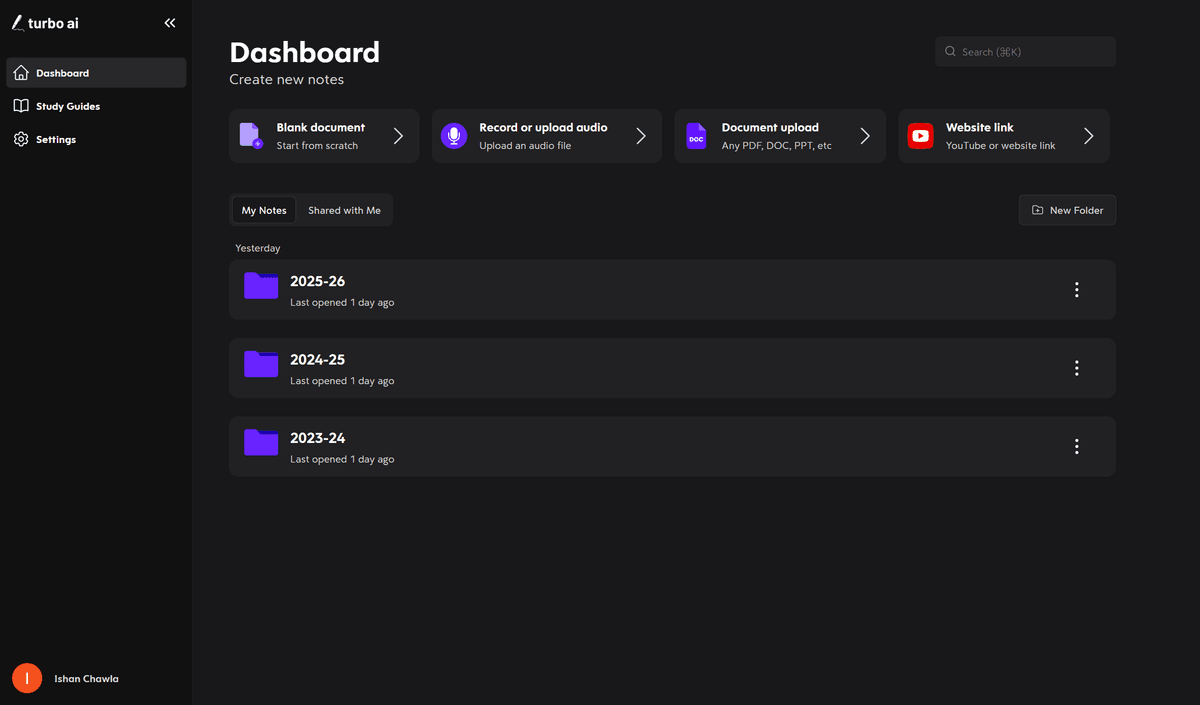
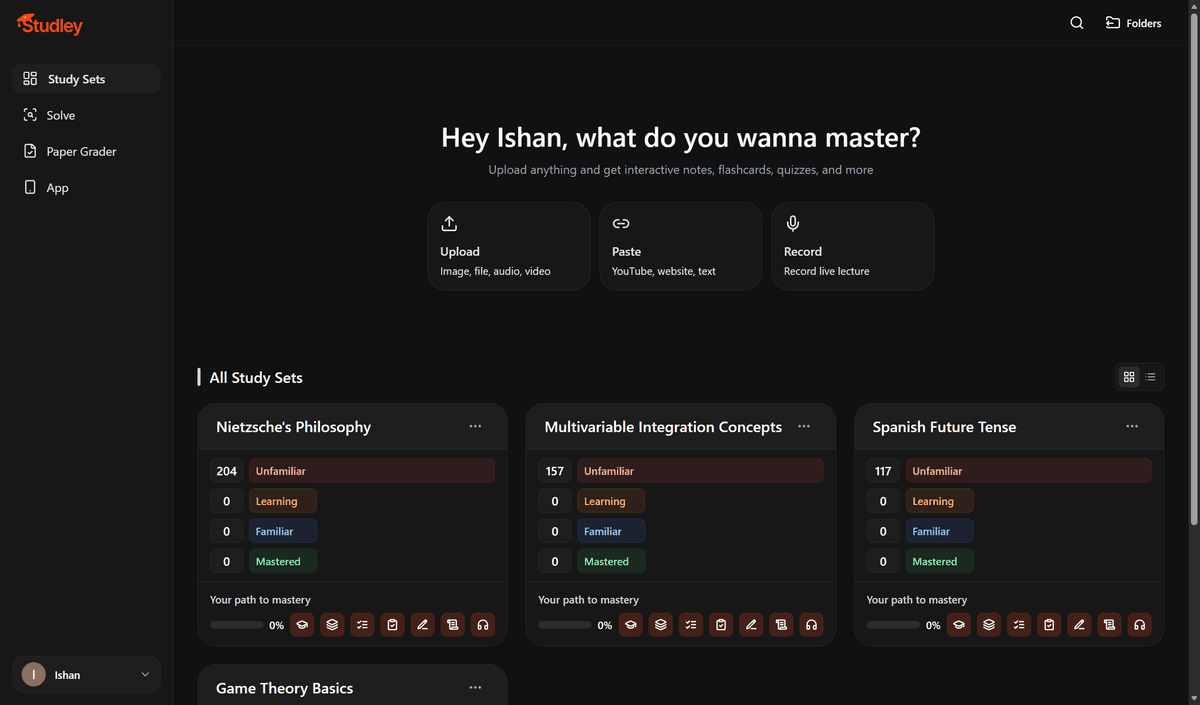
Now, onto features both platforms share. Upon entering either site, users generally will know where to navigate for document creation or content review. Both platforms offer a central workspace featuring their notes with a simple left-hand sidebar.
Turbo's Dashboard
Studley's Dashboard
Turbo's dashboard centers on document creation and file management with minimal visual competition between elements. The primary actions appear at the top, including creating a blank document, uploading files, recording audio, or importing a YouTube video. Below this, notes organize into folders.
Studley's dashboard emphasizes study progress and mastery tracking. The first screen also allows users to upload material or access previously generated study materials, while also displaying study set cards with counts of unfamiliar, learning, familiar, and mastered items.
Placed side by side, Turbo prioritizes note generation and file organization with fewer competing signals on screen while Studley prioritizes progress visualization, which adds information but also increases visual density.
Verdict: Tie. For this second round, both interfaces are user-friendly so we'll give each a point.
IV. Note Quality & Accuracy
Onto the main feature of both tools: how well they summarize and organize study material.
Mathematics Lecture Audio Recording
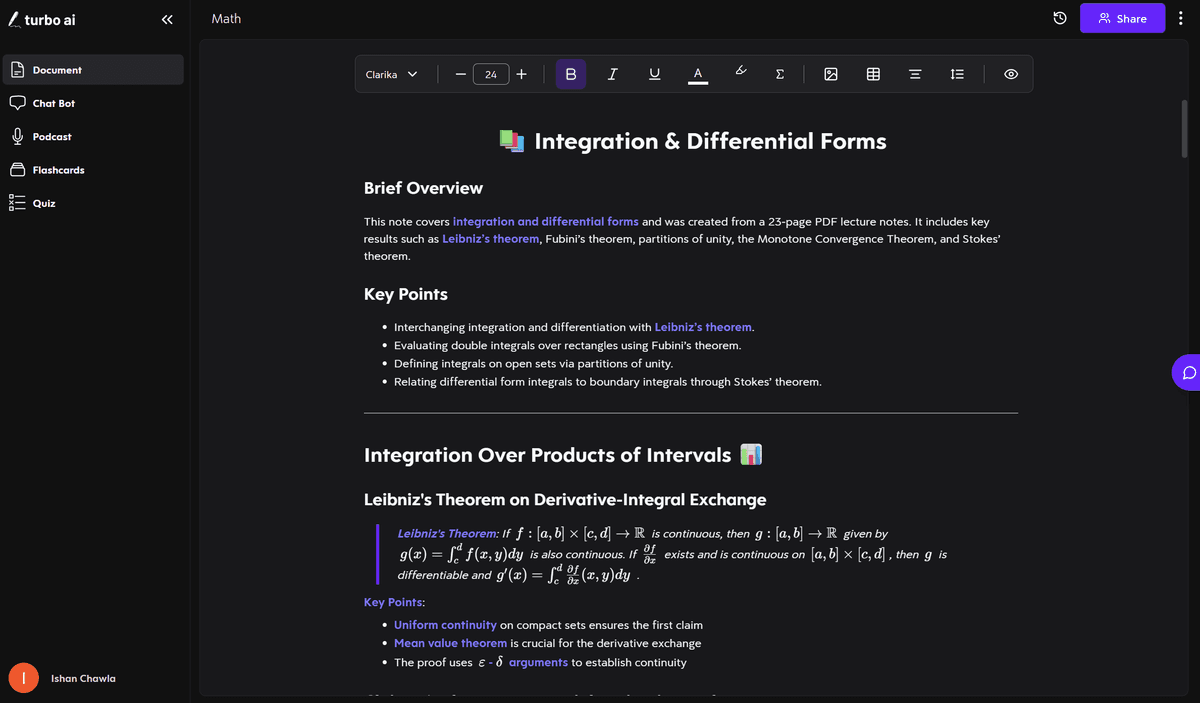
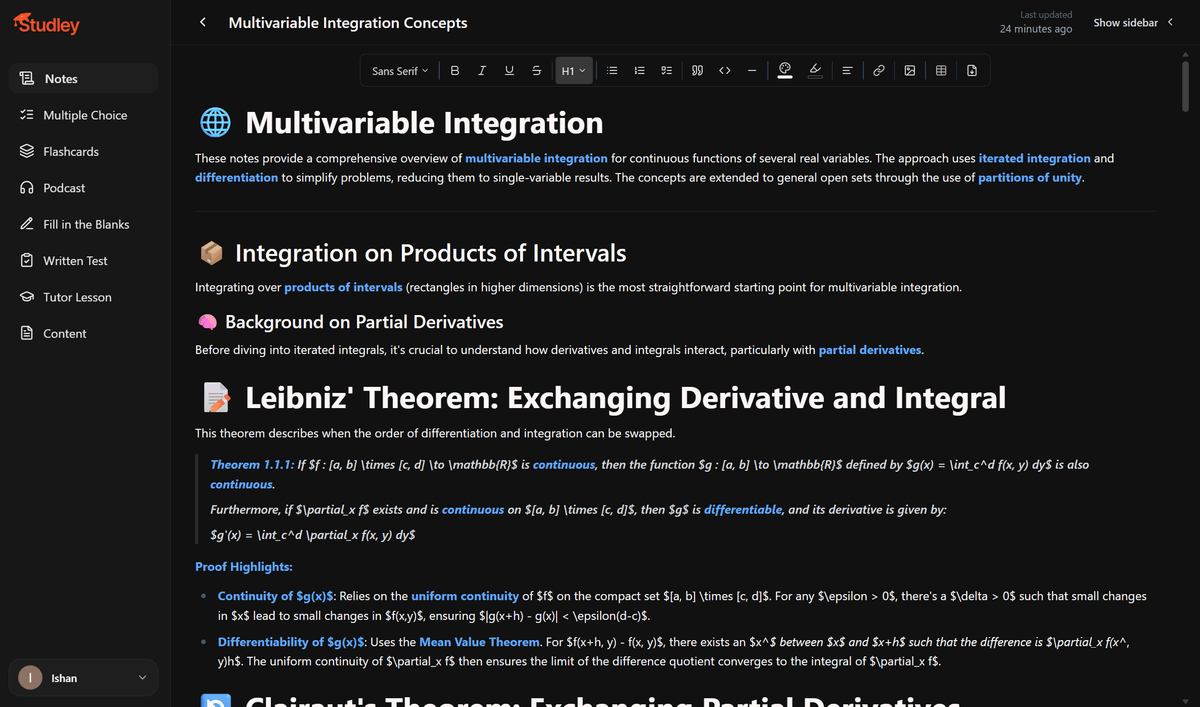
A clear difference shows up in how each platform organizes theorems and renders notation.
Turbo's Math Notes
Studley's Math Notes
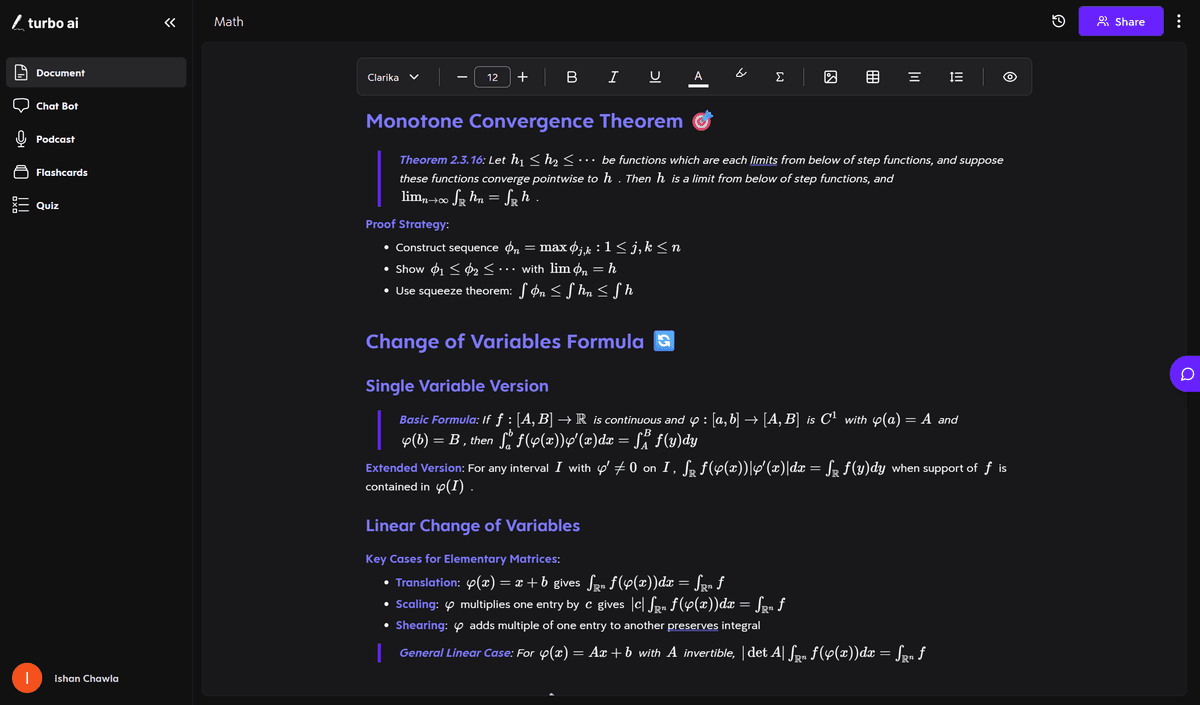
Turbo's notes feature clearly labeled sections with distinct divisions between each topic. The Monotone Convergence Theorem (MCT), for example, appears as a clearly labeled section with a distinct theorem statement, followed by a short outline of the proof strategy and a separate block explaining why the result matters.
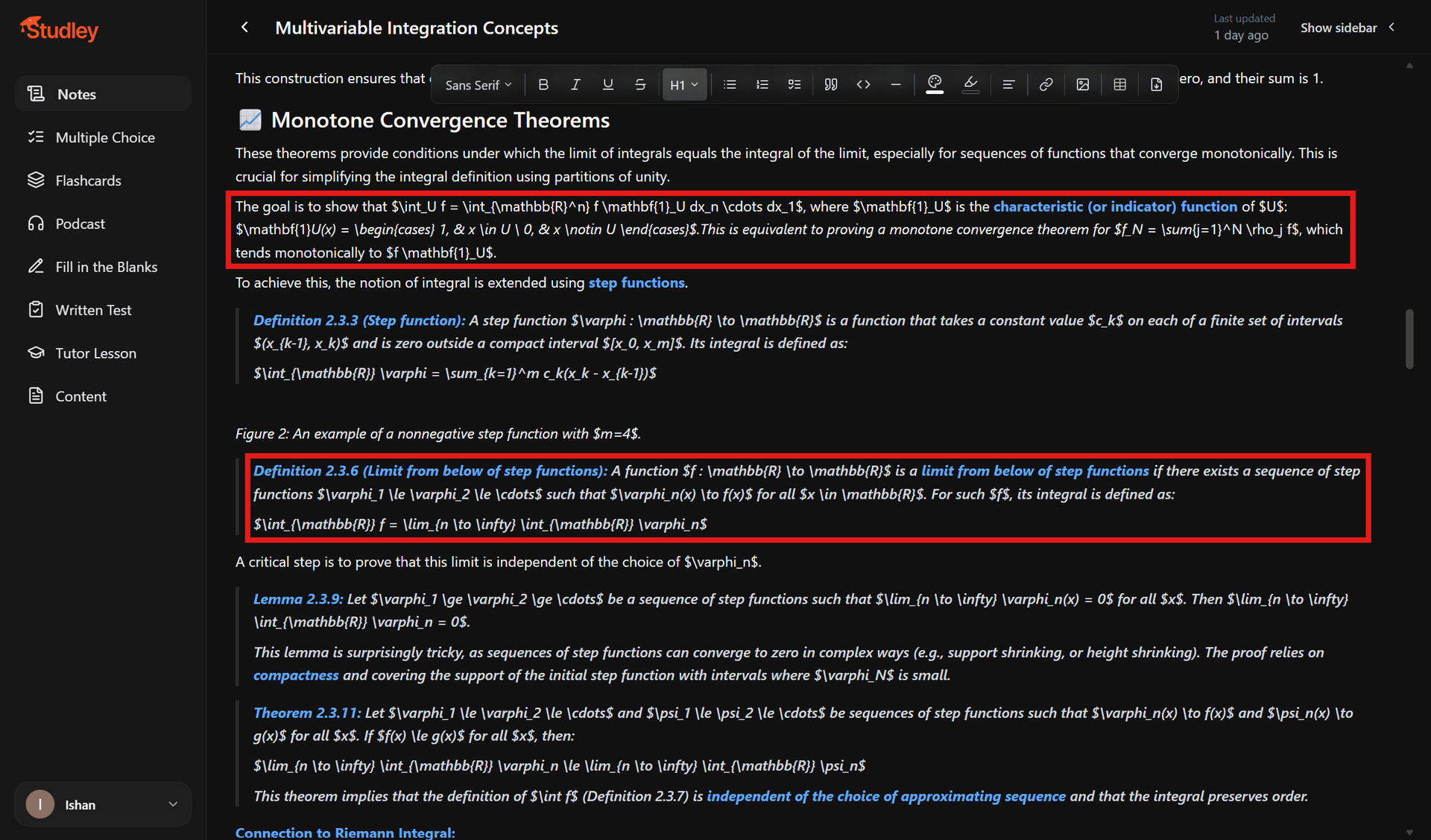
In Studley's notes, the same material is presented in longer, denser blocks of text where definitions, lemmas, and motivations appear together with less visual hierarchy. In addition, several equations and symbols do not render cleanly, which makes the notes impossible to follow.
Turbo's MCT
Studley's MCT
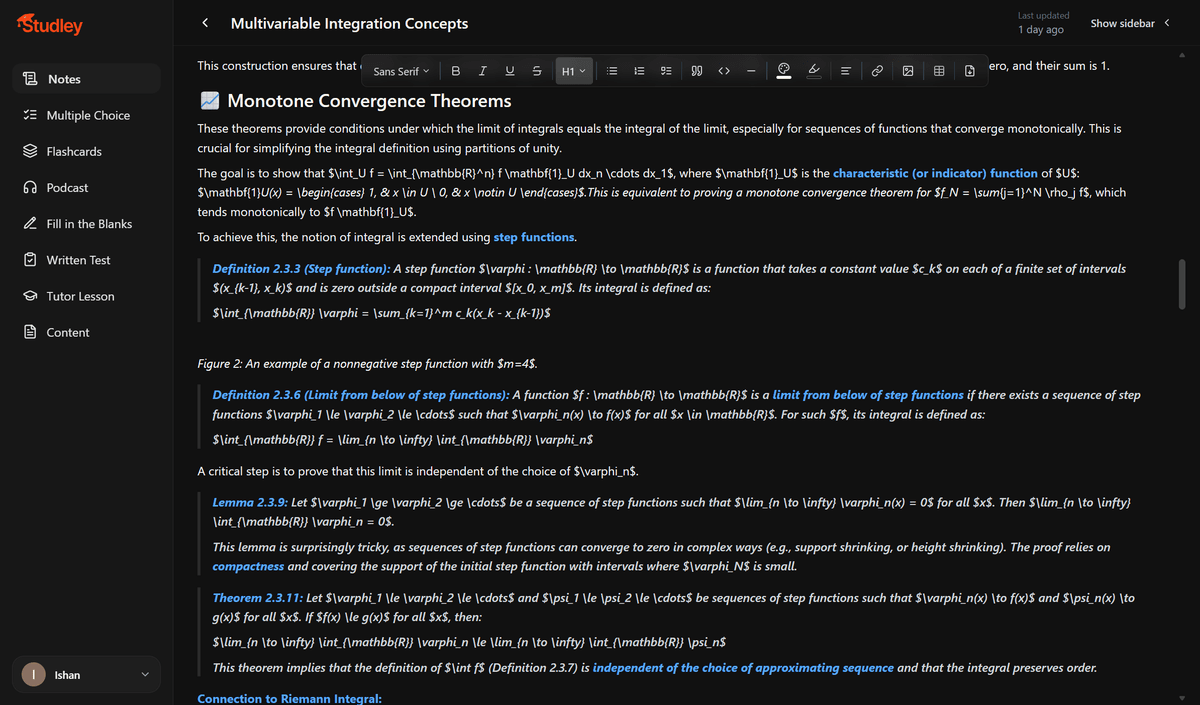
For this theorem, I've outlined a few areas where Studley does not render the equations properly, which isn't the last time this issue will appear.
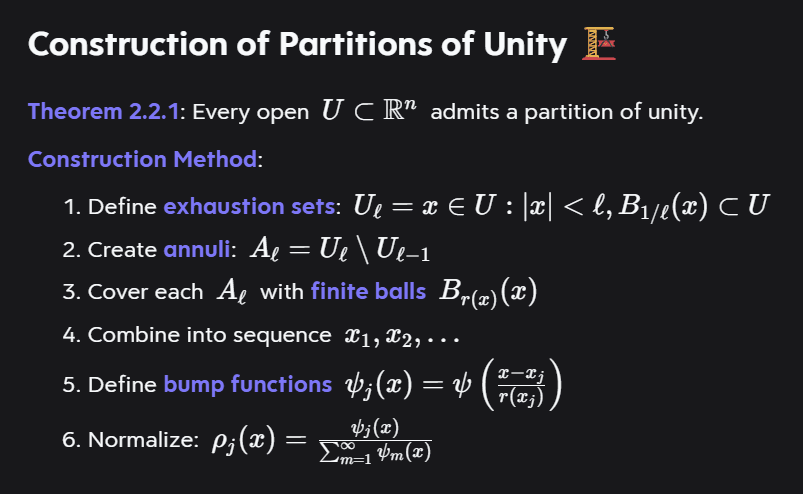
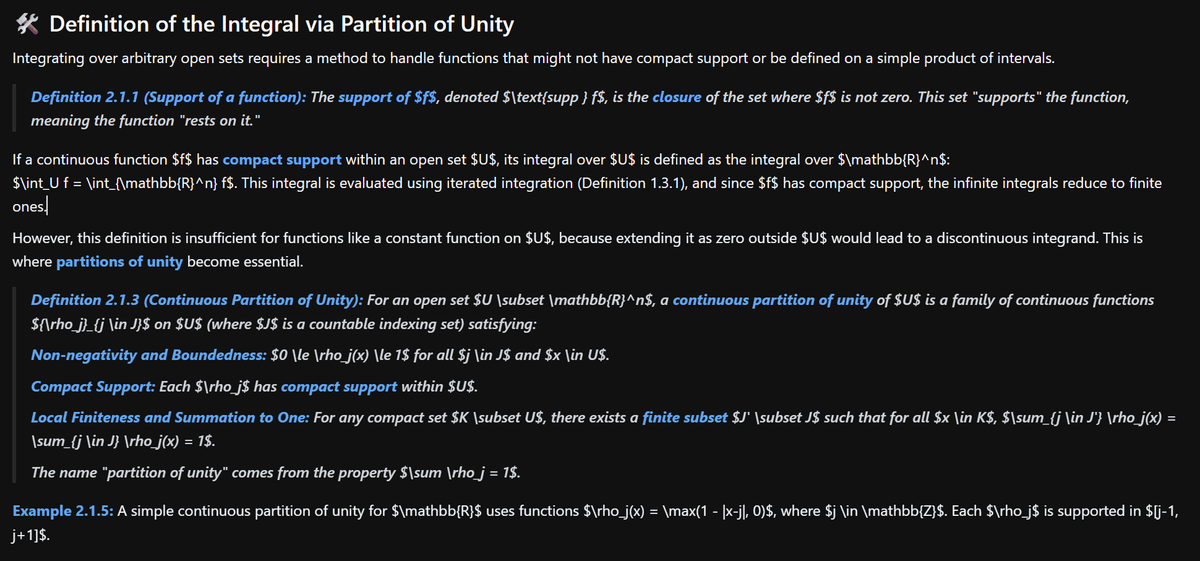
Another difference appears in how each platform compresses content. In the section on constructing a partition of unity, Turbo reduces a proof into a short numbered procedure. Studley covers the same construction but presents it within paragraphs using inline notation, and still struggles to render equations properly.
Turbo's Partition Notes
Studley's Partition Notes
Economics Lecture Slides
For economics, both sets of notes cover the concepts accurately, but differ in their walkthroughs.
Turbo's Economics Notes
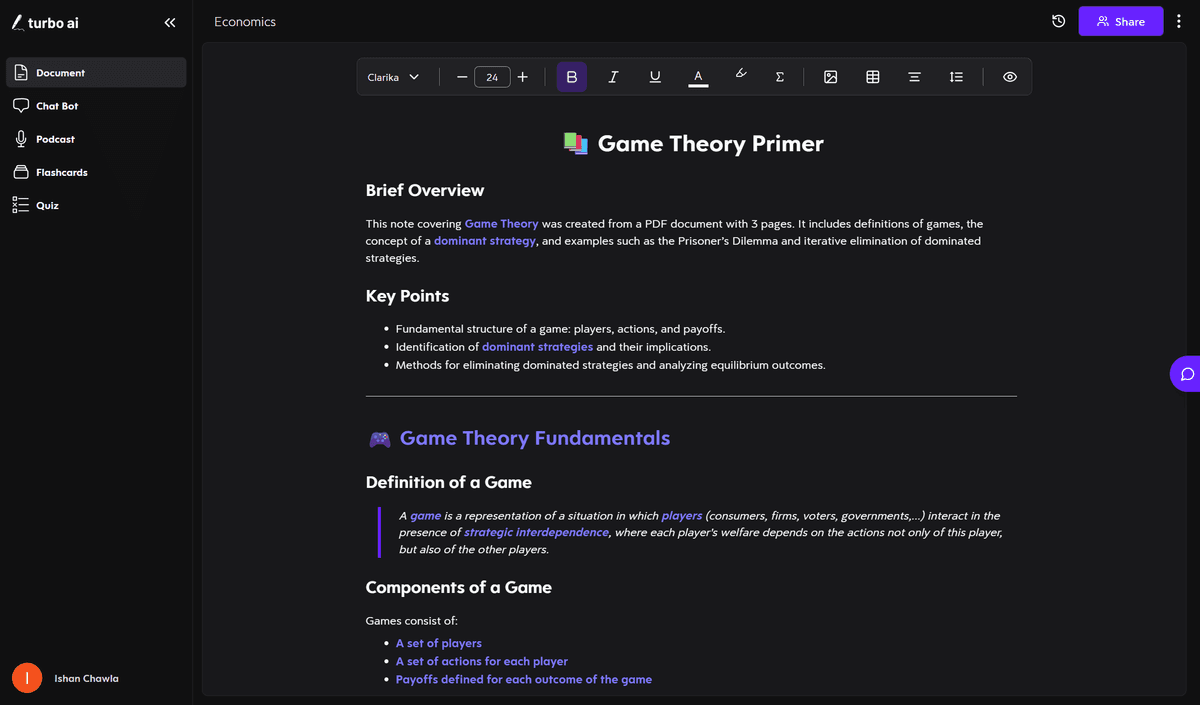
Studley's Economics Notes
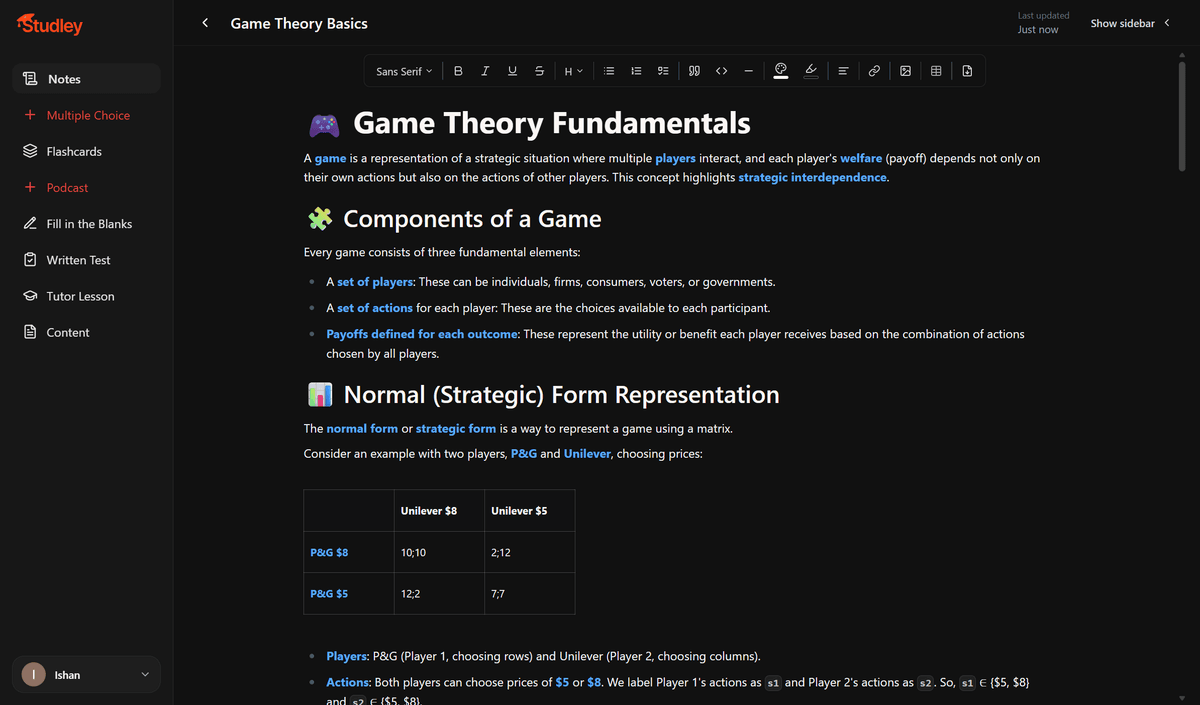
An important concept from the lecture slides is the procedure of iteratively deleting strictly dominated strategies.
In roughly half a page, Turbo shows this process and an example with the appropriate steps performed on the associated payoff matrix.
Studley, on the other hand, dedicates nearly two pages to these three tasks. The platform dedicates an entire page to the elimination sequence repeating payoff comparisons, which makes the presentation feel redundant given that the same conclusion follows from a much shorter sequence of steps.
Turbo
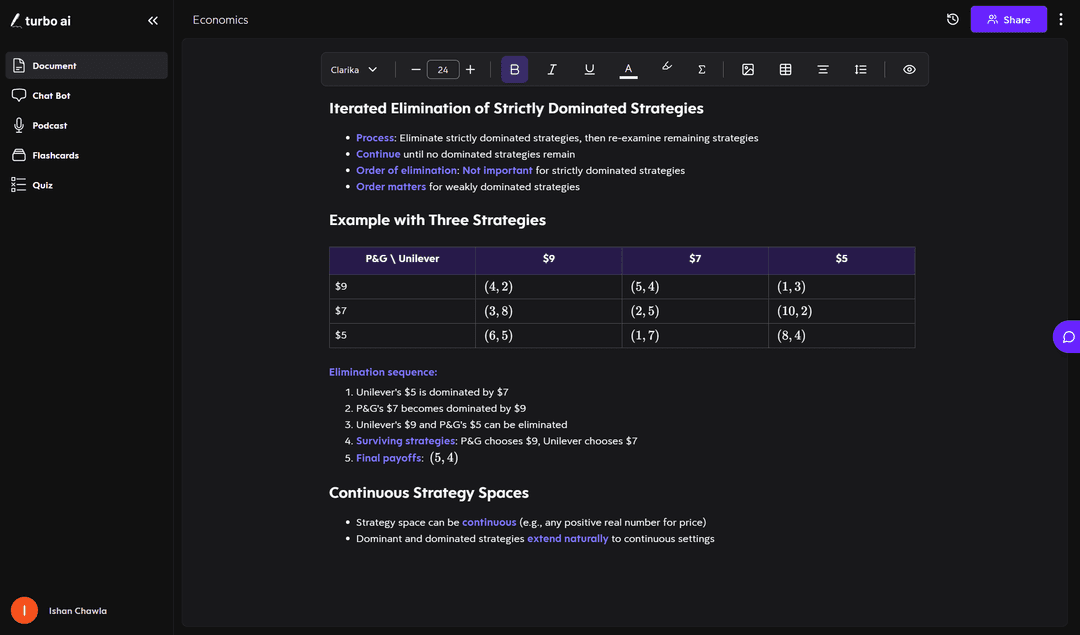
Studley
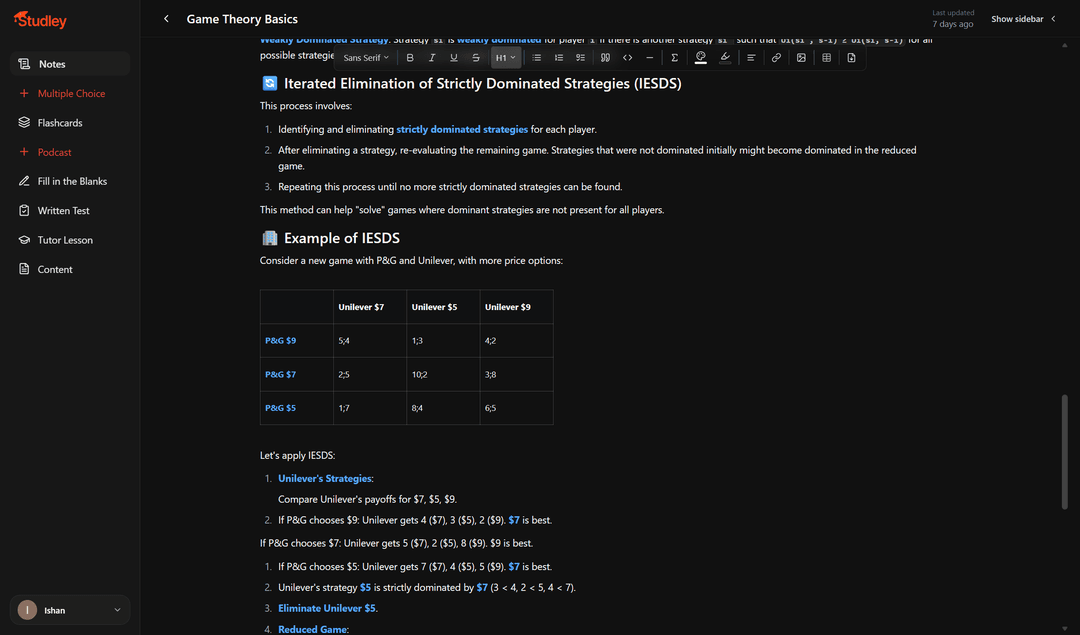
Studley (Page 2)
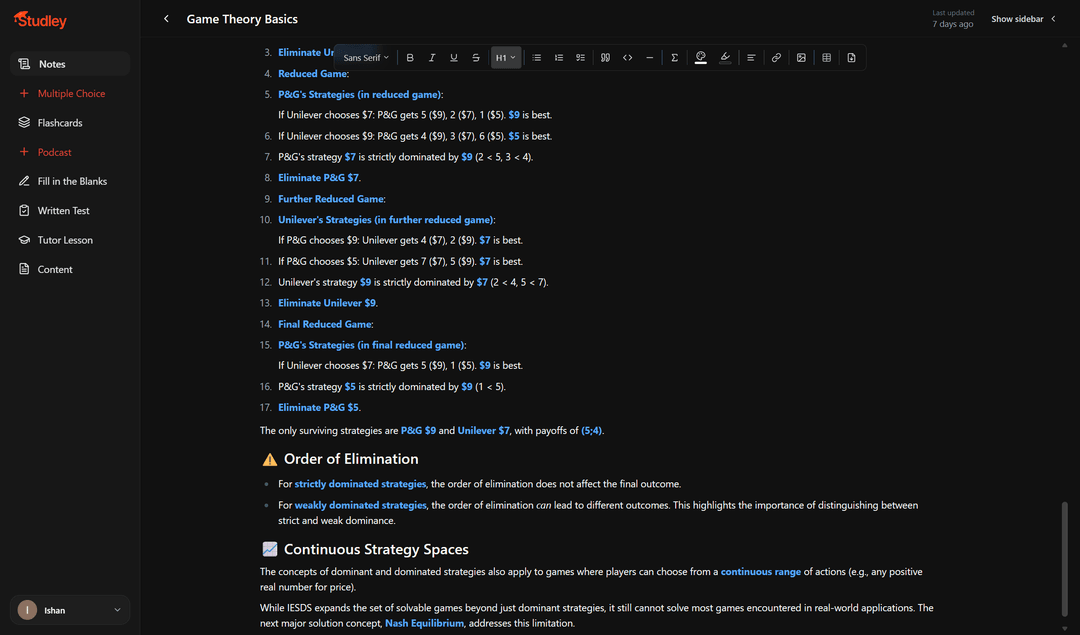
Overall, Turbo's main advantage lies in how it condenses the notes into a concise, readable summary for review. Studley's notes are longer and seem closer to a transcript.
Spanish Lecture Audio Recording
Now, onto the qualitative coursework.
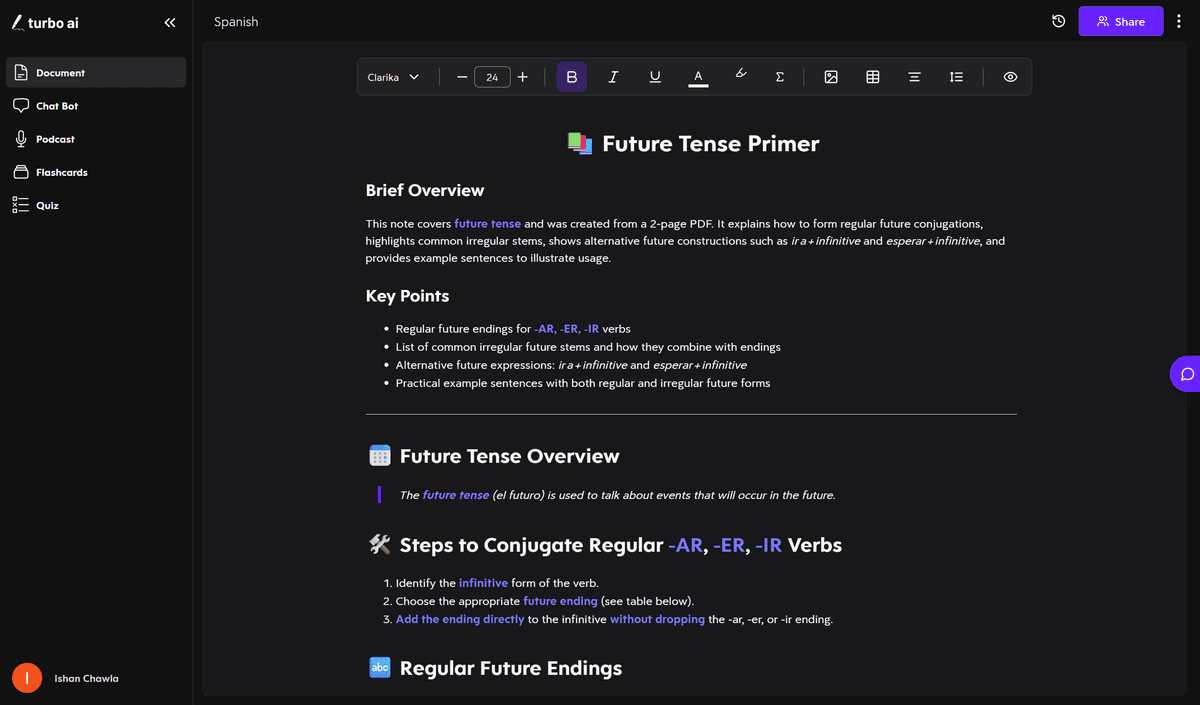
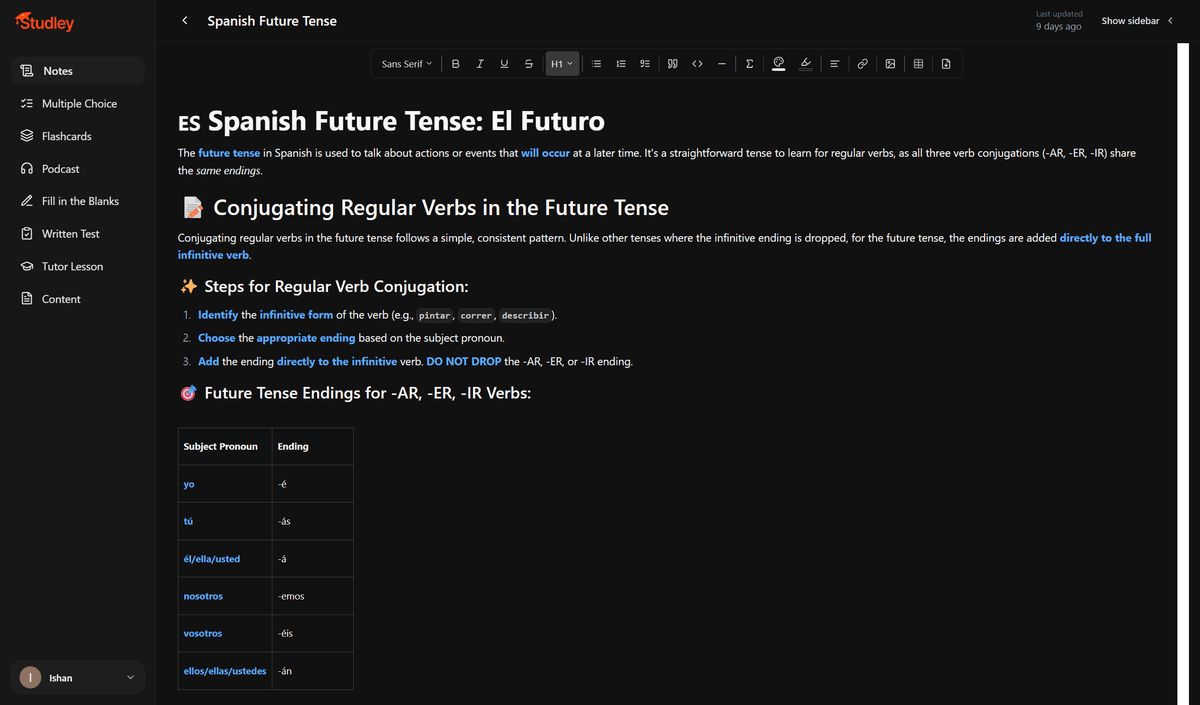
The Spanish lecture covers the future tense. For both tools' notes, the underlying content is largely the same, explaining conjugations, identifying common irregular verbs, listing alternative constructions, and showing example sentences.
Turbo's Spanish Notes
Studley's Spanish Notes
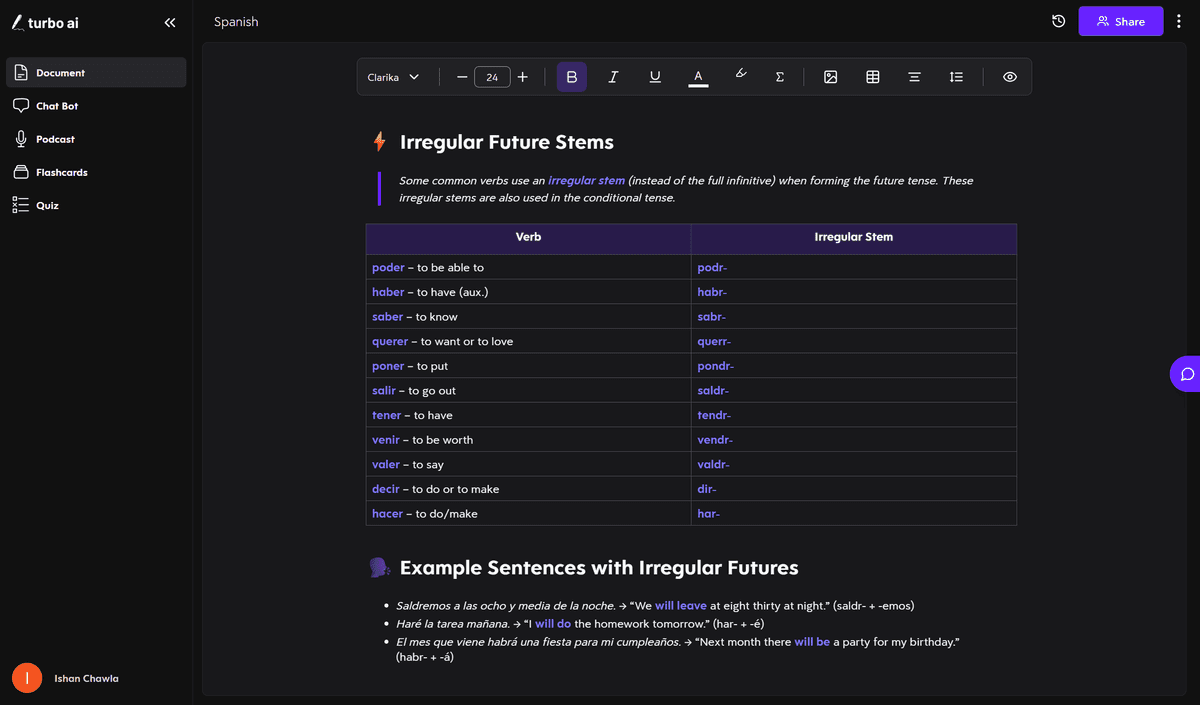
The distinction appears in presentation. In one instance, Turbo places the full list of irregular stems into a single, compact table on one page, followed immediately by example sentences that apply the rule in context. All relevant information sits in one continuous area, making it easy to scan and review without scrolling.
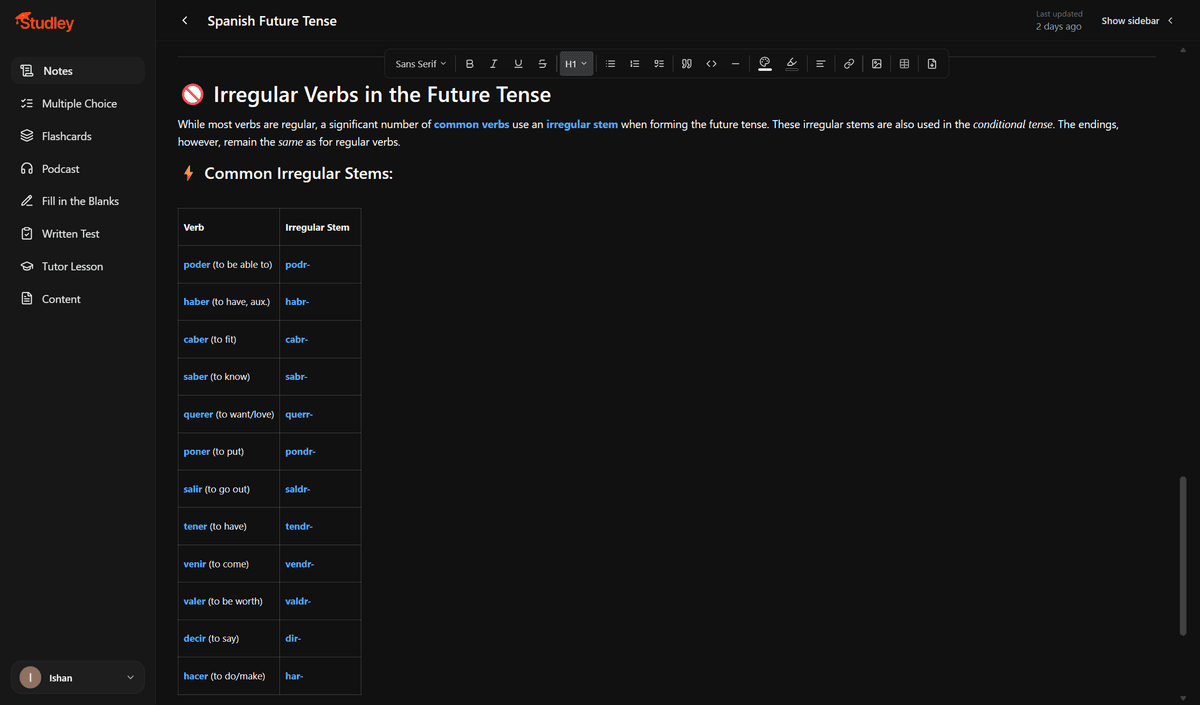
Studley presents the same material as a longer vertical list. While the information remains accurate, the layout stretches the content across more space, which increases scrolling and leaves a large portion of the screen unused, making the layout awkward.
Turbo's Irregular Future Tense
Studley's Irregular Future Tense
Philosophy YouTube Video
Onto Philosophy!
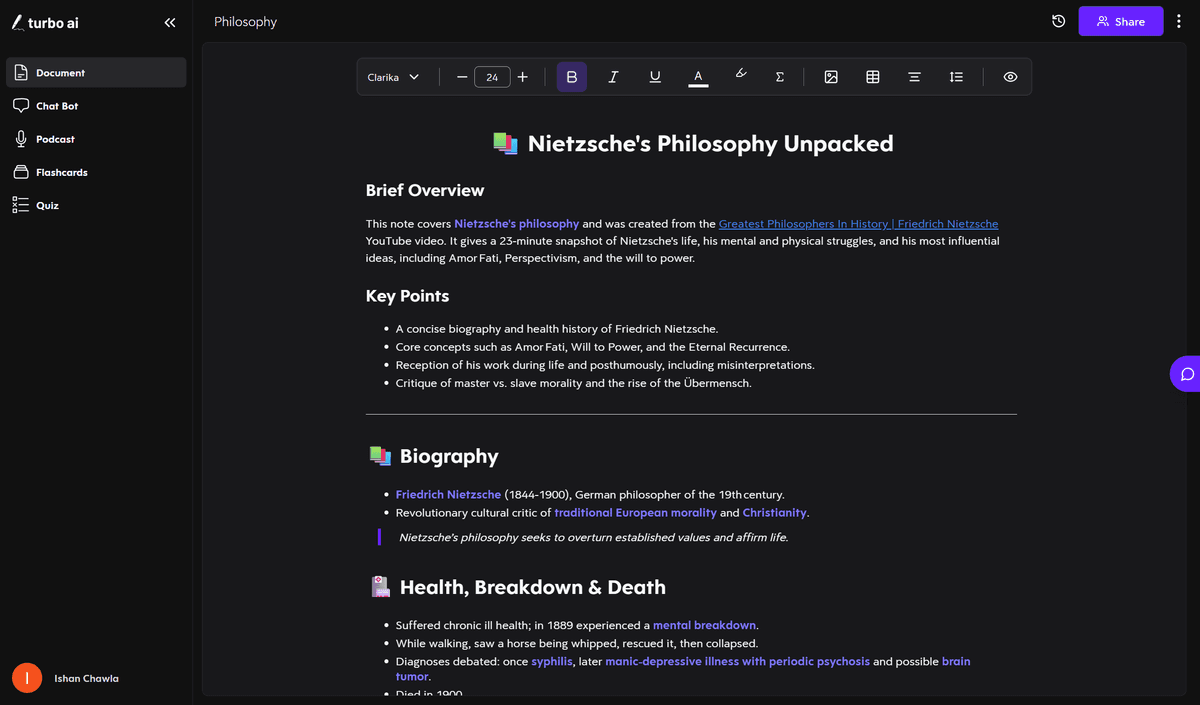
Turbo's Philosophy Notes
Studley's Philosophy Notes
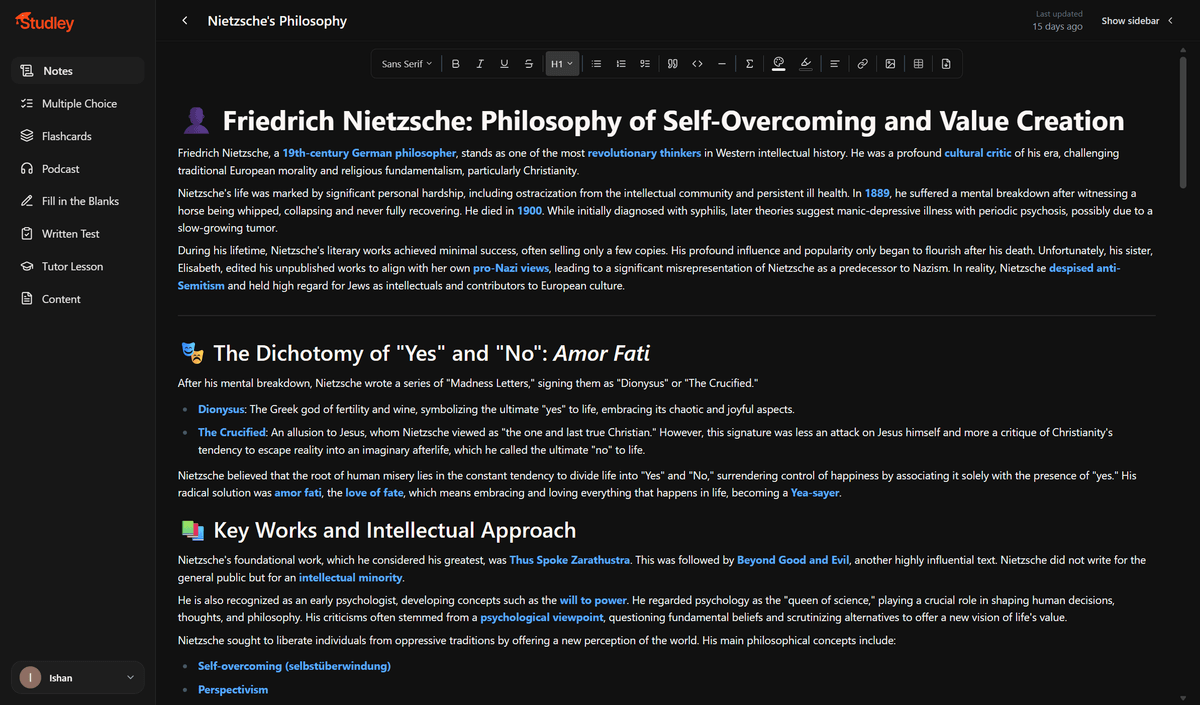
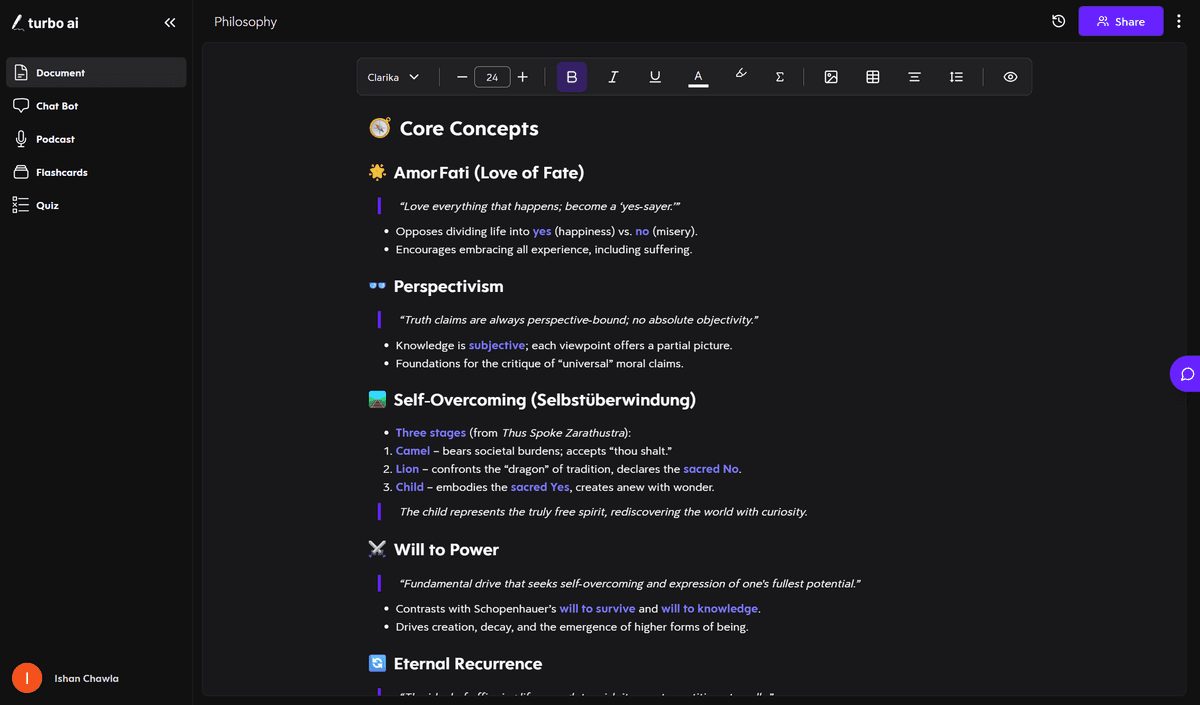
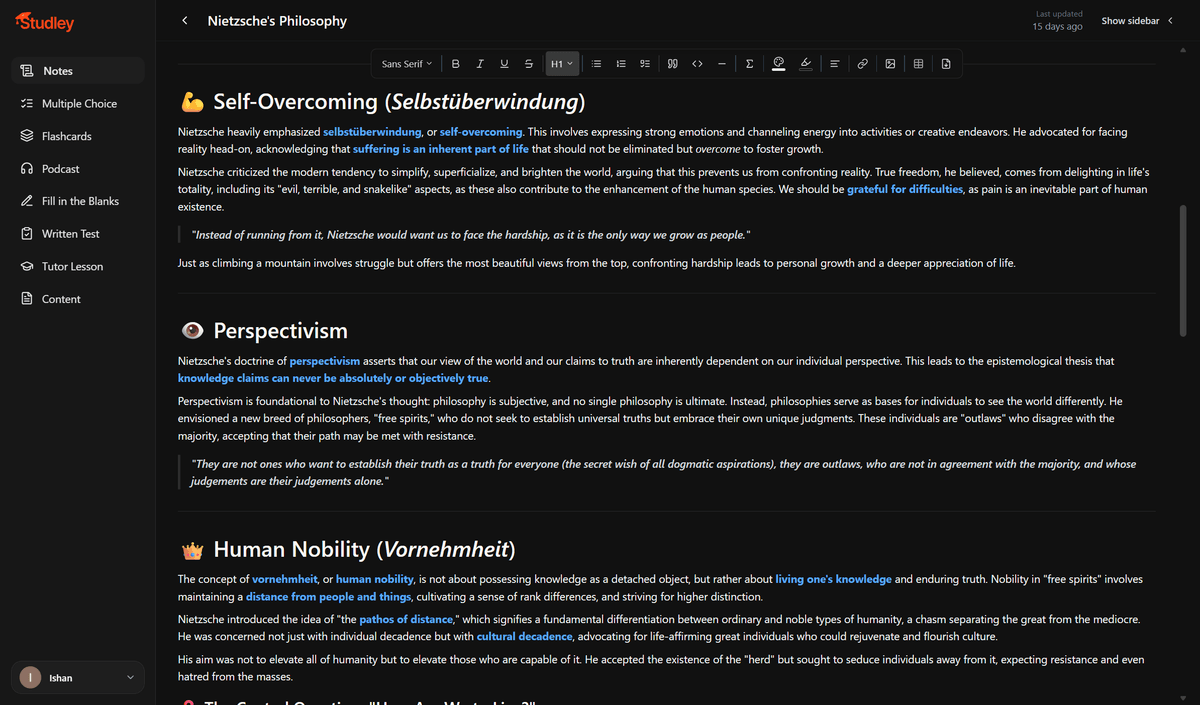
Turbo groups Nietzsche's key claims into a single, concise set of labeled sections, allowing users to see his ideas in one continuous area. Studley presents the same points dispersed throughout its notes and in a narrative format, which requires readers to extract and reconstruct the key arguments from longer passages of text, defeating the point of notes.
Turbo on Nietzsche
Studley on Nietzsche
Verdict: Turbo. Turbo decisively produces more concise, better formatted notes for each subject, so we'll award them another point.
V. Flashcards
Both tools also offer a flashcard feature, allowing users to edit, create, and delete their flashcards. With Turbo, users can sort flashcards into "new," "learning," and "mastered" categories while Studley lets users sort flashcards into "unfamiliar," "learning," "familiar," and "mastered" categories.
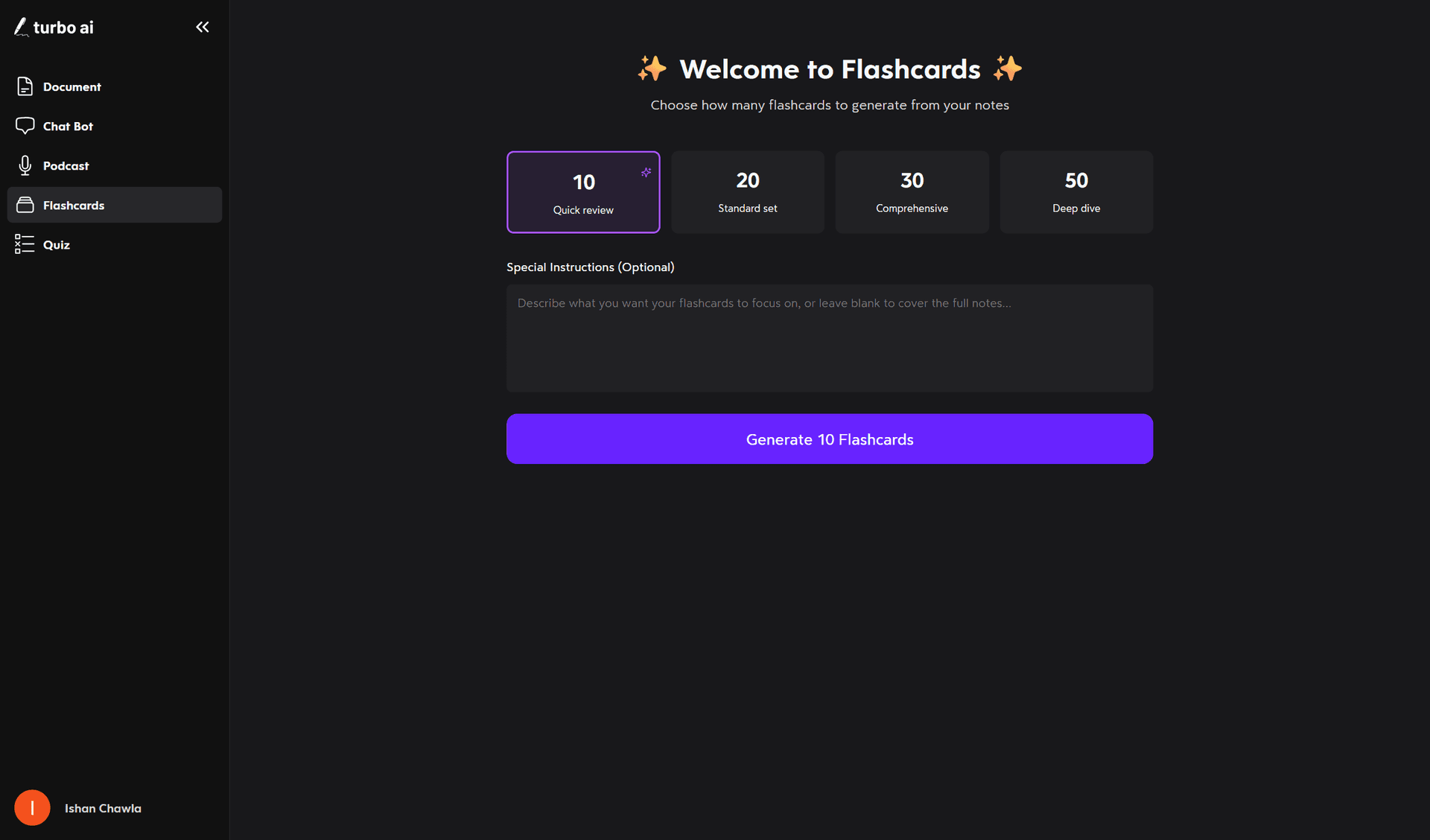
One difference is the initial setup for generating flashcards. While Studley automatically generates a variable number of flashcards, Turbo lets users decide how many flashcards to create from a note, showing the following additional screen.
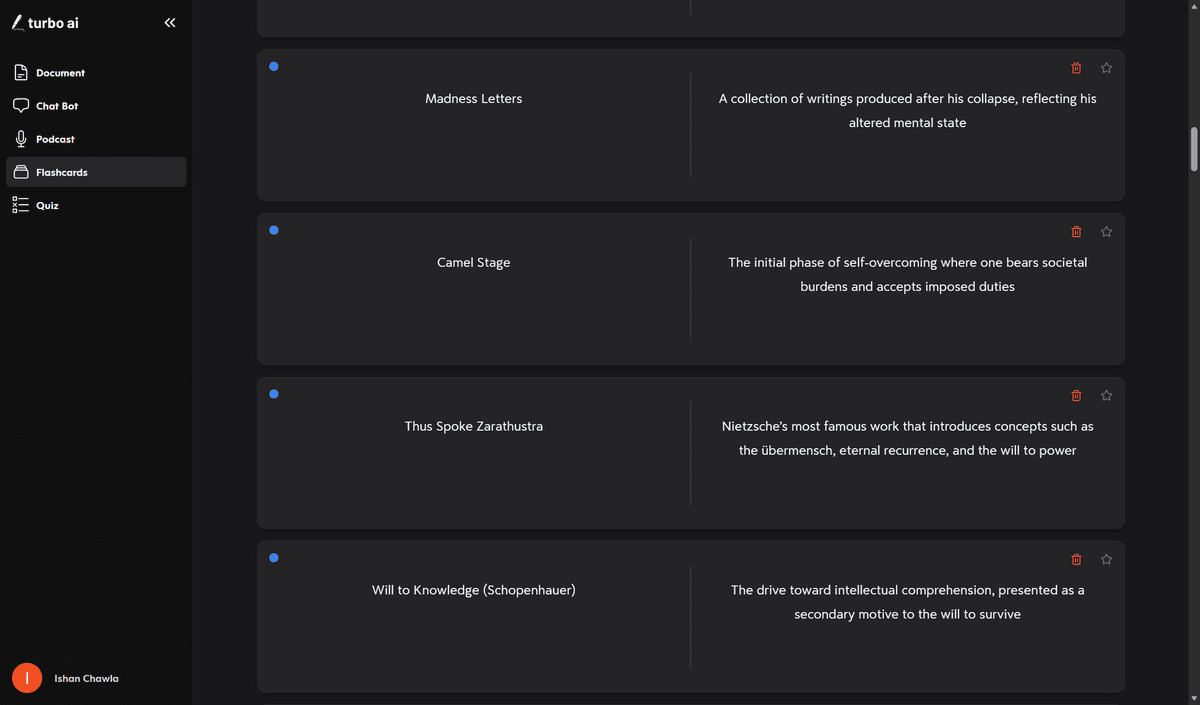
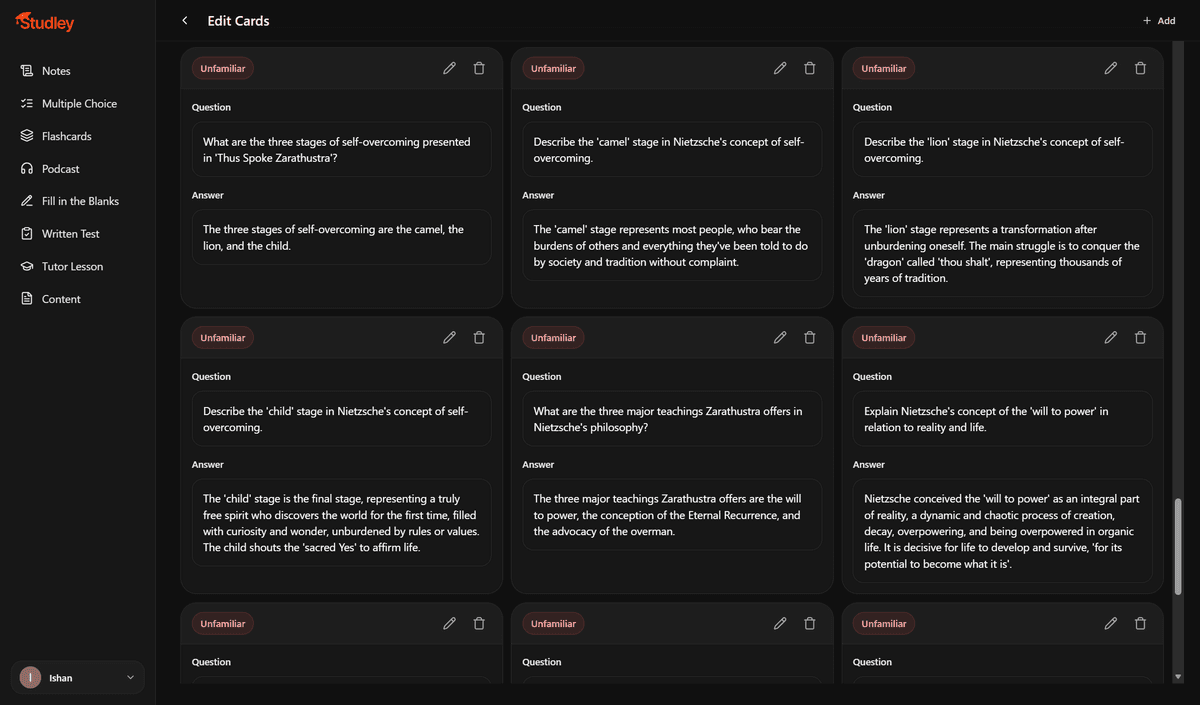
Overall, the primary content difference is how each platform frames the cards. Turbo presents most cards as definitions or concepts intended to be learned directly, while Studley frames the same material as open-ended questions.
For example, Turbo's flashcards break down Nietzsche's philosophy into terms and concepts such as "Camel Stage" or "Perspectivism" while Studley asks "What does 'The Crucified' allude to in Nietzsche's 'Madness Letters' and how did he view it?" or "Name two of Nietzsche's most famous books."
Turbo's Flashcards
Studley's Flashcards
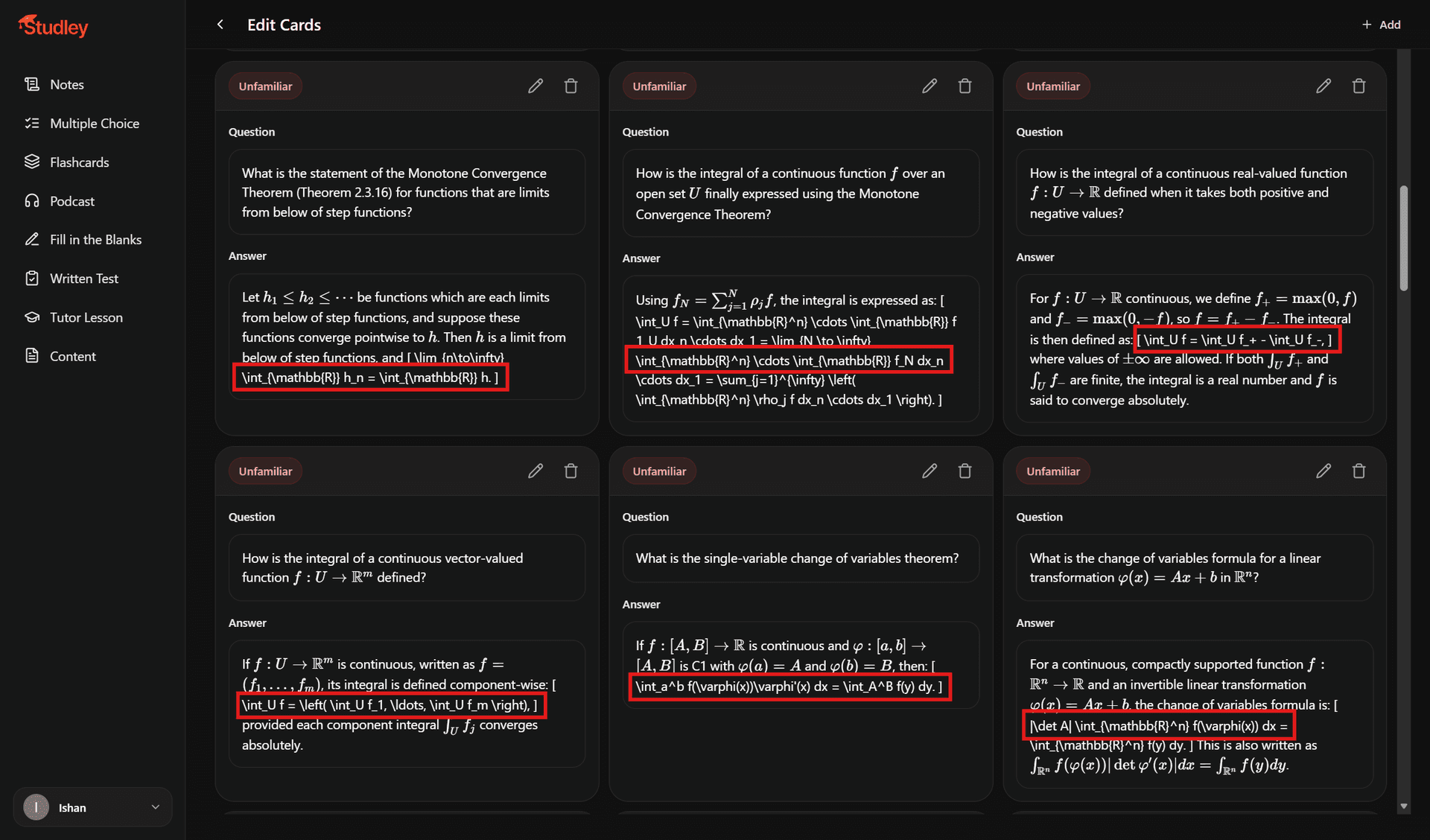
Additionally, when displaying equations for the math lecture, Studley's flashcards suffer from the same formatting issues as their notes, which I outlined below in red.
Verdict: Turbo. Turbo's definition-based cards isolate single concepts, which support recall for exams and cumulative review. Studley's question-based cards encourage narrative recall, with reconstructing long explanations, repeating content across cards, and parsing multi-part prompts. Combined with their formatting issues, Turbo's flashcards are more conducive to mastering content and exam-based recall. Thus, we will award a point to Turbo for this round.
VI. Testing & Miscellaneous Features
Turbo offers five core features: notes, flashcards, a chatbot, podcasts, and quizzes, as well as the learn mode discussed previously. We have already compared the note and flashcard features, and the podcast and chatbot features are relatively similar across platforms.
In allowing users to assess their knowledge, Studley, unlike Turbo with a single "quiz" feature, offers 3 features for this task: "multiple choice," "fill in the blank," and a "written test."
Turbo's quiz feature works well, automatically generating multiple-choice questions covering key points from the uploaded file.
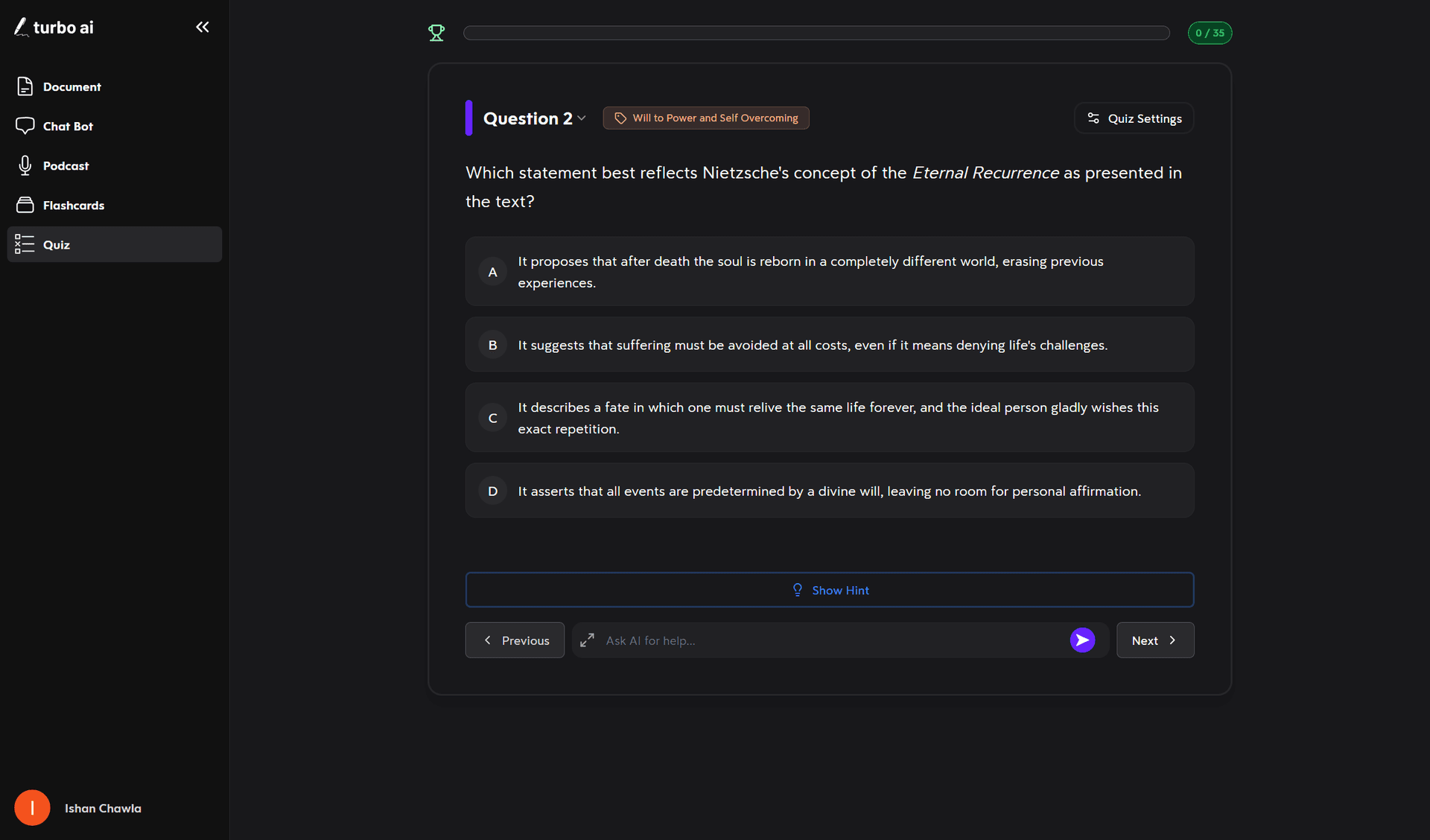
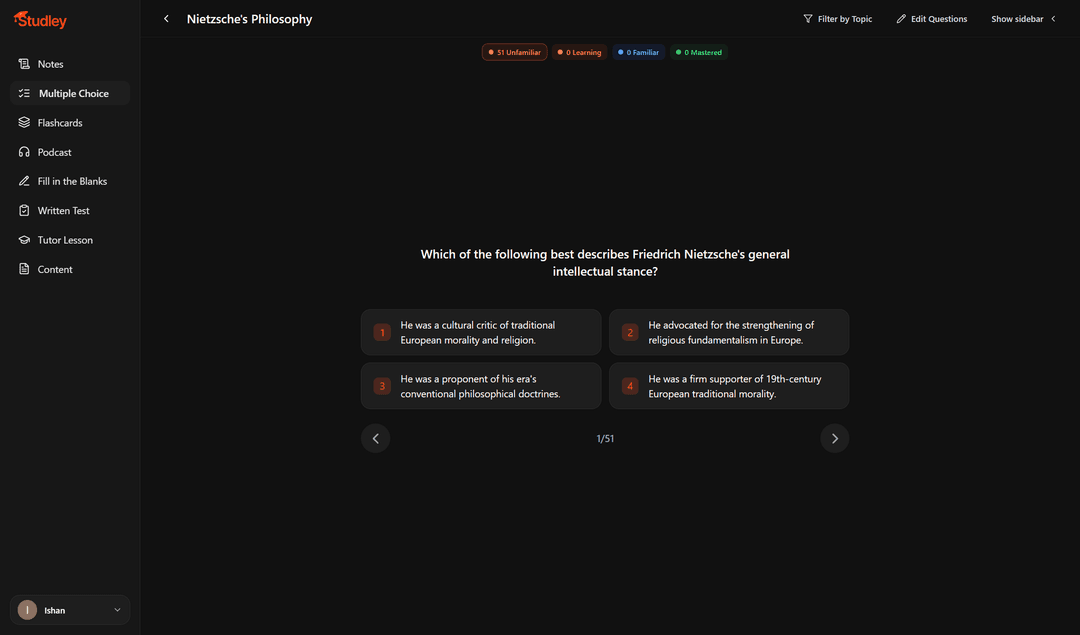
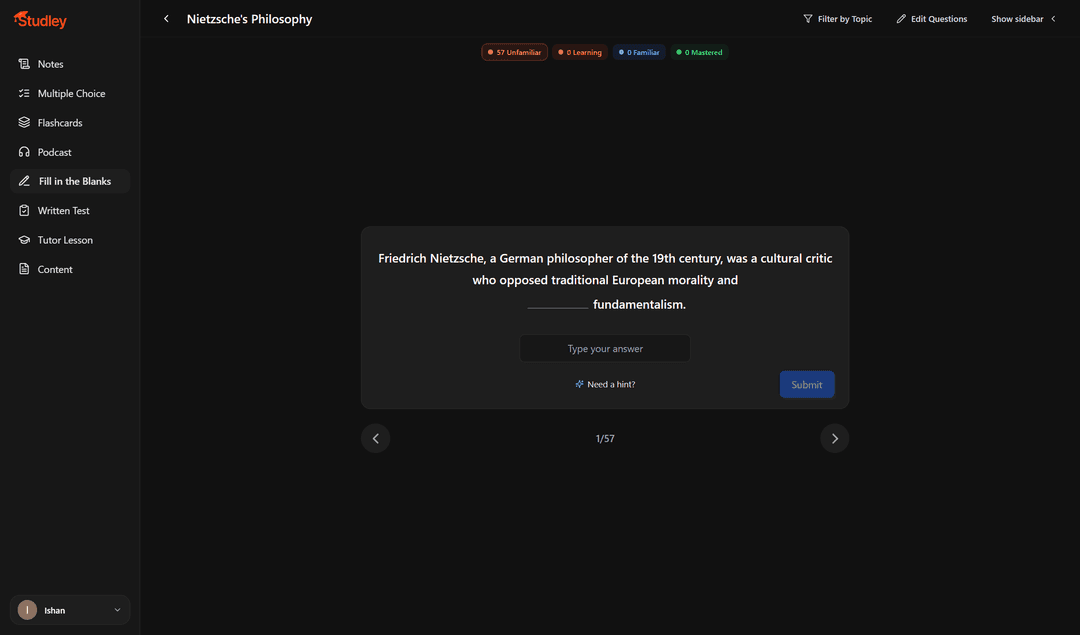
As Studley splits this component into three different screens, various features overlap, and the "written test" feature often failed to load.
Multiple Choice
Fill in the Blanks
Written Test
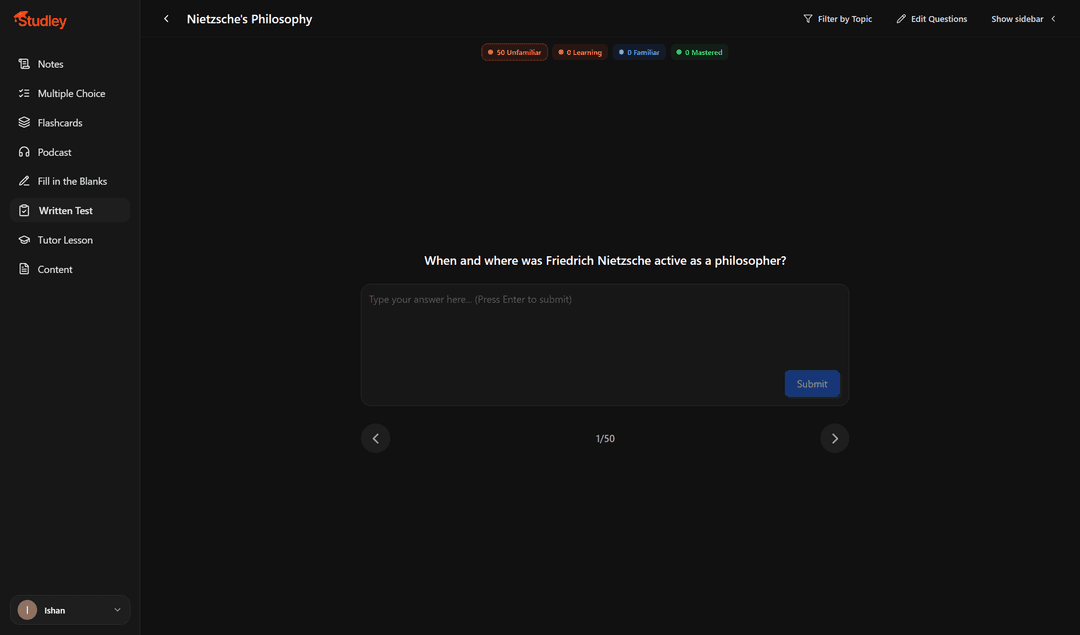
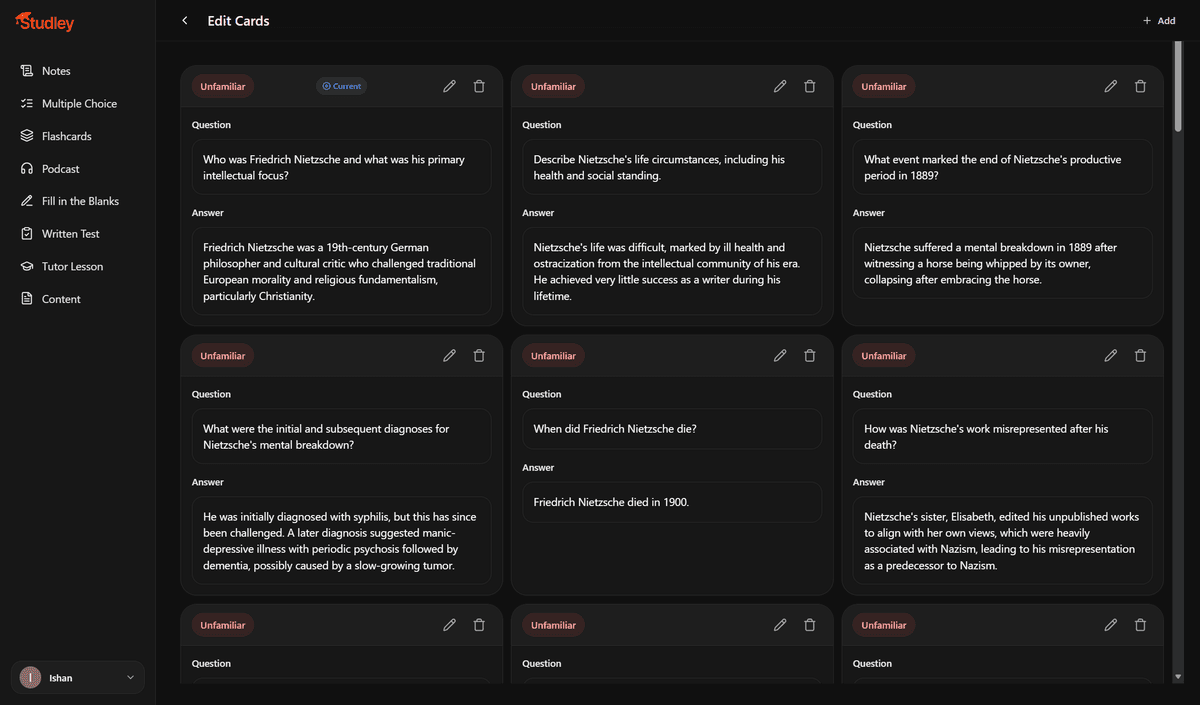
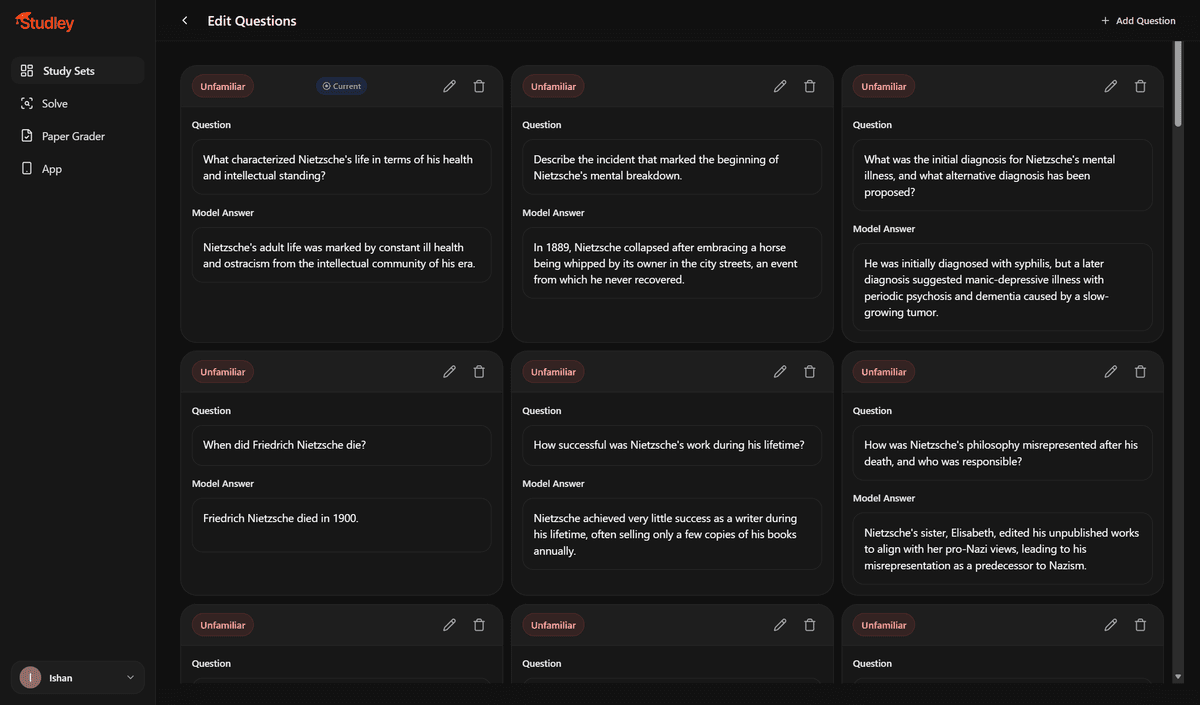
As Studley's Flashcards mirror a quiz with their question-based format, it seems this feature bleeds into their quiz feature(s), complicating the platform and adding redundancy.
Many of Studley's flashcards (left) and their written test questions (right) are indistinguishable, with some shared verbatim such as "When did Friedrich Nietzsche die?"
Studley's Flashcards
Studley's Written Test
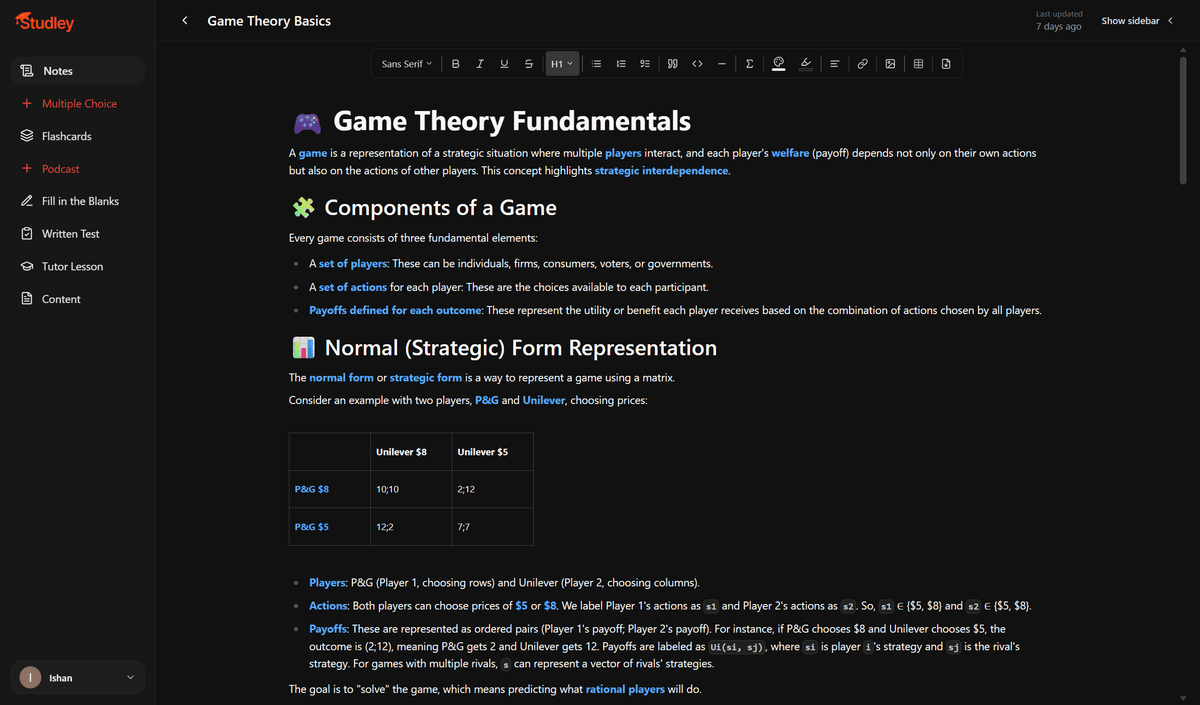
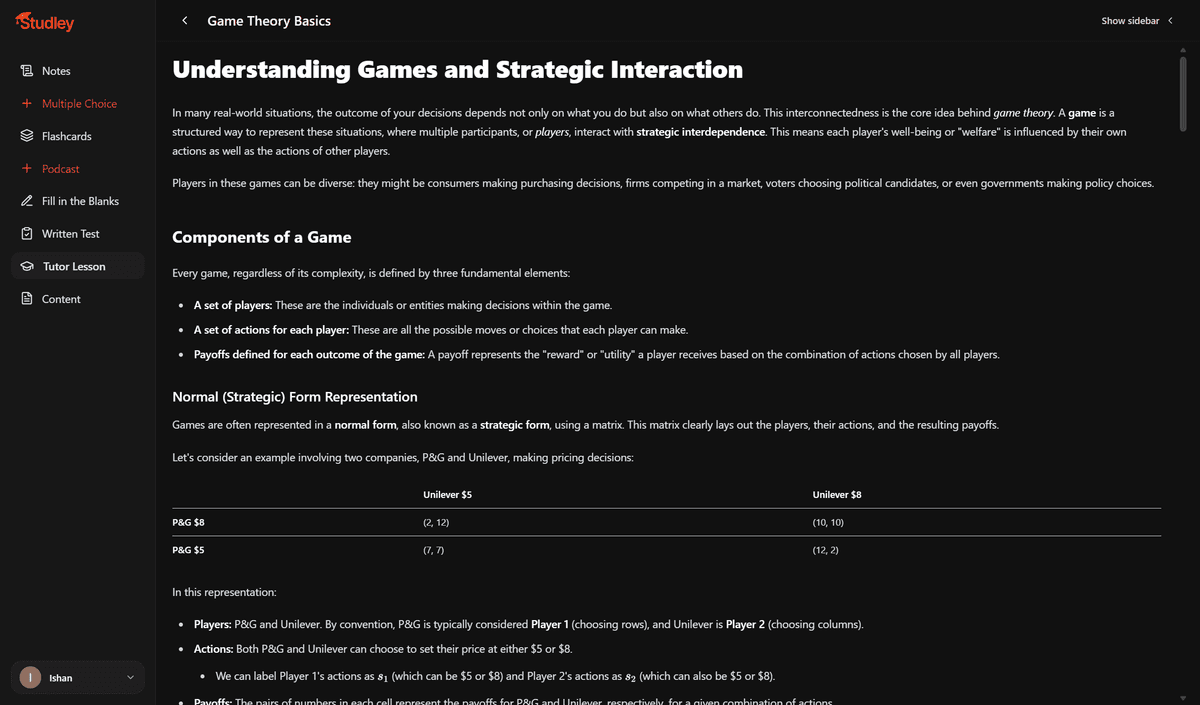
Finally, Studley offers a "tutor lesson" feature which is essentially a regurgitation of their notes, albeit in a slightly longer, and less visually appealing format. This, however, adds more redundancy and defeats the supposed purpose of these AI tools: producing easily-digestible content that simplifies studying.
The image below shows Studley's economics notes (left) with their "tutor lesson" notes (right).
Studley's Notes
Studley's Tutor Lesson
Verdict: Turbo. Turbo's quiz feature aligns with the purpose of AI study tools: saving time and giving users immediately usable practice. Studley's approach fragments users' workflow with overlapping functionality and at least one non-functional feature.
VII. Conclusion
After a full semester of using both platforms across a variety of subjects, the outcome is clear. Turbo focuses on a smaller set of core tools, consistently delivering concise, well structured outputs across notes, flashcards, and testing. Studley, on the other hand, repeatedly struggles with formatting errors and redundancy.
The result is not a close comparison: Turbo is the stronger, more dependable study tool, while Studley repeatedly struggles. And with Learn Mode, Turbo covers a need Studley doesn't attempt, building a structured, 12-section course from something as little as a few words.
For students who want readable, practical, and reliable study materials, Turbo stands out as the better choice.
Ishan Chawla
Pre-Law Student @ Northwestern University