Opening
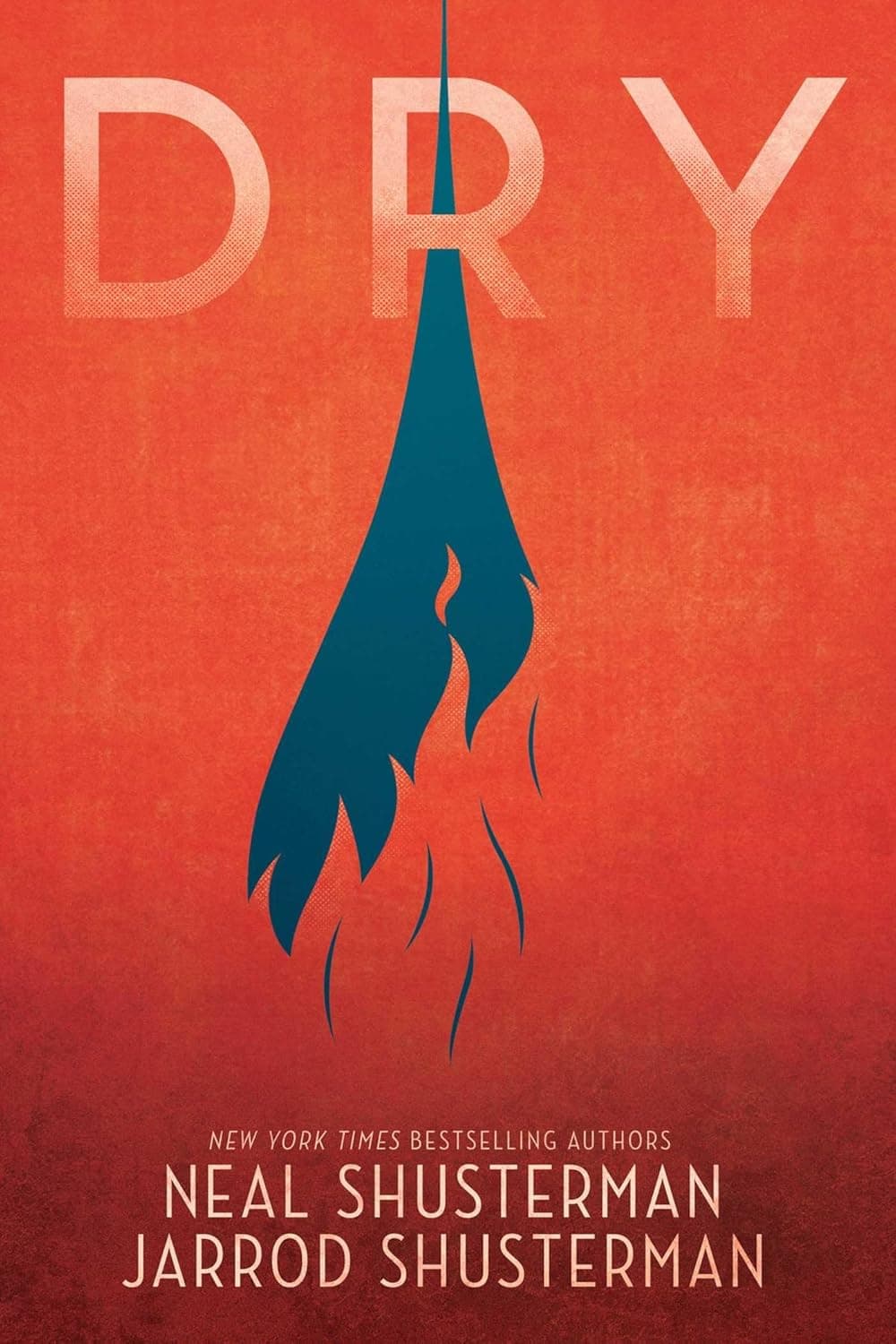
Chaos closes in as Alyssa Morrow, Kelton McCracken, and Jacqui Costa scramble to save Garrett Morrow after a deadly standoff. Fire consumes their hopes, a single cup of water becomes a moral crossroads, and survival demands choices that stain the soul.
What Happens
Chapter 46: Alyssa
Shock hardens into urgency. Alyssa refuses to think about the bodies or the chance her parents are dead; Garrett is failing, and she has minutes to keep him alive. Remembering Kelton’s warning about the body’s last surge of energy before death, she realizes Garrett’s recent struggle may have been that burst. She hoists him up and carries him toward the campsite—toward water.
Kelton strips the dead man’s Desert Eagle and offers his old gun to Jacqui. Alyssa takes it instead: “No one’s ever going to put me in a position like that again.” When Jacqui asks about Henry, Kelton says he’ll save a bullet for him. Whether he’s joking or not chills the air.
Chapter 47: Kelton
Killing feels disturbingly simple to Kelton: “Pop! Pop! Done. Move on.” He numbs himself by framing it like a video game—take the loot, level up—even as he wonders if he’s slipping into the same ruthless rules that govern the men he shot, pressing the theme of Human Nature: Civility vs. Savagery.
Then dread: the unattended campfire has spread. Camp chairs crackle, heat billows, and the cooler—stuffed with salvation—softens, melts, and finally bursts as the bottles pop into steam. Jacqui lunges for the cooler and sears her hands. Kelton searches for a branch to drag it free, but Alyssa sprints for the nearby camper, gambling there’s more water inside.
Chapter 48: Alyssa
The camper reeks. On the bed lies an elderly, sick woman who thinks Alyssa belongs to her sons—Benji and Kyle. Alyssa’s eye catches a faded photo of two little boys in Mickey Mouse hats, and the reality lands: the men Kelton killed were brothers, loved by their mother. The neat story of “villains” dissolves into the messy truth of The Breakdown of Social Order.
Smoke curls in through the window. Then Alyssa sees it—a single plastic cup of water on the sill. Both she and the woman lunge; the woman clutches the cup to her chest. Alyssa understands the trade: if she takes it, the woman dies; if she doesn’t, Garrett will. She slaps the woman, snatches the cup, and runs through fire. “Sometimes it’s the monsters who survive. And now I am the monster.”
Chapter 49: Jacqui
Jacqui’s hands throb, blistered and raw. Kelton hooks the cooler, but the plastic tears, and the last water hisses into ash. The mountains take another wildfire, and hope burns with it.
Alyssa bursts from the camper with the cup like a relic. For a heartbeat, Jacqui wants it—needs it. But she steps back, lets Alyssa pass, and holds the line for Garrett. While others fracture, she feels something clarify inside: “I have finally found mine.”
Chapter 50: Alyssa
On the ridge, Garrett barely breathes. Alyssa tilts the cup to his lips; water dribbles, then he coughs and swallows. She gives him the rest. It’s not enough for strength, but it is enough for life.
She asks if the old woman made it out. Their blank looks say they didn’t know she existed. The camper is engulfed now—no screams, no path through the wall of fire. Alyssa carries Garrett back toward the truck as the knowledge settles, heavy and permanent: the woman’s death is the price of Garrett’s survival.
Character Development
Pressure strips everyone down to who they are—or who they become. Choices here define them going forward.
- Alyssa: A protector turns ruthless. Her love becomes a blade she uses against a defenseless woman, and she accepts the cost.
- Jacqui: Pain and thirst tempt her to take the cup, but she chooses restraint and empathy, marking a moral reset.
- Kelton: He compartmentalizes killing with “game logic,” revealing a slide toward desensitization that scares even him.
- Garrett: His near-death vulnerability drives every decision, catalyzing the group’s most extreme moral compromises.
Themes & Symbols
-
Human Nature and Morality: Alyssa calls herself a monster after taking the cup, while Jacqui reclaims her humanity by not taking it. Side by side, the narrative insists that morality isn’t a constant—it’s a choice made under pressure, and different people break, or hold, in different places.
-
Family and Loyalty: Alyssa’s loyalty to Garrett justifies, to her, a terrible act. The photo of the attackers as children reframes them not as faceless threats but as sons and brothers, complicating any clean hierarchy of whose family matters more.
-
Survival and Desperation: The cup of water distills the Tap-Out into a single decision: who lives because someone else doesn’t. Kelton’s “video game” mindset and Alyssa’s slap are different faces of the same survival calculus.
-
The Cup of Water: A lifeline and a verdict. It becomes a moral instrument, forcing a zero-sum choice and branding whoever wields it.
-
The Fire: Chaos made visible. It devours the cooler and the camper, turning scarcity into catastrophe and sealing the consequences of split-second decisions.
Key Quotes
“No one’s ever going to put me in a position like that again.” Alyssa seizes the gun and her agency at the same time. The line marks the end of her passivity and foreshadows the brutal choice she soon makes to keep Garrett alive.
“Pop! Pop! Done. Move on.” Kelton’s clipped rhythm mimics a trigger pull and a reset. By shrinking killing into a mechanical sequence, he protects himself from the moral weight—and risks losing part of himself in the process.
“Sometimes it’s the monsters who survive. And now I am the monster.” Alyssa names her own transformation. The admission refuses self-justification, underlining the novel’s claim that survival can demand actions that permanently alter identity.
“I have finally found mine.” Jacqui’s restraint becomes her moral anchor. In a landscape where need excuses cruelty, she draws a line and steps back from the brink.
Why This Matters and Section Significance
These chapters form the story’s moral crucible. The fire takes their water, but the cup forces their souls into the open: Alyssa crosses a line to save Garrett; Jacqui redraws hers to spare him; Kelton glides closer to numb, utilitarian violence. The group leaves with a life saved, a woman dead, and a shared secret that tightens their bond even as it burdens them. The question resounding forward is no longer just how they will survive, but who they will be when they do.