Opening
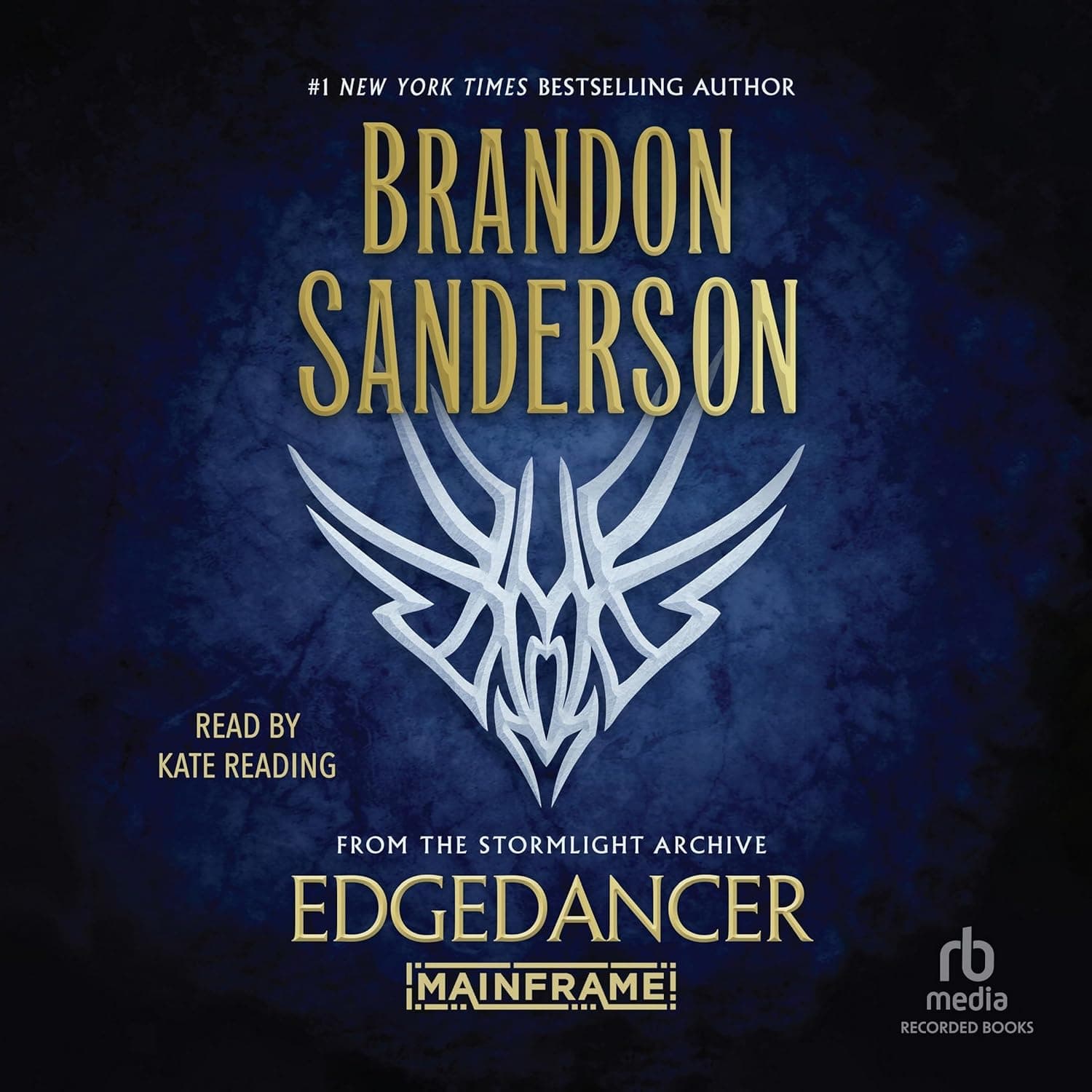
Lift races to outmaneuver Darkness in a city that worships paper and protocol. With Wyndle as reluctant guide, Lift swaps petty theft for audacious leadership, turning an imperial bureaucracy into her tool as the Everstorm bears down and the Skybreakers move in for an execution.
What Happens
Chapter 11: The Grand Indicium
Lift decides her goal is simple: “steal Darkness’s lunch”—save his would-be victim. Wyndle tries to talk Ideals and Shardblades, calling them “Words,” but Lift brushes him off. If Tashikk loves records, then the city must have written down anything “awesome,” so she hunts the central archive.
In a public garden, she watches the locals bustle and haggles flippantly with a well-dressed woman for directions to where the city keeps “all the old stuff.” Exasperated, the woman points toward an enormous bunker-like building at the city’s heart. Lift finally notices it: the Grand Indicium, a literal citadel of knowledge.
Chapter 12: A Fortress for Books
From a nearby field, Lift studies the Grand Indicium as anxious farmers work under a too-clear sky—a bad omen before the Everstorm. She cracks a crude joke about the building’s shape, then Wyndle cuts in: this place is a fortress for books, and there’s no way he can sift its oceans of words in time.
Lift offers “Voidbringer wages” for his help—maybe a tax collector’s soul?—and Wyndle sputters denial. Brute force won’t work. So she pivots: if they can’t outread the system, they’ll outfake it. They “think like a Voidbringer,” steal impressive-looking robes, and infiltrate by impersonation instead of breaking in.
Chapter 13: Imperial Mandate
In oversized Azish robes, Lift blusters past a senior scribe with a card Wyndle wrote and claims to be a friend of Emperor Gawx. Her irreverent nicknames for the viziers earn only scowls. A runner arrives—the watch is searching for a girl matching her description—and the trap closes.
Lift sprints to the spanreeds, finds the line to the Azish palace with Wyndle’s help, and scrawls for Gawx and “Fat Lips” (Vizier Noura). Guards tackle her just as the spanreed answers. Ink appears across the page, and the room freezes.
Chapter 14: Your Pancakefulness
Gawx’s decree arrives: Lift is to receive every courtesy, all expenses to the imperial account. The scribes and guards snap to attention. Lift, newly crowned “Your Pancakefulness,” commandeers the office, devours pancakes, and orders a search for “abnormal strange” events. To clarify, she grows the seeds on a pancake into a tangle of vines, openly displaying her Surges—a moment of Coming of Age and Accepting Responsibility as she uses her Radiant power to help others.
The Everstorm nears—Gawx confirms it via spanreed—and the city watch captain corroborates Lift’s accusations about The Stump (Yaela) and the orphanage. Still, hours of work yield only hundreds of vague oddities and no clear Radiant. Then the prince issues a Status Five emergency diktat: all citizens to shelter, all officials to stations. The scribes abandon their desks mid-search, leaving Lift with a handful of dead-end reports and a ticking clock.
Chapter 15: A Glimmer of Mercy
As the building empties, head scribe Ghenna mentions that Darkness’s team also hired researchers here. Lift and Wyndle slip through quiet, dark halls to the right office and arrive as Darkness’s two apprentices and Szeth-son-Neturo appear. The apprentices enter; Szeth sits sentry outside, a strange black Shardblade—Nightblood—across his lap. Lift sends a trembling Wyndle to eavesdrop.
Waiting in the shadows, Lift confronts why she avoids choices at all costs, tying her resistance to responsibility to her mother’s death and her own feeling of not being enough—a core struggle of Finding Purpose and Identity. Wyndle returns with bad news: the Skybreakers have identified their target and are leaving to carry out the execution. As they file past, Szeth stops, peers directly into Lift’s hiding place, and tosses a glowing sphere that reveals her. He half-draws his sword, black smoke curling, then slides it away and lets her live. Lift and Wyndle, stunned and grateful, hurry to follow the Skybreakers.
Character Development
Lift shifts from scrappy thief to improvisational leader, discovering she can bend a bureaucracy without breaking it—and that revealing her power can be the bravest, most useful choice.
- She weaponizes friendship and reputation through Gawx’s decree, commands a room of professionals, then crashes when the system abandons her mid-crisis.
- Her open use of Surgebinding marks a step toward responsibility, even as her interior monologue exposes the grief and guilt that make her cling to childhood.
- Her hatred for Darkness crystallizes into a mission: protect the helpless from legalistic cruelty.
Wyndle grows braver in practice than in principle.
- He writes, reads, and plans, but also risks himself to spy on the Skybreakers, stepping beyond fear to support Lift’s path toward Radiant duty.
Szeth reveals a fragile, emerging conscience.
- He talks to Nightblood and radiates unease, yet chooses mercy under no one’s gaze. Sparing Lift suggests his obedience now wrestles with personal judgment.
Gawx proves himself a steadfast ally.
- From afar, he leverages imperial weight without hesitation, validating Lift’s worth and giving her the standing she needs at the pivotal moment.
Themes & Symbols
Two codes clash: institutional law versus individual conscience. Justice and Law vs. Personal Morality frames the Skybreakers’ relentless “legality” against Lift’s instinct to protect life first. The Grand Indicium—perfectly documented, practically paralyzed—embodies a system that can justify anything and still fail to save someone in need. Szeth’s mercy is the crack in that monolith, proof that judgment can temper law.
The story also centers Compassion for the Overlooked. Lift fights for a stranger who can’t fight for themselves, defends orphans no one sees, and worries about breakfast on the eve of apocalypse. That care for small human needs keeps the story humane and grounds her Radiant calling.
Finally, Coming of Age and Accepting Responsibility and Finding Purpose and Identity converge. Lift admits she avoids choices, then chooses anyway—using her powers publicly, organizing adults, and chasing the Skybreakers into danger. Responsibility becomes an expression of who she is, not a threat to who she was.
Symbols:
- The Grand Indicium: a fortress of knowledge that can’t act—safety without urgency.
- Pancakes: comfort and continuity. Lift’s quip about breakfast insists that survival includes ordinary joys, not just epic victories.
- The glowing sphere: revelation and judgment; Szeth’s light exposes Lift, then his mercy redefines what the light means.
Key Quotes
“The world ends tomorrow, but the day after that, people are going to ask what’s for breakfast.”
This line captures Lift’s ethic: remember the everyday needs that make life worth saving. It reframes heroism as sustaining community, not just averting catastrophe, and justifies her pancake-fueled command of the archive.
“I don’t make choices, Wyndle.”
Lift names her fear: choices demand responsibility and invite guilt. The chapter sequence forces her to choose repeatedly—revealing power, leveraging authority, and pursuing the Skybreakers—making this admission the pivot she must overcome.
“You knew the truth of the world even when you went and asked not to get older. Being young was an excuse. A plausible justification.”
Her interior reckoning strips away the mask of perpetual childhood. It’s a self-indictment and a turning point, aligning her identity with action rather than avoidance and preparing her to accept Radiant duties.
Why This Matters and Section Significance
These chapters turn a petty thief’s vow into a race against law, storm, and time. The failed research blitz, the emergency diktat, and the Skybreakers’ head start escalate tension while revealing the limits of bureaucracy in a crisis. Lift’s command of the Indicium—and its collapse—teaches her that authority helps, but courage and choice decide.
On the series level, Szeth’s mercy and presence bridge this novella to the larger Stormlight saga, hinting at a more complex moral landscape within the Skybreakers. Most crucially, Lift’s willingness to be seen—powers, pain, and all—marks her shift from avoidance to agency, setting the stage for a confrontation where compassion challenges codified justice.