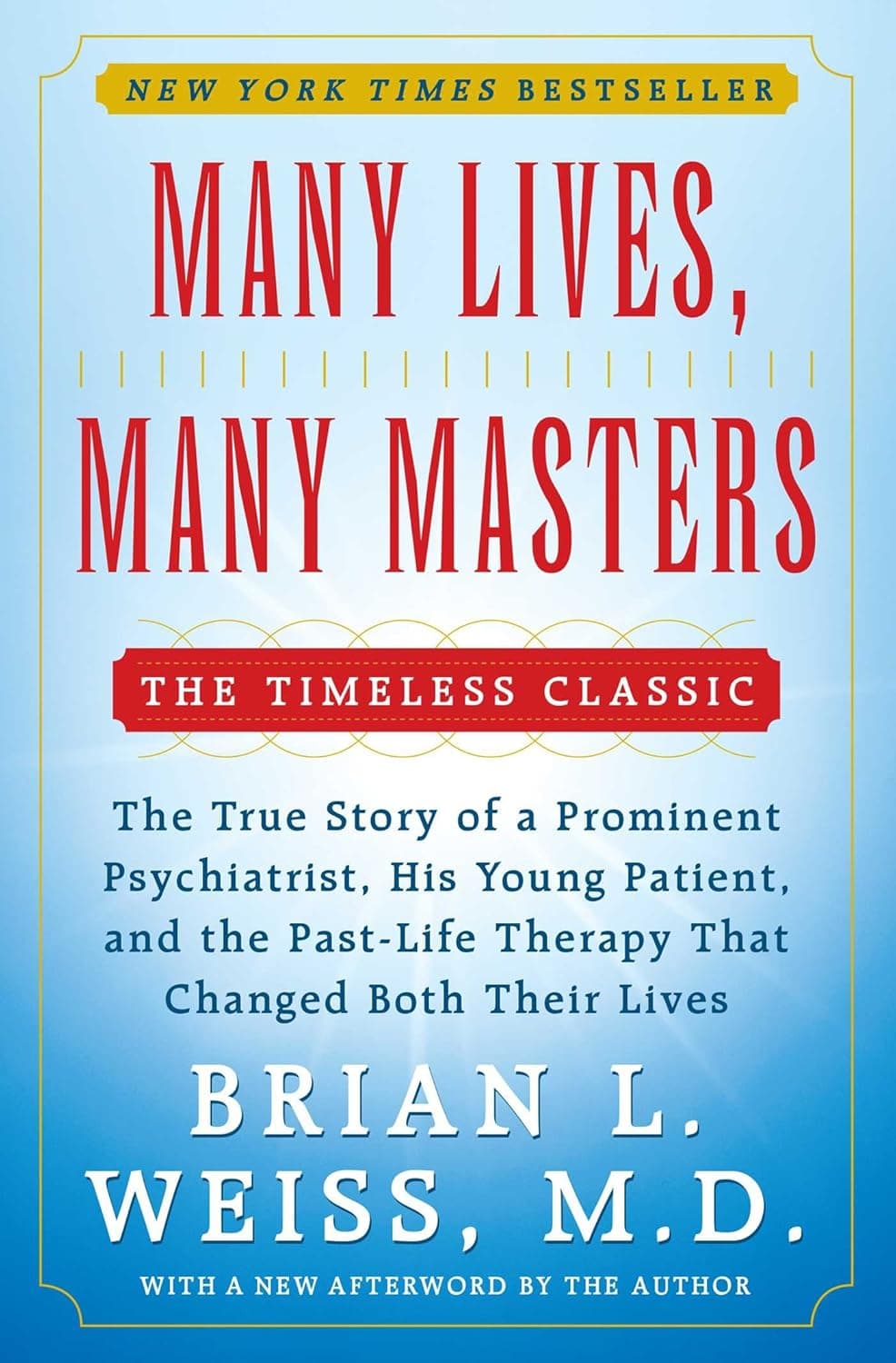
Dr. Weiss Son (Adam)
Quick Facts
- Role: Deceased infant son of Dr. Brian L. Weiss and Carole Weiss; a spiritual messenger whose brief life becomes a turning point in the narrative
- First Appearance: Recounted through Catherine’s trance in a past-life regression session
- Key Relationships: Father—Dr. Brian L. Weiss; Mother—Carole Weiss; Grandfather—Avrom; Messages delivered via Catherine and the Masters
- Narrative Function: Personal, irrefutable catalyst for Dr. Weiss’s transformation from skepticism to belief
Who They Are
Though Adam lives only twenty-three days, he becomes the most intimate, undeniable bridge between the material and spiritual worlds for his father. He is not a character who acts within scenes; he is a presence that reframes the story’s stakes. Through messages channeled by Catherine, Adam’s spirit reveals the purpose behind his brief life and death, transforming a private tragedy into the central evidence that forces Dr. Weiss to rethink reality, science, and the soul.
Personality & Traits
Adam does not display a conventional personality, yet the narrative assigns him a spiritual identity—defined by intention rather than behavior. He emerges as a conscious, purposeful soul whose incarnation exists to teach, heal, and reorient his parents’ lives.
- Advanced Soul: The Masters describe him as “very advanced,” positioning his brief incarnation as chosen from a higher level of awareness rather than accidental.
- Sacrificial Love: His life is framed as a “great sacrifice,” undertaken out of love for his parents—spiritual agency expressed through suffering.
- Purpose-Driven Existence: His rare heart defect, revealed with precise detail unknown to Catherine, is not random misfortune but the instrument of a karmic lesson.
- Teacher by Absence: By dying young, he exposes “the limits of medicine,” compelling Dr. Weiss to look beyond the empirical tools he trusts.
Character Journey
Adam does not “develop” in the story; instead, the meaning of his existence develops for others. He is first remembered as the shattering loss that marked the outer edge of Dr. Weiss’s medical power. When the Masters disclose that Adam chose this brief life to settle a karmic debt and to awaken his father, the narrative reclassifies him from tragic victim to purposeful guide. In that reframing, Adam’s life becomes a lesson in karma and interconnected souls and the reality of reincarnation and past lives. His arc, then, is the arc of recognition: from unbearable grief to luminous meaning.
Key Relationships
- Dr. Brian L. Weiss: As his firstborn son, Adam is the wound that medicine could not heal—and the voice that medicine could not explain. The revelation of Adam’s “backward, like a chicken’s” heart and chosen sacrifice breaks open Dr. Weiss’s skepticism, becoming the most personal proof that redirects his life’s work.
- Carole Weiss: Adam’s death binds mother and child in a shared karmic narrative: his passing “satisfied his parents’ debts.” For Carole, the revelation reframes grief, turning parental suffering into part of a larger, loving design rather than blind fate.
- The Masters: Acting as intermediaries, they articulate Adam’s status as an advanced soul and place his life within the larger map of spiritual growth and the purpose of life. Through them, Adam’s message gains authority, specificity, and a cosmological context.
Defining Moments
Adam’s story crystallizes in one scene—Catherine’s trance in Chapter 4—where personal data no one in the room could know becomes the pivot of belief.
- The medically precise revelation: “Your son’s heart…was backward, like a chicken’s.”
Why it matters: The one-in-ten-million defect, unknown to Catherine, makes the message verifiable, transforming mystical content into evidentiary shock. - The karmic explanation: “His death satisfied his parents’ debts.”
Why it matters: Grief is reframed as purposeful, replacing random tragedy with moral and spiritual continuity. - The lesson to a physician-father: “Medicine could only go so far.”
Why it matters: The boundary of science becomes the doorway to a new practice—one that includes memory, soul, and meaning.
Symbolism
Adam stands as the story’s most intimate symbol of what lies beyond measurable life:
- Bridge Between Worlds: He links clinical reality with spiritual testimony, turning private loss into universal proof.
- Sacrificial Love: His chosen brevity becomes a curriculum of love, teaching through relinquishment rather than action.
- Limit of Science, Scope of Spirit: His case exposes the edge of medical knowledge, nudging the narrative toward faith, humility, and wonder.
- Personal Proof of Immortality: For Dr. Weiss, Adam embodies the moment when data yields to direct experience—the threshold explored by immortality and the fear of death.
Essential Quotes
-
“Your father is here, and your son, who is a small child.”
This opening collapses distance between worlds and generations, placing Adam and Avrom together. By anchoring the message in family, the Masters ensure its emotional truth lands before its doctrinal implications. -
“Your son’s heart was also important, for it was backward, like a chicken’s.”
The specificity functions like a diagnostic test for the supernatural: precise, unexpected, and independently verifiable. It converts testimony into evidence, forcing Dr. Weiss to reconsider what counts as “proof.” -
“He made a great sacrifice for you out of his love.”
This line defines Adam’s agency: he is not acted upon by fate but chooses a difficult incarnation. The ethics of the scene turn from “Why did this happen?” to “What was chosen for love?” -
“His soul is very advanced.”
Advanced does not mean superior in status but mature in purpose. The description reframes the infant as a teacher, implying that wisdom can appear in forms our culture least expects. -
“His death satisfied his parents’ debts…[and] he wanted to show you that medicine could only go so far.”
The Masters fuse karmic economy with professional pedagogy, connecting family fate to a physician’s vocation. The death becomes both settlement and syllabus, redirecting Dr. Weiss’s life toward inquiry beyond the laboratory.