Opening
These final chapters close the case with life-and-death stakes, public praise, and private cost. The trio wins the night, but the system refuses to bless their methods—and the last page cracks the door for evil to walk back in.
What Happens
Chapter 146: Hold On
Backstage at the Mingo Auditorium, K. William Hodges clutches his chest and pitches into a massive heart attack. As his vision tunnels, he sees Janelle "Janey" Patterson approach in his fedora, tipped "sexily over one eye." Her remembered words—“I have no regrets”—steady him as he falls from the crate. A roadie catches him; another, stoned but present, starts CPR. Above them, the concert surges on, a perfect night none of the kids will ever know almost became a catastrophe.
Hodges wakes in ICU with Pete Huntley at his side. His first question is for Jerome Robinson and Holly Gibney. Pete tells him they stopped Brady Hartsfield and that Holly—“Sheena, Queen of the Jungle”—beat Brady into a coma so deep his brain function barely flickers. Jerome and Holly sit downtown fielding questions, while Holly’s mother throws a fit. Hodges insists the blame for their off-the-books pursuit rests with him. Pete agrees, dryly: Hodges has given “a whole new meaning to going off the reservation.” Relieved the crowd is safe, Hodges sinks back into sleep.
Chapter 147: The Proclamation
City Hall releases a formal commendation that names Holly Rachel Gibney and Jerome Peter Robinson heroes for uncovering and stopping a terrorist plot at the Mingo Auditorium. The Mayor awards them the Medal of Service and ten years of free City Services. One name is conspicuously absent: Bill Hodges. The omission functions as an official rebuke, even as the city celebrates the protégés he guided.
Chapter 148: Blue Mercedes
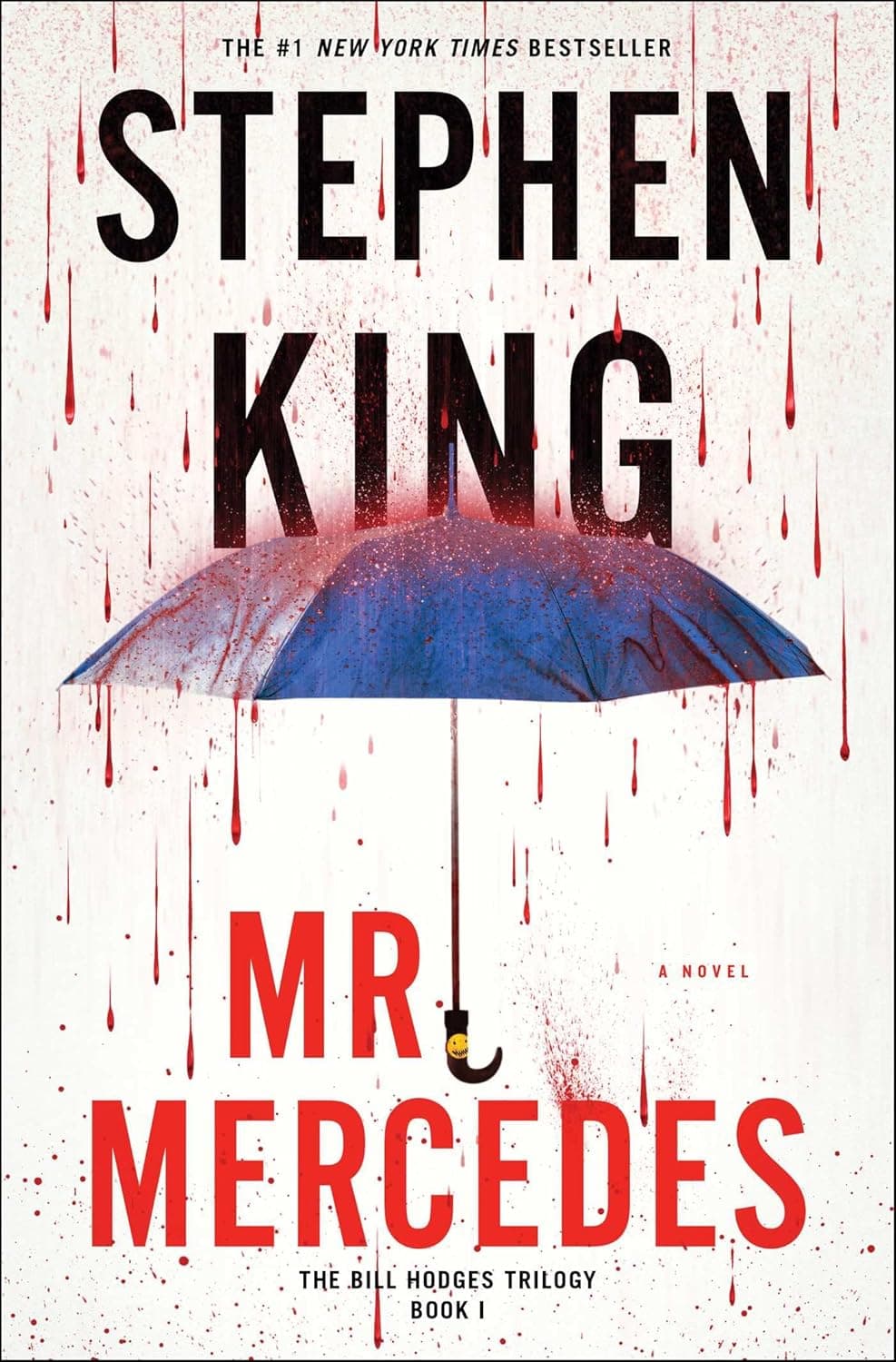
Late October 2010, the trio picnics at McGinnis Park—the same place Brady once pushed ice cream. Holly, newly confident with a sharp haircut, drives the Mercedes, now painted a soft baby blue. They’re celebrating: the district attorney drops all charges against Hodges. Holly hugs him, and in her face Hodges glimpses Janey—pain and comfort in one.
Hodges is free, but not unscathed. A judge savages him from the bench and declares he’ll never be bonded, killing his private-eye dream. No medal, no proclamation. He plans part-time work as a skip-tracer instead. Holly, flourishing, details her new life: a half-million-dollar trust from Janey, Janey’s condo, therapy, and a firm boundary with her domineering mother. She’s found family with the Robinsons and Hodges. As for the car? She had it repainted because “Blue is the color of forgetting.” They toast with champagne: “To us.”
November 2011. At the Lakes Region Traumatic Brain Injury Clinic, a nurse bolts for a doctor. Brady Hartsfield has spoken for the first time in seventeen months. He says he has a headache. He wants his mother.
Character Development
The case ends, but the characters’ lives open forward—scarred, steadied, and newly bound to one another.
- Bill Hodges: Survives the heart attack and accepts lasting consequences for his choices. Barred from official work, he redefines purpose within a chosen family and shoulders the quiet cost of his own Guilt and Responsibility.
- Holly Gibney: Completes a remarkable transformation—assertive, competent, and self-directed. She claims space from her mother, secures her finances, chooses healing, and acts decisively in moments of peril.
- Jerome Robinson: Moves from helper to equal. Loyal and brave, he provides steady moral ballast and sharp wit, cementing the trio’s partnership.
- Brady Hartsfield: Physically neutralized, then ominously revived. His awakening suggests the malice he embodies lingers, dormant rather than destroyed.
Themes & Symbols
These chapters press on the boundary between justice and legitimacy. Through the trio’s victory and the city’s selective praise, Vigilantism and Justice Outside the Law emerges as a paradox: institutions benefit from results they cannot officially sanction. Hodges bears the punishment; Holly and Jerome receive the medals. The moral is not simple defiance but the price extracted when conscience outruns bureaucracy.
Guilt and Responsibility remains Hodges’s lodestar. He carries Janey’s death as a private sentence, even when courts absolve him. That burden doesn’t paralyze him; it matures him. Meanwhile, the ending reframes Good vs. Evil as cyclical rather than final—evil pauses but does not perish.
Symbols reshape trauma into testimony:
- The Blue Mercedes: Once an instrument of terror, now reclaimed. Painting it baby blue enacts a ritual of cleansing—“the color of forgetting”—without denying memory.
- McGinnis Park: A reclaimed landscape. Where Brady hunted, friendship and peace now take root, rewriting the map of fear.
- Hodges’s Fedora: From badge of the old detective self to token of love and loss in his near-death vision, it fuses identity, grief, and purpose.
Key Quotes
“I have no regrets.”
Janey’s credo becomes Hodges’s lifeline during his heart attack. It reframes fear as acceptance and guides his later willingness to accept consequences without self-pity.
“Tragedies that don’t happen are only dreams.”
King undercuts the euphoria upstairs at the concert. The line interrogates how narrowly averted catastrophe evaporates from public memory, even as it marks survivors forever.
“Sheena, Queen of the Jungle.”
Pete’s label for Holly captures her metamorphosis. What begins as a quip crystallizes her pivot from anxious self-doubt to fearless agency in the decisive moment.
“Blue is the color of forgetting.”
Holly’s aesthetic choice doubles as therapy. Forgetting here means loosening trauma’s grip, not erasing history—an active, compassionate self-rewrite.
Why This Matters and Section Significance
The conclusion resolves the immediate plot while establishing a new status quo: Hodges, Holly, and Jerome evolve into a de facto investigative family, bonded by shared risk and chosen loyalty. Public accolades split from private costs, sharpening the novel’s critique of institutional rigidity. And the final beat—Brady’s awakening—denies the comfort of finality. The victory stands, but the war extends beyond the page, transforming Mr. Mercedes from a closed-case thriller into the opening movement of a larger, darker saga.