Opening
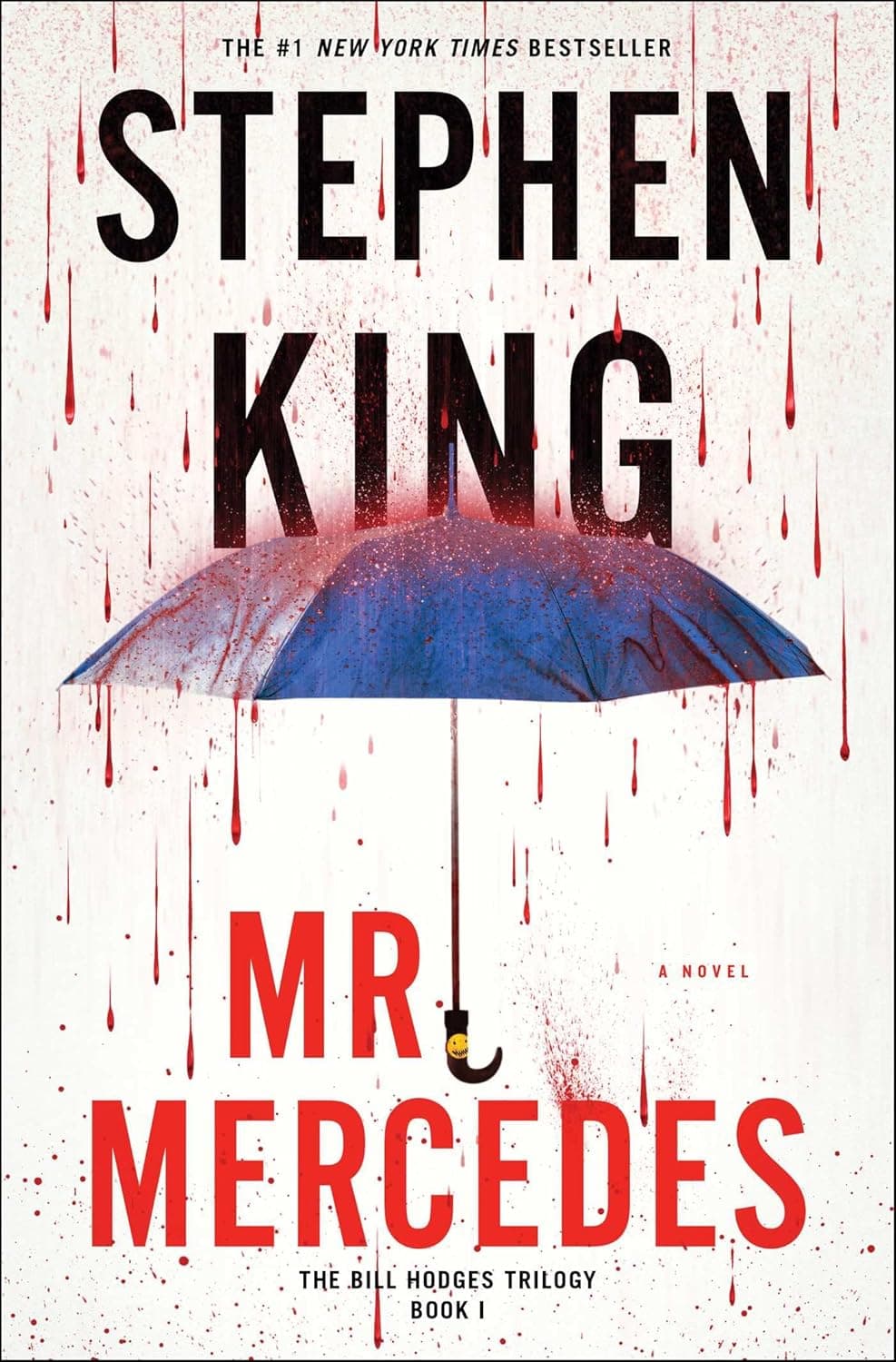
Retired detective K. William Hodges lingers over coffee in DeMasio’s, his mind snapping awake as it re-enters the City Center case that once consumed him. He replays the first interview with Olivia Trelawney, fixating on the locked Mercedes and the missing key that turns a tragedy into a solvable riddle. The past presses on the present until it jolts him out of the stupor of retirement.
What Happens
Chapter 16: The Last Sweet Crumbs
Hodges sits alone after lunch with Pete Huntley and revisits the bedrock fact of the case: the stolen Mercedes is found locked, with no forced entry—meaning the killer uses a key. He remembers the first sit-down with Olivia Trelawney, the neat table, the good coffee, the plate of cookies, the polite frost radiating from a woman determined to separate herself from the horror committed with her car.
He recalls asking if she might have left the key in the ignition and the way her face hardens: the look of a woman who cannot imagine being implicated. Back in the booth, Hodges finishes his coffee and scrapes up the last sweet crumbs from his dessert plate, a small, orderly ritual that steadies him as the memory sharpens.
Chapter 17: The Widder-Titter
The flashback deepens. Olivia complains about exhaustion and her mother’s frailty, not the eight lives taken by her “Gray Lady.” She walks them through her evening: picking up vegetarian takeout, parking on the street to skip a $16 garage fee, stacking boxes up her arm like a waiter, and hustling into the building. She fidgets with her boatneck top, never once asking about the victims.
Hodges tests the timeline. If she turns off the engine and immediately drops the key into her purse, how does she lock the car? When he presses, her story pivots: no, she remembers now—she locks the Mercedes first and then puts the key away. The scramble is obvious. The denial lands even harder when she insists she has only ever owned a single key for the car.
Her nervous laugh—a thin, breathy sound Hodges nicknames a “widder-titter”—and her brittle poise cement his impression of a woman desperate to duck even accidental responsibility. The detectives leave believing she’s lying to protect herself from what her small mistake might mean.
Chapter 18: The Alzheimer's Express
Back in the present, Hodges keeps staring through the window, testing the possibility—however slim—that Olivia tells the truth. The thought needles him: what if the obvious explanation isn’t the right one?
Around him, the restaurant shifts. The hostess and servers start watching the motionless man in the booth, worried he’s drifting into confusion. Hodges sees their pity and feels it echo inside him: the fear of becoming a lonely retiree on the wrong train, the The Psychological Toll of Retirement closing in.
Chapter 19: An Heir and a Spare
In the car after that first interview, Hodges calls Howard McGrory, the Mercedes mechanic. McGrory confirms it: every new Mercedes ships with two keys. A single fact snaps the theory into place.
Hodges and Pete sketch the likely scenario. Olivia’s oversized, disorganized purse holds both keys; she uses them interchangeably. On the night in question, flustered and laden with food, she leaves one key in the ignition. The key she later shows the police is the spare. Her denial, they decide, is a classic shield against Guilt and Responsibility—a refusal to face that a small lapse may have enabled mass murder.
Hodges admits to himself that his dislike of Olivia makes him want this to be true. Pete cuts through the self-scrutiny with a cop’s proverb: when you hear hoofbeats, you don’t look for zebras. The simplest answer holds.
Chapter 20: Body in Balance
Elaine, the hostess, gently wakes Hodges; he’s the last customer left. When he stands, his legs tingle and buckle with pins and needles, and the stumble draws fresh concern from the staff. The humiliation stings, and he thinks of Olivia’s invalid mother being escorted everywhere, the future he fears pressed up against him.
But walking into the late-afternoon sun, he realizes he’s missed his usual TV and doesn’t care. The case has his mind in gear again. Purpose returns, crowding out the dulling routines that have kept him numb.
Character Development
Hodges’s mind rekindles as the old case reopens inside him, even as his body and others’ perceptions remind him how vulnerable he feels. Olivia emerges in memory as a portrait of evasion; Pete provides the blunt, grounding counterweight.
-
K. William Hodges
- Re-engages his detective instincts, homing in on contradictions and testing alternate hypotheses
- Feels acute shame about aging and invisibility, yet recognizes the case as a lifeline out of apathy
- Balances bias awareness with methodical follow-up (confirming dealership key policy)
-
Olivia Trelawney
- Prioritizes personal inconvenience over the victims’ fate, signaling profound avoidance
- Shifts her story under pressure and clings to the “one key” claim
- Displays nervous tics and the thin “widder-titter,” revealing a brittle, defensive persona
-
Pete Huntley
- Serves as pragmatic foil—trusts the straightforward explanation over speculative complexity
- Anchors the investigation with practical heuristics (“hoofbeats, not zebras”)
- Helps close the official case while Hodges’s intuition keeps probing
Themes & Symbols
These chapters crystallize Guilt and Responsibility through Olivia’s denial. The detectives see her lie not as malice but as a psychic barricade: if she concedes a forgotten key, she must face her role in a slaughter. Her later fate—suicide—reads as the unbearable weight of that truth finally breaking through the barricade.
Hodges’s booth-bound reverie embodies The Psychological Toll of Retirement. Other people’s pity mirrors his dread of becoming irrelevant and mentally dim, even as the case jolts him awake. The narrative structure—slipping between present and flashback—underscores Memory and the Past as an active crime scene he keeps processing. The “Two Keys” operate as a clear symbol: a mundane, documented fact (“PRIMARY KEYS (2)”) that stands against one person’s self-preserving version of reality. Together, they feed into The Banality of Evil: catastrophic harm born from everyday carelessness, bureaucracy, and denial rather than theatrical villainy.
Key Quotes
“When you hear hoofbeats, you don’t look for zebras.”
- Pete’s mantra presses for parsimony: choose the explanation that requires the fewest leaps. It justifies the official conclusion that Olivia left a key in the car and frames Hodges’s later doubts as the exception he must earn with evidence.
“PRIMARY KEYS (2)”
- The dealership fact functions as the linchpin of the police theory. It anchors memory and supposition to an objective record, tilting credibility away from Olivia’s “one key” insistence.
“widder-titter”
- Hodges’s nickname for Olivia’s laugh captures how he reads her: brittle, performative, and evasive. The term encapsulates the detectives’ growing contempt and the gendered class signals Olivia projects.
“Gray Lady”
- Olivia’s pet name for her Mercedes reveals intimacy and status pride. Personifying the car heightens the irony: the cherished object becomes an instrument of mass murder, deepening the dissonance she refuses to face.
“but”
- Hodges fixates on the case’s crucial “but”: the Mercedes is locked, with no forced entry. That single hinge word turns detail into deduction, directing the investigation toward the key and the person who could have provided it.
Why This Matters and Section Significance
This sequence lays out the official theory of how the killer accesses the Mercedes, stabilizing the case around the second key and Olivia’s denial. It also shows the crack inside the official version—Hodges’s uneasy doubt—creating space for Brady Hartsfield to exploit with taunting letters and misdirection.
For Hodges, the chapters mark a pivot from passive drift to active purpose. The emotional stakes clarify: Olivia embodies unbearable guilt; Hodges grapples with meaning in late life. Together, they set the conditions for an off-the-books pursuit that tests both the neatness of the “hoofbeats” explanation and the cost of looking for zebras when the evidence demands it.