Opening
A bright June morning masks a tightening noose. Across five chapters, a tender romance, a fragile “second chance,” and a meticulous murder plot converge at a memorial service—where one playful gesture turns fatal. The result resets the novel’s stakes: the hunt becomes personal, and the cost of misidentification becomes catastrophic.
What Happens
Chapter 86: A Second Chance and a Better Idea
At Olivia Trelawney’s house, K. William Hodges recalls his mentor Frank Sledge’s rule: remember victims’ names; never reduce them to “vics.” The lesson anchors Hodges’s empathy as he navigates grief and duty. Janelle "Janey" Patterson embraces him and says she will return to California once her mother’s affairs are settled; she could fall in love with him if she stays, but the city is too full of pain. She adds that Holly Gibney thinks he is wonderful. Hodges admits Holly reminds him of Olivia Trelawney, and helping Holly feels like a “second chance” to make right what he failed to do before, soothing his Guilt and Responsibility.
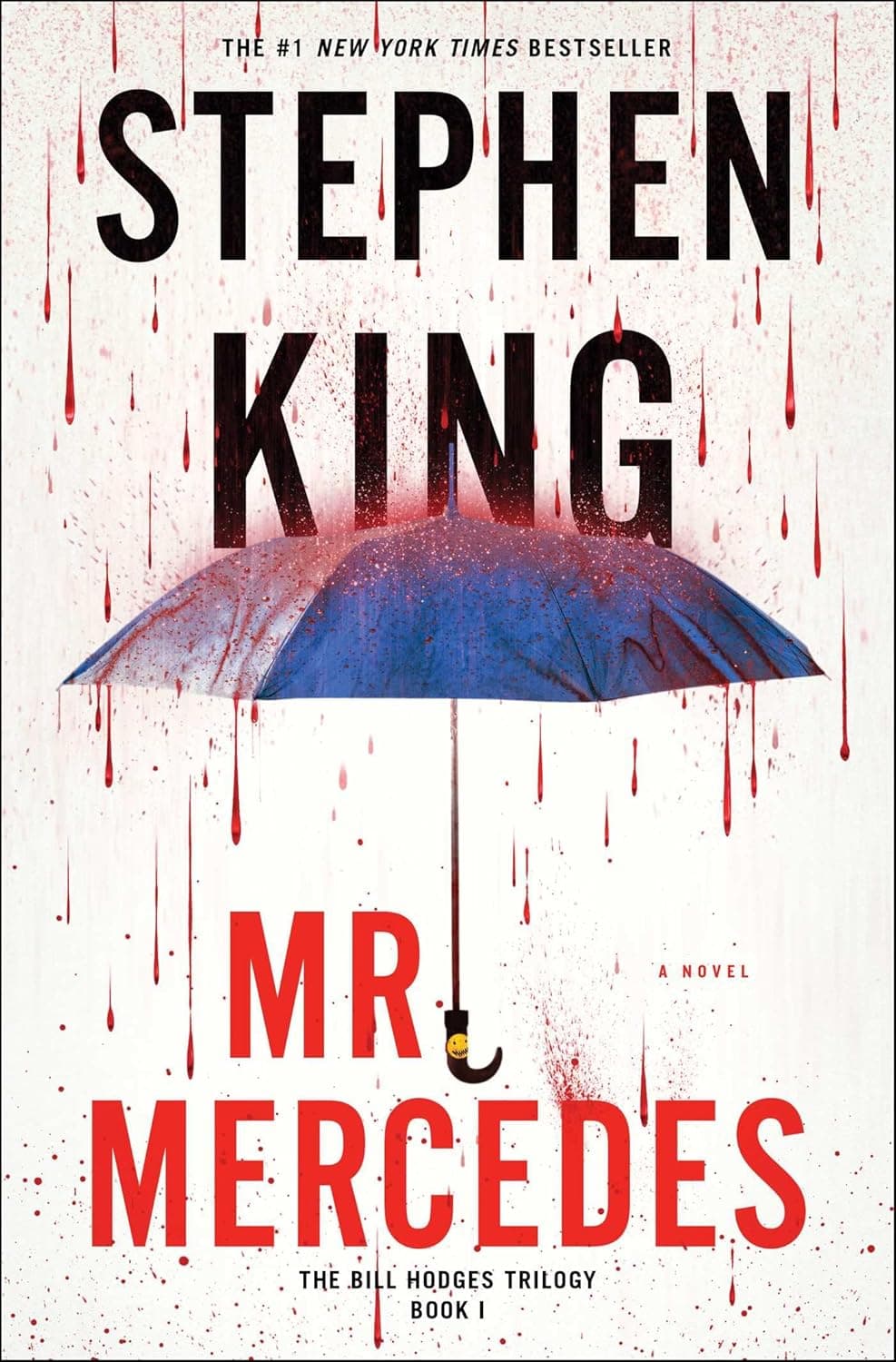
Meanwhile, Brady Hartsfield, driving his late mother’s Honda, discards his earlier Gopher-Go plan. Back in his basement, he ignores Debbie’s Blue Umbrella and does the math: Hodges has less than a day to live. He kneads homemade plastique into a Mephisto shoebox—a Christmas present from Deborah Ann Hartsfield—and rigs it to a disposable cell phone and detonator. He intends to slip the bomb into Hodges’s Toyota during the next day’s memorial service. He strips down his suicide vest; he won’t need it anymore. He has a better idea.
Chapter 87: The Calm Before
Wednesday, June 2, 2010, dawns clear and gilded, the weather cheerfully indifferent to the violence brewing.
- Hodges pins car-burglary reports to a map, searching for a pattern. An insight flickers—something he can’t quite catch—but his instincts are awake and restless.
- Brady, cool and efficient, packs explosive into a red “ASS PARKING” seat cushion and a blue “Urinesta peebag,” slaps on a “‘ROUND HERE FANBOY #1” sticker, and refines his larger plan—everyday junk repurposed into terror, the essence of The Banality of Evil.
- Pete Huntley prepares for a press conference on another case, oblivious to the threat aimed at his former partner.
- Jerome Robinson hunts down an audio clip of a crying baby. His sister Barbara chatters about an upcoming concert, the ordinary humming on beside the sinister.
- Holly wakes sick with dread, vomiting up her Lexapro. Her mother’s cutting remarks deepen the spiral, though the knowledge that Bill will be there gives her a small anchor.
- Janey, dressing for the service, admits to herself she already loves Hodges—and hopes he’ll wear the Philip Marlowe-style fedora she bought him.
Chapter 88: The Memorial Service
Hodges arrives at Janey’s condo in the fedora, and the sight lights her up. They share a quiet, affectionate moment, then drive to Elizabeth Wharton’s service. Hodges scans traffic—a veteran’s vigilance—yet Brady’s Subaru drifts past unmarked by his eye.
Holly appears with her aunt and uncle, pale and tightly wound. She squeezes Hodges’s hand with panicky force before her mother pulls her away. The service runs short and dignified. Stories are told. Janey’s eulogy is simple and honest, ending with, “I wish we’d had more time.”
Chapter 89: The Plant
Brady parks around the corner from the funeral home, heart thudding but hands steady. He strides to the rear lot, uses a hearse as cover, and points Thing Two—his remote-unlock gadget—at Hodges’s Toyota. Lights flash. He opens the rear door, sets the Mephisto shoebox on the floor behind the driver’s seat, and arms the cell phone receiver.
Walking away, he hears his mother’s voice in his head chide him for sloppiness. He pivots, presses Thing Two again, and relocks the doors, ensuring no one discovers the device prematurely—an ice-cold demonstration of Technology and Modern Crime.
Chapter 90: The Switch and the Call
When the mourners file out, Holly’s control crumbles. Her knees buckle, and Hodges steadies her. Her mother, Charlotte, snaps that she’s being dramatic. Holly pleads to ride with Hodges and Janey. To cool the family tension, Janey proposes a switch: Bill should ride with Holly and her relatives; she’ll drive his Toyota to the reception.
Hodges agrees and hands over his keys. Janey plucks the fedora from his head, tries it on, and grins, “Yeah.” Up the street, Brady watches the cars pull away. Sunlight glances off windshields, but he clocks the Toyota and the driver wearing Bill’s “stupid hat.” He dials the detonator. In the Toyota, Janey hears a cell phone ring. Thinking Bill left his phone again, she laughs—then understands the sound is coming from the back seat.
Character Development
These chapters deepen bonds and sharpen contrasts: kindness and duty harden into resolve; mockery and cruelty calcify into atrocity.
- K. William Hodges: His empathy centers the narrative. The “second chance” he sees in helping Holly reframes his pursuit of Mr. Mercedes as moral repair after Olivia’s death. His choice to comfort Holly, though humane, unwittingly exposes Janey to danger.
- Janey Patterson: Loving, pragmatic, and playful, she steps into caretaker and partner roles. Her private confession of love and the fedora’s lighthearted theft make her death immediate and crushing.
- Brady Hartsfield: Methodical and inventive, he discards one plan for a sleeker, more impersonal kill. His precision, thrift with tools, and self-amusement sharpen his menace.
- Holly Gibney: Vulnerable yet courageous enough to ask for help, she becomes the emotional pivot of the switch. Her need for safety catalyzes the tragedy without making her its cause.
Themes & Symbols
The story counterpoints humane care with predatory cunning. Good is attentive and relational—Hodges’s memory of victims, his protection of Holly, Janey’s tenderness. Evil is systematic and detached, turning household clutter into a vehicle for mass harm. The bright day mocks the moral darkness, underscoring how violence intrudes into ordinary life.
Vigilantism shades both sides: Hodges seeks justice outside official channels, ruled by conscience; Brady imposes a sadist’s judgment with homemade law and jury-rigged bombs. Chance—and a hat—rearrange all their plans. The fedora, a romantic noir emblem of Hodges’s renewed purpose, becomes a lethal mask of mistaken identity. The Mephisto shoebox binds the murder to Brady’s toxic inheritance and warped maternal bond, echoing the larger weight of family in shaping monsters. Threads of guilt and atonement mingle with the cold efficiencies of modern tech, where remote signals and key fobs can decide life or death.
Key Quotes
“I wish we’d had more time.”
- Janey’s eulogy crystallizes grief and foreshadows her imminent death. The line refracts across Hodges’s arc: love cut short, justice delayed, and the aching pressure to make time matter.
A “second chance.”
- Hodges’s phrase for helping Holly ties personal redemption to professional pursuit. It frames his choices at the service—protecting a living, vulnerable person over procedural caution—choices that cost him dearly.
A “better idea.”
- Brady’s dismissal of the suicide vest telegraphs escalation: less spectacle, more efficiency. The shift from wearable bomb to planted device marks his preference for control over martyrdom.
The “stupid hat.”
- Brady’s contempt locks onto a symbol rather than a person. The fedora’s transformation—from affection to fatal miscue—embodies how symbols can blur identity with irreversible consequences.
Why This Matters and Section Significance
This section delivers the novel’s turning point. Janey’s murder detonates more than a car; it obliterates Hodges’s remaining detachment and converts the manhunt into a personal war. The chapters demonstrate how empathy-driven choices interact with randomness: Bill’s kindness to Holly and Janey’s playful confidence collide with Brady’s mechanized malice. The fedora’s tragic miscue reframes the pursuit as a reckoning, ensuring the path to the climax is fueled by grief, responsibility, and resolve. The immediate aftermath and escalation unfold in the next section.