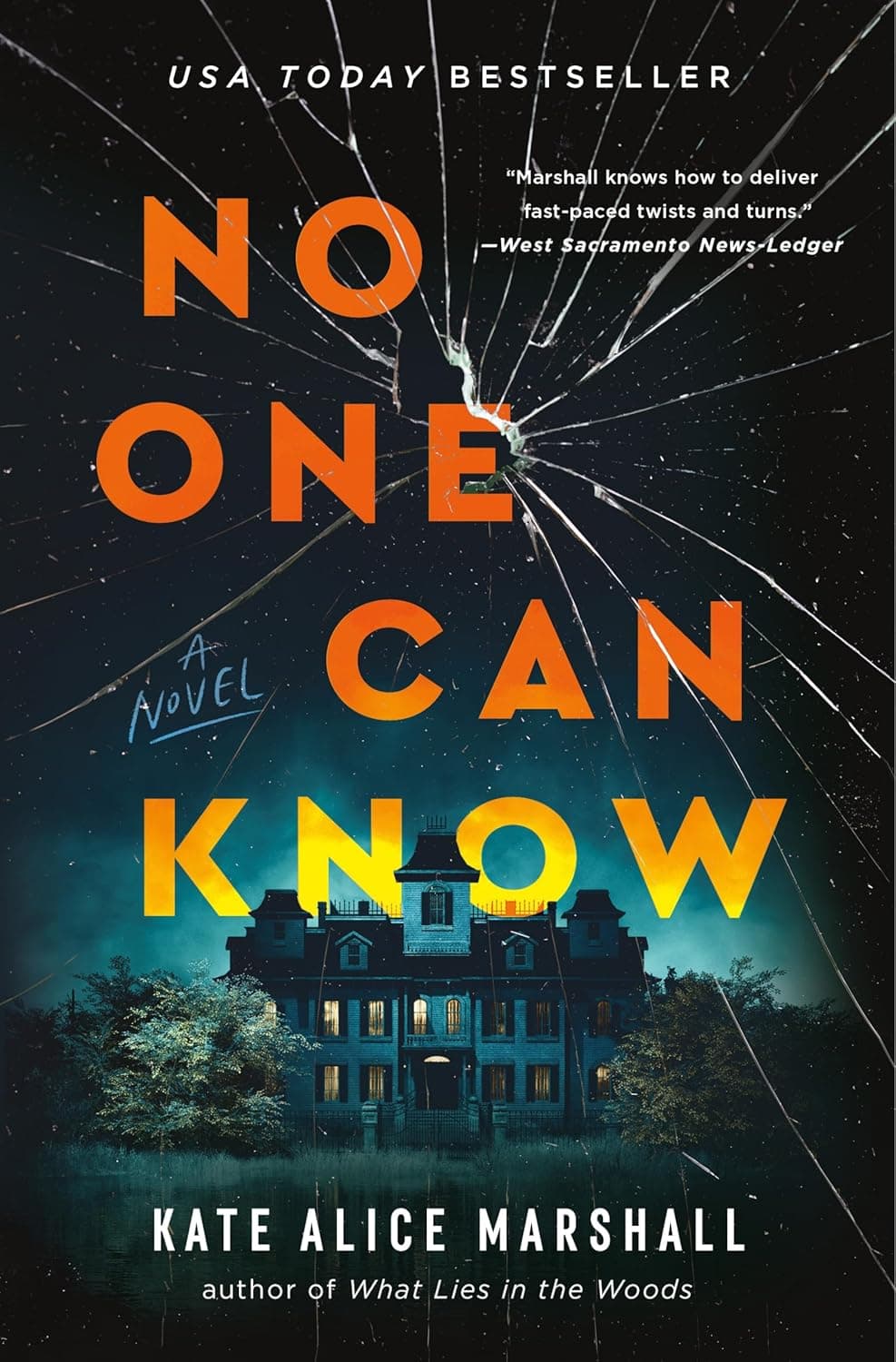
Chapters 41–45 Summary
Opening
Secrets finally break the surface. As Emma Palmer forces the past into the open, her sisters—Juliette "JJ" Palmer and Daphne Palmer—close ranks, confess, and reframe everything they thought they knew. The result is not closure, but a new, more dangerous truth that reroutes the entire investigation.
What Happens
Chapter 41: The Money
Emma returns to Gabriel Mahoney’s house after meeting Rick Hadley and tells Gabriel that Nathan Gates called his PI just before he died, claiming he’d found something about her parents’ murders. They conclude it must be the flash drive holding evidence of Randolph Palmer’s crimes. Gabriel raises another possibility: his own father, Kenneth Mahoney, could have killed the Palmers out of rage and resentment. They decide to speak with his grandmother, Lorelei, in case Kenneth confessed anything when he supposedly returned to town around the time of the murders. The past closes in, underscoring The Past's Influence on the Present and Truth vs. Perception.
In the garden, Lorelei sketches the town’s old hierarchy: Randolph, Rick, Christopher Best, and Kenneth were friends in high school; the other three went to college while Kenneth stayed behind, simmering with resentment. She says Randolph later offered Kenneth a pity job, making his firing a betrayal that hurt deeply—but insists Kenneth would never have hurt a woman. As proof Kenneth was in town, she says he left money in her emergency stash. Emma goes still. She is the one who left that money years ago. The realization detonates their working theory: Kenneth never returned and is almost certainly dead.
Inside, Emma confesses the truth to Gabriel in a shadowed hallway. Guilt and grief twist with sudden attraction; she tells him she should have left Nathan long ago, that she stayed to prove loyalty. Gabriel says she deserved better. Emma steps away from him and from the moment—“We can’t”—choosing control over a fresh betrayal.
First mentions:
- Gabriel Mahoney: Gabriel Mahoney
- Rick Hadley: Rick Hadley
- Nathan Gates: Nathan Gates
- Randolph Palmer: Randolph Palmer
- Kenneth Mahoney: Kenneth Mahoney
Chapter 42: Long Time
JJ meets Logan—ex-flame, former dealer—at the bar where he now works. Outside, he admits he lied to Emma years ago. When the police, including his father and Hadley, questioned him after the murders, they asked if he saw “the Palmer girl” at the Saracen house. When Hadley specified Emma, Logan said yes, thinking he was protecting JJ by shifting blame.
JJ presses for what happened after she fled the party. Logan says he and Nina found her an hour later, barefoot and soaked, mumbling “They’re dead” and apologizing. They took her to his place to sleep it off, then he drove her home. When JJ asks where his gun was that night, he shuts down—afraid, defensive—and ends the conversation, determined to protect his “fine” life. JJ, shaking, downs whiskey, finds Nina online, and refuses to drag her into this. The damage of Secrets and Lies deepens.
Chapter 43: Here We All Are
Emma summons her sisters to the house she shared with Nathan. Daphne arrives transformed—polished, poised—and admits she has been in town for a week, watching. The sisters confess that on the night Nathan died they came to retrieve the flash drive from the carriage house. Daphne found it after the murders; on it, she saw their father with a gun beside a man with a port-wine stain—Kenneth Mahoney. She also overheard Randolph saying one sister had “seen,” and that he would “take care of it.” To protect them, she hid the drive.
As they talk, the long fracture between them takes shape. Each sister received anonymous threats over the years: Emma thought they were from Hadley trying to force her to talk; Daphne and JJ believed they were from the killer warning them to stay quiet. Emma now lays out her own choices after the murders: she burned Daphne’s bloody clothes, hid JJ’s, and invented the tree house alibi—because she assumed one of them was the killer and decided to save them without knowing which. The sisters finally stand together under the weight of Sisterhood and Shifting Loyalties. Emma demands the full story. Daphne and JJ agree.
Chapter 44: Then
A flashback carries us back to the night of the murders through Daphne’s eyes. Kneeling beside their mother, Irene Palmer, Daphne looks up to see JJ in the doorway, holding a gun. JJ’s voice is flat, disconnected—“Is this real?” She gestures, shocky and unsafe, toward their father’s body. Daphne follows her, slaps JJ’s hand away from the head wound, and carefully takes the gun from her.
Practical and terrified, Daphne races to the carriage house. She wraps the flash drive in a rag and hides it in a toolbox. She buries the gun in a patch of rotted floorboards, covers the spot with a crate, and runs back—only to find JJ gone. With nowhere else to turn, Daphne retreats to the tree house and collapses into sleep. The flashback confirms JJ’s role and reveals Daphne’s cold clarity under pressure.
First mention:
- Irene Palmer: Irene Palmer
Chapter 45: Confession
Back in the present, JJ finally speaks the truth. Fragmented sense impressions flood back: the heaviness of the gun, sulfur in the air, the sound of the shot, and her knees in her mother’s blood. High, drunk, and exhausted by perfection, she snapped; she can’t remember how she got Logan’s gun, pointing to a crime born of dissociation, not premeditation. Emma listens. JJ apologizes for letting her carry suspicion for fourteen years. Emma’s first question is plain: did JJ kill Nathan? JJ says no, and Emma believes her.
JJ recounts her last meeting with Nathan: she flirted to get access to the carriage house; when he made a move, she recoiled and he threw her out. Later, she mocks his affair and Emma slaps her—an instinctive, shocking crack in Emma’s composure. Alone together afterward, JJ offers to confess to the murders to clear Emma in Nathan’s death. Emma refuses the absolution on her behalf: “Confess, or don’t. But don’t tell yourself you’re doing it for me.” In a quiet coda, the sisters admit how their parents’ abuse broke them in opposite ways—Emma fought; JJ contorted herself into perfection—leaving them unable to truly help each other. The knot of Family Trauma and Dysfunction only tightens.
Character Development
The sisters move from isolation to volatile honesty, each confronting the roles they played and the person those roles created.
- Emma: Shifts from hunting an external culprit to facing the truth at home. Her protective instincts—burning clothes, inventing alibis—are both heroic and imprisoning. The slap she gives JJ reveals the buried rage under years of restraint.
- JJ: Crosses from denial to accountability. Her confession accepts responsibility without simple self-exoneration; she’s grateful for the life Emma’s sacrifice bought and willing to risk her own freedom to protect her sister now.
- Daphne: Emerges as the quiet strategist. Her decisive actions the night of the murders—hiding the flash drive and the gun—show resource and loyalty. Her polished reappearance signals a choice to stop hiding and face consequences alongside her sisters.
Themes & Symbols
Secrets don’t dissipate; they metastasize. The sisters’ lies once shielded them from an abusive home and the fallout of a double homicide, but those same lies create the conditions for new danger. JJ’s confession resolves who pulled the trigger yet creates a fresh, volatile secret in the shadow of a new murder and a living investigation—proof that Secrets and Lies demand ongoing management, not one-time disclosure.
Their reunion reconstitutes a fragile alliance defined by Sisterhood and Shifting Loyalties. Emma’s decades-long cover-up, Daphne’s evidence-handling, and JJ’s admission knit them together—not in innocence, but in shared purpose. The past is an active force, not a backdrop: the flash drive, the buried gun, and old grudges demonstrate The Past's Influence on the Present in every new choice. Beneath it all, Family Trauma and Dysfunction explains both the crime and the cover-up: Emma’s rebellion, JJ’s perfectionism, and Daphne’s invisibility are survival strategies that calcify into adult identities.
Key Quotes
“We can’t.”
- Emma’s refusal to kiss Gabriel distills her conflict: desire versus loyalty to the dead, truth versus another lie. It marks her decision to stop creating new betrayals, even as she lives inside old ones.
“They’re dead.”
- JJ’s dissociated refrain on the roadside captures the aftermath of violence as sensory shock. It becomes retroactive testimony: she knew in her bones what she had done before she could consciously recall it.
“Is this real?”
- JJ’s flat question in the study reveals trauma’s split from reality. It justifies Daphne’s swift control of the gun and clarifies JJ’s state of mind: dangerous not from malice, but from dissociation.
“Did you kill Nathan?”
- Emma’s first question after receiving the truth about their parents’ murders redirects the narrative toward the present case. The sisters can’t afford any more hidden variables.
“Confess, or don’t. But don’t tell yourself you’re doing it for me.”
- Emma refuses to let JJ turn confession into a sacrifice narrative. It’s a moral line in a story built on protective lies: take responsibility, but own the reason.
Why This Matters and Section Significance
These chapters pivot the novel from mystery to fallout. The question “Who killed the Palmers?” is answered: JJ pulled the trigger; Daphne hid the evidence; Emma built the lie that kept them alive. With Kenneth Mahoney effectively ruled out and the flash drive’s history clarified, the story shifts to survival amid a new investigation into Nathan Gates’s death that threatens to expose everything. The sisters’ brittle alliance is reforged under pressure, setting the stage for a final confrontation with the law and whoever really killed Nathan.