Opening
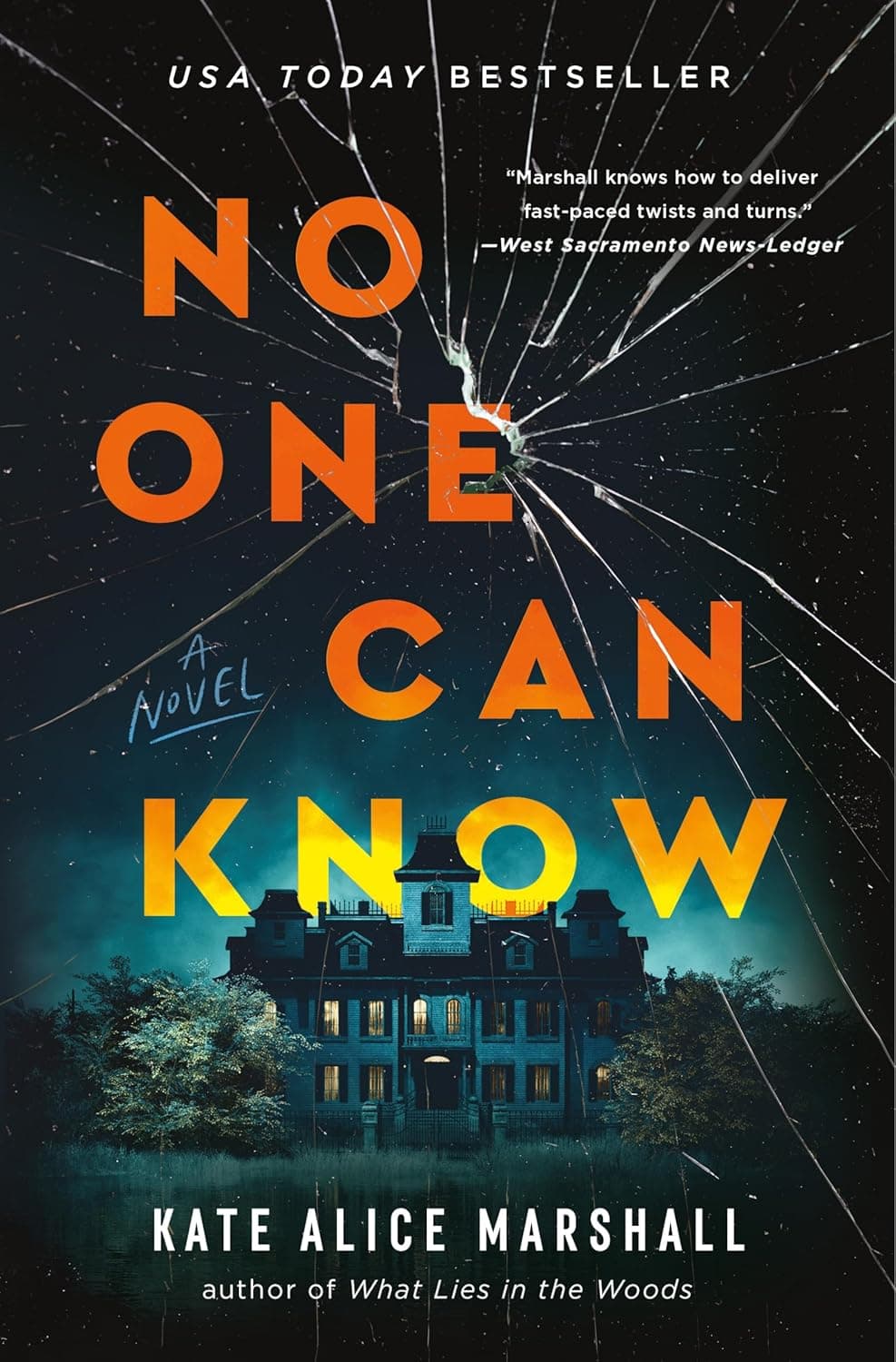
Across four taut chapters, past and present collide as old lies surface and new threats ignite. A childhood overhearing spirals into a lifetime of suspicion, while a return to a ruined family home draws enemies, former confidants, and the law back to the doorstep. What looked like a closed case reopens—starting with a single, shattering phone call.
What Happens
Chapter 6: A Peculiar Child
The day before the murders, twelve-year-old Daphne Palmer narrates from the park, where she clings to the safety of her older sister, Emma Palmer. Daphne watches Emma sketch her unsettling art until a young man arrives—Gabriel Mahoney. Curious and wary, Daphne listens from the shrubs.
The conversation turns venomous. Emma seethes about their parents, Irene Palmer and Randolph Palmer, and voices a wish for their deaths. She says her mother won’t let her go “until one of us is dead.” The intensity sends Daphne into a severe asthma attack. Gabriel drives them home in a panic, only for Irene to dismiss Daphne’s gasps as a “panic attack.” Gripping Daphne’s chin, Irene orders, “Control yourself,” crystallizing the family’s cycle of cruelty and repression and underscoring Family Trauma and Dysfunction.
Chapter 7: History
In the present, Emma and her husband, Nathan Gates, scrub grime and scrawl from the decaying Palmer house. A supply run to the hardware store collapses into a confrontation with Rick Hadley, a cop who worked the original case and still treats Emma as a killer-in-waiting. He needles her about the town’s gossip, throws her inheritance in her face, and ends with a pointed, “Say hi to Gabriel for me,” rattling Emma and confusing Nathan.
Back at the house, Gabriel waits behind the opened gate with the keys. The reunion is freezing; he directs his few words to Nathan, barely acknowledging Emma. Once he leaves, Nathan confronts Emma with the old rumor: that Gabriel was her older boyfriend and her accomplice. Emma denies any romance, but the exchange exposes fault lines in the marriage and the grip of The Past's Influence on the Present.
Chapter 8: A Friend
The narrative flashes back to the day after the murders. Fourteen-year-old Juliette "JJ" Palmer sits with Hadley, who plays the friendly adult, angling for cracks. He probes the sisters’ alibi—supposedly all three in the tree house all night—and asks if Emma could have slipped away. JJ wants to be helpful; she says no, then adds a hesitant “Probably,” and the doubt lands like a flare.
When Hadley asks about a boyfriend, JJ falters, remembers the fights between Emma and their parents, and makes a choice she carries into adulthood. To satisfy Hadley’s hunger for a motive, she names Gabriel Mahoney. With that, she unwittingly feeds the police’s theory—and betrays her sister—illustrating Sisterhood and Shifting Loyalties.
Chapter 9: The Lighter
In the present, JJ receives Emma’s text: she’s back in the house. Panic surges. On her balcony, JJ flicks a silver lighter etched with a bumblebee, an artifact she can’t seem to let go. The object—and her spiraling thoughts—tie her to the night she’s tried to forget, a knot of Secrets and Lies she has no intention of untying.
JJ remembers how, after the murders, Emma took command, directing stories and shielding her sisters by letting suspicion fall on herself. JJ has survived by freezing the past in place. Emma’s return threatens that strategy, and JJ decides passivity won’t protect her anymore. If she wants her life intact, she has to act.
Chapter 10: Smoke
Sleepless, Emma scrubs graffiti from the dining room wall until Gabriel calls. He is livid: Emma’s tree-house alibi hung him out as a suspect. Emma says she tried to protect him; he spits back that he’d rather be accused of sleeping with her than murder. When Emma admits she was with him that night but that he left his house, he fires the blow she can’t deflect: “So did you.” He hangs up. The alibi is dead.
Shaken, Emma reaches for Nathan—desperate, grasping intimacy that dissolves into harder questions. Afterward, she asks how he can be sure she didn’t kill her parents and confesses the depth of her hatred for them. A thud downstairs cuts the moment. In the dining room, smoke blooms: someone has lobbed flaming dog feces through the open window. Emma glimpses a figure vaulting the wall. Nathan calls the police over her objection. On the porch, sirens approaching, Emma feels the past closing its jaws.
Character Development
A haunted cast moves from façade to fracture.
- Emma Palmer: As a teen, she rages against her parents and voices deadly wishes; in the present, she fights grime, the town, and her own narrative. Gabriel’s call punctures her alibi, and her marriage shows stress fractures as Nathan’s trust wavers.
- Juliette "JJ" Palmer: Her fearful need to please leads her to feed the police Gabriel’s name, and years later, she prioritizes survival over sisterhood. The lighter signals a more active role than she admits.
- Daphne Palmer: Hyper-observant and anxious, she absorbs the family’s violence somatically. Irene’s cruelty and Emma’s fury shape her panic and identity.
- Nathan Gates: The supportive partner begins to doubt. Hadley’s insinuations and Gabriel’s hostility push him to confront how little he knows.
- Gabriel Mahoney: Once a refuge for Emma, now a bitter witness. He reveals knowledge that unravels the core lie and refuses contact.
- Rick Hadley: The case never ends for him. He personifies the town’s judgment and the relentless pursuit of a story that makes Emma the villain.
Themes & Symbols
The novel’s engine runs on the torque between past and present. The Past's Influence on the Present manifests in everything from the vandalized house to Hadley’s vendetta. Old conversations, a decades-old alibi, and a childhood admission ricochet into adult danger—proof that time hasn’t healed the Palmer wounds; it has preserved them.
The sisters live inside a web of Secrets and Lies. The tree-house story, JJ’s coached answers, Emma’s cover for Gabriel, and the town’s rumor economy create a reality where truth is optional and survival demands performance. The narrative also probes Truth vs. Perception: the town’s image of Emma—the “psycho” heir—is easier to believe than a messy, partial truth. Police bias, hearsay, and teenage fear shape the case more than evidence.
Symbols carry weight:
- The House: A decaying monument to the Palmer legacy—part prison, part shrine, part target. Graffiti and fire turn it into a battleground.
- JJ’s Lighter: A talisman of that night, flashing in her hands whenever the past grows loud. Its sting suggests complicity she won’t voice.
Key Quotes
“I hate them. Both of them. I wish they were dead.”
Emma’s teenage fury crosses a line into explicit desire, handing the police a ready-made motive and marking her as dangerous in Daphne’s eyes. The line echoes through the present, haunting every accusation and every doubt in Nathan’s mind.
“Control yourself.”
Irene’s command to her gasping child distills the family’s emotional regime: repress, deny, punish. Daphne’s choking body becomes proof of the household’s violence without a mark.
“Say hi to Gabriel for me.”
Hadley’s taunt isn’t just menace; it’s strategy. He ties Emma to Gabriel publicly, keeping the old theory alive and reminding Emma that the town’s memory is long—and unfriendly.
“So did you.”
Gabriel’s revelation detonates the central lie. It forces a re-reading of the entire case—and the reader’s trust in Emma—by confirming that her alibi is knowingly false.
“How can you be sure I didn’t?”
Emma’s question to Nathan exposes the fissure in their marriage and her own uncertainty about how others perceive her. It also presses the theme of perception versus truth: love may not outvote the town’s story.
Why This Matters and Section Significance
These chapters reset the mystery’s terms. The flashbacks show how a single overheard confession and a teenager’s panicked answer warp an investigation; the present-day attacks prove the town still wants a culprit. Most crucially, Gabriel’s call erases the story that has protected Emma for years, shifting her from misunderstood survivor to potential perpetrator in the eyes of those closest to her.
The section pivots the novel from a homecoming drama to a claustrophobic psychological thriller. Sisterhood fractures, outside pressure mounts, and the house itself becomes a stage for retaliation. With alibis collapsing and vows of silence cracking, the path forward narrows to a single, dangerous question: if no one can be trusted, who can tell the truth?