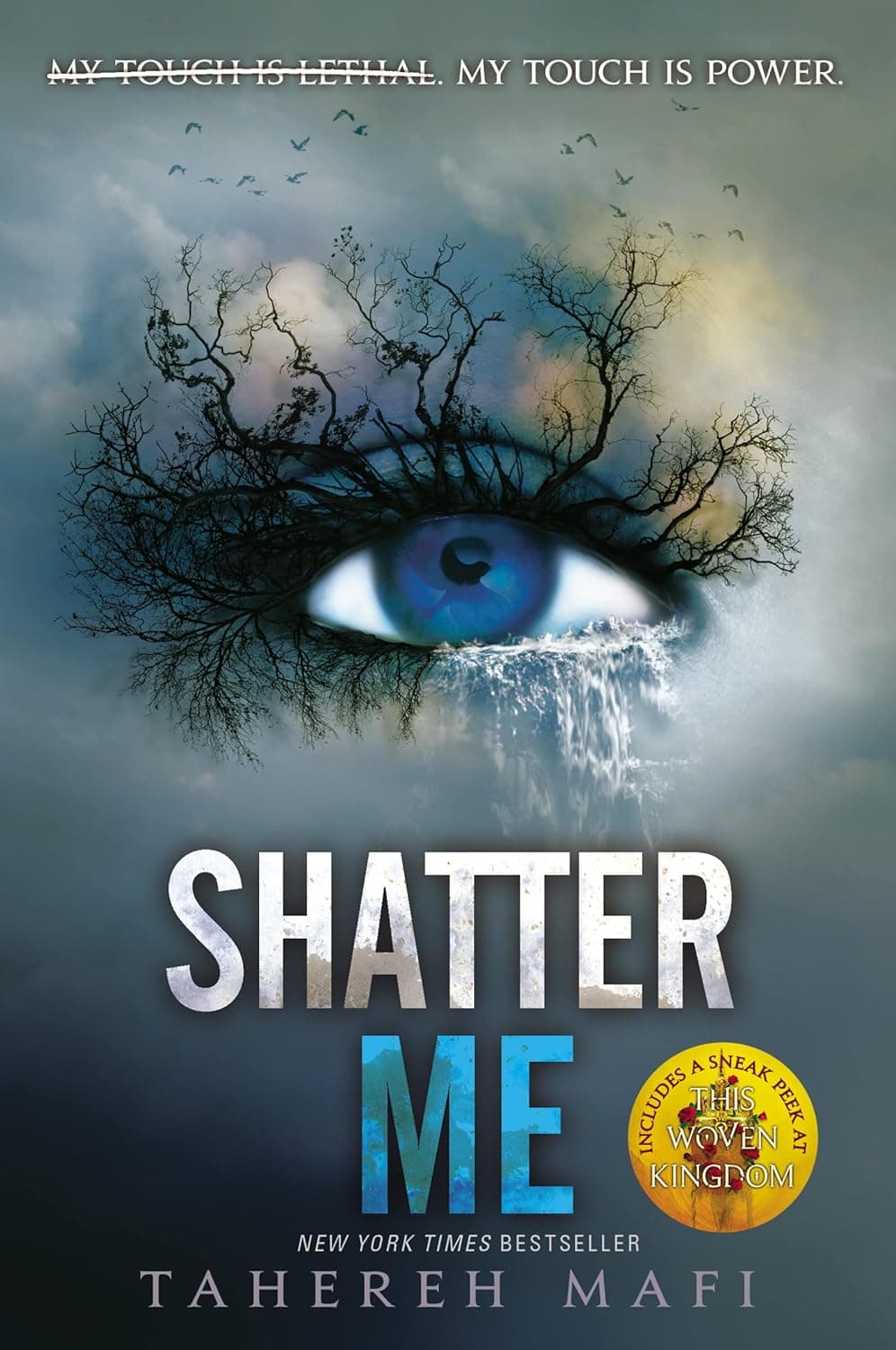
Opening
A palace-prison gleams at the heart of Sector 45 as Juliette Ferrars discovers that luxury can be as suffocating as a cell. The spectacle of chandeliers and marble exposes the lie of reform and sharpens the stakes of Freedom vs. Oppression and the machinery of Power and Control. A brutal public lesson, a private seduction of ideology, and a final act of strategic surrender shift Juliette from helpless captive to endangered player.
What Happens
Chapter 11: A Gilded Cage
The Sector 45 facility stuns Juliette with obscene wealth—crystal chandeliers, marble floors, lush furniture—set against the ruined world outside. The contrast breaks her open; she collapses on the floor, choking on grief and fury at a cage that pretends to be a castle. Soldiers watch as Adam Kent pushes through to scoop her up and carry her to a lavish private suite. He explains this suite is hers—and that he’s been ordered to guard her at all hours, even to live in her rooms. The promise of privacy shatters when he admits every inch is surveilled.
He leads her into the bathroom—the only camera-free space—and presses a finger to his lips, trying to communicate secretly. Juliette misreads the moment as a threat; terror flashes between them, and Adam, frustrated and helpless to explain, leaves. When he returns, he tells her to prepare for dinner with Warner, the commanding officer who wants to see what she can do.
Chapter 12: A Dinner of Defiance
Under the hot water, Juliette feels the seduction of comfort and recognizes it as a tactic: erase the past, purchase obedience. She remembers how books kept her alive—her only steady companions—and realizes how deeply she’s been shaped by solitude and story, tying into Isolation vs. Human Connection and Self-Acceptance and Identity. In the armoire, she finds dresses tailored to her exact size. They look like a costume for someone else’s idea of who she should be.
She refuses the costume. Wearing her ragged clothes, she enters a grand dining hall filled with soldiers and sits opposite Warner. He mocks her defiance and her refusal to eat. Pushed to the brink, Juliette snaps: “I’d really rather die than eat your food and listen to you call me love.” Warner, calm and terrifying, draws a gun and shoots a piece of meat off a platter across the room without looking, then sets the gun on her plate. Adam’s eyes beg her to comply; she picks up her fork. Warner notes Adam’s influence and belittles him for failing to make her change, reclaiming dominance in front of the crowd.
Chapter 13: A Horrifying Demonstration
After dinner, Warner escorts Juliette and sells her a partnership—together they could be “unstoppable.” When she refuses, he bargains secrets for a show of power: he’ll reveal his first name if she reveals hers by touching him. She refuses again. Warner calls a soldier, Jenkins, and orders him to restrain Juliette. She panics and begs him not to touch her; Jenkins hesitates—until Warner levels a gun at him.
Forced to obey, Jenkins grabs her. Juliette’s power detonates through the contact. She feels his life draining into her and, to her horror, a dark exhilaration surges through her body. She kicks him away; he collapses, incapacitated, and the hallway freezes in silent terror. Juliette screams for help, shock flooding into guilt. Warner, gloved again, soothes and commands in the same breath, ordering Adam and others to tend to Jenkins before lifting Juliette off the floor. The world tunnels, and she blacks out.
Chapter 14: The Mind of a Monster
Juliette wakes in a luxurious bedroom—Warner’s. He sits beside her, composed and attentive. When she unleashes her rage over what he forced her to do, he remains unruffled. He admits he lies, then claims he’s at least honest about being a liar, and lays out his creed: fear works; power keeps you alive; morality gets you killed.
He needles her with the thought she can’t escape: that a part of her enjoyed the rush of hurting Jenkins. The truth of it shakes her. Warner says he “needs” her but conceals the reason, alternating between calculated warmth and cold manipulation until she can no longer tell which version is real. He orders her to sleep in his room “for her safety,” then leaves, snuffing a candle and plunging her into uneasy darkness.
Chapter 15: The Price of Rebellion
Morning brings a new kind of silence: soldiers flinch when Juliette passes. Warner explains he engineered the terror to protect her—now they fear her too much to try anything. In the elevator, his composure frays into intensity. He tells her she’s naive; power is a battleground, and mercy is a liability. Every cruelty, he insists, is survival training.
Outside her door, Adam stands battered and bruised. Understanding slams into Juliette—he has been punished for her defiance. In a strained whisper, he tells her to wear the purple dress for Warner. Juliette’s instincts snap to protection. To shield Adam, she resolves to become the perfect mannequin: she will comply, perform, and wait for a way out, clinging to the ember of Love and Hope.
Character Development
Juliette’s world narrows to a high-gloss prison and widens to the dangerous truth of her power. Choices—not comfort—begin to define her.
- Juliette: Breaks down at the spectacle of Sector 45 yet refuses to be remade; experiences the intoxicating surge of her lethal touch and confronts the frightening complexity of her identity; chooses strategic obedience to protect Adam.
- Warner: Codifies his philosophy—fear governs, truth serves power; oscillates between predator and protector; reveals a fixation on Juliette that hints at motives beyond simple weaponization.
- Adam: Acts tenderly despite his uniform; tries to warn Juliette in the only camera-free space; endures punishment for her defiance, sharpening his moral contrast with Warner and catalyzing Juliette’s tactical surrender.
Themes & Symbols
Power and Control: The base’s surveillance, Warner’s public gunplay, and the orchestrated “demonstration” convert Juliette’s gift into a leash. Power is currency and theater here: Warner asserts dominance not just by force but by choreographing fear—of him, and now, of Juliette.
Self-Acceptance and Identity: Juliette stops seeing herself as only a victim when the pleasure of her power terrifies her. Her internal fracture—revulsion and thrill—forces a reckoning with who she is and what she could become.
Isolation vs. Human Connection: Books once anchored her solitude; now Adam’s silent signals and visible suffering pull her toward connection that is dangerous but human. That tenuous bond drives her most consequential choice.
- Symbol: Clothing. The tailored dresses are costumes of ownership, an attempt to recast Juliette as Warner’s curated object. Her initial refusal asserts selfhood; choosing the purple dress later transforms clothing into strategy—compliance as camouflage.
Key Quotes
“I’d really rather die than eat your food and listen to you call me love.” This line distills Juliette’s contempt for performative luxury and coercive intimacy. It triggers Warner’s calculated spectacle of violence, revealing how defiance and dominance play out under his rule.
“Choose your words carefully.” Set over a loaded plate and a louder silence, Warner’s warning fuses etiquette with threat. His control depends on making ordinary interactions feel perilous.
“We could be unstoppable.” Warner frames exploitation as partnership, courting Juliette with power while erasing consent. The pitch exposes his worldview: morality is an obstacle; utility is intimacy.
“I’m at least honest about being a liar.” A paradox that glamorizes manipulation as transparency. Warner recasts duplicity as virtue, daring Juliette—and the reader—to trust the devil you know.
“Wear the purple dress.” Adam’s broken directive is both surrender and protection. The costume becomes a shield; his pain turns Juliette’s rebellion into strategy.
Why This Matters and Section Significance
These chapters pivot the novel from survival to strategy. Juliette’s forced demonstration resets the social order of Sector 45—now the soldiers fear her as much as they obey Warner—while her decision to perform obedience for Adam’s safety reframes resistance as patience. The core conflicts sharpen: Juliette versus Warner’s ideology, Juliette versus her own power, and the fragile, high-risk thread connecting her to Adam. This is the moment the gilded cage becomes a chessboard.