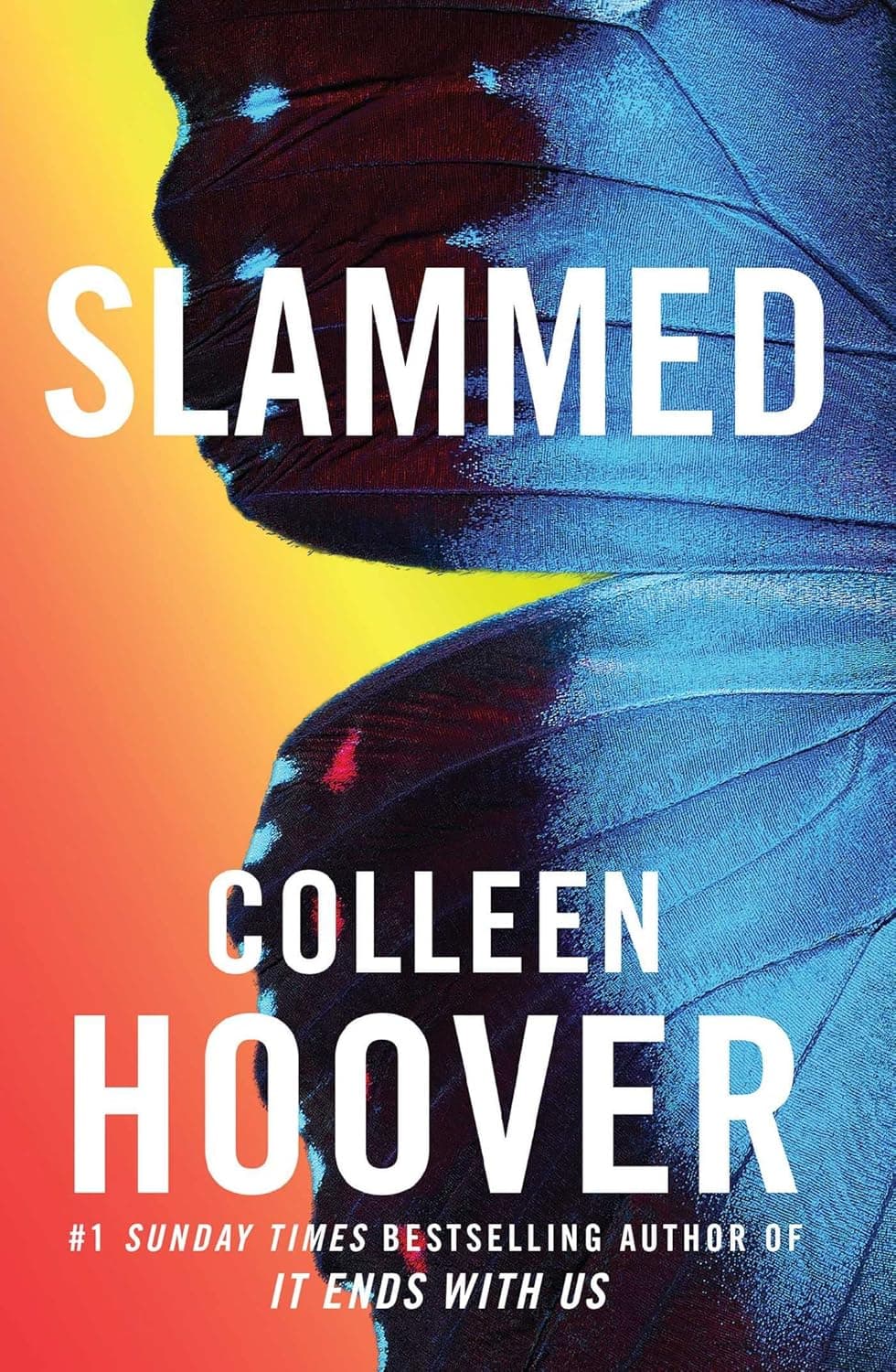
Opening
Sixteen months after the main story, on Christmas Day, Layken Cohen and Will Cooper celebrate a quiet, blended-family holiday across their two homes. Warm, everyday rituals—wrapping paper, kids with new toys, neighbors crossing the street—frame a moment that transforms grief into peace when a final letter arrives from Layken’s late mother.
What Happens
The epilogue opens on a cozy Christmas morning. Layken tidies torn wrapping paper while her brother, Kel Cohen, and Will’s little brother, Caulder Cooper, try out their new gifts. The domestic rhythm shows how fully the two households have merged. Will steps from his house across the street, kisses Layken, and helps ferry Caulder’s presents back home. As they move between porches, Layken reflects on the last year: Julia Cohen passed away in September, almost exactly a year after their move to Michigan. With Will’s steady presence, Layken navigates Grief, Loss, and Acceptance, noticing how raw moments begin to soften into memories. Will chooses not to take the junior high teaching job and instead pursues a Master’s in Education, living off student loans until Layken graduates—an intentional reset for their future.
After cleanup, Will returns with two final gifts he says aren’t from him, then heads out with Caulder to give them privacy. The tags show Julia’s handwriting. Layken and Kel open matching envelopes with trembling hands and find letters Julia wrote before she died—words meant for when they were older and ready. Layken reads, tears blurring the page as her mother’s voice fills the quiet living room one last time.
Julia’s letter delivers a list of life lessons tailored to her children. She tells them to keep their traditions alive (“bake a damn basagna”), to push their boundaries, and to balance head and heart. She folds in a lyric from The Avett Brothers—“Always remember there is nothing worth sharing, like the love that let us share our name”—connecting her philosophy to the music central to Layken and Will. She urges them not to take life too seriously, to laugh often, and to never judge, reminding them how quickly life can change a person. Her closing instructions—“Keep an open mind” and “Never regret”—serve as a final benediction. She thanks them for the best years of her life: “Especially the last one.”
Character Development
In this final snapshot, the characters inhabit the future they fought to earn—steady, interwoven, and hopeful.
- Layken: Fully steps into guardianship of Kel while nurturing a stable partnership with Will. She recognizes her own growth, naming each step of grief and choosing acceptance without forgetting.
- Will: Acts as an anchoring partner and a caring father figure to both boys. By turning down the job and pursuing a degree, he safeguards their future and models Responsibility and Premature Maturity.
- Julia: Speaks posthumously with clarity and love. Her letter cements her as the family’s moral compass—wise, warm, and practical—guiding them beyond her death.
Themes & Symbols
The epilogue crystallizes Family and Found Family. The Coopers and Cohens celebrate as one unit, proving that chosen commitments—love, caretaking, and presence—form a family as surely as blood does. The holiday setting underscores continuity: traditions persist, grief eases, and the home sustains those within it.
Poetry and self-expression echo through Julia’s letter. Like the slam pieces that define the novel’s voice, her words distill big feelings into memorable lines and mantras. The letter itself becomes a symbol—a tangible extension of Julia’s guidance that Layken and Kel can return to whenever the world tilts. By quoting The Avett Brothers, Julia blesses the relationship that music helped spark, tying her vision of family to the story’s artistic heartbeat.
Key Quotes
“bake a damn basagna”
A wry, familial command that turns tradition into an act of defiant joy. Julia reframes routine as legacy, urging her kids to keep living loudly in the face of loss.
“Always remember there is nothing worth sharing, like the love that let us share our name.”
By invoking The Avett Brothers, Julia links music, memory, and identity. Love, not circumstance, defines family—and that love is what endures.
“Keep an open mind.”
A compass line for adulthood. Julia prioritizes curiosity and compassion, warning against certainty in a world that can remake a person overnight.
“Never regret.”
The novel’s ultimate thesis: choose bravely, live fully, and do not be crushed by hindsight. For Layken and Will, it validates every hard decision that led to this hard-won peace.
“Thank you both for giving me the best years of my life. Especially the last one.”
Gratitude reframes a year of illness into one of meaning. Julia’s perspective offers catharsis, teaching her children to find light even at the edge of darkness.
Why This Matters and Section Significance
The time jump shows lasting resolution, not just a tidy reunion. By situating the finale at Christmas, the epilogue proves that the central conflict of Forbidden Love and Obstacles has been reconciled into everyday life: Layken and Will are not merely together—they are building a home. It’s a more complete ending than stopping at their reunion in Chapter 21, because it shows what their choices create over time.
Julia’s letter delivers the book’s core messages directly—balance heart and mind, practice empathy, live without regret—and passes the torch to the next generation. The result is closure with momentum: grief acknowledged, love confirmed, and a future that feels earned.