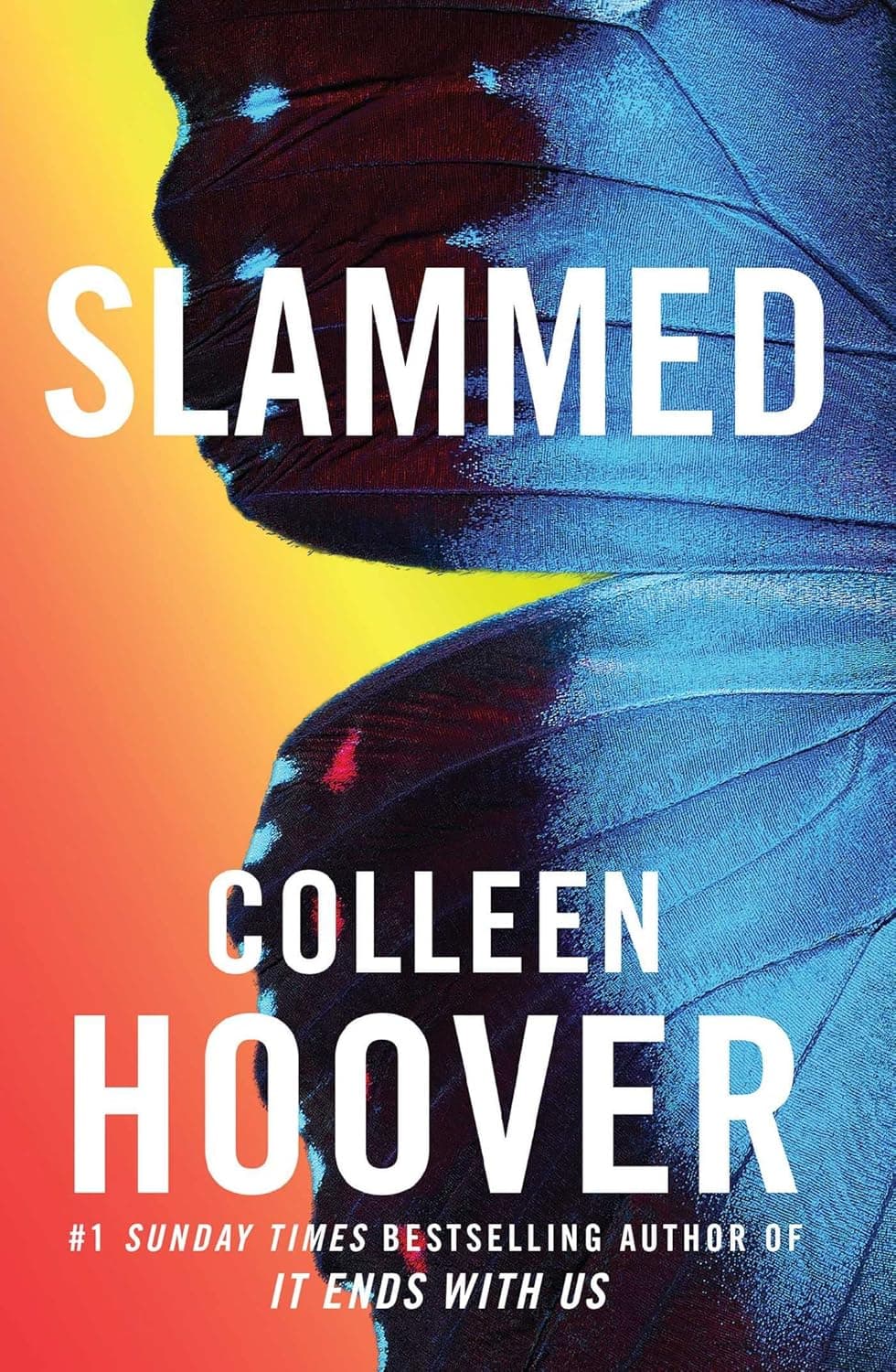
Colleen Hoover’s Slammed maps a world where heartbreak and hope coexist, and where ordinary teenagers shoulder extraordinary burdens. Through slam poetry, the novel turns private pain into public art, tracing how love, responsibility, and chosen community reshape grief into meaning. The result is a coming-of-age story that insists resilience is learned—performed, even—one poem, one sacrifice, one day at a time.
Major Themes
Grief, Loss, and Acceptance
The bedrock of Slammed is the journey from shock to surrender that defines grief. After the death of Layken Cohen’s father and Will Cooper’s parents, mourning becomes both a private ache and a shared language, culminating in the family’s anticipatory grief over Julia Cohen’s terminal diagnosis and her farewell letter in the Epilogue. Symbols like the purple hair clip from the Chapter 1-5 Summary and the family’s “basagna” ritual refract loss into ritual and memory, helping Layken, Kel Cohen, Will, and Caulder Cooper move toward acceptance.
Forbidden Love and Obstacles
The romance in Slammed is shaped—and sharpened—by boundaries the characters cannot ethically cross. What begins as intoxicating possibility is “slammed” shut when Layken discovers in the Chapter 11-15 Summary that Will is her teacher, forcing both to prioritize duty over desire and to redefine intimacy as restraint. Physical spaces and objects echo these barriers: the car door during their first real kiss and their street in Ypsilanti turn proximity into torment, reminding them of what love must not claim—yet.
The Power of Poetry and Self-Expression
Slam poetry is the novel’s transformative engine, converting raw feeling into connection and clarity. At Club N9NE, performances like “Blue Sweater” and Will’s “Death” show Layken how art can hold grief without breaking, while her own arc from the angry “Mean” to the reflective, declarative “Schooled” charts emotional maturation. The Avett Brothers’ lyric ethos—“imperfections define perfection”—underscores the book’s aesthetic and moral thesis: art heals not by erasing flaws but by singing through them.
Responsibility and Premature Maturity
Teenage characters are thrust into adult life before they’ve had a chance to be young. Will abandons a football scholarship to raise Caulder, and Layken becomes caregiver, advocate, and eventual guardian-in-waiting in the wake of Julia’s illness—choices that strain romance but deepen character. Everyday objects carry this weight: a matching “World’s Greatest Dad” mug and the houses they manage stand as quiet monuments to the roles they’ve had to grow into.
Family and Found Family
As traditional family structures fracture, the novel builds a new home out of commitment and care. Kel and Caulder’s friendship knits two households together; Eddie and Gavin become Layken’s chosen kin; Julia welcomes Will as one of her own, and Eddie’s adoption by Joel affirms that belonging is a decision, not a DNA test. The cul-de-sac becomes a map of mutual aid—a neighborhood turned safety net.
Supporting Themes
Life “Slammed” and the Unpredictable
The title frames life as a series of hits you can’t see coming; what matters is the posture you assume after impact. This sensibility propels the arcs of grief, responsibility, and love, demanding flexibility without surrender.
Love Requires Sacrifice
Because boundaries matter, love proves itself by what it gives up: Will’s distance, Layken’s patience, both characters’ willingness to put Kel, Caulder, and Julia first. This ethic binds Forbidden Love to Responsibility, turning passion into promise.
Art as Catharsis and Community
Slam is therapy with a mic: it externalizes pain and invites empathy, linking Poetry to Grief and Found Family. Eddie’s “Pink Balloon” widens the circle of understanding, modeling how vulnerability becomes belonging.
“The Points” vs. “The Point”
“Allan Wolf’s mantra—don’t chase the scores; honor the poem—becomes a worldview. By refusing to fixate on outcomes, characters learn to center values (love, integrity, presence) over appearances, an insight that steadies them through loss and temptation.
Hope Amid Mortality
Julia’s guidance, final letter, and “bake a damn basagna” counsel seed hope in dark soil. Acceptance is not resignation; it’s the courage to love more fiercely with less time.
Theme Interactions
- Grief, Loss, and Acceptance → The Power of Poetry and Self-Expression: Slam becomes a conduit for mourning; Will’s “Death” and Layken’s “Schooled” translate private sorrow into communal truth, moving characters toward acceptance.
- Forbidden Love and Obstacles ↔ Responsibility and Premature Maturity: Ethical boundaries force adult choices; prioritizing Kel, Caulder, and careers over desire matures the lovers, even as it hurts them.
- Family and Found Family → Grief, Loss, and Acceptance: Chosen kin softens the blow of bereavement; the blended network provides the steadiness needed to face illness, absence, and change.
- Responsibility and Premature Maturity → Power of Poetry: The mic offers what adulthood takes—space to feel. Poetry remakes duty into meaning, preventing responsibility from calcifying into despair.
Character Embodiment
Layken Cohen Layken’s arc threads together grief, premature adulthood, and artistic self-discovery. Her early anger over her father’s death yields to caregiving for Julia and Kel, and finally to public articulation—“Schooled”—that fuses acceptance with love.
Will Cooper Will personifies duty refined by art. Raising Caulder defines his choices; his poems—“Death,” “I’ll Take the Lake”—become both confession and compass, and his restraint in romance proves love as sacrifice rather than indulgence.
Julia Cohen Julia models courageous acceptance and maternal leadership. Her candid conversations, pragmatic tenderness, and the parting letter in the Epilogue teach Layken how to live forward; even “basagna” becomes her playful, defiant antidote to sorrow.
Eddie Eddie embodies found family and the healing reach of voice. “Pink Balloon” reframes her foster-care past, inviting community in; her bond with Gavin and adoption by Joel crystallize the novel’s claim that family is made, not merely inherited.
Kel Cohen and Caulder Cooper Kel and Caulder are the story’s bridge and ballast. Their friendship initiates the blended household, their needs anchor adult choices for Layken and Will, and their laughter keeps the narrative from sinking under its losses.