What This Theme Explores
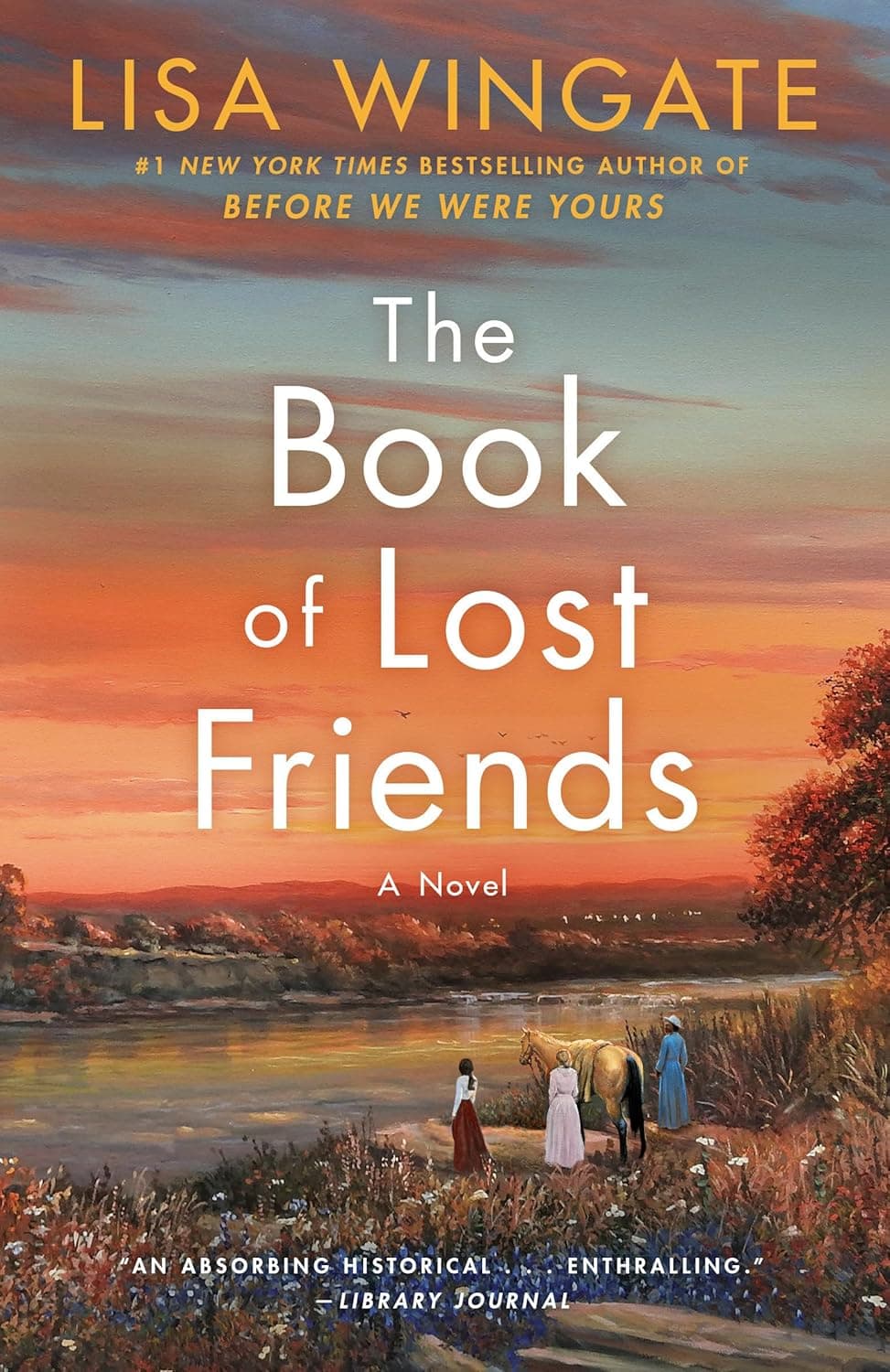
Resilience and Hope Amidst Adversity asks how people persist when the world is arranged to break them—and how hope becomes an act, not just a feeling. The novel probes whether naming, remembering, and searching can resist erasure and repair bonds torn by slavery, poverty, and power. It also asks what changes when private endurance becomes collective action: when one person’s quest sparks a community’s reclamation of identity. Finally, it tests whether the past can meaningfully equip the present—if the courage of ancestors can seed purpose in their descendants.
How It Develops
The theme begins in pain and precariousness. In 1875, Hannie Gossett wakes, again and again, inside the trauma of her family’s separation, the Prologue framing her resilience as the daily, quiet work of surviving Goswood Grove while refusing to forget. Her private ritual—reciting names—turns memory into endurance. In 1987, Benedetta "Benny" Silva arrives in Augustine battered by a crash, a breakup, and a chaotic classroom; the Chapter 1-5 Summary shows her first, fragile form of resilience: simply showing up, refusing to quit, and wishing that effort might matter.
In the middle, endurance shifts into mission. Hannie braves a dangerous road with Juneau Jane LaPlanche and Lavinia Gossett, where betrayal and violence escalate the cost of hope. Discovering the “Lost Friends” column turns her solitary search into a communal one: as she compiles notices and names, her ledger becomes infrastructure for other people’s reunions, a transformation traced in the Chapter 16-20 Summary. In 1987, Benny stumbles upon the Goswood Grove library records; the Chapter 6-10 Summary shows her converting archival fragments into a classroom lifeline, using local history to give disengaged students pride, context, and voice.
By the end, hope proves both perilous and fruitful. Hannie survives a final, brutal confrontation with Jeptha "Jep" Loach, and her long faith is answered with reunion—an arrival earned by years of risk and refusal to forget, as in the Chapter 21-25 Summary. Benny faces institutional pushback but persists until the historical record links her students to Hannie’s story; the “Tales from the Underground” project, affirmed in the Chapter 26-28 Summary, lets a new generation inherit strength instead of silence. The opening of the Century Chest in the Epilogue completes the arc: the past not only survives but deliberately equips the future.
Key Examples
-
The “Lost Friends” advertisements: Placed even decades after separation, these notices are acts of daring faith—public claims that families still exist, however scattered. Hannie’s own ad crystallizes the theme: naming her people resists the erasure slavery intended and turns grief into a summons for reunion.
-
Hannie’s ledger, The Book of Lost Friends: When Juneau Jane reads the column aloud, Hannie widens her hope from “my family” to “our families.” Recording names builds communal infrastructure—resilience becomes system, and the mere act of writing a name becomes a pathway back to kin.
-
Benny’s refusal to quit: After a disastrous start, she keeps returning, trying snacks, stories, and new approaches. Her persistence models a modern, everyday resilience—fighting inertia and scarcity to carve out a classroom where students can imagine a future.
-
The student project’s breakthrough: As students trace their own lineages, apathy gives way to pride; Lil’ Ray’s discovery of an ancestor who learned to read against the law reframes struggle as inheritance. Their research transforms into agency: learning history becomes making history.
-
The closing proverb: Returning in the end, it reframes the entire novel as a campaign against the “second death.” To speak names and tell stories is not sentiment—it is survival, an insistence that the living keep the lost alive by remembrance and action.
Character Connections
Hannie embodies the strenuous form of hope the book celebrates. She endures violence, humiliation, and years of uncertainty without surrendering the conviction that her family exists somewhere to be found. Crucially, she grows from guarding her own memory to building a public record for others, making her resilience contagious and generative.
Benny is the contemporary mirror: emotionally bruised and professionally outmatched, she learns that persistence is not just staying but adapting. By threading local archives into her teaching, she converts history into belonging; her classroom becomes a workshop where the past dignifies the present and equips the future.
Juneau Jane begins with self-preservation and inheritance on her mind, but travel strips away illusions and forces competence, courage, and empathy. Working on the ledger redirects her ambition from wealth to worth, from private security to shared purpose.
The many advertisers in the column, though glimpsed only through notices, anchor the theme’s moral center. Each ad insists that kinship can outlast sale, distance, and time; their endurance is both an accusation against the system that tore them apart and a testament to familial love that refuses to die.
Symbolic Elements
Grandmama’s blue beads: A portable lineage, the beads give Hannie a tangible thread back to the people who named and loved her. Losing them marks her lowest ebb; their return signals hope’s stubborn reappearance and the world’s occasional, grace-filled reversals.
The Book of Lost Friends: As newspaper column and hand-kept ledger, it turns mourning into method. Names on a page contest oblivion, converting private heartache into a shared, searchable map back to one another.
The journey to Texas: A road narrative that literalizes survival—weather, predators, betrayal, and exhaustion test whether hope can walk as well as wish. Each mile proves that endurance is lived moment by moment, decision by decision.
The Century Chest: A time capsule of trust, it enacts faith that future readers will care. By sealing names and stories for later hands, Hannie and her community institutionalize hope, ensuring it will outlast their lifetimes.
Contemporary Relevance
The novel echoes in a world where people use archives, DNA tests, and social media to stitch families back together. It argues that telling the full story of slavery’s rupture is not only honest but healing: communities gain dignity when they recover the names and labors of those written out of official histories. In classrooms like Benny’s, local history can anchor students in pride and purpose, making resilience not merely a reaction to hardship but a learned, communal practice that turns pain into connection and possibility.
Essential Quote
“We die once when the last breath leaves our bodies. We die a second time when the last person speaks our name.’ The first death is beyond our control, but the second one we can strive to prevent.”
This proverb frames remembrance as a moral duty and a strategy of survival. By organizing the narrative around speaking and recording names, the novel transforms memory into action: to remember is to resist erasure, and to resist erasure is to keep love—and community—alive.