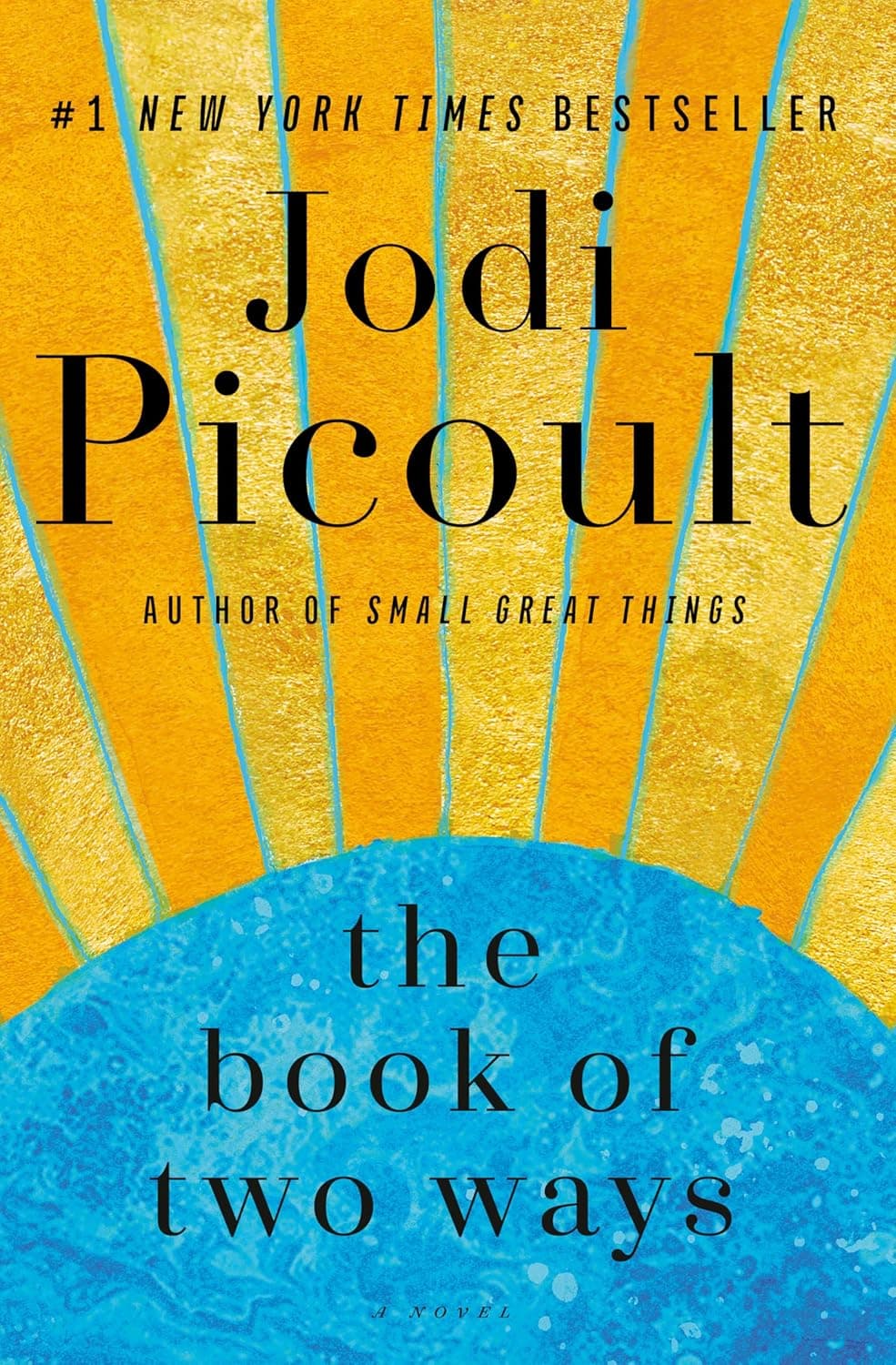
Opening
A “planned emergency” drags Dawn’s two lives into one timeline. The crash forces her to choose not an abstract path, but a lived future—one that includes the man she never stopped loving, the family she already has, and the cost of telling the truth.
What Happens
Chapter 13: The Crash
On the Cairo-to-Boston flight, Dawn Edelstein sits beside Wyatt Armstrong, replaying the tomb confrontation where she finally told him that Meret Edelstein is his daughter. Wyatt’s first response is fury—he calls her selfish and storms out. An hour later he returns, asks where she was really headed when she left home with Brian Edelstein, and Dawn admits, “I think I’ve been running in place for a long time, because I knew if I stopped, I’d wind up wherever you are.” He takes her hand and vows to meet his child.
Back on the plane, the captain announces a “planned emergency.” As oxygen masks drop, Dawn thinks only of Wyatt and the life they could still claim, crystallizing Choices and Alternate Paths. Wyatt steadies her, name-checking tragic lovers and promising an unwavering love as the aircraft descends. Impact arrives through Dawn’s Egyptologist lens—the crash collapses into the afterworld of the Book of Two Ways, where the living must navigate divided routes to reach what comes next.
She stumbles through a hellscape of fire and smoke—the underworld’s “lake of fire”—embodying Death, Dying, and the Afterlife. She searches for Wyatt along a threshold that feels like land and water, mistakes a stranger’s body for his, then finds him—bloodied, alive—emerging from the smoke. When he kisses her, Dawn sees “a way out. A next life,” and believes that, if she survives, her earthly afterlife is with him.
Chapter 14: The Reckoning
Dawn wakes in a hospital with Brian holding her hand and wonders if Egypt—and Wyatt—were dreams induced by an epidural hematoma and emergency brain surgery. She apologizes for her secrecy. The door opens and Wyatt walks in, collapsing dream and reality into one room. The men bristle; Dawn starts explaining a life lived in halves.
Brian makes a startling choice: he flies home to be with Meret and leaves Dawn in Wyatt’s care. Before he goes, he asks what she feels. She admits she never stopped loving Wyatt. A quantum physicist, Brian recognizes the bitter irony: the many-universes he models academically now fracture his life. He tells her, “You were coming back to me, when the plane crashed. You just don’t know it yet.” Wyatt remains at her bedside, and they begin sketching a future, even as they acknowledge the snarl of commitments—his fiancée, her marriage—and the cost laid bare by Love, Marriage, and Infidelity.
Four days later, Dawn and Wyatt land in Boston. Home is a pressure cooker: Brian accuses Dawn of selfishness; she defends the part of herself she buried. Anger softens into shared regret. Brian admits a superstitious guilt—like his dark thoughts caused the crash. Dawn levels with Meret about her past with Wyatt. Hurt but brave, Meret agrees to meet him.
Their porch meeting is stiff until Wyatt shifts to vulnerability. A childhood photo—awkward, heavyset—bridges the gap; Meret recognizes the shame he once carried as kin to her own. Days blur in “dislocation.” Wyatt and Meret start building a rhythm. Brian keeps a pained but civil distance. Dawn visits her former client, Winifred 'Win' Morse, now at the end of her life. Sitting vigil, Dawn admits she never mailed Win’s letter to Thane but brought back proof he was happy. Win dies peacefully moments later.
Dawn returns to find Wyatt, Brian, and Meret sharing pizza—a surreal, fragile truce. Brian suggests Wyatt attend Meret’s tennis match in his place. That night, Brian makes one last plea, kissing Dawn and asking her to deny that fifteen years together are nothing. She can’t.
A week after her return, Meret takes Dawn to a salon to address the surgical scar. Dawn chooses a dramatic cut—a sharp bob on one side, buzzed on the other. In an act of fierce solidarity, Meret gets the same haircut. Their mirrored heads turn a wound into a badge, sealing the bond that anchors their new reality and deepening Motherhood and Family Dynamics. On the walk home, Meret asks the novel’s central question: “So, what are you going to do?” Dawn draws breath to answer.
Character Development
These chapters reset every relationship by forcing honesty, consequence, and care into the same room.
- Dawn Edelstein: Shifts from “what if” to “what now,” claiming love for Wyatt while owning the pain she’s caused. The asymmetric haircut becomes a visible acceptance of her fractured identity—and a decision to live with the scar, not hide it.
- Wyatt Armstrong: Moves from old hurt to present-tense commitment. His patience with Meret and his willingness to reorganize his life show love that’s steadier than memory.
- Brian Edelstein: Holds complexity—tenderness, rage, strategy, grace. His scientific worldview collides with grief; his final plea is both rational and raw, honoring the weight of their shared history.
- Meret Edelstein: Grows from betrayed teen to empathetic daughter. Matching Dawn’s haircut turns pain into partnership, signaling agency, forgiveness, and a redefined family.
Themes & Symbols
The crash collapses parallel possibilities into one lived timeline, embodying choices that can no longer stay hypothetical. Dawn’s Egyptologist mind reframes catastrophe as cosmology: the Book of Two Ways becomes not just scholarship but her operating system for survival. Death presses close—on the tarmac, in Win’s vigil—yet survival reads as rebirth, a passage into a “next life” that requires radical honesty.
Love here refuses simplicity. Marriage, fidelity, and self-betrayal are weighed against longing and destiny. The past doesn’t recede; it curates the present. Symbols sharpen these ideas: the plane crash shatters the barrier between Dawn’s two worlds; the scar—and the bold haircut that echoes it—turn private rupture into shared identity, a family crest forged from damage.
Key Quotes
“I think I’ve been running in place for a long time, because I knew if I stopped, I’d wind up wherever you are.”
Dawn’s confession reframes avoidance as orbit. She hasn’t forgotten Wyatt; she’s been circling the possibility of him, terrified that stillness would reveal her true direction.
“a way out. A next life,”
In the wreckage, Dawn sees not escape but passage. The phrase captures the novel’s metaphysic: life after crisis isn’t repair—it’s reincarnation within the same body, with new vows.
“You were coming back to me, when the plane crashed. You just don’t know it yet,”
Brian asserts his own narrative of fate, refusing to cede all meaning to chaos or to Dawn’s version of destiny. The line dignifies his love and keeps the moral stakes exquisitely balanced.
The captain’s “planned emergency.”
The euphemism underscores how language tries—and fails—to domesticate catastrophe. It also mirrors Dawn’s life: an outcome she plans until reality combusts the plan.
Why This Matters and Section Significance
These chapters form the novel’s hinge. The dual timelines finally converge, forcing secrets into daylight and turning theoretical choices into costly action. Dawn can no longer curate separate selves; Boston and Egypt coexist, along with Brian’s history and Wyatt’s pull.
The fallout widens the story’s heart. Brian’s grace and grief complicate any easy romantic “answer,” while Meret’s solidarity haircut transforms mother-daughter fracture into strength. By the end, Dawn stands at the true fork—not between good and bad, but between two viable worlds—tasked with choosing the version of love, loyalty, and selfhood she is willing to live.