Ian Dumphries
Quick Facts
Ian Dumphries is Yale’s formidable head of Egyptology and director of the Deir el-Bersha concession. A brilliant, exacting scholar, he mentors both Dawn Edelstein and Wyatt Armstrong during their graduate years. First appearance: Dawn’s Yale flashbacks (the first graduate seminar). Status: deceased before the novel’s present-day timeline. Key relationships: protégés Dawn and Wyatt; spouse Bette Dumphries.
Who He Is
Dumphries embodies the magnetic pull of pure scholarship—a life of rigor, ritual, and discovery. To students he is both gatekeeper and guide, the voice that draws them deeper into the archive and the field. For Dawn, he personifies the brilliant path she almost took, the other door she once opened and left ajar, and thus he becomes the human face of her Choices and Alternate Paths.
Personality & Traits
A scholar of immense authority, Dumphries sets a tone of high standards wrapped in dry humor. His classroom is a crucible: students are sharpened by pressure, then disarmed by a one-liner. The intimidation is real, but so is the care—expressed through opportunity, intellectual challenge, and the occasional, almost parental exasperation.
- Brilliant and authoritative: Described as “utterly brilliant and equally terrifying,” he commands rooms from Yale seminars to museum galleries. During the MFA trip, he brusquely swats away naïve questions, modeling standards for evidence and precision.
- Intimidating mentor: Introducing Dawn as the department’s “newest sacrifice,” he signals that excellence here demands blood, sweat, and more dig seasons. The joke lands because the expectation is real.
- Perceptive talent scout: He “poaches” Dawn from Chicago after clocking her promise and publicly praises her undergraduate publication, instantly elevating her status—and the stakes. He also reads the Dawn–Wyatt rivalry with a deadpan “Mommy and Daddy” quip that exposes the current beneath their bickering.
- Privately warm, even playful: He “secretly loves” Wyatt “beyond reason,” an aside that reframes his bark as rigorous affection. With Bette, he’s tender and joyful—dancing under Egyptian stars—revealing the person behind the professorial armor.
- Dry wit as pedagogy: Calling his students “chickens” and joking about the filmic Ramesses II, he uses humor to deflate pomposity, reinforce critical thinking, and keep the field’s myths in check.
Character Journey
Dumphries’s “arc” is less personal transformation than revealed depth. Early memories cast him as a demigod of academia—starched, buttoned, and terrifying—yet successive flashbacks uncover a mentor who loves his discipline enough to demand everything from those who enter it. His off-page death reshapes the present: Wyatt inherits both his seat and his standard, and Dawn is forced to reckon with the life she left. In this way, Dumphries becomes a conduit for The Past's Influence on the Present, a figure whose absence still instructs, provokes, and judges.
Key Relationships
-
Dawn Edelstein: Dumphries is the catalyst for Dawn’s transfer to Yale and the architect of her early career, opening the door to Deir el-Bersha and to work that lights her up. His praise, pressure, and trust give Dawn the confidence to stand in a room of experts and speak—to claim the scholar she could become, even as life pulls her elsewhere.
-
Wyatt Armstrong: Their dynamic reads like a gruff father and his brilliant, exasperating son. Dumphries tempers Wyatt’s rebellious streak with rigorous demands and wry affection, shaping him into a scholar capable of succeeding him. Wyatt’s reverent grief years later measures the depth of that bond.
-
Bette Dumphries: Their rooftop “conjugal visit” reframes the professor’s austerity as a choice, not a lack. With Bette, he’s light, romantic, and unabashedly human—proof that the man who speaks in footnotes also laughs, loves, and dances.
Defining Moments
Even in memory, Dumphries shapes scenes by setting terms—what counts as knowledge, what counts as courage.
-
First Graduate Seminar: He introduces Dawn as their “newest sacrifice,” while praising her publication “The Corpse Makes the Coffin Whole.”
- Why it matters: He anoints Dawn publicly, establishing her credibility and provoking an immediate intellectual charge—especially with Wyatt.
-
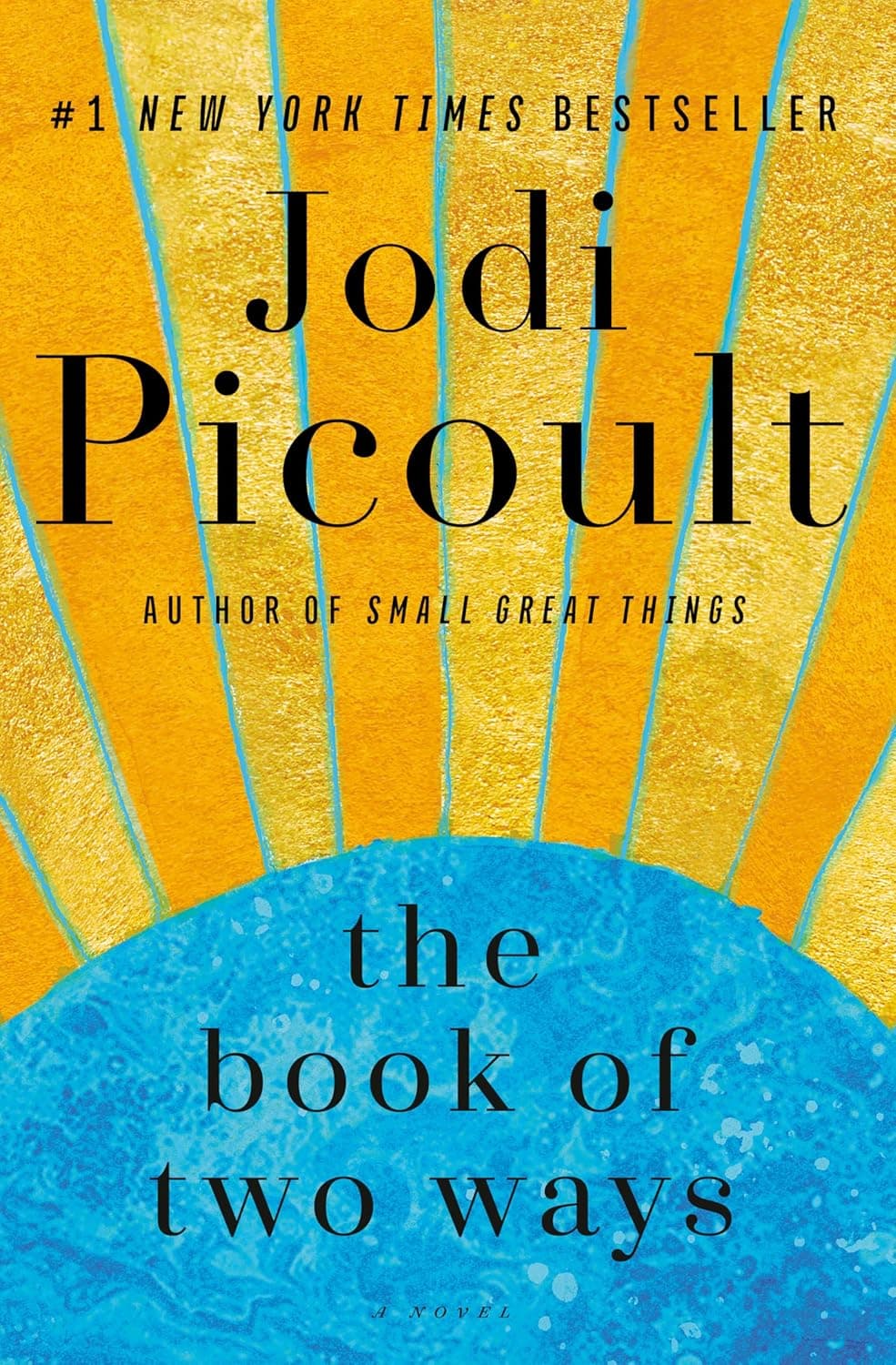
Museum of Fine Arts Lecture: In Boston, he lectures on the Book of Two Ways and Djehutynakht, then puts Dawn on the spot to teach the room.
- Why it matters: It’s a Socratic gauntlet—Dawn proves she belongs at the front, not just in the seats, and Dumphries models how authority can be shared to train successors.
-
Discovery of the Dipinto: When Dawn and Wyatt reveal the inscription, Dumphries instantly recognizes its implications for an undiscovered nomarch’s tomb.
- Why it matters: His quick, confident validation redirects the entire team’s research, showing how a leader converts a hunch into a program of action.
-
The “Conjugal Visit”: Champagne on the Dig House roof, dancing with Bette, jokes loosened by starlight.
- Why it matters: The scene humanizes him for his students and underscores a core lesson: a life of the mind need not be a life without joy.
Essential Quotes
“Good to see you’ve all survived another summer,” Dumphries said. “I’d like to introduce our newest sacrifice, Dawn McDowell. We’ve poached her from Chicago.”
This opening salvo is both hazing and benediction. The theatrics of “sacrifice” acknowledge the program’s demands, while “poached” flaunts his reach and confers status on Dawn—publicly raising the bar she’s expected to clear.
“Sit down, Wyatt,” he said, in the tone an exasperated parent saves for the child who drives him crazy, but whom he secretly loves beyond reason. “You’re just in time to tell Ms. McDowell who you are and why I keep you around.”
The line reveals Dumphries’s mentoring style: discipline delivered with affection, authority that assigns responsibility. By making Wyatt explain his place, he forces him to own it.
“If Mommy and Daddy are done arguing,” he said drily, “we’re going to turn you loose in the museum. Armstrong, McDowell, I pass you the torch.”
He defuses tension while naming the stakes: rivalry is productive only if it serves the work. “Pass you the torch” is more than a metaphor—it’s a rehearsal for succession.
He clapped us both on our shoulders. “So let it be written, so let it be done,” he joked, quoting Ramesses II from the movie version of The Ten Commandments. “Which as you know is complete bullshit.”
Dumphries weaponizes humor to inoculate students against pop-culture myth. The affectionate profanity is a reminder: reverence for antiquity must always be paired with skepticism.
“To the young, we leave the night,” Dumphries said, sliding an arm around his wife’s waist. “And the remainder of the champagne.”
Here the professor cedes the stage with grace, modeling the generosity of a mentor who knows when to step back. It’s also a credo of legacy: create space for the next generation—and make sure they have something to celebrate.