Opening
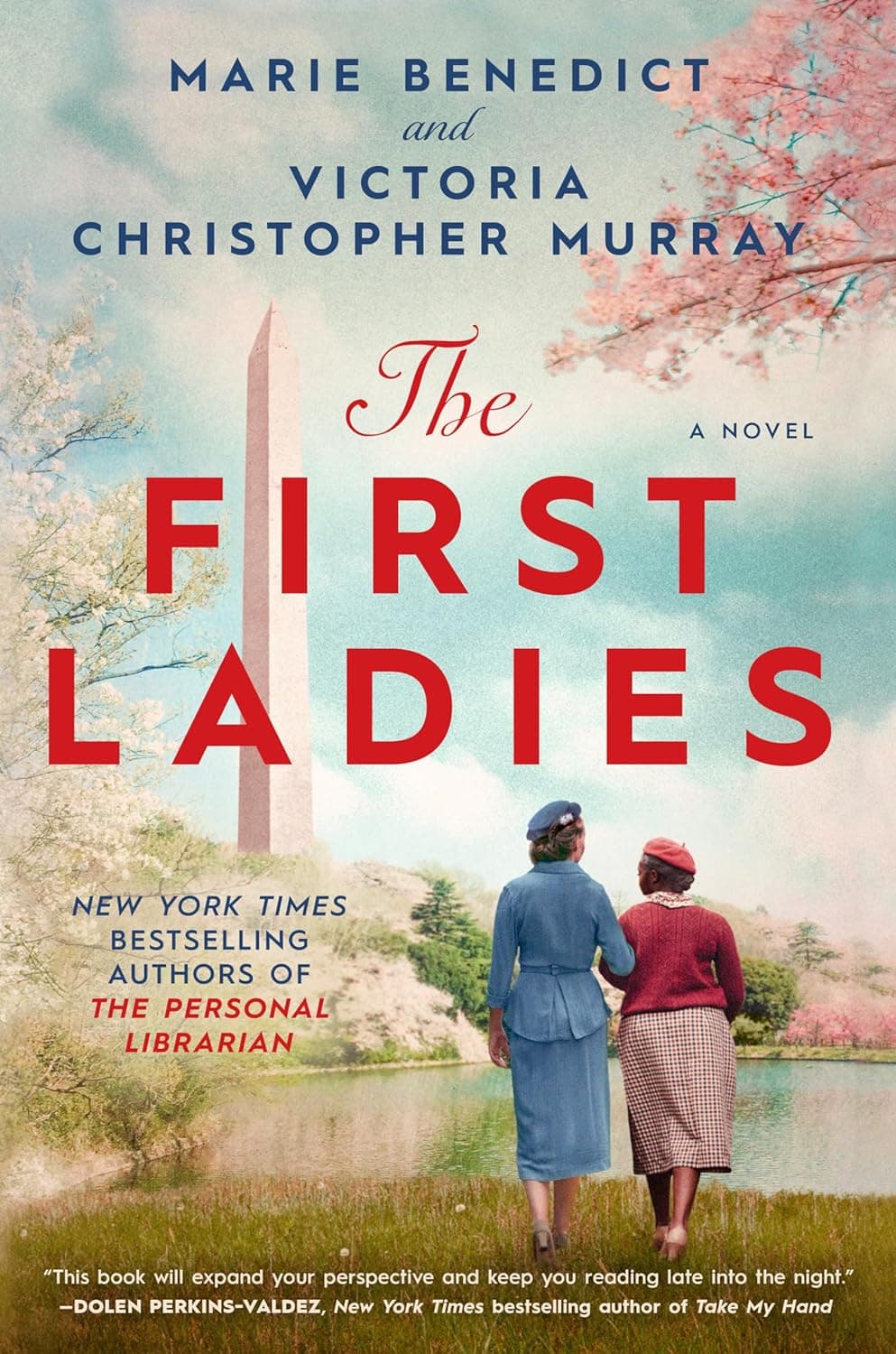
Eleanor Roosevelt meets Mary McLeod Bethune at a personal and political crossroads: a bold campaign idea collides with the hard truths of race, power, and respect. Across five chapters, their fledgling friendship survives a painful reckoning and reshapes Eleanor’s conscience as the Roosevelt campaign thunders toward the promise of a “New Deal.”
What Happens
Chapter 16: An Enormous Victory
In February 1932, Eleanor Roosevelt joins a strategy session with her husband, Franklin Delano Roosevelt, and Louis Howe. As they map out how to win, talk turns to Political Activism and Strategy—specifically, whether Democrats can attract Black voters who have long backed Republicans. Howe relays an offer from Robert Vann of the Pittsburgh Courier: public support in exchange for Black military units and a federal post.
Eleanor thinks of her new acquaintance, Mary McLeod Bethune, and—emboldened—insists they don’t need Vann. She promises she can bring Bethune into the campaign, a figure she believes carries far more trust and influence. Her declaration stuns the room and thrills her: a moment of self-assertion and an early proof of The Role and Power of Women within a male-dominated political machine.
Chapter 17: Making a Way Out of No Way
A month later, Mary and Eleanor meet at Marino’s in East Harlem. Over warm food and laughter, Mary describes how Black Southern cuisine is born of “making a way out of no way,” transforming leftovers into comfort and culture. Their connection deepens, and Mary proposes they use first names—Mary and Eleanor.
Then Eleanor pivots to politics. She declares that the Democrats can do more for Black Americans and informs Mary that she’s already told Franklin that Mary is essential to winning the Black vote. Eleanor outlines a plan—meetings, promises, “whatever you ask”—as if Mary’s support is assured. The mood freezes. Mary’s smile fades; she folds her arms, silent and offended. The new intimacy of their Friendship Across Racial Lines collides with the presumption embedded in Eleanor’s ask.
Chapter 18: A Barricade to Friendship
Eleanor stumbles, apologizing without yet understanding why she’s wrong. Mary names the harm. Their friendship has hit a wall; they can climb it together or let it become a barricade. With clarity and restraint, Mary explains that the offense lies in Eleanor’s presumptions: that she knows Mary’s politics; that Mary will comply simply because Eleanor asks; and that, most painfully, a white woman knows what’s best for Black people.
Eleanor’s shock turns to shame and sorrow; she sees the truth in Mary’s steady gaze. Mary makes clear that any path forward will require confronting the brutal history of Southern Democrats and the Klan. Even so, she agrees to try—to scale the wall together—so their friendship doesn’t end where it begins.
Chapter 19: A Distinguished Woman
In Washington, Mary lunches with her friend and fellow activist Mary Church Terrell. They discuss President Hoover’s grim reelection outlook, Black suffering during the Depression, and the GOP’s missteps, including the nomination of John Parker to the Supreme Court. Mary confides the Eleanor episode: the assumption that she would simply join the Roosevelt campaign.
Terrell isn’t surprised. She names the pattern—white women casting themselves as saviors—and offers firm guidance. Black people don’t need saving; they need fairness and laws that guarantee equality. “A distinguished woman is never a follower—she is always a leader,” Terrell says, urging a partnership of equals. Mary leaves resolved: if she and Eleanor work together, it must be side by side.
Chapter 20: Happy Days Are Here Again
On the campaign train in Sioux City, Eleanor privately helps Franklin with his leg braces, her daily act of Personal Sacrifice for Public Service undergirding the glossy public image of strength. She drafts a letter to Mary, agonizing over whether to write “Dear Mary,” evidence that their last conversation still shapes her.
Two figures orbit the traveling spectacle: Steve Woodburn, a press aide adept at controlling images of Franklin’s disability, and Lorena “Hick” Hickok, the sharp Associated Press reporter forming a quick, teasing rapport with Eleanor. As the rally swells and “Happy Days Are Here Again” booms, Eleanor steadies herself beside Franklin, then hears a troubling question in the music’s optimism: does the promised “new deal” include Mary, her son, and all Black Americans? The campaign’s hope now sits in tension with Eleanor’s widening vision of justice.
Key Events
- Eleanor vows she can bring Mary McLeod Bethune into the Roosevelt campaign.
- The Marino’s lunch turns from warmth to rupture when Eleanor presumes Mary’s support.
- Mary names Eleanor’s three harmful assumptions and calls for climbing the “wall” together.
- Mary Church Terrell counsels Mary to demand equal partnership—not tokenism or saviorism.
- On the trail, Eleanor begins to question whether the New Deal truly includes Black Americans.
Character Development
The section turns friendship into crucible. Eleanor’s political confidence meets its limit; Mary’s leadership defines the terms for moving forward; Franklin’s orchestrated strength contrasts with his private dependence.
- Eleanor Roosevelt: Moves from eager strategist to humbled learner, recognizing how her good intentions mask privilege. She starts listening, revising, and asking whether her party’s promises reach everyone.
- Mary McLeod Bethune: Affirms her authority and dignity. She refuses to be “delivered” as a vote, insists on equality, and chooses a harder path—education over estrangement.
- Franklin Delano Roosevelt: Appears as a pragmatic campaigner whose public vigor is carefully staged. He trusts Eleanor’s instincts, yet the scope of his “new deal” comes under quiet moral scrutiny.
Themes & Symbols
Mary and Eleanor’s relationship tests whether Friendship Across Racial Lines can endure truth-telling. The Marino’s conversation shows that good will is not enough; real friendship requires naming harm, rejecting saviorism, and sharing power. The chapters also critique campaign logic within [Political Activism and Strategy]: transactional overtures (like Vann’s proposal) and relational shortcuts (Eleanor’s presumption) both fail when they erase Black agency.
The Role and Power of Women expands as Mary mentors Eleanor, Terrell fortifies Mary, and Eleanor starts separating her political voice from her husband’s orbit. In parallel, Civil Rights and Racial Injustice forces its way into the campaign’s optimism, culminating in Eleanor’s question on the platform: who is included when America promises happiness again?
Symbol: The “wall” Mary names becomes the book’s architecture for structural inequality—visible, obstructive, scalable only together. Choosing to climb it signals a commitment to the slow, collaborative work of repair and justice.
Key Quotes
“Making a way out of no way.”
- Mary’s phrase compresses a history of Black resilience into a kitchen—and a politics. It reframes scarcity as ingenuity and challenges Eleanor to see cultural creation where she once saw deprivation. The line sets the tone: respect begins with recognizing the expertise born of survival.
“We can either climb this wall together—or let it become a barricade between us.”
- The metaphor turns a private slight into a systemic lesson. Mary refuses a rupture or a gloss-over; she offers a path that requires shared effort and humility. The image becomes the moral framework for their friendship and for interracial coalition-building.
“A distinguished woman is never a follower—she is always a leader.”
- Terrell’s counsel restores balance to the partnership Mary seeks. It rejects tokenism and scripts Mary and Eleanor as co-authors of change, not patron and beneficiary. The line anchors the book’s vision of women’s leadership as principled and reciprocal.
“Happy Days Are Here Again.”
- The buoyant campaign anthem clashes with economic despair and racial exclusion. Its cheer sharpens Eleanor’s emerging question: celebration for whom? The song’s ubiquity heightens the stakes of expanding the promise to include Black Americans—truly and concretely.
Why This Matters and Section Significance
These chapters form the book’s moral hinge. Eleanor’s misstep and Mary’s response transform a convenient alliance into a rigorous partnership, one grounded in candor, equality, and shared work. The result is Eleanor’s awakening: she starts measuring political promises by their reach to the most excluded.
That shift matters beyond their friendship. It challenges the Roosevelt campaign’s narrative—press optics, policy rhetoric, and party history—by asking whether the “New Deal” is universal in fact, not just in song. Mary’s leadership and Terrell’s counsel ensure the answer will be pursued not through gratitude or symbolism, but through joint, accountable power.