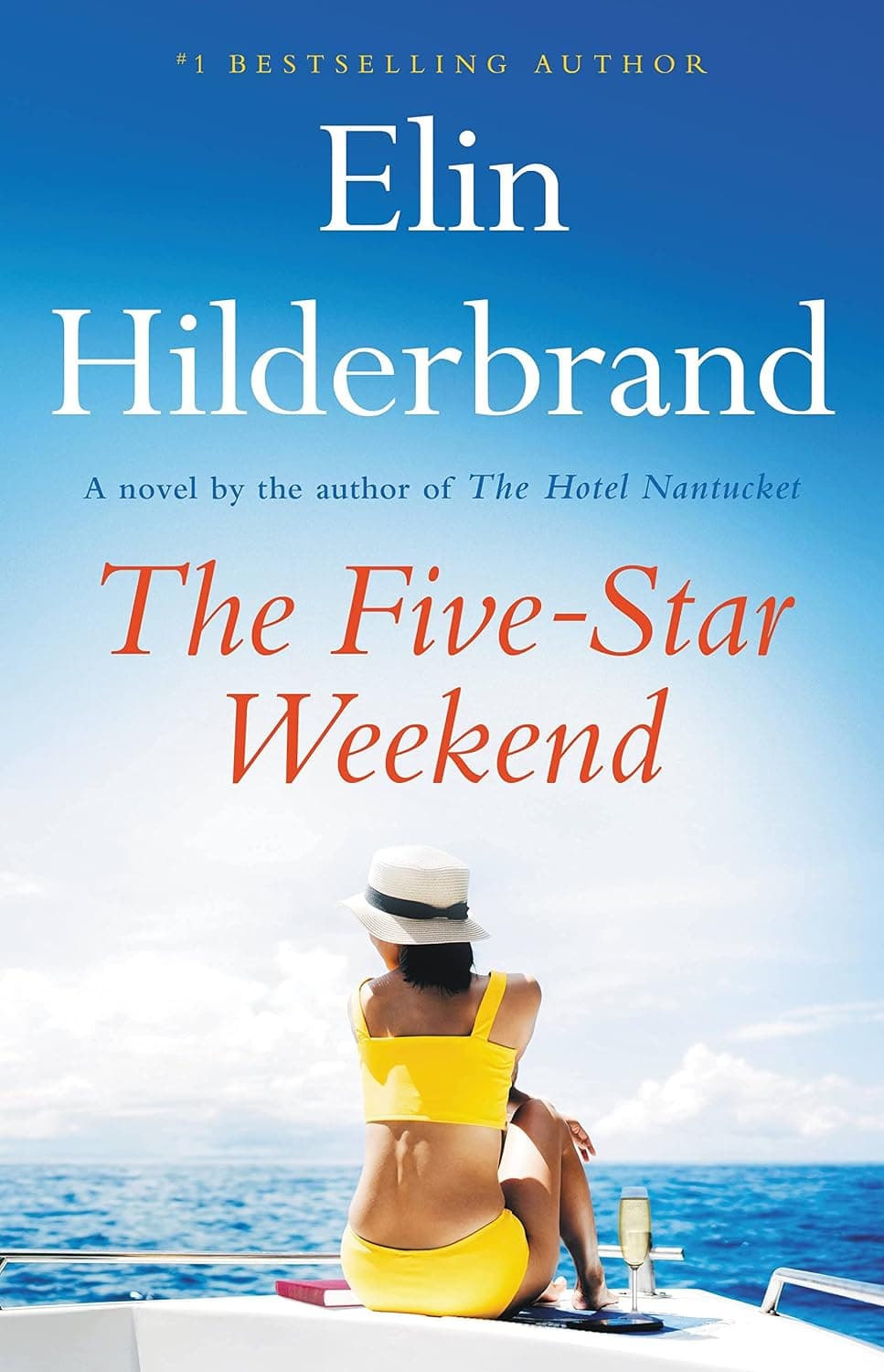
Opening
Four women head toward Nantucket with lives in free fall. Dru-Ann Jones, Brooke Kirtley, Gigi Ling, and Caroline Shaw-Madden each carry secrets, losses, and simmering resentments into a weekend hosted by Hollis Shaw. The result reads like a powder keg: public scandal, private betrayal, and grief orbit the same beach house.
What Happens
Chapter 6: The Phantom
Dru-Ann, a powerhouse sports agent, glides her Rolls-Royce Phantom through Chicago—minutes before her entire image implodes. A call from younger cohost Marla confirms their producer is benching her on Throw Like a Girl “until this blows over.” On Twitter, #cancelDruAnnJones spikes. A flashback exposes the spark: at dinner with teen golf phenom Posey Wofford and Posey’s father—and Dru-Ann’s boyfriend—Nick, Posey announces she’s leaving a tournament she leads to fly to Scotland for her boyfriend, citing a “mental-health issue.” Dru-Ann erupts, calling distraction different from illness and spitting the word “quitter” before storming out.
Someone captures her post-dinner tirade to Nick on video. Back in the present, her agency falls silent as she walks in. Boss J.B. Channing places her on leave and demands a public apology. She refuses, insisting she’s right. Nick promptly calls to “hit the brakes.”
Alone and reeling, Dru-Ann sees a text from Hollis about the weekend’s color scheme. What felt like an obligation turns into an escape hatch. She books first class to Nantucket and vows to “slay the girls’ weekend,” to be the “MVP”—a pep talk as her career and relationship crumble.
Chapter 7: Poet’s Corner
In Wellesley, Brooke curates a sunny Facebook photo announcing she’s packed for Nantucket, her digital smile brighter than reality. A comment pings from Electra Undergrove, a ghost from an old friendship suggesting drinks on-island. Power surges through Brooke’s silence as she declines to respond.
A knock shatters the illusion. A sheriff’s deputy serves papers for Charlie, her husband. When Charlie gets home, he breaks: fired after a colleague, Irish Fahey, files a complaint for grabbing her from behind. It isn’t the first time—an earlier incident with a server was settled. Brooke had promised to leave if it ever happened again. He howls. She feels only emptiness. She tells him the marriage is over and moves her suitcase to the guest room, separating herself before she boards the ferry. Her most popular Facebook post to date gleams beside the wreckage of her life.
Chapter 8: The Third Margarita
Gigi, a Delta pilot, returns to Atlanta from Cancun. Over paella, her friends Tim and Santi press her about the Five-Star Weekend. They think Hollis has figured out her secret. Gigi insists the invitation is real—but the past unspools: she meets Matthew Madden in an airport lounge years earlier; he says he’s divorced. Seven months in, he confesses he’s still married—to Hollis Shaw, lifestyle icon. Gigi can’t walk away. Instead, she infiltrates Hollis’s world, bonding on the blog’s “Corkboard,” using private details Matthew shares to build trust via DMs. The online friendship becomes startlingly intimate.
Now, Gigi explains why she’s going: she needs to see Hollis, to absorb the life Matthew kept, not for tidy closure but “for something.” Her pilgrimage to Nantucket is both daring and devastating. This chapter illuminates the theme of Grief and Healing through a secret lover’s lens—grieving in the shadows while deceiving the widow.
Chapter 9: The Itinerary
Presented as a newsletter email, Hollis’s weekend sparkles with precision: cocktails, a private chef, yoga, shopping, beach time, dinner at Nautilus, the Chicken Box, sailing, and a pizza party capped with fireworks. Suggested colors arrive too—black/white for Saturday dinner; hot pink or orange for Sunday lunch.
The “Corkboard” lights up. Fans gush over menus; skeptics call color-coordination “juvenile” and the schedule rigid. A sharper critique lands when Bailey Ruckert asks whether a “jolly itinerary” seven months after Matthew’s death is “dancing on his grave.” Molly Beardsley fires back, arguing Hollis can grieve how she chooses, and the weekend is “circling her wagons.” Another thread notes Hollis’s concept resembles a Motherlode piece, raising questions of credit. Hollis posts a final note before going offline, naming her four guests—Tatum, Dru-Ann, Brooke, and Gigi—and the forum combusts, envious and uneasy about inviting an “internet friend” to something so intimate.
Chapter 10: Night Changes I
Caroline waits at Nantucket airport, furious her mother, Hollis, is late. The island needles her grief for her father, Matthew, with memories of their fireworks on Coatue and dawn paddleboards. Resentment toward her mother mixes with longing for Isaac, her married lover in New York.
Dylan McKenzie—son of her mother’s childhood best friend, Tatum McKenzie—approaches. Caroline flashes back: a bonfire flirtation at sixteen cut short by his jealous girlfriend, Aubrey; a later glimpse confirming he has a young son, Orion; a quick burger-joint hello. The theme of Revisiting the Past floods the present.
Aubrey screeches up in a Jeep, bristles at the sight of Caroline, and snatches Orion after a tense routine squabble. Dylan offers Caroline a ride. In his truck, an acoustic “Night Changes” turns into a shared soundtrack and a clean slate. Caroline texts Hollis: “Nvm. I found a ride,” savoring the small rebellion. A possible island romance sparks as the younger generation brushes against the older’s history.
Character Development
Each woman arrives on Nantucket altered—shaken out of old identities and forced into new roles.
- Dru-Ann: The unflappable agent loses both her show and boyfriend in a morning. She refuses to apologize, clinging to principle, yet pivots to the weekend as a lifeline, signaling the first crack in her invincible facade.
- Brooke: She drops the online facade, confronts Charlie’s pattern of harassment, and chooses self-preservation—moving from passive denial to decisive action.
- Gigi: As Matthew’s mistress, she becomes the most combustible presence. She seeks proximity to Hollis not from malice but from a need to metabolize loss, transgressing boundaries to grieve.
- Caroline: Her grief for her father collides with anger at her mother, underscoring Mother-Daughter Relationships. Dylan’s reappearance tempts her with a present-tense story that might loosen the hold of Isaac and the past.
Themes & Symbols
Secrets swarm the weekend. Secrets and Deception drive every plotline: Gigi’s long affair and stealth friendship with Hollis, Charlie’s hidden pattern of misconduct, and Dru-Ann’s private fury becoming public. Truth and concealment trade places as cameras, forums, and curated posts expose what characters work to hide.
Public image collides with messy realities. Authenticity vs. Public Persona thrums through Brooke’s cheerful post, Dru-Ann’s power brand, and Hollis’s carefully staged itinerary. Chapter 9’s email-and-commentary format doubles as social critique—grief becomes content, and followers act as arbiters.
Grief resists a single script. Grief, Loss, and Healing fractures into modes: Caroline’s raw sorrow, Hollis’s structured celebration, Gigi’s clandestine mourning, and even Dru-Ann and Brooke’s losses of identity and marriage. The “Corkboard” operates like a Greek chorus—an ever-judging audience symbolizing the digital hive mind that shapes and shames private choices.
Key Quotes
“Mental-health issue.” Posey’s phrasing becomes the flashpoint for Dru-Ann’s downfall. The line exposes generational and cultural tensions around athlete wellness, while Dru-Ann’s reaction reveals her blind spot about language, optics, and empathy.
“Quitter.” This word detonates Dru-Ann’s brand. One syllable—caught on camera—recasts her from champion of athletes to bully, showing how a single moment can rewrite a public narrative.
“Hit the brakes.” Nick’s euphemism turns a breakup into PR-speak, mirroring Dru-Ann’s world where spin substitutes for intimacy. It lands as betrayal at the moment she needs solidarity.
“Dancing on his grave.” Bailey Ruckert’s accusation crystallizes the online policing of grief. The phrase turns Hollis’s healing ritual into moral theater, forcing the question: who gets to define appropriate mourning?
“Circling her wagons.” Molly Beardsley reframes the weekend as protection, not celebration. The frontier metaphor casts female friendship as a defensive perimeter against public judgment and private heartbreak.
“Nvm. I found a ride.” Caroline’s text is tiny but seismic—an assertion of autonomy after months of feeling unmoored. It signals a shift from being someone else’s responsibility to steering her own choices.
Why This Matters and Section Significance
Chapters 6–10 load the deck before the first toast. Each guest reaches Nantucket carrying combustible stakes: professional ruin, marital collapse, illicit love, and a daughter’s grief. By braiding flashbacks, forum chatter, and shifting viewpoints, the narrative builds potent dramatic irony—the reader knows what Hollis does not. The Five-Star Weekend won’t be a blank slate; it’s a pressure cooker primed to test loyalties, expose deceptions, and redefine what healing looks like when the past refuses to stay buried.