Opening
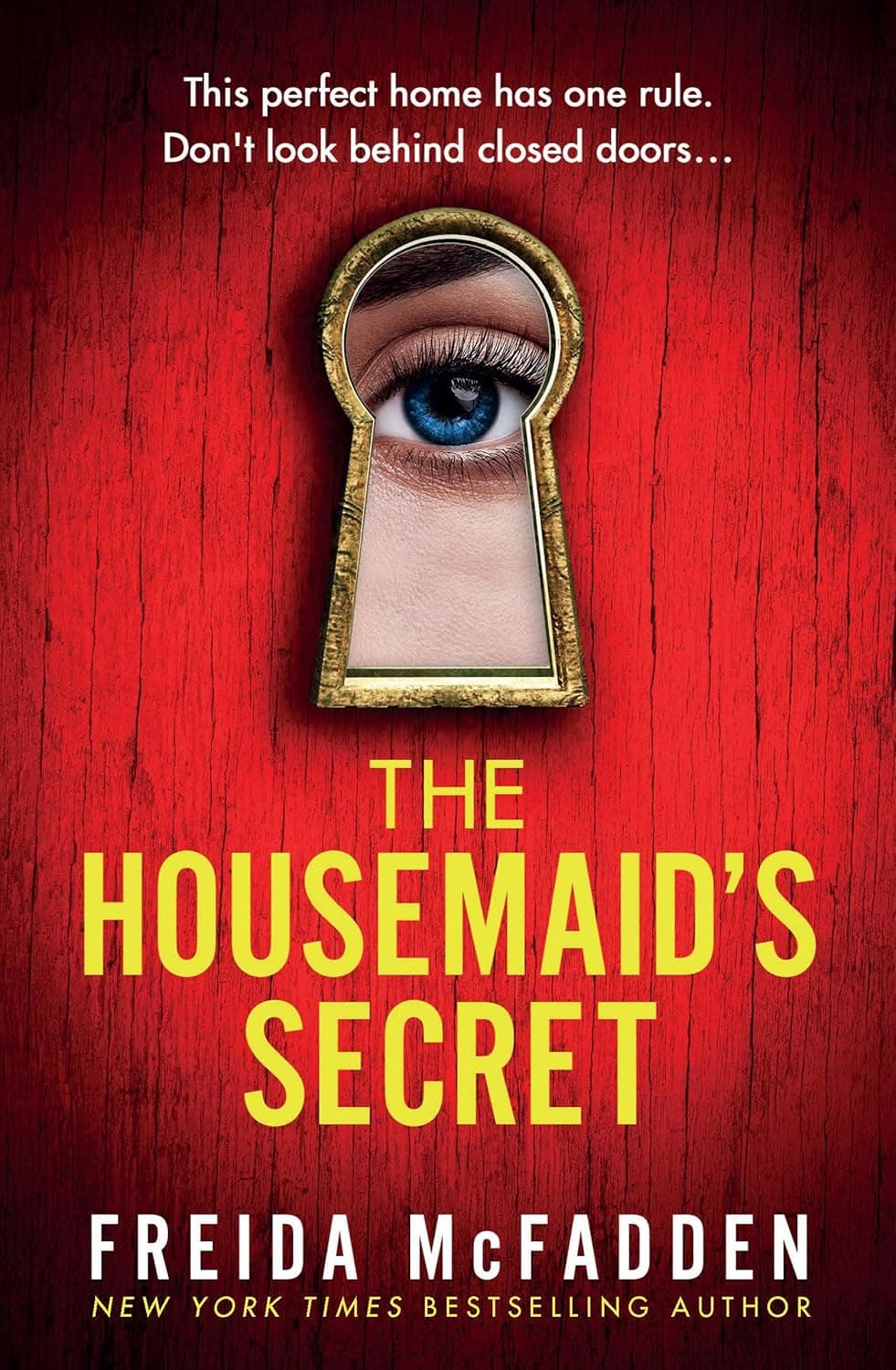
After the police ransack Millie Calloway’s apartment, a fragile calm with Enzo blooms into something deeper—just as the case against her tightens. A stakeout unearths the most shocking twist yet: the “victim” is alive and tied to the Garricks, pushing Millie from hunted suspect to a woman determined to force the truth into the light.
What Happens
Chapter 61: This is Nice. New?
Enzo Accardi helps Millie clean her torn-apart apartment. As they sort laundry, she realizes the police took the outfit she wore the night of the shooting. Fear spikes—what if microscopic evidence exists? Enzo listens, steadies her, and gently pivots to Brock, asking what she ever saw in him.
He argues that if Brock Cunningham can’t see who she really is beyond her past, he doesn’t deserve her. Millie admits she kept too much from Brock and never felt truly known. Enzo asks if he can kiss her; she says yes. The kiss lands like clarity: what she has with Enzo is rooted in understanding—a connection she never had with Brock.
Chapter 62: Tourist is Best Disguise
At dawn, Millie and Enzo stake out the brownstone—sunglasses, baseball caps, coffee as props. Millie’s stomach knots; her exoneration depends on spotting the man she shot or the blonde who was with him. Enzo tries to talk about last night and apologizes for Italy, saying he couldn’t ask her to wait but wishes she had. Millie can’t think beyond the door across the street.
Then the blonde steps out. Millie recognizes her beneath a different hairstyle. The woman heads into a Dunkin’ Donuts. Enzo decides to go in alone, confident he’ll charm the truth out of her. Millie doubts anyone “just confesses,” but Enzo grins—“I am very charming!”—and crosses the street, leaving Millie to watch.
Chapter 63: Ciao, Bella!
Minutes stretch. Millie peeks inside and sees Enzo talking earnestly with the blonde, who looks like she’s been crying. A tremor of doubt passes through Millie—his past, his sudden leaving and return, why he didn’t warn her about Wendy Garrick—but nothing about the conversation looks covert or threatening. Enzo’s calm presence seems to soothe the woman.
Outside, Enzo delivers a chain of reveals: the blonde is the personal assistant to Douglas Garrick and the wife of the man Millie shot. He shows a LinkedIn profile—Russell Simonds—who Millie instantly recognizes. The biggest shock: Russell is alive. His wife says he left that morning on an unexpected “business trip.” The implication clicks into place—the Garricks are tied to a frame job, and Millie is the patsy for a murder that never happened.
Chapter 64: I Know a Guy
Back at Enzo’s tiny studio, Millie paces as Enzo works the phones. He calls a contact to dig into Russell’s background, hoping for a record or anything to prove Russell’s presence at the crime scene and reroute police attention. The contrast is stark—the Garricks’ opulence versus Enzo’s stripped-down place and methodical calm.
The report comes in: no criminal history, but there’s a second property—Russell owns a lake house a few hours north. Enzo figures he’s hiding there. Millie wants to drive up immediately. Enzo argues for a plan, for caution; a reckless confrontation could sink her. As they spar over next steps, Millie’s phone rings. It’s Brock.
Chapter 65: I May as Well Earn It
Brock apologizes for how he acted at the station, then drops the blow: the police tested Millie’s seized clothes for gunshot residue, not blood, and the test is positive. He calls it a “slam dunk” and warns a warrant is likely already in motion. Millie’s hope caves in. She concludes prison is inevitable.
Her goal shifts. She tells Enzo she’s going to the lake house to face Russell, saying, “I’m going to prison no matter what. I may as well earn it.” Enzo is horrified. He shreds the address and makes her promise not to go. She promises to go home and wait. They share a raw goodbye; she tells him she loves him. Then she slips out with his car keys in her pocket—headed for the lake house alone.
Character Development
Millie’s fear hardens into resolve as the system closes in. Enzo proves both capable and caring, but his caution can’t stop Millie’s pivot toward direct action. Brock recedes into a professional, chilly messenger, while Russell morphs from “victim” to active conspirator.
- Millie Calloway: Moves from anxiety and secrecy to decisive confrontation; lies to Enzo and chooses risk over waiting for justice.
- Enzo Accardi: Comforter and investigator; leverages charm and contacts; loses control of the situation when Millie rejects caution.
- Brock Cunningham: Becomes a conduit for bad news; his detached call ends any lingering personal tie.
- Russell Simonds: Revealed as alive and likely hiding; his “business trip” signals complicity rather than victimhood.
Themes & Symbols
These chapters coil around Deception and Manipulation. The Garricks weaponize lies—using Russell’s staged disappearance and his wife’s proximity to the family to frame Millie. Enzo counterplays with performance and charm to extract truth. The sharpest cut, however, is Millie deceiving Enzo, the one person squarely on her side, to seize control of her fate.
The moral axis tilts from justice to Justice and Revenge. At first, Millie seeks exoneration; after the GSR result, she pivots toward direct reckoning. Her vow to “earn it” signals a willingness to cross lines in pursuit of the truth. Throughout, the novel interrogates Appearance vs. Reality: a “murder” with no corpse, a “business trip” that is a hideout, a “promise” to wait that masks a getaway. Surface narratives—police evidence, respectable employers—hide a staged reality engineered to destroy her.
Key Quotes
“I am very charming!”
Enzo’s playful bravado frames his method: performance as investigation. Charm becomes a tool for truth, contrasting with the Garricks’ colder, coercive deceit. It also reassures Millie—and the reader—that he can get results without violence.
“An unexpected ‘business trip.’”
The euphemism cracks the case open. The word’s banality exposes the plot’s artifice: Russell is alive and shielded, not dead and mourned. It becomes a linguistic breadcrumb pointing to the Garricks.
“They’ve got a slam dunk.”
Brock’s phrase freezes Millie’s legal options. The GSR result reframes her from victim to suspect in the eyes of the law, accelerating the story into a fugitive narrative and forcing her to act outside official channels.
“I’m going to prison no matter what. I may as well earn it.”
Millie’s darkest resolve. The line marks her shift from defense to offense, fusing despair with autonomy. It sets the trajectory toward confrontation at the lake house and raises stakes for moral compromise.
Why This Matters and Section Significance
This sequence is the fulcrum before the climax. The “victim” lives, tying the Garricks to an orchestrated frame, while the GSR test collapses Millie’s hope for a clean legal exit. The narrative pivots from sleuthing to pursuit.
By lying to Enzo and stealing his keys, Millie isolates herself and commits to a dangerous, self-directed path. The emotional stakes of her confession of love collide with the tactical stakes of her deception. The result is a high-pressure sprint toward the lake house, where truth, risk, and retribution converge.