What This Theme Explores
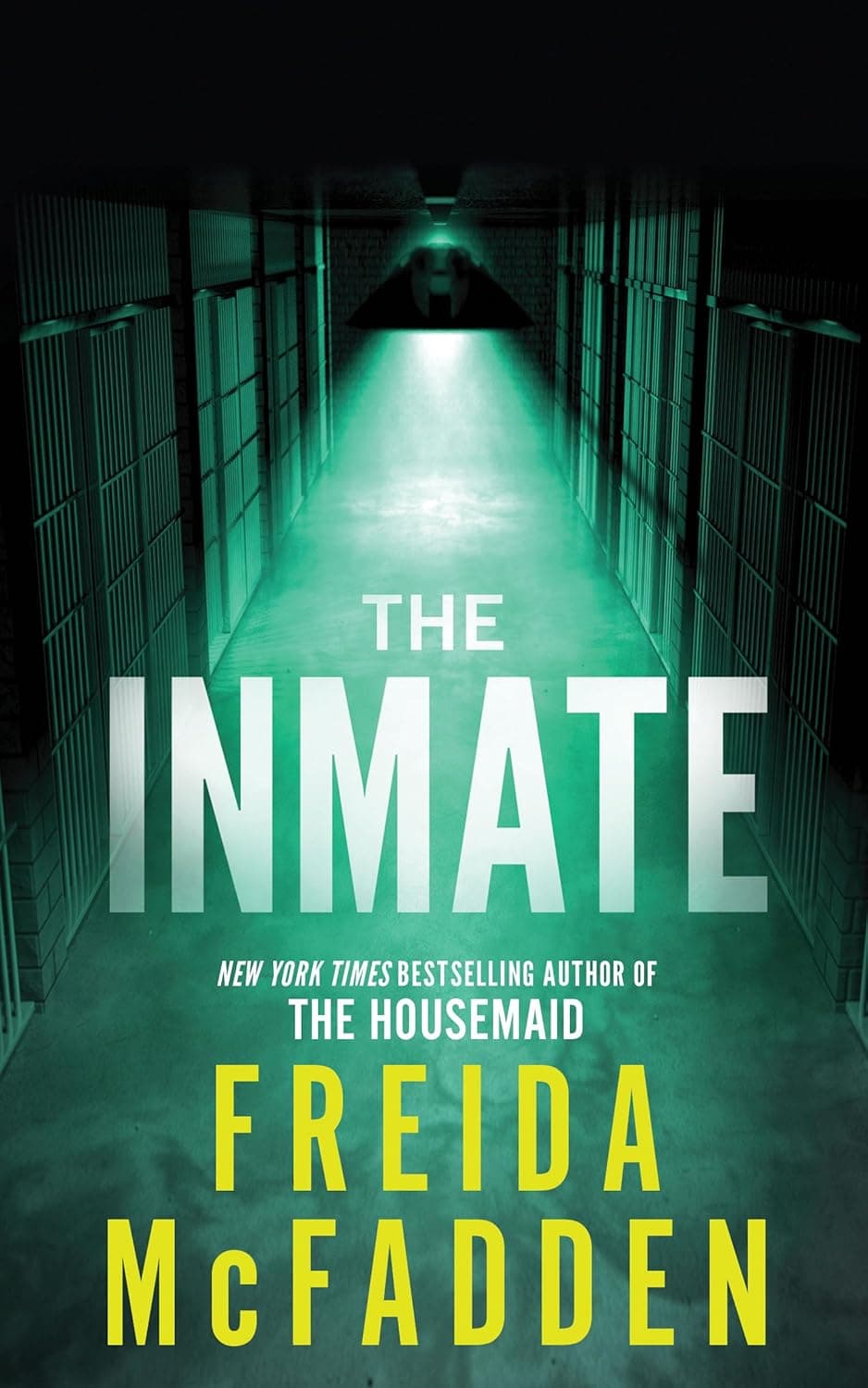
Vengeance and justice in The Inmate probe who gets to punish, what counts as “deserved,” and how easily righteous motives curdle into cruelty. The novel asks whether legal accountability can ever satisfy the wounded desire to “set things right,” and what happens when the system’s failures tempt people into private retaliation. As personal vendettas hijack official procedures, justice becomes less a principle than a weapon—shaped by memory, grievance, and power. The story ultimately tests whether violence can end violence, or whether each act of retribution only breeds the next.
How It Develops
The novel opens under the illusion that justice has been achieved: Shane Nelson is locked up, and the town can move on. But when Brooke Sullivan returns to Raker and begins working inside the prison, the institution meant to deliver impartial justice instead exposes its cracks. Marcus Hunt, a guard with an old grudge, uses his badge to settle scores, making the prison feel less like a neutral arbiter and more like a stage for personalized payback.
In the middle stretch, the line between truth and retaliation blurs. Brooke’s certainty falters as she reconsiders her past and the role her testimony played. The real engine emerges in Pamela Nelson (Margie), whose years-long plot reframes the town’s “justice” as a manipulated performance. By framing Tim Reese to secure Shane’s release, Pamela co-opts the justice system itself, proving how easily legal machinery can be bent to private vengeance.
By the end, revenge stands revealed as both motive and method. The murders from eleven years ago, the recent killings, and the frame-ups interlock as an inheritance of grievance rather than a search for truth. The chain appears to snap only in the Epilogue, when Josh Sullivan kills to “protect” his mother—but that act, chillingly rationalized, shows the cycle has merely passed to a new generation.
Key Examples
Personal vendettas not only co-exist with the law; they colonize it. Across the novel, moments that look like justice collapse into self-justified payback, with procedure serving as camouflage.
-
Marcus Hunt’s abuse of power: Hunt’s disciplinary zeal targets Shane for teenage slights, turning the prison’s authority into a tool of humiliation rather than fairness. In Chapter 32, his admission—“He doesn’t have to do anything here. I already know what kind of person he is.”—exposes a verdict reached before evidence, turning punishment into an extension of a personal feud rather than a legal finding.
-
Pamela Nelson’s master plan: Pamela’s “justice” is a ledger she intends to balance at any cost. Her confession in Chapter 52—“You got to live the life that Shane and I should have had... Those two deserved to die.”—reframes murder as restitution, revealing how victimhood can be weaponized to sanctify revenge.
-
A pliable legal system: The courts convict Shane for crimes he did not commit while missing others he did, and later ensnare an innocent Tim. Brooke’s testimony—and later recantation—shows how memory, fear, and pressure can distort truth into legal fact, turning institutions into mirrors of personal bias rather than correctives to it.
-
Josh’s final act of retribution: In the epilogue, Josh enacts a private sentence under the banner of protection. His inner rationale—“I had to do it... I would do anything for my mom.”—converts familial love into license, and cements retaliation as the family’s newest moral inheritance.
Character Connections
Pamela Nelson (Margie) embodies revenge as a total worldview. She converts abandonment and resentment into a mission, renaming murder as necessary balance. Her cunning use of the system—setting traps, forging alibis, manipulating outcomes—shows how vengeance thrives not outside the law, but within its blind spots.
Marcus Hunt demonstrates everyday vigilantism in uniform. His petty grudge becomes policy, revealing how the aura of authority can launder personal malice into “procedure.” He is a cautionary figure: the most routine acts of “enforcement” can be vengeance in disguise.
Shane Nelson occupies the paradox at the theme’s center—both wrongdoer and wronged. Convicted in part on bad evidence yet fully enlisted in Pamela’s vendetta, he carries grievance like fuel. His sense of entitlement to payback makes him receptive to violence as remedy, proving how easily victimhood and perpetration can co-exist.
Brooke Sullivan stands at the fault line between justice and retribution. As a witness, she helps secure a conviction; as a returning clinician and daughter, she is forced to examine how her own fear, memory, and longing for closure shaped that outcome. Her arc traces a painful re-education: justice requires doubt, patience, and restraint—everything vengeance refuses.
Josh Sullivan is the theme’s grim legacy. He learns that love authorizes harm and that safety can be “won” through lethal force. His killing is framed as protection, but its cold logic reveals the cycle’s true victory: it has taught the next generation to call vengeance by another name.
Symbolic Elements
Raker Maximum Security Penitentiary: The prison should symbolize impartial accountability, yet inside it, Marcus’s grudges and Shane’s contested guilt make justice feel performative. Brooke’s dread upon entering in Chapter 1 captures the institution’s intimidation and its moral uncertainty: a fortress that cannot guarantee fairness.
The Farmhouse: As the scene of the original violence and later confrontations, the farmhouse is a shrine to unresolved wrongs. Shane’s desire to reclaim it in Chapter 47 signals a wish to rewrite history; instead, the house functions like a trap that springs old grievances back to life, proving the past’s hold is not easily broken.
The Snowflake Necklace: Initially a token of innocent affection between Brooke and Tim, the necklace’s transformation into an instrument within Pamela’s scheme twists love into leverage. Its reappearance as a birthday gift in Chapter 34 turns sentiment into psychological warfare, showing how symbols of trust can be repurposed to wound.
Contemporary Relevance
The novel resonates in an era of skepticism about policing, prosecution, and wrongful convictions. It dramatizes how institutional failures—bias, haste, malleable testimony—invite citizens to deputize themselves, with deadly consequences. By tracing how trauma and grievance recruit moral language to rationalize harm, the book speaks to debates about vigilantism, restorative justice, and the limits of carceral solutions. It challenges readers to distinguish accountability from retaliation, especially when pain makes them feel interchangeable.
Essential Quote
“I’m not sorry I hit Shane in the head with that icicle. I had to do it... I had to do what I did. After all, I would do anything for my mom.”
This confession from the Epilogue condenses the theme’s darkest insight: vengeance most often calls itself protection. By grounding violence in filial love, Josh converts a killing into moral necessity, proving how easily intimate loyalties override collective law. The quote seals the cycle—justice isn’t restored; it’s rewritten to justify the next blow.