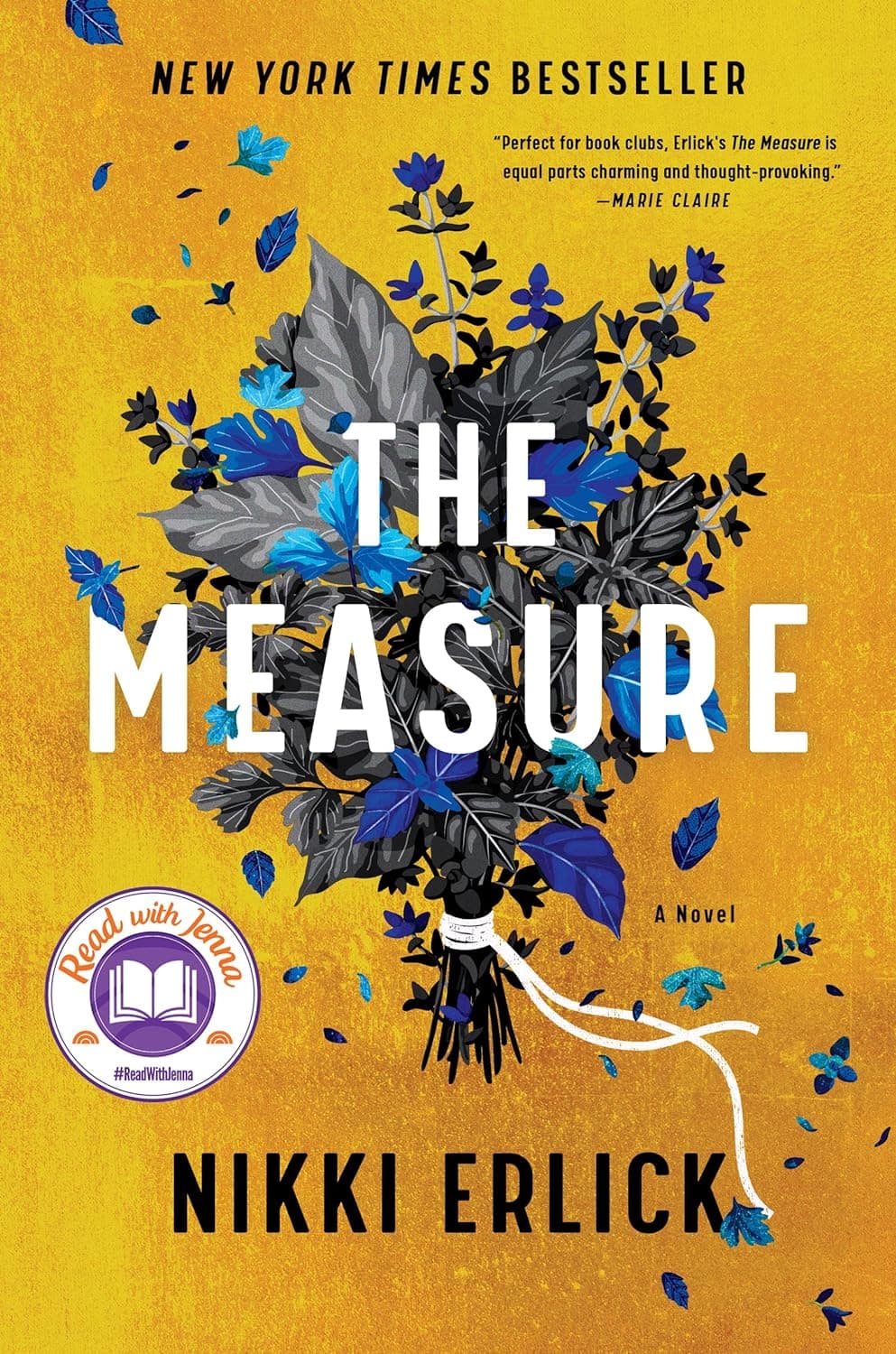
Opening
A single morning rewrites the rules of life: identical wooden boxes appear on every adult doorstep, each promising, or threatening, a revelation about lifespan. In New York City, Nina and her girlfriend Maura face the choice to open theirs, while Ben, returning on a red-eye, walks into a city transformed—its fear, faith, and love suddenly measured in inches of string.
What Happens
Chapter 1: Nina
Nina wakes to a world that no longer makes sense. Her phone explodes with messages and videos about small wooden boxes inscribed with: “The measure of your life lies within.” On her doormat sit two boxes—one for her, one for Maura—identical to the ones outside every adult’s door. The kettle screams; her life tilts.
She lingers at the peephole, watching the hallway and its newly delivered fates, frozen by the implication that a string might tell her the length of her future. She decides to wake Maura. Whatever happens next, they will face it together.
Chapter 2: Ben
Ben learns about the boxes the moment the plane’s wheels touch down. Phones flash; the cabin hums with shock. In the airport, strangers cluster at televisions, and the words “mystery boxes” crawl across every screen. Children seem untouched; only adults receive boxes.
He rides an eerily quiet subway and watches people clutch their boxes like fragile bombs. In Grand Central, he studies the “backward” zodiac ceiling—painted as if from the heavens—and wonders if humanity is being forced into a divine vantage point, seeing life from the end back toward the beginning. He is oddly relieved he wasn’t home when his box arrived, as if absence protects him from the intimacy of the intrusion.
Chapter 3: Nina
Weeks pass, and the boxes fold into daily life. Turning twenty-two now means receiving a box. Stories pile up: short-stringers dying in accidents, long-stringers surviving calamities. Governments and labs test and retest. At Nina’s magazine, every story pivots to the strings.
The science hardens. Materials are unidentifiable and indestructible; population-level medical data show stark patterns—untreatable diagnoses cluster among short-stringers, treatable ones among long-stringers. Researchers accept what the world fears: the strings are real. The atmosphere of Fear, Knowledge, and Uncertainty intensifies, while Nina and Maura keep their boxes hidden, their silence heavy.
Chapter 4: Ben
Ben tries to work in a coffee shop but is pulled into the chorus of the moment. At the next table, a woman insists the evidence is anecdotal, rationality must prevail; a man counters with myth and God and the Fates. Belief and skepticism volley across the table—and across society.
When their talk turns intimate, she admits she peeked: she has a long string, but claims it means nothing. He hasn’t looked; he wants to open his box with his brother, terrified their strings will split their futures. Their candor stirs something in Ben. He has already looked. His is short. He wants the skeptic to be right, but dread settles in, sharpening the theme of Confronting Mortality.
Chapter 5: Nina
At work, the editor-in-chief gathers a small group: a government source confirms it—the strings are accurate. The floor gives way beneath Nina. A week earlier, Maura had pressed to open the boxes together, and Nina, unwilling to let her face it alone, agreed. On their living room floor, they lifted the lids. Maura’s string was “barely half the length of Nina’s.”
Now Nina collapses into a bathroom stall, shaking with grief. Her long string feels like a sentence to watch the person she loves die. The future she imagined fractures into one that is “sad, defenseless, and alone.” She knows she must tell Maura what the government has confirmed—and tell her family, including her sister Amie, who has chosen not to open her box—accepting that love now means living under the certainty of Love, Loss, and Sacrifice.
Character Development
These chapters draw intimate portraits under impossible pressure, showing how the boxes expose fault lines and forge new ones.
- Nina: Protective and pragmatic, she resists opening the box to preserve the life she knows. Love overrides fear, and after seeing Maura’s short string and hearing official confirmation, she shifts into anticipatory grief—planning, hiding, and bracing for loss while refusing to abandon hope.
- Maura: Adventurous and decisive, she insists on knowledge, believing truth is a form of control. Her short string redefines her arc, turning curiosity into urgency and casting a shadow over every choice she and Nina make.
- Ben: Observant and inward, he becomes a quiet mirror for collective dread. As a short-stringer, his detachment dissolves into vigilant introspection—he tests belief, watches others choose, and begins measuring what matters when time is finite.
Themes & Symbols
The novel frames a moral laboratory: knowledge arrives without consent, and every character must decide what to do with it.
- Fate vs. Free Will: The boxes assert a predetermined endpoint. The question shifts from whether fate exists to how free will operates within its boundaries—what choices count when the finish line is fixed.
- Fear, Knowledge, and Uncertainty: Opening or refusing to open becomes an existential referendum. Institutions chase proof while individuals improvise rituals of control, denial, and faith.
- Confronting Mortality: Death is no longer abstract. Short-stringers like Ben must live with immediacy; long-stringers like Nina must face the mortal timelines of those they love.
- Love, Loss, and Sacrifice: Nina’s long string binds her to Maura’s short one. Love becomes endurance—staying, choosing, and suffering with open eyes.
Symbols:
- The Boxes and Strings: An elegant cruelty—life condensed to measurable thread. They literalize destiny and force a reckoning with value beyond length.
- Grand Central Ceiling: The “backward” constellations invert human perspective, suggesting a cosmic vantage where endings precede beginnings.
- The Peephole: Nina’s narrow view marks the limits of safety and distance; fate requires stepping into the hall.
Key Quotes
“The measure of your life lies within.” This inscription collapses mystery into a dare. It reframes life as knowable and quantifiable, turning curiosity into a crisis of choice: to know and lose innocence, or to refuse and live with doubt.
Maura’s string is “barely half the length of Nina’s.” The image is devastating in its simplicity. Without numbers or dates, the disparity still dictates tempo—one life accelerates, the other stretches, and their relationship bends around the mismatch.
The Grand Central ceiling is painted “backward.” This single word refracts the whole premise. If the cosmos is always viewed from the wrong side, the boxes force a correction: humans must learn to live while seeing the endpoint first.
Nina imagines her future as “sad, defenseless, and alone.” The line captures the cost of surviving the person you love. Her long string becomes a burden, not a boon, recasting longevity as witness rather than victory.
Why This Matters and Section Significance
These chapters establish the novel’s central engine: a high-concept device that becomes painfully intimate. By placing boxes in every hand but letting characters choose when to look, the story tests belief, identity, and love under a shared but unequal pressure.
Nina, Maura, and Ben anchor the global phenomenon in lived experience—partnership versus solitude, long versus short, denial versus acceptance. The government’s confirmation marks a pivot from rumor to reality, moving the narrative from “Are the strings real?” to “How will we live with what they reveal?” Every decision from here—who opens, who waits, who stays—flows from this first, irreversible knowledge.