Opening
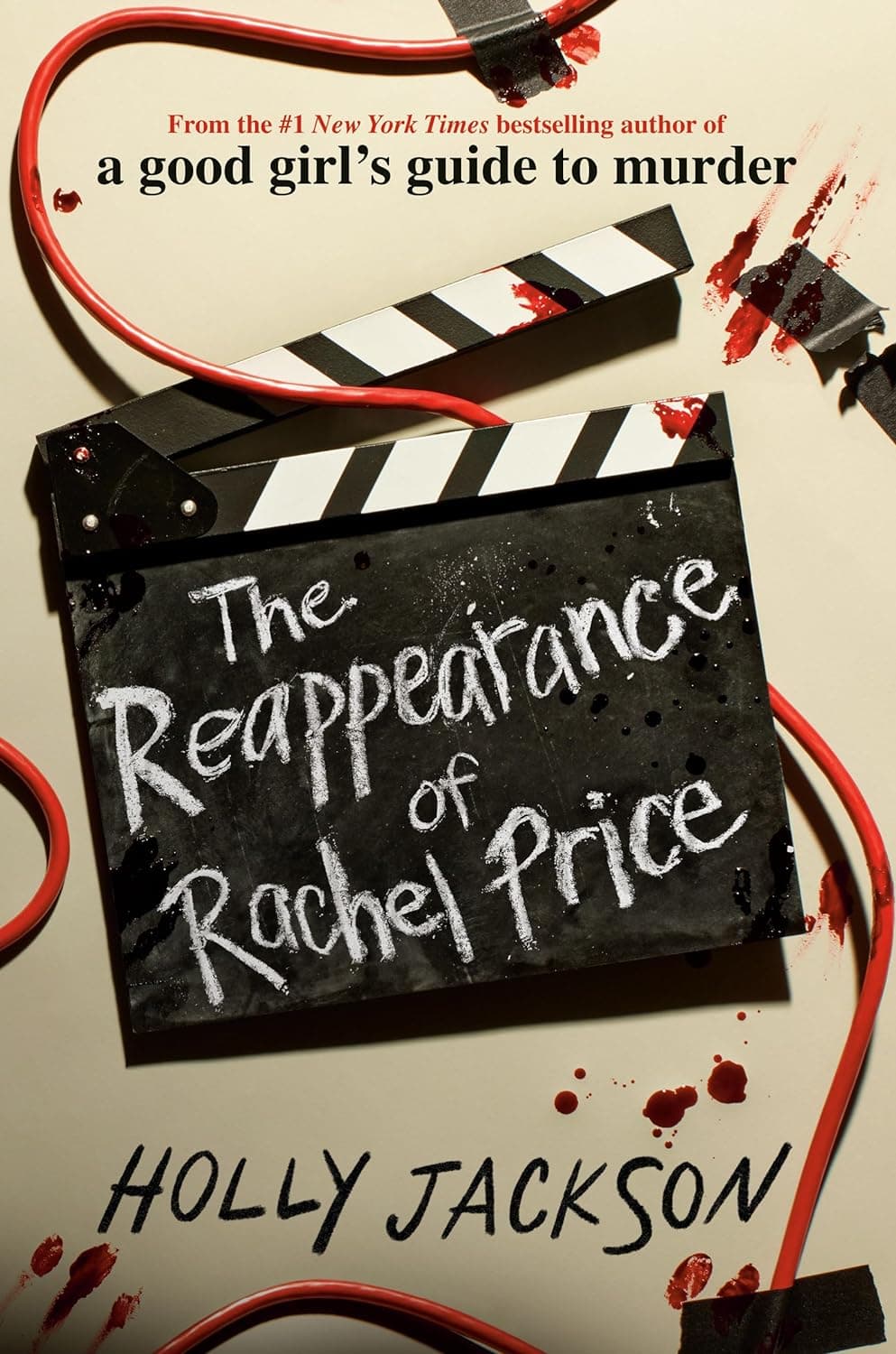
Bel Price grows up in the shadow of a vanished mother and a case the world won’t let die. A slick true-crime documentary turns her life into a set, but Bel refuses to play victim—she performs, deflects, and steals back control in small, sharp ways. These chapters lay the mystery’s ground rules, expose fault lines in the Price family, and seed clues that complicate every easy answer.
What Happens
Chapter 1: The Disappearance of Rachel Price
Eighteen-year-old Annabel 'Bel' Price sits under bright lights, forced to talk about the word she hates—“mother”—as the director Ramsey Lee probes for emotion. The subject is Rachel Price, who vanishes sixteen years earlier after entering a mall, slipping through a camera blind spot, and never showing up on any other footage. Bel supplies the detached line she’s practiced: Rachel likely tried to leave and is dead. She is the only witness—found hours later in a running car near a state park—and claims no memory.
A clumsy interruption from Ash Maddox, the quirky camera assistant, punctures the tension, but Ramsey pushes on, hungry for specifics. Bel resents being defined as “Rachel Price’s daughter” and answers in cool, crafted fragments, setting the tone for the novel’s fixation on Truth, Lies, and Deception.
Chapter 2: The Masshole
The interview derails when Rachel’s mother, Susan, arrives early. The reunion combusts on camera: Susan accuses Charlie Price of murder; Bel fires back with trial alibi details she knows by heart. Charlie enters, the crew keeps filming, and Susan escalates—implying Charlie even caused his own mother’s death, which he insists was a tragic accident.
To shut the scene down and shield her father from saying anything dangerous, Bel detonates a string of profanities that jolts Susan into silence. As the room clears, Bel pockets the black queen from a decorative chess set—a secret ritual that steadies her. Her kleptomania emerges as a way to manage panic and control the uncontrollable, a wound from Trauma and Its Lasting Impact. In the parking lot, when Charlie urges her into the car, Bel refuses the back seat, hinting at an old terror lodged in muscle memory.
Chapter 3: A Trip Down Memory Lane
Bel meets her fifteen-year-old cousin, Carter Price, in their cemetery hideout. Their sister-sure bond softens Bel’s edges as they talk about the film crew invading their lives. The next shoot is at the Price house, where the entire clan assembles: Bel, Charlie, Jeff Price, Sherry Price, and wheelchair-bound Grandpa Patrick 'Pat' Price, whose dementia frays the present.
While she’s miked, Bel and Ash trade prickly, flirty banter that chips at her defenses. The family lines up on the sofa to watch home videos Ramsey has queued for “organic reactions.” Through laughter, flinches, and unscripted tears, the chapter explores The Complexity of Family Bonds: tight-knit, scarred, and always being watched.
Chapter 4: The Rachel in Everything
Three clips roll. In the first—Christmas 2007—the family sleds, snow-bright and joyous. Charlie’s face crumples; he still wears his wedding ring. The second clip (January 2009) shows Charlie walking free after his acquittal, scooping up a toddler Bel and weeping over seven months lost in jail.
The third matters most: Rachel films herself two days before she disappears, cooing to baby Bel—“Anna-Belly-Boo”—as Charlie’s voice off-camera reminds Rachel she’s left the front door open again. Under Ramsey’s questions, Charlie admits Rachel has grown forgetful in the weeks leading up to her disappearance. The detail unsettles Bel, who shares the same trait. Ramsey also notes Bel and Rachel sound strikingly alike, prodding Bel’s fight with Identity and Self-Discovery.
Chapter 5: Secrets
In the quiet after filming, Bel tucks a stolen scrunchie into her hidden hoard—objects that cannot leave her. From the hallway, she overhears Charlie and Jeff arguing. Jeff worries the documentary will frame Charlie as guilty; Charlie snaps that he needs the $40,000 payment to cover their father’s escalating care. The alternative—declaring Rachel legally dead for the life insurance—would look worse.
At school the next morning, the crew shadows Bel. Ramsey plans hallway footage and lunch interviews. Terrified her isolation will be exposed, Bel brusquely rejects former friend Sam Blake’s kind offer to help. Cornered, she storms into homeroom and performs illness—severe period, maybe COVID—until Mr. Tripp, the teacher who once found her in that running car, sends her home.
Character Development
Bel steps into the spotlight and refuses to be read, even as cameras catch every flinch. Around her, the Price family’s love, fear, and exhaustion surface in unguarded moments.
- Bel Price: Guarded, razor-witted, and loyal to a fault. She controls her narrative through practiced answers, petty thefts, and calculated outbursts. Isolation is armor; her refusal to sit in the back seat exposes trauma that words won’t.
- Charlie Price: Patient, grieving, and steady. His ring, tears, and protective instincts reveal enduring love for Rachel and Bel. Financial strain forces compromises that risk public suspicion.
- Rachel Price: Absent yet vivid through home video—warm, playful, and newly forgetful. Her voice, manner, and maternal tenderness haunt every room Bel enters.
- Ash Maddox: An offbeat foil to Bel’s cynicism. His clumsiness and quick banter loosen her grip, hinting at future trust or trouble.
- The Price Family (Jeff, Sherry, Carter, Pat): A unit defined by devotion and stress. Jeff’s fear of the documentary, Sherry’s support, Carter’s sisterly loyalty, and Pat’s dementia complicate the family’s public face.
Themes & Symbols
The camera turns life into performance, and performance into evidence. The documentary apparatus promises truth but incentivizes spectacle, sharpening the novel’s obsession with truth versus performance. Bel’s curated answers, Charlie’s concealed finances, and Ramsey’s hunt for “organic reactions” show how narratives are built, edited, and weaponized.
Family is refuge and raw nerve. Loyalty fuels Bel’s fury at Susan and her readiness to wound Sam to protect a façade. Trauma lingers somatically: Bel’s kleptomania and car-seat aversion communicate what memory can’t. Rachel’s forgetfulness reframes the disappearance—was it stress, illness, or orchestration?—and mirrors Bel’s dread of inheriting more than a face and a voice.
Symbols:
- The Camera: Public scrutiny, selective memory, manufactured “truth.”
- Bel’s Stolen Objects: Control and permanence in a life of loss.
- The Black Queen: Power seized in secret; a chess piece from a rigged game.
- The Wedding Ring: Charlie’s stubborn fidelity to a marriage—and a mystery—that never ends.
- Open Doors: Rachel’s forgetfulness as foreshadowing; thresholds carelessly crossed.
Key Quotes
“Rachel Price’s daughter.”
- A label that collapses Bel’s identity into a headline. The phrase encapsulates the novel’s pressure on Bel to perform grief on command and her fight to define herself beyond a case file.
“Organic reactions.”
- Ramsey’s credo reveals the paradox of documentary filmmaking: authenticity staged for an audience. It primes the reader to question every tear, pause, and cut.
“Anna-Belly-Boo.”
- Rachel’s pet name infuses the footage with warmth and loss. The intimacy humanizes Rachel beyond the crime, while echoing vocal similarities that unsettle Bel’s sense of self.
“Forty thousand dollars.”
- The price of cooperation and a measure of the family’s burden. Turning to the documentary rather than declaring Rachel legally dead signals both moral line-drawing and how easily optics can damn Charlie.
“The back seat.”
- A simple phrase loaded with terror. Bel’s refusal translates body memory into evidence, proving trauma persists even when conscious recall fails.
Why This Matters and Section Significance
These chapters lock in the novel’s core tensions: the public mystery (Rachel’s disappearance) versus private wounds (the Prices’ daily survival), and the spectacle of truth versus its messy reality. The home videos and interviews provide both exposition and misdirection, humanizing Rachel while planting the “forgetfulness” clue that could recast everything. By centering Bel’s defensive brilliance, the section establishes a narrator who withholds as much as she reveals—inviting readers to watch the documentary, then read between its frames.