What This Theme Explores
In The Reappearance of Rachel Price, Truth, Lies, and Deception is less a binary than a battlefield. The novel asks who gets to tell the story, how power bends “truth,” and what it costs to live inside someone else’s version of reality. Lies appear both as instruments of control and as emergency shelter—means of survival when telling the truth would endanger the vulnerable. By the time Rachel Price returns, truth itself feels negotiated, not discovered.
How It Develops
The story opens with a public mystery that fractures into private, competing narratives. A documentary crew presses the Prices into rehearsing their “official” story while Grandma Susan insists she knows what really happened. Against that stage-managed truth, small domestic lies—like Annabel 'Bel' Price feigning illness—signal that deception is already a family language. Meanwhile, Charlie Price polices memory with gentle corrections and firm denials, shaping what counts as true inside the house.
Rachel’s reappearance seems to offer certainty: an abduction, a basement, a monster. But as Bel probes the story, the center doesn’t hold. Inconsistencies multiply—tiny slips about time, uncanny knowledge Rachel shouldn’t have, details that feel rehearsed more than remembered. The investigation turns from solving an old disappearance to verifying a new identity, and the novel becomes a duel of narratives in which both women conceal motives and trade in half-truths.
In the climax, the façade collapses. Rachel’s abduction tale is revealed as a constructed lie designed to expose a deeper horror: the family’s complicity and the violence that has been masked by performance and legal absolution. The discovery of the red truck and the secret it hides forces a reckoning with Pat Price, and the survivors—Bel, Rachel, and Carter—choose a new deception to survive. They publicly claim that Charlie, Jeff, and Sherry fled to Canada, asserting story as a final act of self-defense. The novel ends where it began—crafting a narrative—but now the lie functions not as domination, but as a shield that makes a future possible.
Key Examples
-
Conflicting public truths: Early on, the documentary captures Grandma Susan’s conviction that Charlie is guilty against his legal acquittal. The scene shows how institutions (a jury) and personal certainty can produce incompatible “truths” that the public consumes as entertainment rather than reckoning. This clash frames the novel’s skepticism toward any single authoritative version of events (Chapter 2).
-
Rachel’s fabricated narrative: A cluster of small slips chips away at the abduction story—an off-by-one timeline error about “fifteen” years, a too-savvy familiarity with Bel’s bracelet, and a car-engine detail that doesn’t line up. Individually, each flaw might be explainable; together they form a pattern that transforms Bel’s hunch into method. The novel uses this accumulation to show how truth often emerges from friction between details, not from grand revelations (Chapter 13; Chapter 14; Chapter 16; Chapter 9).
-
Charlie’s gaslighting: Bel discovers that a cherished childhood anecdote—his correction about the “Taco Bell woman”—was a lie, and that she had rewritten her own memory to match his version. This moment exposes how deception can colonize the mind, training someone to doubt their recollections and accept a curated reality. It reframes Charlie’s charm as an infrastructure of control (Chapter 39).
-
The hidden message: Rachel’s plea inside The Memory Thief—naming her captor and the red truck’s location—cracks the case. The truth arrives not in a courtroom but encoded within art, forcing the family to confront what their public narratives have elided. This revelation makes clear that the most dangerous lies were not the ones told to cameras, but the ones that kept Rachel invisible for years (Chapter 41).
Character Connections
Bel embodies the theme’s moral and psychological stakes. Her skepticism is neither cynicism nor voyeurism; it’s a refusal to outsource truth to institutions, charismatic men, or packaged stories. Crucially, she also learns that telling the truth can endanger survivors—and chooses a protective lie, revealing how integrity sometimes means prioritizing harm reduction over confession.
Rachel complicates any easy moral calculus. She lies brilliantly, but her deception is a strategy—to reclaim agency, protect her daughters, and force hidden crimes into the open. The novel positions her story-making as a counter-power to the narratives that once silenced her, showing how survivors can weaponize fiction to extract justice where facts have failed.
Charlie personifies deception as domination. His performance as a grieving husband and devoted father isn’t a single lie but a sustained theater that shapes the memories and identities of those around him. By the time his crimes surface, the damage of his manipulation—teaching Bel to distrust her mind—feels as grievous as the secrets he kept.
The extended Price family shows how one lie begets a network of secrecy. Pat’s long concealment of Rachel, Jeff and Sherry’s hidden parentage choices, and Carter’s place within a web of half-truths demonstrate how private myths can sustain a family while quietly corroding it. Together they illustrate a grim principle of the book: secrecy can stabilize a home even as it poisons it.
Symbolic Elements
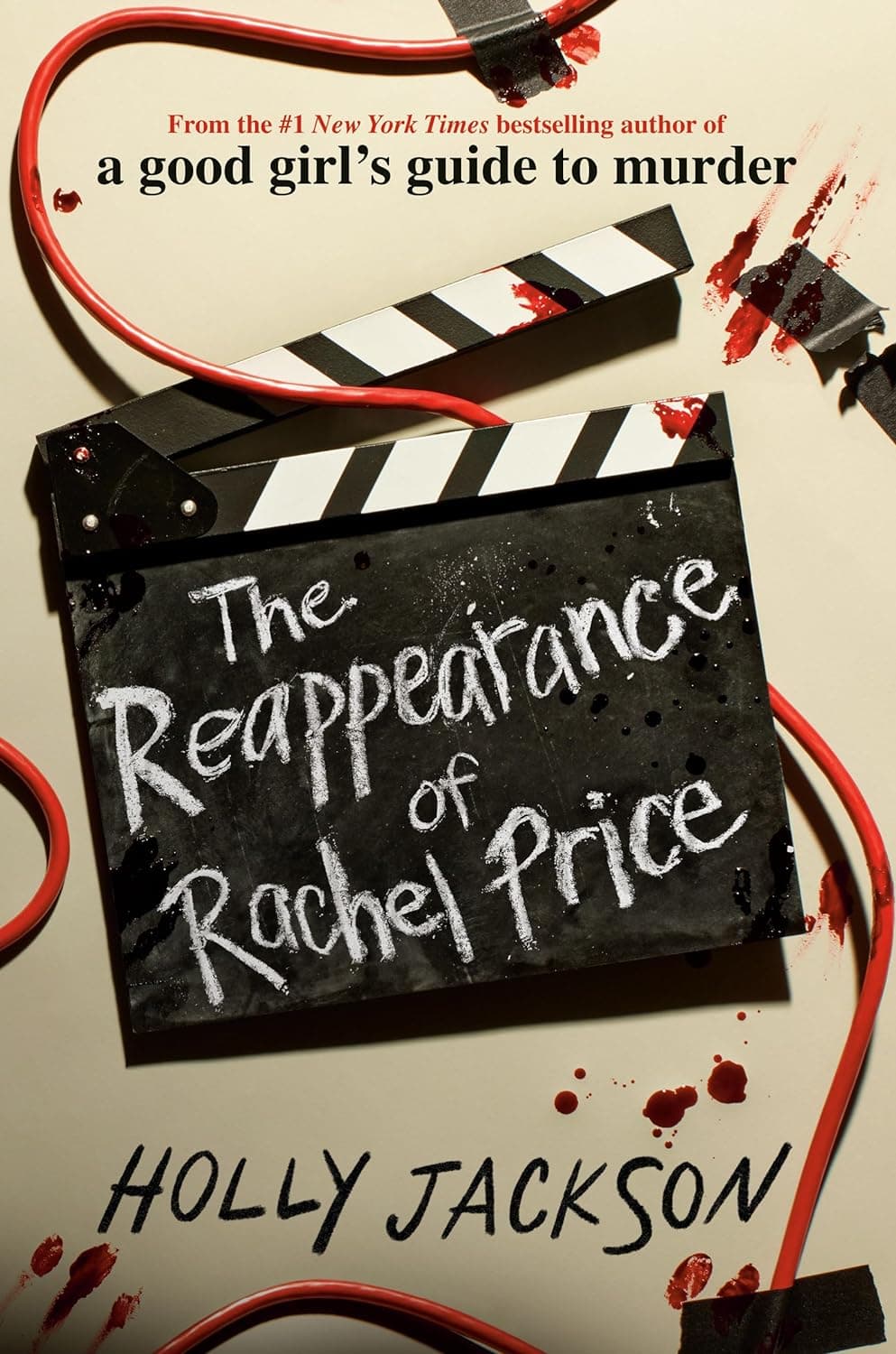
The documentary: A glossy package that flattens grief into content. It symbolizes the market’s hunger for clean arcs and suspects, contrasting with the messy, unfilmable truths survivors live. By forcing the Prices to perform themselves, it exposes how public “truth” is produced, not found.
The red truck: A literal container of the buried truth and a metaphor for what families hide to keep functioning. Its discovery collapses the distance between rumor and reality, showing that the ugliest facts live just offstage, in the spaces no one wants to open.
The Memory Thief: A book about stolen histories that becomes a medium for smuggling reality into view. By embedding her message, Rachel uses fiction as a Trojan horse, indicting the way Charlie rewrote memories and the way dementia erases them, turning loss of memory into the story’s most insidious thief.
Contemporary Relevance
In an age of true-crime bingeing, algorithmic outrage, and curated feeds, the novel’s questions feel urgent: Who benefits from the story we’re given? What happens when legal verdicts and lived experiences diverge? The book warns how easily narratives are manufactured and consumed—and how often “truth” is measured by coherence, not accuracy. Yet it also defends narrative as a survivor’s tool, arguing that sometimes the safest path forward is not a confession to the crowd, but a carefully held lie that protects the living.
Essential Quote
“Not guilty is not the same as innocent. And juries can get it wrong.”
This line reframes the entire novel, separating legal truth from moral and lived truth. It invites readers to distrust neat resolutions and to weigh who holds power over the story—and why. By setting skepticism as the baseline, the quote prepares us to see deception not just as a vice, but as a tool that can either obscure harm or, in desperate hands, avert it.