What This Theme Explores
Justice and revenge in The Reappearance of Rachel Price probe where rightful accountability ends and personal retribution begins. The novel tests the promise and limits of legal justice through the case of Rachel Price and the fallout around Charlie Price, revealing how grief and trauma can warp a search for truth into a crusade. It asks whether justice is a verdict or a feeling—and what people will risk to secure it when institutions falter. At its core is a moral tangle: when justice becomes private, does it still restrain harm, or simply redirect it?
How It Develops
The theme first appears as a public performance of justice in the wake of Charlie Price’s trial. He is declared “not guilty,” yet the town—and especially Rachel’s mother, Susan—treats him as if the verdict were a failure rather than a resolution. In this gap between law and belief, Annabel “Bel” Price steps forward to defend her father’s name, positioning herself as a seeker of a different justice: not punishment, but exoneration.
When Rachel reappears, the axis of justice tilts. The ostensible closure of Charlie’s innocence gives way to a more intimate calculus, as inconsistencies in Rachel’s story pull Bel from daughterly loyalty into skeptical investigation. The entry of Phillip Alves—whose zeal to “solve” the case tips into fixation—exposes how vigilante impulses masquerade as righteousness, and how easily the role of justice-seeker can shade into perpetrator.
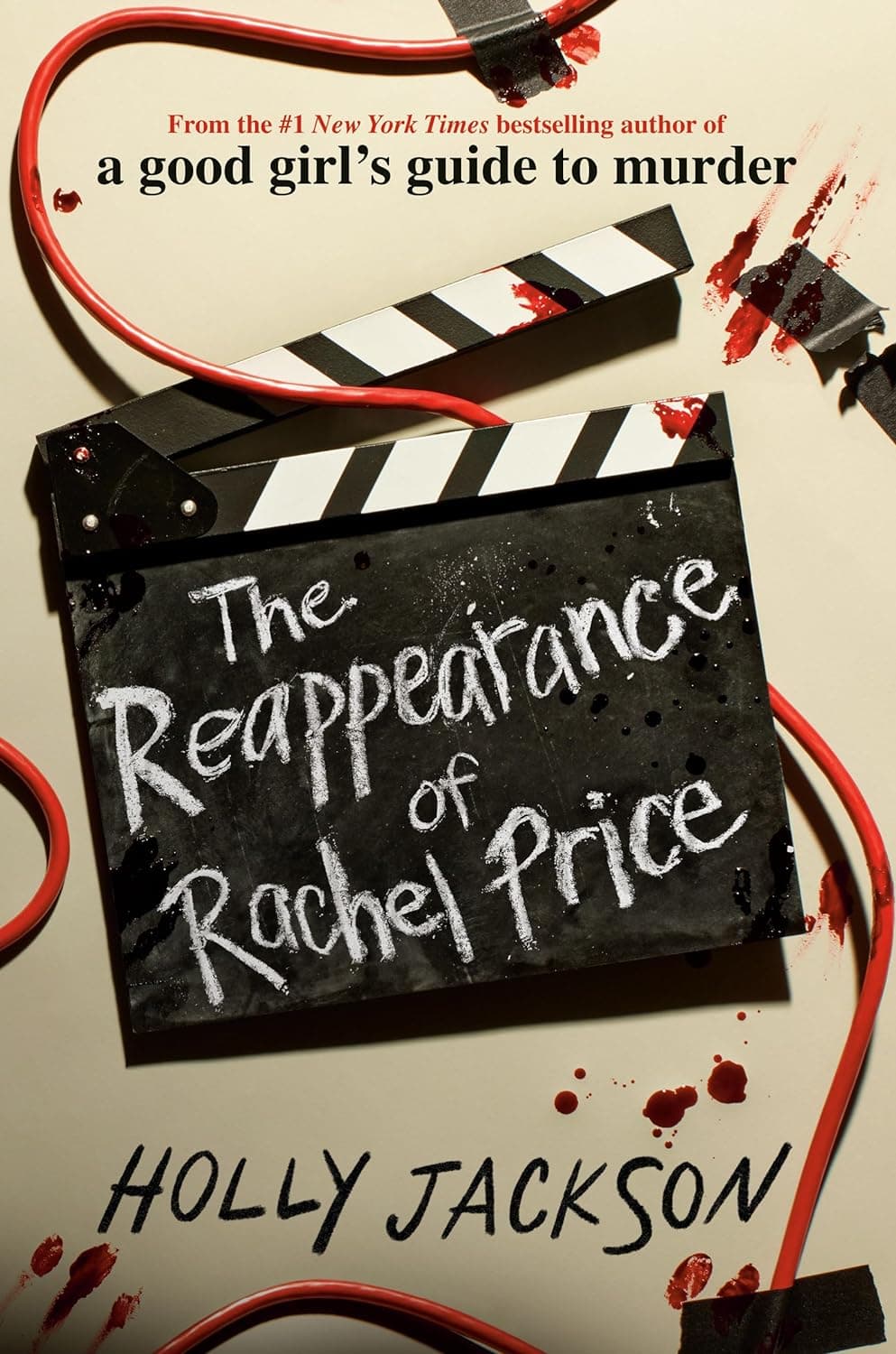
At the climax, the book reveals justice’s darkest mirror: Rachel’s reappearance was the opening move in a meticulous revenge. The red truck container—once the site of her captivity—becomes the stage on which she scripts her own reckoning with Charlie, yoking the narrative’s mystery to a thriller’s payback and literalizing justice as a reversal of power. This pivot is underscored in Chapter 43, where retribution and memory collapse into the same confined space.
In the aftermath, Bel must rule on a private court no law can recognize. With both parents compromised, her decision to side with her mother seals the novel’s vision of extrajudicial justice: intimate, subjective, and irrevocable. The “resolution” is not institutional but familial, leaving characters to live with the sentences they’ve passed on each other.
Key Examples
-
Susan Boden’s Public Vendetta: Grief catalyzes Susan into a relentless campaign to punish Charlie despite his acquittal, turning public opinion into her courtroom and the documentary crew into her jury. Her orchestrated confrontations show how performance, not procedure, can deliver the feeling of justice—even when evidence is thin.
"But the only thing he really wanted, before he died, was to finally see his daughter’s killer behind bars. Where he belongs," she said pointedly, wiping her nose again for effect. — Chapter 2
-
Phillip Alves’s Obsession: Phillip embodies the peril of self-anointed justice. His fixation on “truth” escalates to kidnapping eight-year-old Bel, proving that vigilante certainty can rationalize violence as necessary inquiry. Bel’s recollection in Chapter 6 reframes him from guardian to threat.
-
Rachel’s Calculated Revenge: Rachel reshapes her trauma into an exacting plan, staging a mirror of her own imprisonment for Charlie. By manipulating optics (his apparent flight) and reality (his confinement), she fuses punishment with catharsis—justice as a personalized echo of harm.
"Think of it like I’m saving you, Charlie. The only other option was to kill you." — Chapter 44
-
Bel’s Final Choice: Forced to adjudicate competing narratives, Bel legitimizes her mother’s retribution by choosing it. Her decision demonstrates the novel’s central claim: in the absence of trusted systems, the victim’s verdict becomes the only verdict that counts—no matter how unsettling its methods.
Character Connections
Rachel Price is the narrative’s most potent agent of revenge, convinced that formal justice cannot touch the harm she endured. Her strategy derives from both survival and moral injury: by reusing the site of her terror, she attempts to convert helplessness into agency. The plan is also protective, grounded in her bond with Carter Price: safeguarding her child becomes inseparable from punishing the man she deems responsible.
Annabel “Bel” Price embodies the theme’s ethical volatility. She begins as her father’s advocate, moves into the role of investigator, and ultimately becomes the arbiter who chooses whose justice will stand. Her trajectory charts the emotional cost of playing judge without an impartial system—a reminder that choosing a side is itself an act of power with lifelong consequences.
Charlie Price sits at the fault line where vengeance can be both unjust and deserved. Hounded by Susan’s public campaign, he first appears as a victim of misplaced fury. Yet his own past—pressuring Patrick ‘Pat’ Price into violence—reveals how manipulation and control seeded the family’s catastrophe, complicating any clean separation between punishment and persecution.
Symbolic Elements
-
The Red Truck Container: A chamber of Rachel’s dehumanization turned instrument of her retaliation. Its transformation signifies the dangerous appeal of reclaiming power by reenacting harm, suggesting that redemption through reversal risks perpetuating the original violence in a new key.
-
Charlie’s Trial: The “not guilty” verdict operates as a symbol of institutional insufficiency—legality without legitimacy. Its failure to satisfy the community creates a vacuum that personal justice rushes to fill, setting the stage for vigilante narratives to flourish.
-
The Axe: Brought by Charlie as a tool of murder, the axe becomes a narrative pivot when it is left behind and Rachel picks it up. The transfer marks a shift in agency and underscores that the story’s justice is always shadowed by the threat of lethal force—even when the final sentence is confinement, not death.
Contemporary Relevance
In an age of true-crime media and social platforms that elevate outrage into collective judgment, the novel’s portrait of extra-legal justice feels alarmingly familiar. It warns how spectacle can masquerade as accountability and how “finding the truth” can license cruelty when patience for due process wears thin. Yet it also honors the visceral need for redress when systems fail, acknowledging why someone like Rachel might conclude that only private action can deliver safety or meaning. The book thus speaks to modern skepticism toward institutions and the seductive, risky promise of taking justice into one’s own hands.
Essential Quote
"Think of it like I’m saving you, Charlie. The only other option was to kill you."
Rachel’s line captures the novel’s moral knot: revenge recast as rescue, punishment framed as mercy. By presenting imprisonment as a humane alternative to murder, she collapses the distance between justice and violence, revealing how personal retribution can feel righteous even as it reproduces harm. The quote crystallizes the story’s unsettling thesis—justice here is subjective, intimate, and terrifyingly easy to justify.