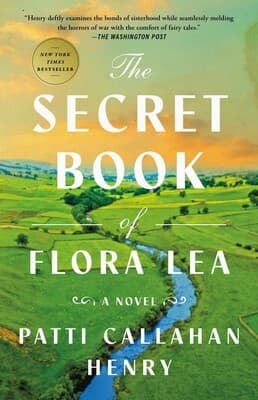
The disappearance of Flora Lea Linden casts a long shadow over Hazel's life, and these chapters delve into the immediate aftermath of that fateful day in 1940 and its reverberations twenty years later. Consumed by guilt and a desperate need to undo the tragedy, Hazel makes a series of choices that irrevocably alter the course of her life, including a vow that severs her connection with Harry Aberdeen. In 1960, Hazel stands at a crossroads, forced to confront the past she has tried to bury as a mysterious note threatens to unravel the fragile peace she has constructed.
Chapter 41: The Day She Was Gone
The narrative plunges into the chaos of October 19, 1940, as Constable Aiden Davies arrives at the riverbank to question a distraught Hazel Mersey Linden, a pale Harry, and a fearful Bridgette 'Bridie' Aberdeen. Harry explains their brief absence, but the search takes a dark turn when Hazel discovers Flora’s teddy bear, Berry, partially submerged in the muddy river, confirming their worst fears.
Panic-stricken, Hazel plunges into the frigid river, desperately searching for her sister until Aiden Davies pulls her out. In her hysteria, she latches onto another possibility, accusing Mrs. Marchman, a local woman who lost her own daughter, of kidnapping Flora. Hazel and Harry rush to Mrs. Marchman’s dilapidated cottage, only to find a confused, addled woman who is clearly innocent. As hope dwindles, Hazel remembers the treacle well from Alice in Wonderland at St. Margaret’s chapel, another of Flora’s magical places. They race there, but the police have already searched it, dismissing it as a dead end. Overwhelmed by Guilt, Blame, and Forgiveness, the cold, and terror, Hazel collapses, the world dissolving around her.
Chapter 42: The Night Ferry
The story jumps to March 1960, the night Hazel and Barnaby Yardley are set to leave for Paris. Barnaby finds Hazel asleep at her kitchen table, where she has spent the night writing about Flora’s disappearance. Concerned by her obsession, he urges her to "get Harry out of your system." Hazel contemplates abandoning the trip to find the author of Whisperwood in America, but she recognizes this impulse as self-destructive and resolves to move forward with Barnaby.
At Charing Cross Station, Hazel tries to embrace the future, but as she and Barnaby board the train, they are stopped by Kelty (Mrs. Marchman's daughter) and her daughter, Midge. Kelty hands Hazel a note from Peggy Andrews, who writes that she is in London and wishes to meet Hazel at The Savoy hotel the next morning. Barnaby reads the note, his face hardening, and silently presents Hazel with an ultimatum: choose their future in Paris or the past and the search for Flora.
Chapter 43: The Vow
Returning to October 19, 1940, a feverish Hazel wakes in a car to find her mother, Camellia Linden, has arrived from London. Back in Bridie’s cottage, Hazel feels she deserves no comfort, believing that The Power of Stories and Imagination led Flora to her doom. In the middle of the night, she gathers her handwritten Whisperwood stories and throws them into the river, a symbolic drowning of the magic she now sees as a curse.
At the empty St. Margaret’s church, she kneels at the altar, scratches at a wound on her ankle, and smears her blood on the marble. She makes a solemn vow to God: if Flora is returned, she will never again tell a made-up story, never escape to Whisperwood, and never see Harry Aberdeen again. She repeats the vow three times, a magical incantation born of desperation. The next morning, as her mother leads her to a taxi to go to the hospital, Hazel sees Harry and Bridie on the porch. To honor her vow, she turns to Harry and screams, "I never, ever want to see you again!" This act severs their bond.
Chapter 44: The Aftermath
Hazel wakes in a hospital three days later, diagnosed with pneumonia. Her mother explains that the police believe Flora drowned, but the Blitz has consumed the nation's attention, sidelining the case. Camellia tries to absolve Hazel of her guilt, but Hazel refuses, promising only that she will find Flora and reiterating her decision to cut Harry and Bridie out of her life.
For two months, Hazel and her mother remain in Oxford, plastering the town with "missing" posters, but their efforts are fruitless. Eventually, they return to Bloomsbury, as the familiar structure of home seems safer than the aimless despair of Oxford. Hazel is haunted by her cowardice, knowing that telling the truth about Whisperwood might have explained Flora’s actions and shielded Bridie and Harry from local gossip and suspicion. The chapter summarizes the following years, as Hazel carries her Grief, Loss, and Hope and never stops searching for Flora. She attends Cambridge University, graduates, and begins working at Hogan’s Rare Book Shoppe. The war ends, but her personal war does not.
Character Development
Hazel's character undergoes significant transformation in these chapters, driven by the trauma of Flora's disappearance and the weight of her own guilt.
- Hazel Mersey Linden: In 1940, Hazel is consumed by guilt and grief, leading to irrational actions and a desperate belief in magical thinking. Her vow shapes her adult life. In 1960, she faces a critical turning point, forced to confront the past.
- Harry Aberdeen: In 1940, Harry is a steadfast and protective friend, making Hazel’s later rejection all the more tragic.
- Barnaby Yardley: Barnaby is revealed to be less patient and more possessive, giving Hazel an ultimatum that shows his support is conditional.
- Camellia Linden: Camellia appears as a mother shattered by loss but still trying to comfort Hazel, demonstrating her love even as she navigates her own immense grief.
Themes & Symbols
These chapters explore the profound themes of guilt, the power of stories, and the enduring impact of loss.
- Guilt, Blame, and Forgiveness: Hazel’s guilt drives her self-punishing actions, leading her to destroy her stories, make a blood vow, and sever her most important friendship.
- The Power of Stories and Imagination: Hazel blames her imaginative stories for luring Flora into danger, leading her to symbolically execute her creativity.
"I never, ever want to see you again!"
Hazel's cruel words to Harry encapsulate the devastating impact of her vow. This moment marks a turning point in their relationship, severing their bond and setting the stage for years of estrangement. The quote highlights the destructive power of guilt and the lengths to which Hazel will go to fulfill her promise, even at the expense of her own happiness.
Significance
These chapters form the emotional and narrative core of the novel, providing a heartbreaking account of Flora’s disappearance and its aftermath. They solve the mystery of the estrangement between Hazel and Harry, revealing that it was caused by Hazel's secret, guilt-ridden vow. By juxtaposing the past trauma with the arrival of Peggy Andrews's note, the narrative forces Hazel into an impossible choice, leaving her at a precipice between healing the past and a future free from it.