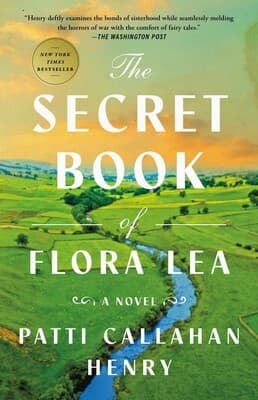
On March 20, 1960, Hazel Mersey Linden and Chief Inspector Aiden Davies arrive at Imogene Wright's home, where Flora Lea Linden / Dorothy 'Dot' Bellamy awaits, a whirlwind of confusion and dawning horror as she grapples with the revelation of her past. As they wait for Imogene, Dot realizes the shocking truth: she, an expert on child evacuees, was an evacuee herself, her memory blocked for decades.
Chapter 51: The Confession
Aiden, growing impatient, rushes to Imogene's daughter's house, only to find Imogene has fled. However, she soon reappears, transformed by rage, and confesses to taking Flora, framing it as a divine rescue. Imogene claims Flora fell into the river while Hazel was distracted, and she saved her, later giving Flora to her sister, Claire, as a "gift from God" to replace Claire's deceased daughter. She justifies her actions as saving Flora from a neglectful family, even admitting to hiding Flora in the church, a revelation that horrifies Hazel, who now understands the cries she heard that night were Flora's. As Imogene's fanatical justifications escalate, Aiden Davies arrests her for kidnapping.
Left reeling, Dot struggles to reconcile the loving aunt she knew with the kidnapper before her. Hazel tries to comfort her, but Dot fixates on Hazel's admission that she and Harry Aberdeen left her alone briefly, seemingly validating Imogene's claims. Desperate to break through Dot's confusion, Hazel speaks a line from their childhood story: "There once was and still is an invisible place right here with us." The words resonate, and Dot finally agrees to go with Hazel to Binsey.
Chapter 52: The Reunion
Hazel brings Dot to the stone cottage in Binsey, where Bridgette 'Bridie' Aberdeen instantly recognizes Dot as Flora, greeting her with tears of joy. Harry arrives soon after, explaining that his mother had a premonition. He, too, immediately recognizes Flora, and the reunion overwhelms Dot.
As they stand in the pasture, an owl's hoot triggers a crucial memory for Dot: Imogene called her name, startling her and causing her to slip into the river. This revelation lifts twenty years of crushing guilt from Hazel and Harry. They didn't lose Flora through carelessness; she was deliberately stolen. The theme of Guilt, Blame, and Forgiveness finds resolution as Hazel realizes her love for Harry and for Whisperwood was not the cause of the tragedy. In a moment of profound connection, Dot—as Flora—embraces Hazel. Later, Harry encourages Hazel to consider their own relationship, urging her not to squander what remains and leaving her with a choice about their future.
Chapter 53: The River Child's Story
A week later, Dot channels her turmoil into an article for Vanity Fair, reclaiming her narrative as a way to make sense of her fractured identity. Aided by a psychiatrist, she learns about "memory reframing" and how her subconscious has been trying to tell her the truth. She visits Binsey alone, connecting with her past by walking familiar paths and touching the stones of St. Margaret's Well, also known as Frideswide's Well.
The chapter transitions into Dot's article, recounting the kidnapping from six-year-old Flora's perspective. The narrative details Imogene's actions: calling Flora to the river, pulling her from the cold water, and carrying her away. Drugged and terrified, Flora is hidden in the priest's hole in the church, crying for her family. Imogene manipulates Flora by asking about Whisperwood, and Flora, believing it might save her, betrays her promise to Hazel and tells Imogene it's their secret land. The next day, Imogene dresses Flora in strange clothes and tells her they are going "to Whisperwood," twisting the magical place into a tool of deception. This act of writing is Dot's way of integrating the trauma and finding the truth within the lies.
Chapter 54: A Choice Made
Two weeks after the arrest, Hazel, Dot, and their mother, Camellia Linden, are rebuilding their family bonds. Hazel realizes she has a choice to make regarding her relationship with Harry. She returns to her notebook, finally writing the story of Whisperwood, freeing it from the shame she had long associated with it. This act clarifies her path, and she asks for her job back at Hogan's Rare Book Shoppe.
Later, Edwin shares that Pauline Baynes, the famed illustrator, read about the "River Child" case and has offered to create new illustrations for Hazel's collection. As Hazel processes this, Harry appears in the shop. He tells Poppy he is looking for "something rare and true" while gazing at Hazel. He speaks in the language of their shared childhood, seeking "imagination and goodness, woodlands and magical creatures, and a river where stars flow to the sea." Hazel understands that the choice has already been made, not in the present, but long ago in the "riven hollow of an oak tree where stories were told."
Chapter 55: Two Years Later
Two years later, in March 1962, Hazel and Harry are married and living in St. Ives, Cornwall, a place Hazel describes as a "thin place." Hazel is seven months pregnant, and they are celebrating the grand opening of their own gallery and bookshop, H2: Art, Books, and Original Illustrations, as well as a book signing for Hazel's newly published memoir, The River Child: A Memoir of Whisperwood.
All the key characters have found happy resolutions. Midge, Kelty, and Fergus are there, as are Camellia and her husband. Dot, now a dear friend to Hazel, attends with her husband and son. Peggy Andrews and Wren arrive, newly engaged. Bridie and Mr. Nolan announce they are moving to St. Ives to help with the baby. The gathering is a testament to the novel's central theme: The Power of Stories and Imagination. In a toast, Hazel speaks of finding mystery and enchantment everywhere, hoping that everyone can find the "unmapped realm" in their own souls—their own Whisperwood.
Key Events
- Imogene's Confession and Arrest: Imogene confesses to taking Flora, claiming it was a rescue mission, leading to her arrest.
- The Truth of the River: Dot's memory returns, revealing Imogene deliberately lured her into the river, absolving Hazel and Harry.
- The Sisters' Reunion: Dot (as Flora) and Hazel share a heartfelt embrace, rebuilding their Sisterhood and Family Bonds.
- Dot Reclaims Her Story: Dot writes an article for Vanity Fair, processing her trauma and establishing her own narrative.
- Hazel's Choice: Hazel returns to her job and chooses a future with Harry, realizing their love was the true story all along.
- The Epilogue: Two years later, Hazel and Harry are married, expecting a child, and opening their own gallery. Hazel has published a memoir about Whisperwood.
Character Development
- Hazel Linden: She transforms from a guilt-ridden woman into one who is free and empowered, embracing her love for storytelling and choosing a future with Harry.
- Dot Bellamy (Flora Linden): Dot undergoes a painful but necessary process of deconstructing her identity to find her true self, integrating her two identities and forging a new bond with Hazel and Camellia.
- Imogene Wright: Imogene's character is fully revealed as a tragic and delusional figure, unable to see the harm she caused, clinging to the narrative that she was a savior.
- Harry Aberdeen: Freed from guilt, Harry becomes more confident and proactive, offering Hazel a choice for their future and building the stable, creative life he always deserved.
Themes & Symbols
The Power of Stories and Imagination: This theme reaches its conclusion as Imogene's false story is dismantled, Dot reclaims her memories, and Hazel returns to writing Whisperwood. The novel ends with the triumph of storytelling as a force for healing and creating a better reality.
Truth, Memory, and Secrets: The climax revolves around the excavation of truth from lies and repressed memories. Dot's journey shows how memory can be recovered and reframed. The resolution demonstrates that while secrets can cause damage, the pursuit of truth leads to freedom and healing.
Guilt, Blame, and Forgiveness: The guilt that defined Hazel and Harry's lives is lifted when they learn Flora was stolen, unlocking their future. Forgiveness is complex, but Hazel finds peace by understanding Imogene's trauma.
Whisperwood: The imaginary land, initially a symbol of childhood innocence, is redeemed as a symbol of resilience, connection, and the enduring magic that can lead people back to one another.
Key Quotes
"There once was and still is an invisible place right here with us."
This line, spoken by Hazel, is a crucial trigger for Dot's memory and a reminder of the enduring power of their shared childhood and imagination. It represents the unbreakable bond between the sisters and the promise of rediscovering their past.
"Not squandering what remains."
Harry's words to Hazel encapsulate the theme of second chances and the importance of seizing happiness when it presents itself. After years of living under the weight of guilt, he encourages Hazel to embrace the possibility of a future together, urging her not to let their past define their present.
"Imagination and goodness, woodlands and magical creatures, and a river where stars flow to the sea."
Harry's description of what he seeks in the bookshop is a direct appeal to Hazel, using the language of their shared childhood and the world of Whisperwood. It symbolizes the enduring power of their connection and the possibility of recreating the magic they once shared.
Significance
These chapters untangle the mystery of Flora's disappearance while resolving the emotional conflicts of the main characters. Dot's recovery of her memory provides catharsis, shifting the narrative from tragic loss to criminal theft. This shift absolves Hazel and Harry of their guilt, paving the way for their reunion and future happiness. The epilogue affirms the novel's core message about the redemptive power of stories, reinforcing the themes of Grief, Loss, and Hope and the strength of Sisterhood and Family Bonds.