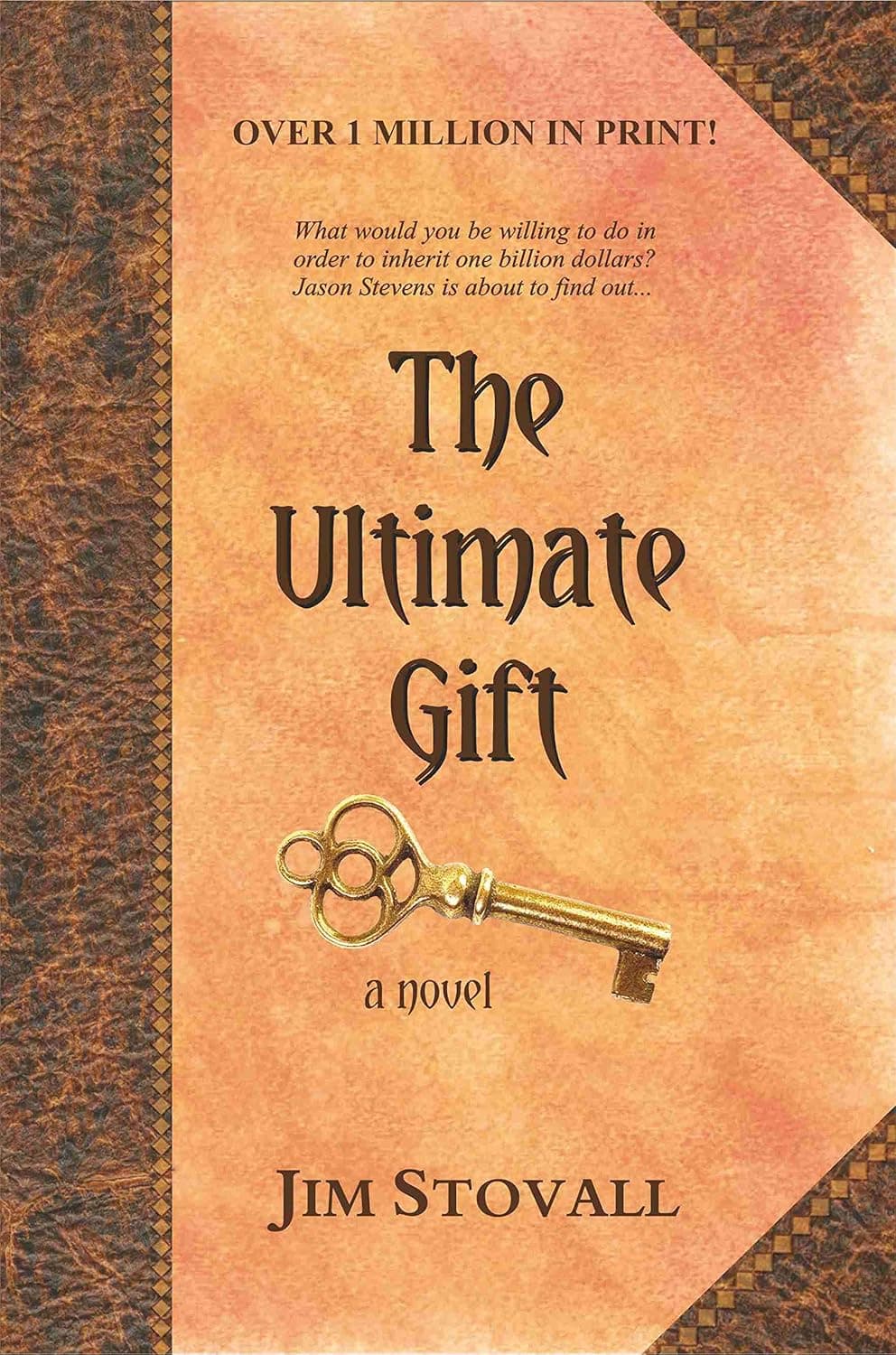
What This Theme Explores
Living for Today asks how a meaningful life is built not by grand achievements deferred to tomorrow, but by the quality of attention, gratitude, and love we bring to each day. In Chapter 13: The Gift of a Day, the narrative frames life as a finite series of days and challenges the assumption that fulfillment lies in the future. The theme probes what we would prioritize if we knew time was short and insists those priorities should guide us now. It critiques procrastination and aimlessness, urging a present-tense life rooted in simple joys and intentional connection.
How It Develops
At the outset, Jason Stevens embodies the opposite of the theme: he drifts through interchangeable days, living for impulse rather than presence. His pleasures blur into a numbing routine, signaling that chasing novelty without purpose leads to a hollow present.
As the gifts accumulate, the story repeatedly pulls Jason back to the immediacy of experience. Through The Gift of Problems, he meets Emily, who—precisely because her time is limited—savors a single “special day,” modeling the attentive, grateful posture the novel advocates. Her example quietly prepares Jason to recognize that a good life is, at heart, a sequence of good days.
The theme crests when Howard "Red" Stevens, speaking from beyond the grave, distills his lifetime of learning into a simple practice: plan your last day, then live that way now. Red’s hourglass imagery confronts Jason with mortality not to inspire dread, but to strip away trivialities. In the resolution, Jason designs a “perfect day” of gratitude, reconciliation, and shared joy—and realizes its elements are available immediately, transforming the exercise from a hypothetical into a daily blueprint.
Key Examples
-
Emily’s “Special Day in the Park” (in Chapter 7) shows how presence converts ordinary moments into radiant meaning. Despite her illness, Emily seeks simple fun, and her joy exposes how much of happiness depends on attention, not circumstance. For Jason, her day becomes a mirror: if a child with little time can relish one day, what excuse does he have?
-
Red’s posthumous lesson in Chapter 13 reframes life as a practice of maximizing one day at a time. By invoking the hourglass, he makes time’s passage palpable, turning abstraction into urgency. His guidance elevates “today” from a calendar entry to the primary arena where character and love are enacted.
-
Red’s central question—why wait to live your best day?—presses Jason (and the reader) to reject the fantasy of a perfect future. It exposes delay as a form of self-betrayal and calls for immediate alignment between values and actions. The present becomes the only honest test of what we truly prioritize.
-
Jason’s “perfect day” is notable for its ordinariness: an expanded Golden List of gratitude, breakfast with friends, mended family ties, a walk in the park, a museum visit, sailing, and a banquet to share lessons. By choosing connection over spectacle, he learns that meaning is reproducible, not rarefied. The day’s replicability is the point—it’s a template for living, not a one-time event.
Character Connections
[Howard "Red" Stevens] designs the final lesson to compress a lifetime of wisdom into a single, actionable discipline. Facing death has clarified his values; he understands that urgency reveals what matters and that a day, consciously lived, contains the essence of a life. His pedagogy turns philosophy into practice, making “today” the workshop of purpose.
Jason’s arc is a conversion from consumption to presence. Early on, he confuses stimulation with vitality; by the end, he recognizes that gratitude, reconciliation, and service give the day its shape. Planning his last day forces him to articulate values and then enact them, transforming intention into habit.
Emily embodies the theme without rhetoric. Her joy is not naïve but lucid—born of limited time and clear priorities. She teaches Jason through example what Red later names outright: that the day is precious enough to deserve our whole attention.
Symbolic Elements
-
The hourglass renders mortality visible: each grain stands for a day that, once spent, cannot be retrieved. Its steady flow counters the illusion of endless tomorrows and presses the reader toward gratitude and action now.
-
The “last day” plan operates as a moral crucible, burning off the trivial. What survives—love, thanks, reconciliation, shared beauty—becomes a practical blueprint, inviting repetition rather than rarity.
-
The park, setting of Emily’s special day, symbolizes unstructured, present-tense joy. Free from status and striving, it becomes a sanctuary where mere existence—sunlight, laughter, movement—feels sufficient.
Contemporary Relevance
In a culture of hustle, metrics, and perpetual deferral, Living for Today pushes back against the idea that meaning waits at graduation, promotion, or retirement. It aligns with mindfulness and intentional-living movements that reclaim attention as our scarcest resource. By prioritizing gratitude, relationships, and simple pleasures, the theme offers an antidote to distraction and burnout, challenging us to measure success by the quality of a day rather than the size of a résumé.
Essential Quote
Why should we wait until the last day of our lives to begin living the maximum day?
This question distills the theme into a decision point: either postpone meaning or practice it now. It reframes mortality as motivation, urging alignment between values and daily behavior. By shifting emphasis from someday to today, it turns philosophy into a livable routine.