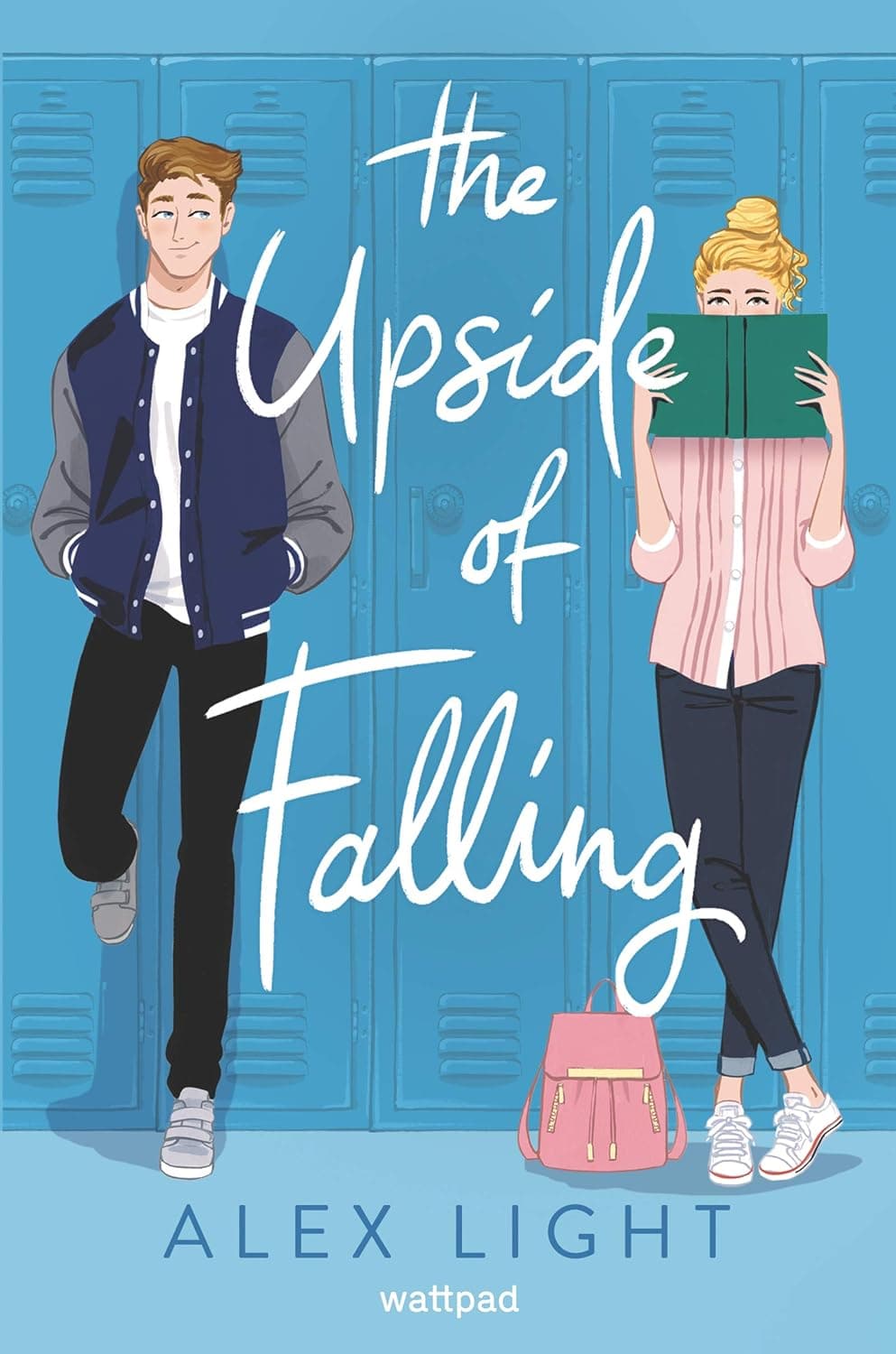
The Nature of Love and Heartbreak
What This Theme Explores
The Nature of Love and Heartbreak probes the gap between the fantasies that make love feel safe and the risk-laden reality that makes it meaningful. It asks whether love’s inevitable vulnerabilities—exposure, disappointment, and potential loss—are a price worth paying for genuine connection. The story weighs comforting illusions against the courage required to face real imperfection, arguing that risk is not a flaw in love but its proof. It also explores how family histories and past wounds shape what characters believe they deserve—and what they dare to try—for themselves.
How It Develops
At the outset, Becca Hart treats love like a controlled experiment: safe on the page, catastrophic in real life. Her parents’ divorce has convinced her that intimacy leads to abandonment, so she prefers the predictability of fictional romances. Brett Wells, meanwhile, has inherited certainty—his parents’ marriage looks perfect, and he trusts that love, when real, is stable and pure. Their fake-dating setup traps them between their theories and their feelings, forcing each to watch the other become a counterexample to what they believe.
Midway through the novel, experience interrupts ideology. The staged relationship gives Becca unexpected comfort and companionship, muddling her binaries of “fake” and “real.” Brett’s certainty shatters when he discovers his father’s infidelity, and heartbreak becomes personal rather than hypothetical. Together, they learn that love’s truth emerges not from ideals but from how people behave when the story gets messy—how they tell the truth, apologize, and stay present.
By the end, both relinquish absolutism. Becca accepts that real love’s uncertainty is not a sign of doom but the cost of meaning; Brett trades in the idea of perfection for the practice of forgiveness and effort. Choosing one another for real, they refuse the safety of performance and embrace a vulnerable relationship that can break—and therefore matter.
Key Examples
Across the narrative, specific moments convert abstract beliefs about love into lived tests of trust, risk, and repair.
-
Becca’s cynicism and reliance on fiction: Early on, Becca frames books as a shield. Fiction guarantees a happily-ever-after or at least a contained heartbreak; reality does not. This defense mechanism reveals her core fear—that loss is inevitable—and why she keeps real feelings at arm’s length.
-
The Romeo and Juliet debate in class: Becca argues that love isn’t worth its potential destruction, clashing with classmates like Jenny McHenry. The scene externalizes her private logic: she would rather be “right” about love’s dangers than risk being hurt, turning literature into a battleground where she can control outcomes.
-
The shattering of an ideal: When Brett catches his father cheating, he’s thrust into heartbreak’s reality without preparation. The shock exposes how fragile idealization is; belief alone can’t protect you, and inherited narratives can blind you to complexity. His pain becomes the catalyst for a more grounded understanding of love’s demands.
-
Becca’s fear of abandonment spoken aloud: At a hotel party, Becca articulates the thought she’s built her life around:
"People always talk about falling in love but no one ever talks about falling out of it. And look at your parents— ... It’s all temporary and I’m not sure I can handle another person walking out on me." Naming the fear is a turning point; it transforms avoidance into a choice. By voicing it, she begins to test whether intimacy might coexist with uncertainty.
-
The hotel confrontation and public heartbreak: When the Wells family’s facade collapses, heartbreak becomes communal and undeniable. Brett’s anguished reaction—punching his father—shows the visceral cost of betrayal, while the family’s stunned silence reveals how appearances can delay but not prevent truth. The scene reframes love not as spotless image but as the aftermath: what people do next.
-
Choosing real over “safe”: In the resolution, Becca and Brett decide that honesty, effort, and mutual vulnerability are worth the risk. Their move from performance to presence shows that love’s authenticity is measured not by perfection but by the willingness to try again after pain.
Character Connections
Becca Hart is the novel’s clearest lens on protective cynicism. Her devotion to romance novels functions as emotional triage: controlled endings soothe the chaos left by her father’s departure. Her arc tracks a shift from intellectual dismissal of love to an embodied practice of it—apologizing, trusting, and believing that uncertainty is survivable.
Brett Wells begins as the guardian of idealized love, confident in what he’s seen at home and insulated by success. His father’s betrayal demolishes that certainty, forcing him to rebuild love as a daily choice rather than a promised state. In choosing vulnerability, Brett learns that forgiveness is not denial but work—and that love’s depth grows in the wake of imperfection.
Amy Hart models life after loss without bitterness. Her pivot to baking and her warm persistence with Becca show that heartbreak can seed new purpose. She validates Becca’s pain while quietly pushing her toward the hope she herself reclaimed.
Thomas and Willa Wells, as a couple, dramatize Appearance vs. Reality in love. Publicly, they’re a fairy tale; privately, they’re fractured. Their storyline insists that even admired relationships contain fissures—and that repair, if chosen, requires truth-telling and humility, not glossy narrative.
Symbolic Elements
Romance novels: For Becca, these books symbolize love with training wheels—pleasure without peril. When she discards them after the breakup, she’s rejecting escapism; when she returns to them alongside Brett, she’s integrating fantasy and reality, letting stories inspire rather than insulate her.
Lovers’ Lake: Its romantic name clashes with its murky, unglamorous reality, mirroring the novel’s argument that love’s surface story rarely matches its depths. The setting underscores that meaning can live in mess—that beauty and discomfort often share the same water.
The Wells family home: Initially a monument to stability, the house becomes a museum of silence and tension after the affair. The shift from showcase to pressure cooker reveals how heartbreak remaps familiar spaces, exposing the fragility of “perfect” and the courage required to inhabit what’s true.
Contemporary Relevance
In a culture of curated feeds and couple “brands,” the book’s insistence on love beyond optics feels urgent. It offers readers—especially teens absorbing family ruptures or social-media ideals—a vocabulary for admitting fear without surrendering to it. The story invites a countercultural practice: valuing repair over presentation, complexity over certainty, and vulnerability over the performance of perfection.
Essential Quote
I’d thought my love for romance novels would have died with my parents’ divorce. Instead, it made me crave them more. ... It was like, if love couldn’t exist in reality, at least it was alive in fiction. Between the pages it was safe. The heartbreak was contained.
This passage distills the theme’s central conflict: the temptation to choose safe narratives over risky intimacy. It exposes how protective fantasies can both soothe and stunt, keeping pain at bay while also keeping joy out. The novel ultimately pushes past the “contained” heartbreak of fiction toward the braver, fuller life that only real, uncertain love can offer.